
Call us now :07313727211
 Send Inquiry
 Send Inquiry
lateral pressure assembly
MOQ : 1 Piece
lateral pressure assembly Specification
- Features
- Corrosion-resistant, Leak-proof design, Easy calibration
- Accuracy
- 0.5% FS
- Measuring Range
- 0-10 bar
- Specimen Size
- 38 mm diameter x 76 mm height (standard)
- Port Size
- 1/4 BSP
- Application
- Soil mechanics, triaxial test, lateral pressure testing
- Automation Grade
- Semi-automatic
- Max Height
- 600 mm
- Equipment Type
- Lateral Pressure Assembly
- Resolution
- 0.01 bar
- Gas Pressure
- 0-10 kg/cm
- Frequency
- 50 Hz
- Temperature
- 10C to 40C
- Interface Type
- Panel Mounted
- Humidity
- Up to 95% RH (non-condensing)
- Mounting Type
- Bench-top
- Number of Specimens
- 1
- Response Time
- <1 sec
- Operating Voltage
- 220 V AC, 50 Hz
- Display Type
- Digital LCD
- Test Range
- 0-10 bar
- Power Supply
- 220 V AC, 50 Hz
- Usage
- Laboratory
- Capacity
- Up to 10 bar
- Machine Weight
- 45 kg approx.
- Test Speed
- 0.05-5 mm/min adjustable
- Test Width
- Up to 80 mm
- Test Stroke
- 0-50 mm
- Control Mode
- Digital/Automatic
- Fluid Used
- De-aired water or glycerine
- Piston Material
- Brass/Nickel-plated
- Valve Type
- Needle valve for precise control
- Compliance
- IS: 2720 (Part XII), ASTM D 2850
- Cylinder Material
- Stainless Steel 304
- Safety Features
- Automatic pressure release valve
- Pressure Gauge Type
- Bourdon Type (Glycerine filled)
- Hose Length
- 1.5 m with quick connectors
lateral pressure assembly Trade Information
- Minimum Order Quantity
- 1 Piece
- Delivery Time
- 1 Days
lateral pressure assembly About
Specification:
A lateral pressure assembly spec details the specifications of equipment used to apply cell pressure to specimens in triaxial soil testing, including pressure capacity (e.g., 10 kg/cm), power requirements (e.g., 220-230V, manual or semi-automatic operation), materials (steel, stainless steel), and components like pressure gauges, pumps, and chambers. The exact specifications vary by application and manufacturer, but a typical assembly includes a pressure chamber for triaxial specimens, a pressure gauge to monitor cell pressure, and a mechanism like a foot pump or motor for applying and adjusting the pressure.
Common Specifications:
-
Primarily used in soil mechanics for triaxial testing to apply cell pressure to a specimen.
-
Often around 10 kg/cm, but this can vary depending on the specific model and intended use.
-
- Voltage: Typically 220V or 230V AC.
- Frequency: 50-60 Hz.
- Operation: Can be manual, semi-automatic, or electro-mechanical with controlled loading.
- Voltage: Typically 220V or 230V AC.
-
Common materials include stainless steel or mild steel, with brass components also used for pressure-sensitive parts.
-
- Pressure Chamber: A container that holds the specimen and allows for cell pressure to be applied.
- Pressure Gauge: A dial to monitor the applied cell pressure.
- Pumping Mechanism: A foot pump or electric system to apply and adjust the pressure.
- Accessories: May include flanged top caps, water drains, and air valves.
- Pressure Chamber: A container that holds the specimen and allows for cell pressure to be applied.
-
Ranging from purely manual operation to semi-automatic and electro-mechanical designs.
-
These specifications are variable and depend on the design and manufacturer.
Robust Construction and Durable Materials
With a main cylinder of Stainless Steel 304 and a Brass/Nickel-plated piston, this device ensures long-term performance in laboratory settings. Its corrosion-resistant, leak-proof design withstands heavy lab use while requiring minimal maintenance, making it ideal for frequent soil sample testing.
Precise Pressure Control with Advanced Safety
The built-in Bourdon-type pressure gauge, along with a needle valve and automatic pressure release, allows fine-tuned adjustments and safe operation up to 10 bar. The digital display gives fast and accurate feedback, enabling controlled and repeatable experiments.
User-Friendly Features and Compliance
A 1.5 m hose with quick connectors, digital LCD interface, and semi-automatic operation streamline every triaxial and lateral pressure test. Compliance with IS: 2720 (Part XII) and ASTM D 2850 ensures suitability for standardized research and industrial use.
FAQ's of lateral pressure assembly:
Q: How is the lateral pressure assembly typically used in soil mechanics laboratories?
A: The assembly is used to apply lateral pressure to soil samples in triaxial and lateral pressure tests, evaluating the mechanical properties of soils for research or construction projects, with precise control and digital monitoring.Q: What safety features are included in this lateral pressure assembly?
A: This device features an automatic pressure release valve and a robust pressure gauge to prevent accidental overpressure, ensuring safe operation during prolonged or high-pressure tests.Q: When should de-aired water or glycerine be used as the test fluid?
A: De-aired water is generally preferred for standard soil tests to prevent air entrapment, especially when examining undisturbed samples. Glycerine can be used if a higher viscosity medium is required for specialized conditions.Q: Where can this equipment be installed and how is it mounted?
A: Designed for laboratory environments, the assembly is intended for bench-top mounting and fits easily within standard soil mechanics labs, thanks to its compact design and accessible interface.Q: What is the process for calibrating the pressure gauge?
A: Calibration is straightforward using the unit's digital controls and external calibration sources, ensuring measurement accuracy as per laboratory protocols and international standards.Q: What are the benefits of having a digital/automatic control mode?
A: Digital and automatic controls provide precise adjustment of test parameters, data consistency, and easy monitoring, reducing human error and improving repeatability and reliability of results.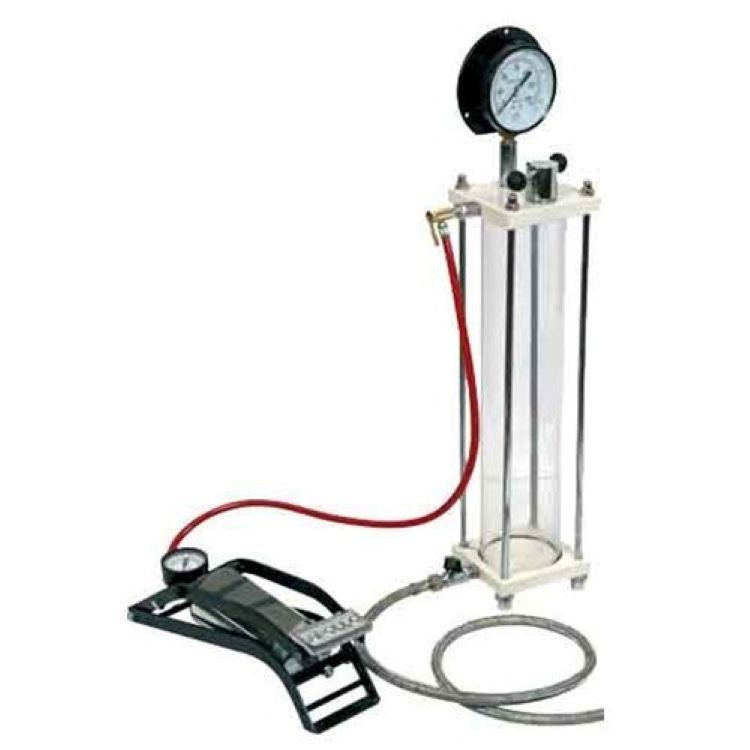
Tell us about your requirement

Price:
Quantity
Select Unit
- 50
- 100
- 200
- 250
- 500
- 1000+
Additional detail
Mobile number
Email

More Products in Soil Testing Equipment Category
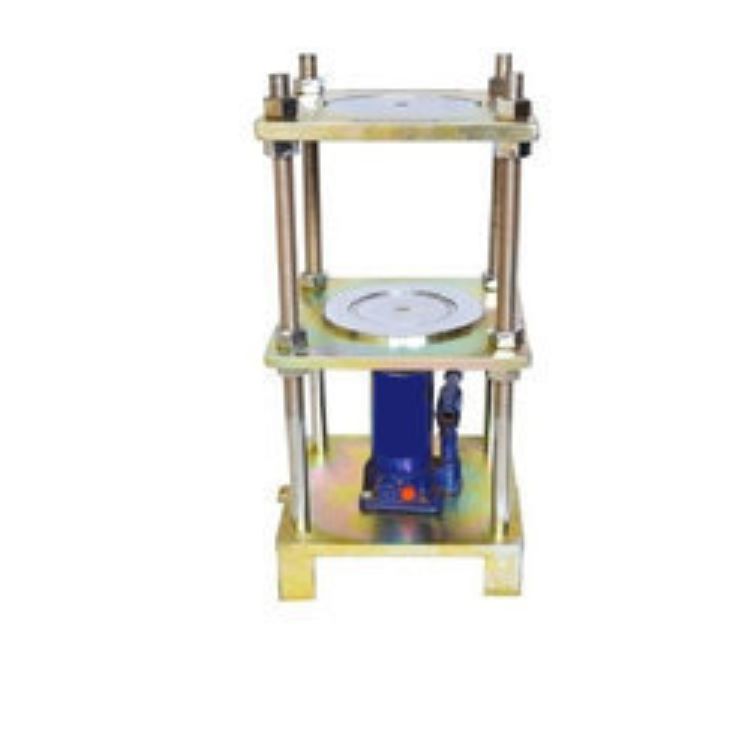
Universal Extruder Frame Hydraulic
Price 12000.0 INR / Piece
Minimum Order Quantity : 1 Piece
Usage : Industrial Material Testing
Features : Frame hydraulic system, heavy duty structure, digital controls
Capacity : Up to 500 kN
Response Time : <1 sec
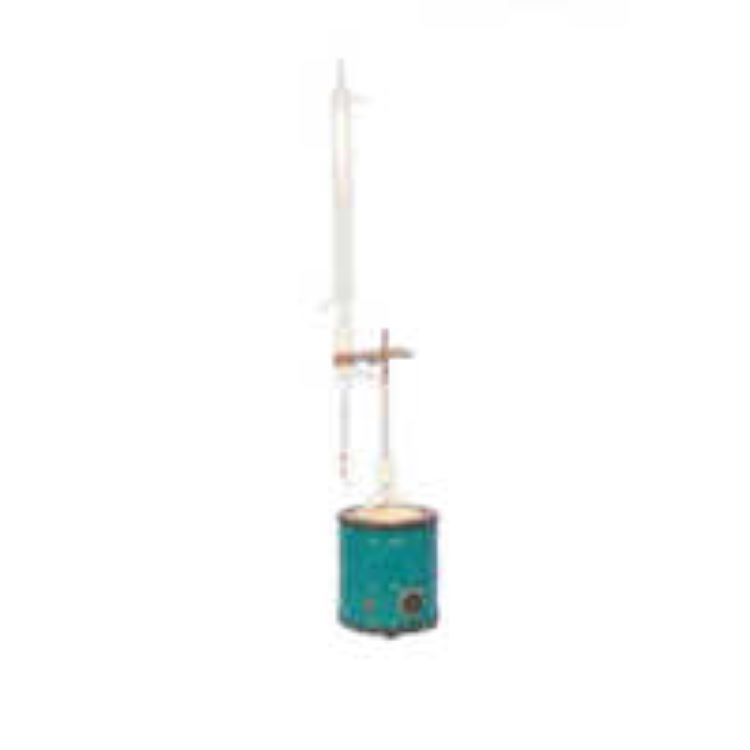
Water In Bituminous Material (Dean-Stark
Price 6000.0 INR / Piece
Minimum Order Quantity : 1 Piece
Usage : Laboratory water analysis in bituminous materials
Features : Borosilicate glassware, clear scale, chemical resistant
Capacity : 250 ml, 500 ml, or 1000 ml flask size
Response Time : Realtime
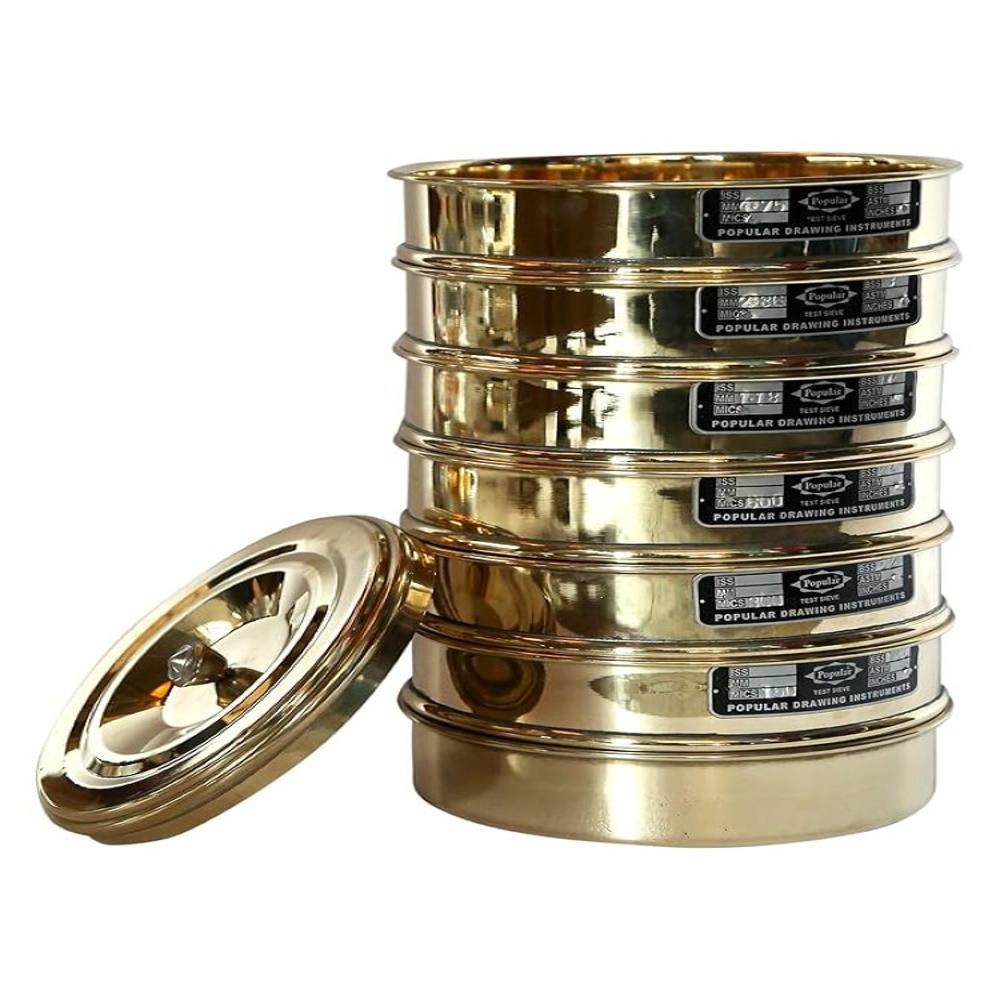
Brass frame sieves
Price 1000.0 INR / Piece
Minimum Order Quantity : 1 Piece
Usage : Laboratory, industrial, and research material separation
Features : Corrosionresistant brass frame, highquality mesh, stackable design
Capacity : Sample volume typically up to 1 kg (varies by sieve size)
Response Time : Instant upon testing
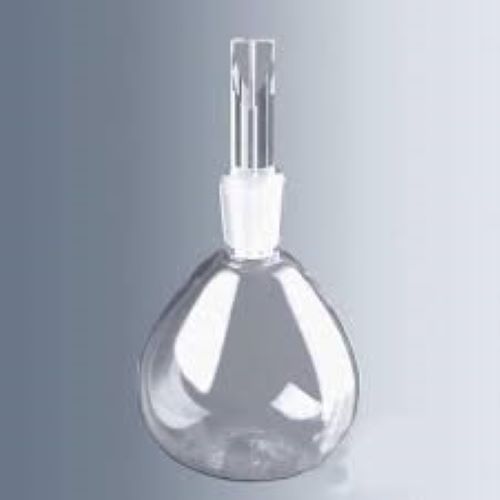
Den-sity Bottle (G-ay-Lu-ssac Type)
Price 500.0 INR / Piece
Minimum Order Quantity : 1 Piece
Usage : Laboratory, research, educational purposes
Features : Sturdy construction, clear labelling, ground glass stopper
Capacity : 25 ml, 50 ml, 100 ml, 250 ml (Varies)
Response Time : Immediate, manual measurement

We are dealing in Coimbatore, Chennai and Tamilnadu.
 Send Inquiry
Our Products
- Concrete Testing Equipment
- Survey Lab Equipment
- Construction Equipment
- Concrete Testing Machine
- Soil Test Machine
- Survey Instrument
- Auto Level
- Cement Testing Machine
- Soil Testing Equipments
- Soil Testing Equipment
- Civil Engineering Lab Equipment
- Total Station
- Soil Test equipments
- Auto Level
- Concrete Highway Engineering lab
- Mechanical Engineering Lab Equipment
- Weighing Scale
- Laboratory Testing Equipment
- Workshop Trolleys
- Compression Testing Machine
- Water Testing Equipment
- Vertical Milling Machine
- Moulding Products
- CNC Machines
- Measuring Ruler
- Cylinder Carrier
- Core Cutting Machine
- Digital Measuring Machine
- Hydraulic Jack
- Drawing Instruments
- Fuel Testing Equipment
- Dynamics Lab Equipment
- Hydraulics and Fluid Mechanics Lab Equipment
- Heat Transfer Lab Equipment
- Scientific Equipment
- Surgical Equipment
- Hot Air Oven
- Impact Testing Machine
- Torsion Testers
- Bernoullis Theorem Apparatus
- Wooden Tripod
- Liquid Mercury
- Vibrating Table
- Material Testing Equipment
- Agriculture Equipment
- Waste Water Analysis

SF No. 189/1B1A, 191/3A1A1E, Sidco Private Industrial Estate, LIC Colony, Kurichi Pudhu Nagar, Kuruchi Housing,Coimbatore - 641021, Tamil Nadu, India

Mr Balamurugan C
(Manager)
Mobile :07313727211
 Send Inquiry
 Send SMS
Developed and Managed by Infocom Network Private Limited.
