
Call us now :07313727211
 Send Inquiry
 Send Inquiry
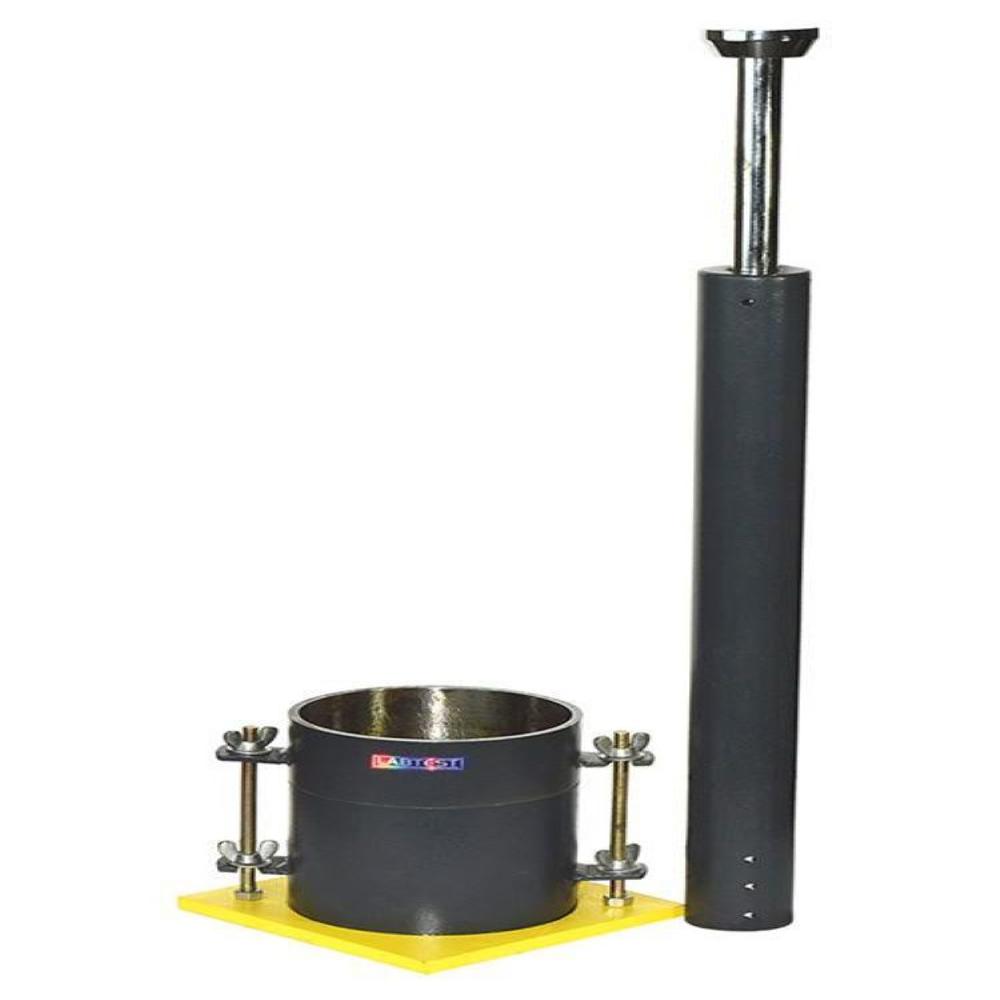
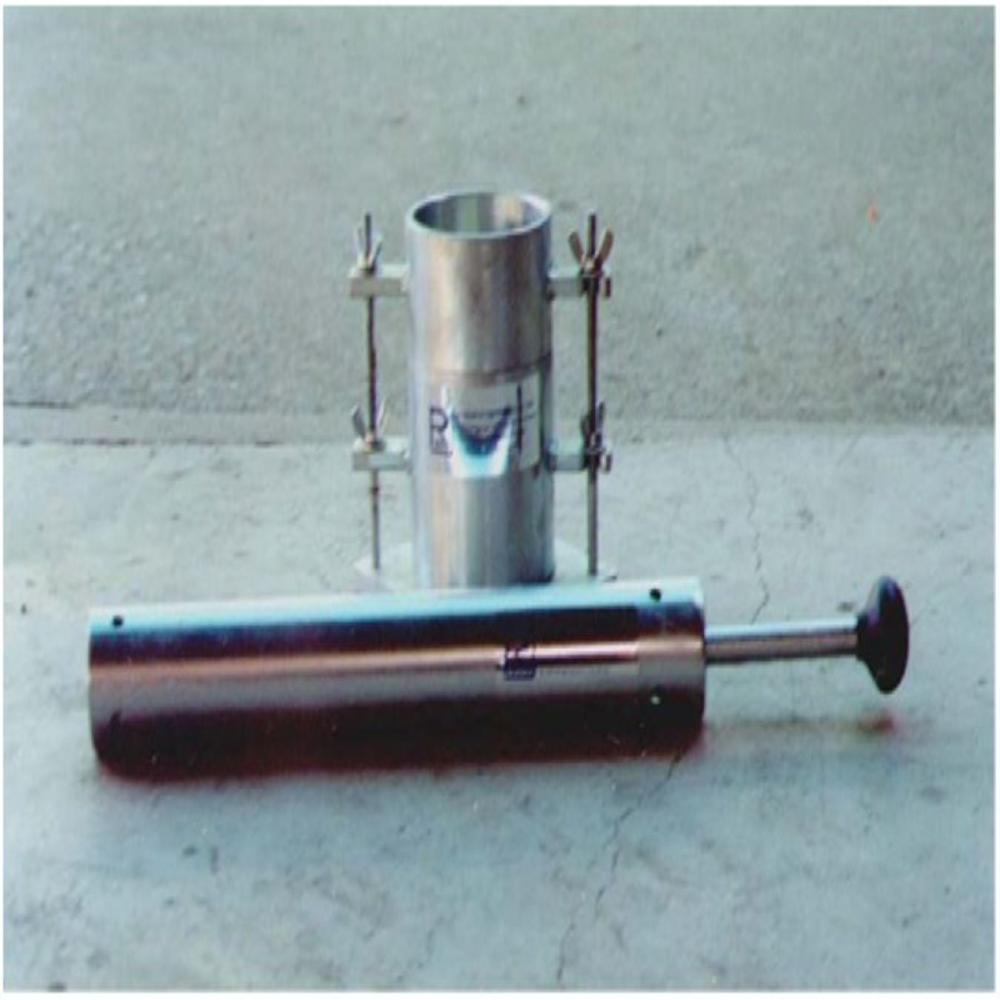
Heavy Compaction Test (IS)
Price 9000.0 INR/ Piece
MOQ : 1 Piece
Heavy Compaction Test (IS) Specification
- Temperature
- Ambient room temperature
- Resolution
- Standard gradation, not digitally resolved
- Application
- Soil compaction testing to determine maximum dry density and optimum moisture content
- Features
- Corrosion resistant, durable, standard IS design
- Humidity
- Ambient conditions
- Test Range
- Standard as per IS: 2720 (Part VII)
- Specimen Size
- 100 mm diameter x 127.3 mm height (mould size as per IS)
- Measuring Range
- As per IS requirements for soil compaction
- Equipment Type
- Heavy Compaction Test Apparatus (IS)
- Automation Grade
- Manual
- Response Time
- Immediate upon test completion
- Mounting Type
- Bench/Tabletop
- Max Height
- 1550 mm (typical including rammer during drop)
- Power Supply
- Not required (manual operation)
- Accuracy
- High – conforms to IS: 2720 (Part VII)
- Number of Specimens
- Single specimen per test
- Usage
- Soil laboratory testing
- Capacity
- 4.9 kg (rammer weight)
- Machine Weight
- Approximately 55 kg
- Test Stroke
- Approximately 310 mm (drop height)
- Control Mode
- Manual
- Mould Material
- Gunmetal or stainless steel
- Packing Type
- Wooden box
- Dimensions (Mould)
- 100 mm internal diameter x 127.3 mm height
- Material of Construction
- Mild Steel with powder coated finish
- Rammer Drop Height
- 450 mm
- Rammer Weight
- 4.9 kg
- Accessories Included
- Collar, base plate, rammer, and spacer disc
Heavy Compaction Test (IS) Trade Information
- Minimum Order Quantity
- 1 Piece
- FOB Port
- COIMBATORE
- Payment Terms
- Cash in Advance (CID), Cash Advance (CA)
- Supply Ability
- 1 Piece Per Day
- Delivery Time
- 1 Days
- Sample Available
- No
- Packaging Details
- COTTON BOX
- Main Export Market(s)
- Asia, Africa
- Main Domestic Market
- All India, South India, Central India, West India, North India, East India, Lakshadweep, Mizoram, Meghalaya, Manipur, Gujarat, Karnataka, Kerala, Arunachal Pradesh, Andaman and Nicobar Islands, Nagaland, Uttar Pradesh, Uttarakhand, West Bengal, Andhra Pradesh, Bihar, Chandigarh, Daman and Diu, Goa, Jharkhand, Odisha, Punjab, Assam, Delhi, Dadra and Nagar Haveli, Chhattisgarh, Haryana, Himachal Pradesh, Jammu and Kashmir, Madhya Pradesh, Maharashtra, Rajasthan, Sikkim, Tamil Nadu, Telangana, Tripura, Pondicherry
About Heavy Compaction Test (IS)
Specification:
Instrument consists one each of compaction mould mild steel 150 mm I.D. x 127.3mm height volume 2250cc. Complete with collar and base plate. Compaction Rammer is 4.89 kgs. in weight x 450 mm controlled fall.
Note :Instead of steel moulds, gunmetal mould are also available
The Heavy Compaction Test (orModified Proctor Test)is specified byIS 2720 (Part VIII)and is used to determine themaximum dry density(MDD) andoptimum moisture content(OMC) for soils used in heavily loaded structures.It uses a 4.9 kg rammer dropped from 450 mm, compacting the soil in 5 layers with 25 blows per layer into a 2250 cc (cc) mold.
Indian Standard (IS) Specification
- IS 2720 (Part VIII):This is the specific standard that details the heavy compaction test procedure and equipment requirements in India.
Key Specifications and Parameters
- Mould:A steel or gunmetal mould with a diameter of 150 mm, a height of 127.3 mm, and a volume of 2250 cc.
- Rammer:A hammer weighing 4.9 kg (or approximately 4.89 kg).
- Drop Height:The rammer is dropped from a controlled height of 450 mm.
- Layers:The soil is compacted in 5 distinct layers.
- Blows per Layer:Each layer is compacted with 25 blows.
Purpose of the Test
- Maximum Dry Density (MDD):The highest dry density achievable for the soil at a specific moisture content.
- Optimum Moisture Content (OMC):The water content at which the MDD is achieved.
- Stability and Strength:The results are crucial for ensuring the stability and strength of soil in projects like highways, railways, and dams.
Comparison to Light Compaction
- The heavy compaction test applies significantly more energy than the standard or light compaction test.
- This makes it suitable for soils that will experience heavier loads, resulting in a higher maximum dry density and a lower optimum moisture content compared to the standard test.
Engineered for Durability and Precision
Constructed from high-quality mild steel with a powder-coated finish and equipped with gunmetal or stainless steel moulds, this compaction apparatus guarantees longevity and repeatability in every test. Its robust design ensures reliable results in compliance with IS standards, even under frequent laboratory use.
Manual Operation, Maximum Versatility
With a simple manual control mode and no need for an external power supply, the heavy compaction apparatus is ideal for laboratories and on-site testing in ambient environmental conditions. The ergonomic accessories-including a collar, rammer, base plate, and spacer disc-make setup straightforward for single-specimen tests.
Designed for Standardized Soil Compaction Testing
This equipment is meticulously designed to meet the requirements of IS: 2720 (Part VII), delivering high accuracy and consistent results. Its measuring range and resolution are tailored for standard soil laboratory procedures, providing immediate and reliable measurements for soil compaction analysis.
FAQ's of Heavy Compaction Test (IS):
Q: How is the Heavy Compaction Test Apparatus (IS) used in soil laboratory testing?
A: The apparatus is used to compact soil samples in a standard mould using a 4.9 kg rammer dropped from a height of 450 mm. The process determines soil's maximum dry density and optimum moisture content by compacting the soil in layers, as prescribed by IS: 2720 (Part VII).Q: What materials are used to construct the Heavy Compaction Test Apparatus?
A: The main frame is made from mild steel with a powder-coated finish for corrosion resistance. The mould provided is fabricated from gunmetal or stainless steel, ensuring durability and precision during repeated laboratory use.Q: When should you perform a heavy compaction test?
A: This test should be performed whenever precise soil compaction characteristics are required, particularly for geotechnical investigations or projects needing high soil density, such as road construction, embankments, or earthworks.Q: Where can the Heavy Compaction Test Apparatus be used?
A: The apparatus is suitable for soil testing laboratories, educational institutions, research centers, and construction sites across India. Its manual operation and portability allow it to be used anywhere ambient room temperature and humidity conditions are maintained.Q: What is the testing process with this apparatus?
A: The soil sample is placed in the mould, fitted with a collar and base plate. The rammer is manually dropped from 450 mm to compact the soil in layers. After compaction, the sample is analyzed to determine its dry density and moisture content.Q: What are the benefits of using this manual heavy compaction apparatus?
A: Benefits include its compliance with IS standards, durability due to powder-coated and corrosion-resistant materials, reliable and immediate test results, portability with a wooden packing box, and suitability for use in various environments without requiring power.Q: How many specimens can be tested at a time using this equipment?
A: The apparatus is designed to test a single soil specimen per operation, matching the standard specimen size of 100 mm diameter by 127.3 mm height recommended by IS: 2720 (Part VII).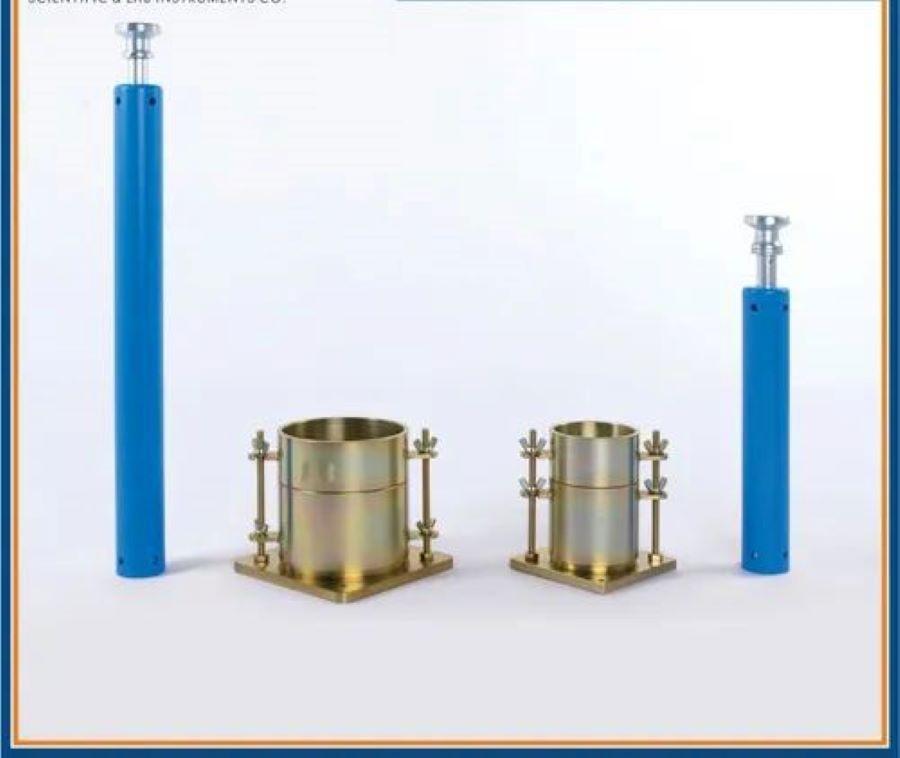
Tell us about your requirement

Price: Â
Quantity
Select Unit
- 50
- 100
- 200
- 250
- 500
- 1000+
Additional detail
Mobile number
Email

More Products in Soil Testing Equipment Category
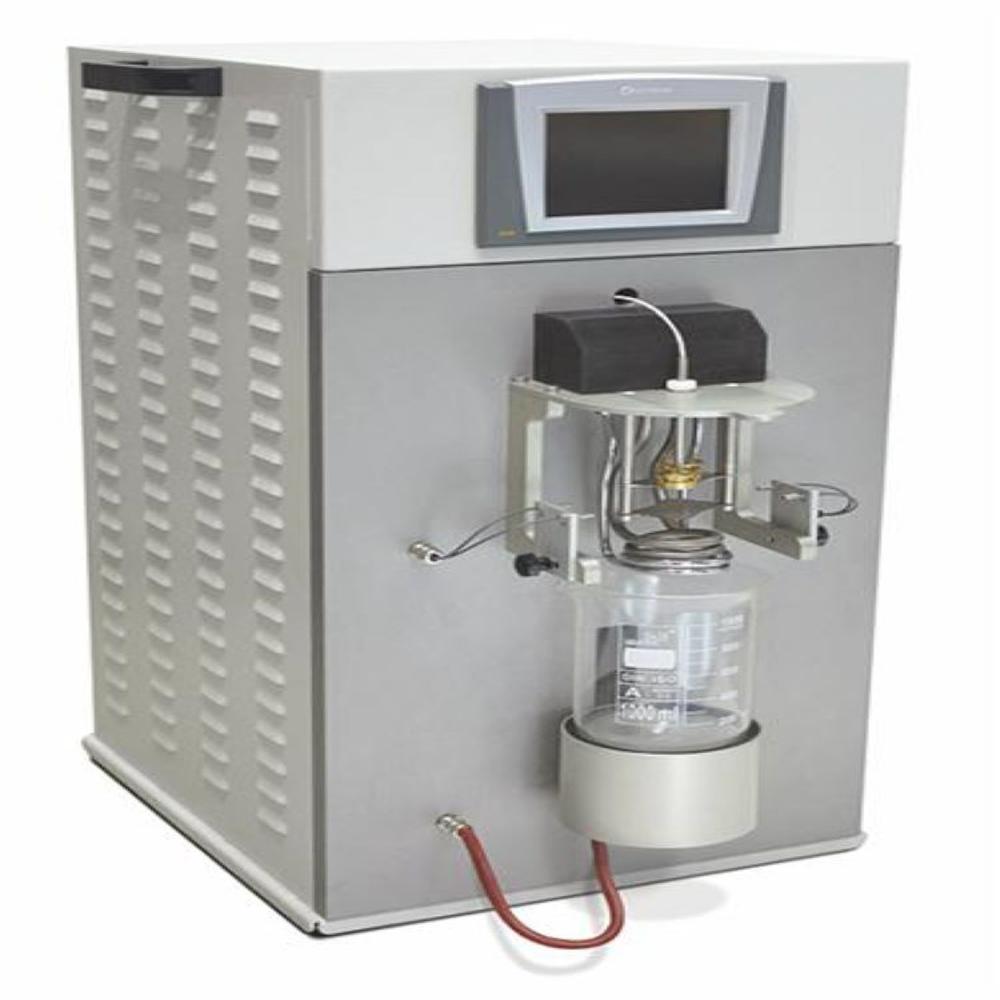
Automatic Ring and Ball Apparatus
Price 60000.0 INR / Piece
Minimum Order Quantity : 1 Piece
Application : Determination of softening point of bituminous materials
Usage : Laboratory Testing
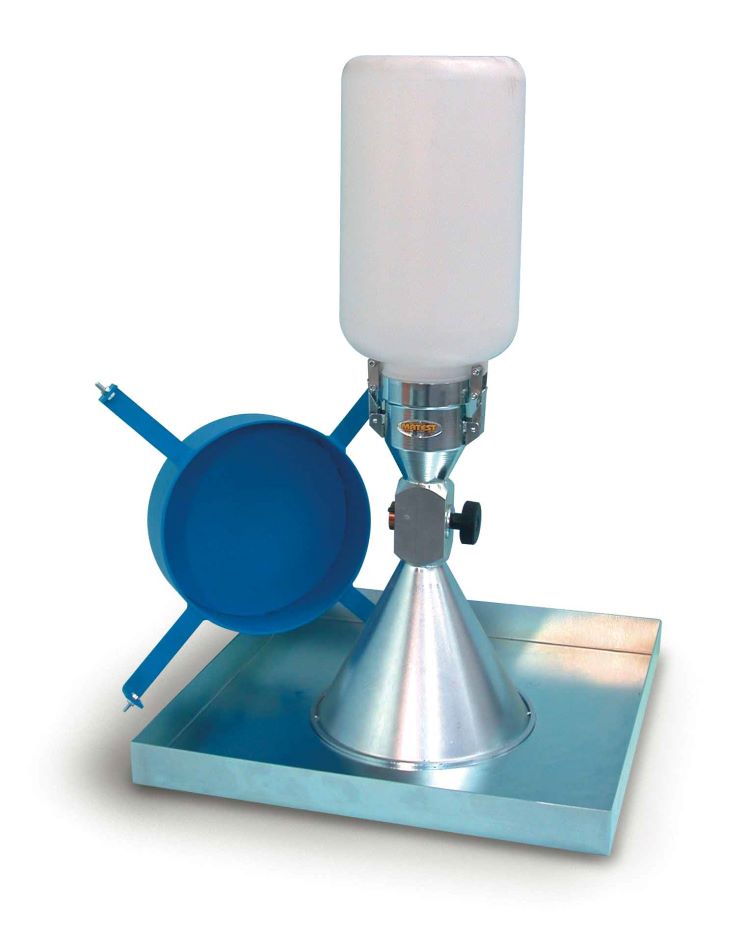
Sand Density Cone Apparatus
Price 7000.0 INR / Piece
Minimum Order Quantity : 1 Piece
Application : Used for field density determination of soil by sand replacement method
Usage : Geotechnical and civil engineering field tests
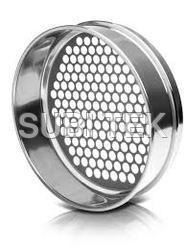
Test Sieves Coarse Aggregate
Price 550 INR / Piece
Minimum Order Quantity : 1 Piece
Color : Silver
Material : SS
Usage : Industrial
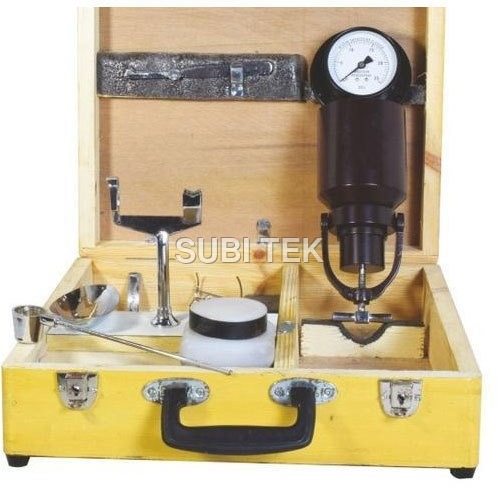
Rapid Moisture Meter
Price 5000 INR / Piece
Minimum Order Quantity : 1 Piece
Color : Yellow
Material : MS
Usage : Industrial

We are dealing in Coimbatore, Chennai and Tamilnadu.
 Send Inquiry
Our Products
- Concrete Testing Equipment
- Survey Lab Equipment
- Construction Equipment
- Concrete Testing Machine
- Soil Test Machine
- Survey Instrument
- Auto Level
- Cement Testing Machine
- Soil Testing Equipments
- Soil Testing Equipment
- Civil Engineering Lab Equipment
- Total Station
- Soil Test equipments
- Auto Level
- Concrete Highway Engineering lab
- Mechanical Engineering Lab Equipment
- Weighing Scale
- Laboratory Testing Equipment
- Workshop Trolleys
- Compression Testing Machine
- Water Testing Equipment
- Vertical Milling Machine
- Moulding Products
- CNC Machines
- Measuring Ruler
- Cylinder Carrier
- Core Cutting Machine
- Digital Measuring Machine
- Hydraulic Jack
- Drawing Instruments
- Fuel Testing Equipment
- Dynamics Lab Equipment
- Hydraulics and Fluid Mechanics Lab Equipment
- Heat Transfer Lab Equipment
- Scientific Equipment
- Surgical Equipment
- Hot Air Oven
- Impact Testing Machine
- Torsion Testers
- Bernoullis Theorem Apparatus
- Wooden Tripod
- Liquid Mercury
- Vibrating Table
- Material Testing Equipment
- Agriculture Equipment
- Waste Water Analysis

SF No. 189/1B1A, 191/3A1A1E, Sidco Private Industrial Estate, LIC Colony, Kurichi Pudhu Nagar, Kuruchi Housing,Coimbatore - 641021, Tamil Nadu, India

Mr Balamurugan C
(Manager)
Mobile :07313727211
 Send Inquiry
 Send SMS
Developed and Managed by Infocom Network Private Limited.
