
Call us now :07313727211
 Send Inquiry
 Send Inquiry
Density Of Fresh And Hardened Concrete
Price 21500.0 INR/ Piece
MOQ : 1 Piece
Density Of Fresh And Hardened Concrete Specification
- Mounting Type
- Tabletop
- Measuring Range
- Up to 3000 kg/m³
- Max Height
- Approx. 250 mm with filled mould
- Power Supply
- Not Required (Manual Operation)
- Interface Type
- None (Manual/Baseplate)
- Operating Voltage
- Not Applicable; Manual
- Temperature
- Ambient/Room Temperature
- Accuracy
- ±1% or better
- Resolution
- 1 kg/m³
- Frequency
- On demand, as per test requirement
- Humidity
- Relative, as per site condition
- Response Time
- Immediate, manual
- Test Range
- 1800 kg/m³ to 2600 kg/m³
- Display Type
- Graduated scale/manual calculation
- Specimen Size
- 150 x 150 x 150 mm cube (standard); Other sizes as per IS standards
- Application
- Testing density of fresh and hardened concrete
- Equipment Type
- Concrete Density Measurement
- Features
- Simple assembly, Portable, Durable, Easy to clean
- Automation Grade
- Manual
- Number of Specimens
- 1 (per mould)
- Usage
- Laboratory/Construction Site
- Capacity
- Single specimen per test
- Machine Weight
- Approx. 15 kg
- Test Speed
- Manual Pour & Test
- Test Width
- 150 mm (standard mould)
- Control Mode
- Manual
- Waterproof Level
- Yes, for fresh concrete testing
- Material of Construction
- Mild Steel/Aluminum Mould with Smooth Internal Finish
- Safety Feature
- Ergonomic lift handles for safe specimen removal
- Compliance Standards
- IS: 1199, IS: 516, ASTM C138
- Colour
- Blue/Gray (Standard)
- Packing Type
- Cardboard/wooden box
- Cleaning Method
- Water and Detergent
Density Of Fresh And Hardened Concrete Trade Information
- Minimum Order Quantity
- 1 Piece
- FOB Port
- coimbatore
- Payment Terms
- Cash Advance (CA), Cash in Advance (CID)
- Supply Ability
- 1 Piece Per Day
- Delivery Time
- 1 Days
- Sample Available
- No
- Packaging Details
- cotton box
- Main Export Market(s)
- Asia, Africa
- Main Domestic Market
- North India, East India, Gujarat, Bihar, Chandigarh, Odisha, Delhi, Dadra and Nagar Haveli, Andaman and Nicobar Islands, Arunachal Pradesh, Chhattisgarh, Haryana, Himachal Pradesh, Jammu and Kashmir, Madhya Pradesh, Maharashtra, Punjab, Assam, Nagaland, Rajasthan, Sikkim, Tamil Nadu, Telangana, Tripura, Pondicherry, All India, South India, Central India, West India, Karnataka, Kerala, Lakshadweep, Mizoram, Meghalaya, Manipur, Andhra Pradesh, Daman and Diu, Goa, Jharkhand, Uttar Pradesh, Uttarakhand, West Bengal
About Density Of Fresh And Hardened Concrete
Specification:
The density of both fresh and hardened concrete is of interest to the engineer for numerous reasons including its effect on durability, Strength and resistance to permeability.
Hardened concrete density is determined either by simple dimensional checks, followed by weighing and calculation or by weight in air / water buoyancy methods.
Density of Hardened Concrete:
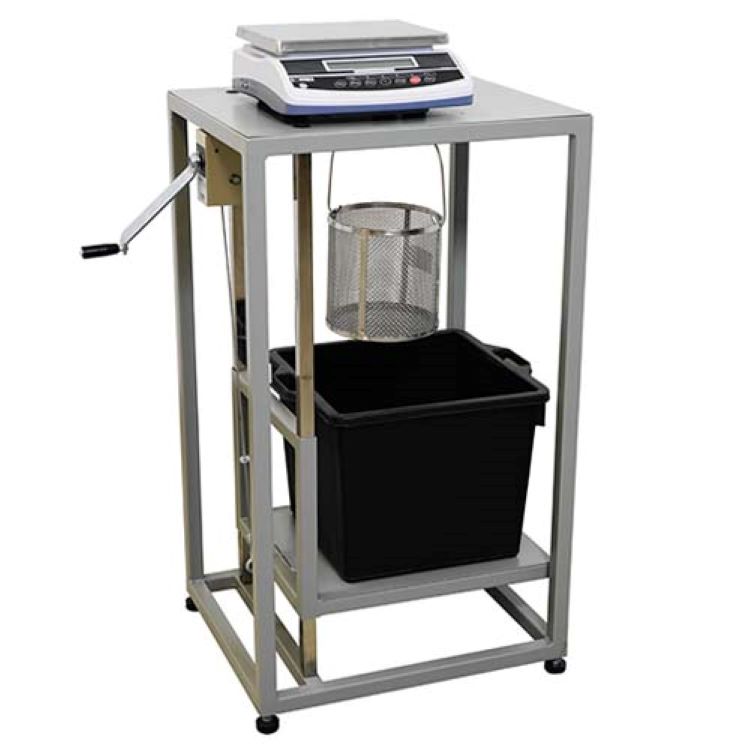
The density of hardened concrete specimens such as cubes and cylinders can be quickly and accurately determined using a Buoyancy Balance.
Buoyancy Balance:
The buoyancy balance system developed by us consists of a rigid support frame. Incorporating a water tank mounted on a platform. A mechanical lifting device is used to raise the water tank through the frame height immersing the specimen suspended below the balance fixed on a cradle.
The balance supplied may also be used as a standard weighting device, thus providing a versatile and comprehensive weighing system in the laboratory. The sample is weighed in air and in water to calculate the density of fresh concrete.
Reliable Density Measurement for Concrete
Ensure quality and consistency in your concrete mixes with this manual density measurement apparatus. Built for immediate response and precision, it is ideal for laboratory and on-site use. The waterproof, tabletop construction coupled with ergonomic handles enables safe and efficient specimen handling during both fresh and hardened concrete evaluation.
Compliant, Durable, and User-Friendly Design
This equipment adheres to established standards-IS: 1199, IS: 516, ASTM C138-providing dependable results. Crafted from robust mild steel or aluminum, its smooth internal finish and easy-clean features guarantee longevity and straightforward maintenance. The portable design supports frequent laboratory or field testing with effortless assembly.
FAQ's of Density Of Fresh And Hardened Concrete:
Q: How is the density of fresh and hardened concrete measured using this equipment?
A: Density is determined by placing a concrete specimen in the standardized mould, weighing it, and calculating its density using volume and mass. The device features a graduated scale for direct reading, or results may be manually calculated. The process follows IS: 1199, IS: 516, and ASTM C138 protocols for accuracy.Q: What types of concrete specimens can be tested with this apparatus?
A: The standard mould accommodates 150 x 150 x 150 mm cubes, but other specimen sizes are compatible as per IS standards. The equipment is suitable for both fresh and hardened concrete, with a measuring range of 1800 kg/m3 to 2600 kg/m3, supporting various construction and laboratory needs.Q: Where is this density measurement equipment typically used?
A: It is commonly used in laboratories and construction sites across India for quality control, ensuring that concrete meets specified density requirements. Its portable and manual design makes it adaptable for field or indoor environments without the need for electrical power.Q: When should density testing of concrete be performed?
A: Density testing should be carried out during mix design development, quality control checks, and after concrete curing to confirm performance criteria. Fresh concrete is tested immediately after batching, while hardened specimens are checked post-curing as per project or compliance schedules.Q: What is the cleaning and maintenance procedure for the mould?
A: After each test, the mould and internal surfaces should be cleaned using water and detergent to remove all concrete residues. Regular cleaning maintains measurement accuracy, prolongs equipment life, and ensures smooth specimen removal.Q: What are the benefits of manual operation and ergonomic safety features?
A: Manual operation allows for immediate, on-demand testing without reliance on power supply. Ergonomic lift handles enhance user safety during specimen removal, reducing the risk of injury and making the equipment suitable for repeated use in busy environments.Q: How accurate and reliable are the density measurements provided by the device?
A: The equipment delivers a resolution of 1 kg/m3 and an accuracy of 1% or better, ensuring reliable results for compliance with IS and ASTM standards. Its robust construction and standardized procedures minimize errors, fostering consistent quality control in concrete testing.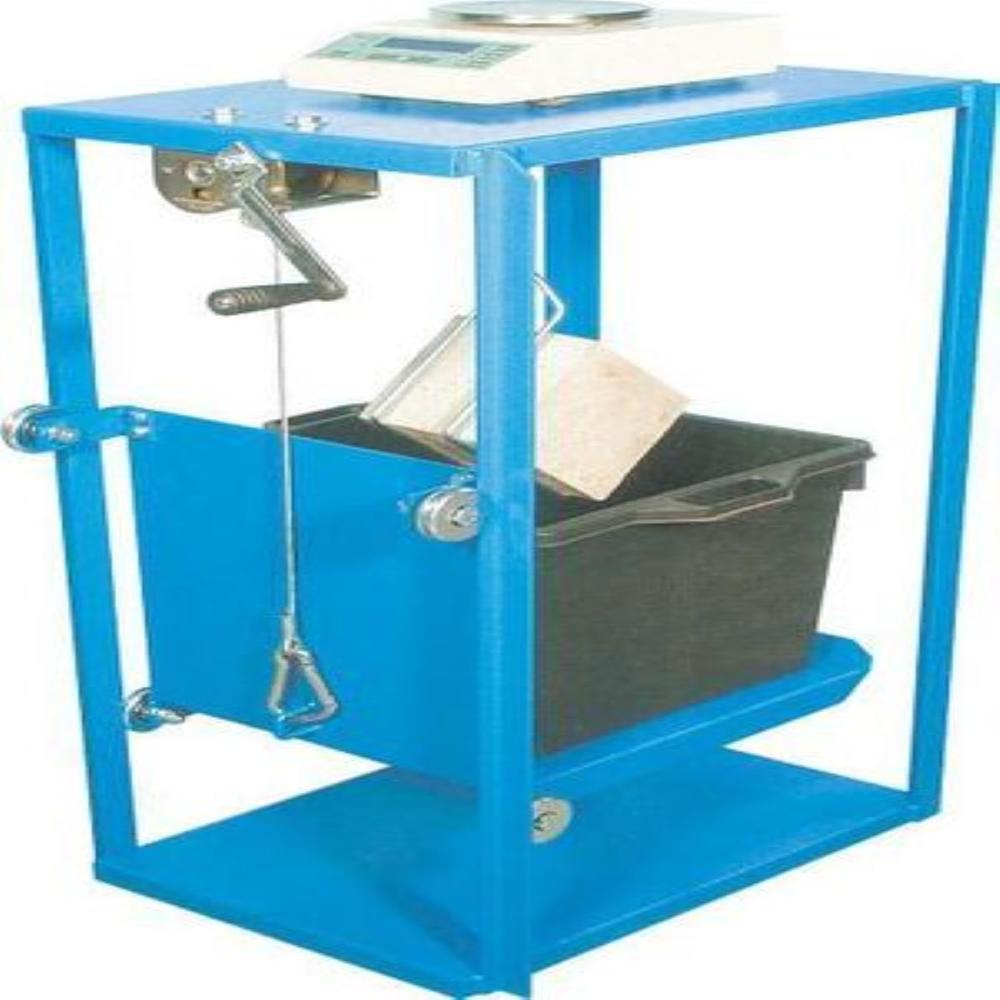
Tell us about your requirement

Price:
Quantity
Select Unit
- 50
- 100
- 200
- 250
- 500
- 1000+
Additional detail
Mobile number
Email

More Products in Concrete Testing Equipment Category
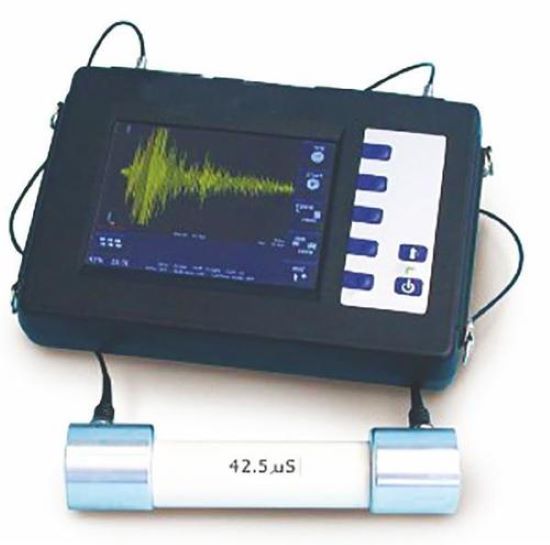
High Performance Ultrasonic Tester
Price 70000.0 INR / Piece
Minimum Order Quantity : 1 Piece
Power Supply : AC 220V, 50/60Hz
Usage : Industrial NDT and Quality Control
Mounting Type : Handheld or Bench Mounted
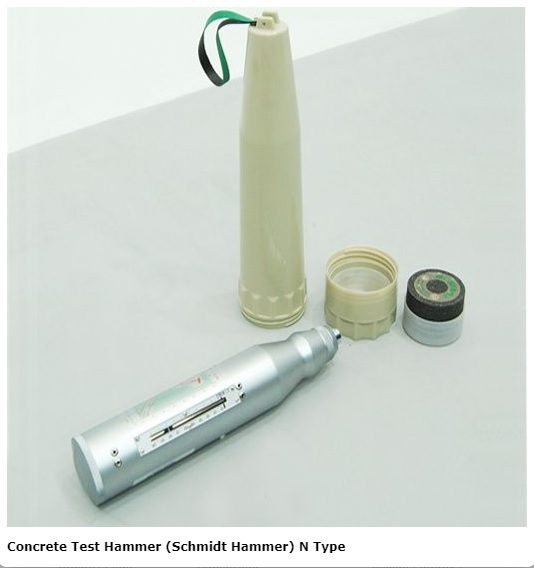
Concrete Test Hammer (Schmidt Hammer) N Type
Price 15000.0 INR / Piece
Minimum Order Quantity : 1 Piece
Power Supply : Not Required (Mechanical)
Usage : Field and laboratory testing of concrete strength
Mounting Type : Handheld
Rapid Chloride Permeability Tester
Price 95000 INR / Piece
Minimum Order Quantity : 1 Piece
Power Supply : Electric
Usage : Laboratory
Mounting Type : Table top mounted
Color : Silver
Poker Vibrator With Vibrating Table
Price 8000 INR / Piece
Minimum Order Quantity : 1 Piece
Power Supply : Electric
Usage : Laboratory
Color : Blue Grey

We are dealing in Coimbatore, Chennai and Tamilnadu.
 Send Inquiry
Our Products
- Concrete Testing Equipment
- Survey Lab Equipment
- Construction Equipment
- Concrete Testing Machine
- Soil Test Machine
- Survey Instrument
- Auto Level
- Cement Testing Machine
- Soil Testing Equipments
- Soil Testing Equipment
- Civil Engineering Lab Equipment
- Total Station
- Soil Test equipments
- Auto Level
- Concrete Highway Engineering lab
- Mechanical Engineering Lab Equipment
- Weighing Scale
- Laboratory Testing Equipment
- Workshop Trolleys
- Compression Testing Machine
- Water Testing Equipment
- Vertical Milling Machine
- Moulding Products
- CNC Machines
- Measuring Ruler
- Cylinder Carrier
- Core Cutting Machine
- Digital Measuring Machine
- Hydraulic Jack
- Drawing Instruments
- Fuel Testing Equipment
- Dynamics Lab Equipment
- Hydraulics and Fluid Mechanics Lab Equipment
- Heat Transfer Lab Equipment
- Scientific Equipment
- Surgical Equipment
- Hot Air Oven
- Impact Testing Machine
- Torsion Testers
- Bernoullis Theorem Apparatus
- Wooden Tripod
- Liquid Mercury
- Vibrating Table
- Material Testing Equipment
- Agriculture Equipment
- Waste Water Analysis

SF No. 189/1B1A, 191/3A1A1E, Sidco Private Industrial Estate, LIC Colony, Kurichi Pudhu Nagar, Kuruchi Housing,Coimbatore - 641021, Tamil Nadu, India

Mr Balamurugan C
(Manager)
Mobile :07313727211
 Send Inquiry
 Send SMS
Developed and Managed by Infocom Network Private Limited.
