
Call us now :07313727211
 Send Inquiry
 Send Inquiry
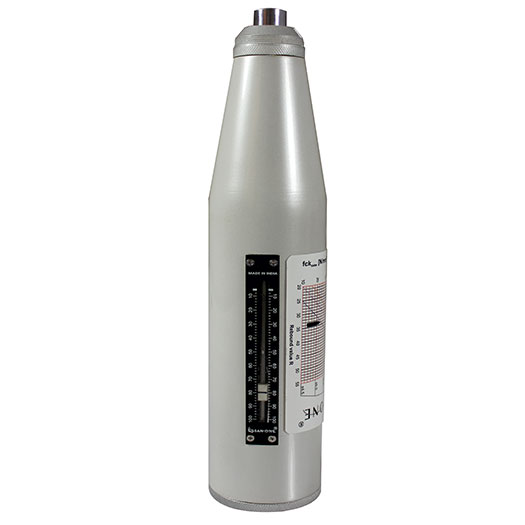
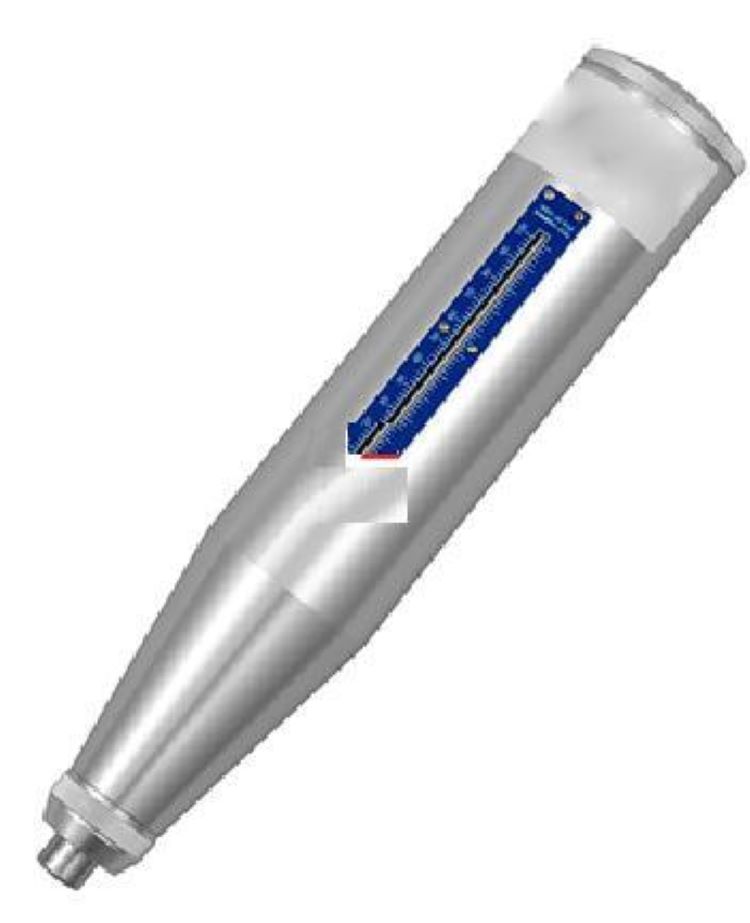
Concrete Test Hammer (Schmidt Hammer) N Type
Price 15000.0 INR/ Piece
MOQ : 1 Piece
Concrete Test Hammer (Schmidt Hammer) N Type Specification
- Automation Grade
- Manual
- Humidity
- 90% RH
- Number of Specimens
- 1 per test
- Temperature
- 0C to +40C Operating Range
- Power Supply
- Not Required (Mechanical)
- Application
- Testing compressive strength of concrete structures
- Test Range
- 10-70 MPa (Compressive Strength)
- Response Time
- Instantaneous/manual read
- Display Type
- Mechanical Analog Scale
- Resolution
- 1 N/mm
- Measuring Range
- 10 to 70 N/mm
- Equipment Type
- Concrete Test Hammer (Schmidt N Type)
- Features
- Portable, Durable, Easy to Use, Direct Reading
- Mounting Type
- Handheld
- Accuracy
- 2 N/mm
- Specimen Size
- Minimum thickness 100 mm
- Usage
- Field and laboratory testing of concrete strength
- Capacity
- Energy 2.207 Nm
- Machine Weight
- 1.0 kg
- Test Speed
- 1.2 - 2.5 m/s (Hammer impact velocity)
- Test Stroke
- 75 mm (Plunger stroke)
- Control Mode
- Manual
- Body Material
- Aluminum Alloy Casing
- Scale Range
- 10 100 (Rebound Value RV)
- Calibration
- Supplied with Calibration Anvil
- Storage Case
- Supplied in robust carry case
- Included Accessories
- Grinding stone, user manual, calibration certificate
- Dimension
- Length 280 mm Diameter 54 mm
- Plunger Diameter
- 15 mm
- Impact Energy
- 2.207 Joules (Nm)
- Surface Requirements
- Test surface should be smooth, clean, and dry
- Conformity
- IS: 516 Part 5, ASTM C805, EN 12504-2
Concrete Test Hammer (Schmidt Hammer) N Type Trade Information
- Minimum Order Quantity
- 1 Piece
- FOB Port
- coimbatore
- Payment Terms
- Cash Advance (CA), Cash in Advance (CID)
- Supply Ability
- 1 Piece Per Day
- Delivery Time
- 1 Days
- Sample Available
- No
- Packaging Details
- cotton box
- Main Export Market(s)
- Asia, Africa
- Main Domestic Market
- West India, North India, East India, Gujarat, Karnataka, Kerala, Andhra Pradesh, Goa, Chhattisgarh, Haryana, Himachal Pradesh, Uttarakhand, Uttar Pradesh, West Bengal, Delhi, All India, South India, Mizoram, Odisha, Assam, Dadra and Nagar Haveli, Andaman and Nicobar Islands, Punjab, Central India, Lakshadweep, Meghalaya, Manipur, Bihar, Chandigarh, Daman and Diu, Jharkhand, Arunachal Pradesh, Jammu and Kashmir, Madhya Pradesh, Maharashtra, Nagaland, Rajasthan, Sikkim, Tamil Nadu, Telangana, Tripura, Pondicherry
About Concrete Test Hammer (Schmidt Hammer) N Type
Specification:
The quality of concrete is mainly judged by its compressive strength directly affecting the loadbearing capacity and durability of concrete structures. ZI 2068 concrete test hammer (Schmidt Hammer N type) is used to measure the compressive strength characteristics of hardened concrete non-destructively, control uniform concrete quality and detect weak spots in the concrete. The test object should have a minimum thickness of 100 mm.
A concrete test hammer (Schmidt hammer) "N type" specification refers to a device with an impact energy of 2.207 Nm (1.63 ft-lbf), designed to estimate the compressive strength of concrete with strengths from approximately 1,450 psi to 10,152 psi (10-70 MPa). Key features include its standardized impact energy, an analog rebound scale, and its suitability for concrete thicknesses of 4 inches (100 mm) or more and a maximum aggregate size of 1.25 inches. It complies with international standards such as ASTM C805 and EN 12504-2.
Key Specifications for Type N:
- Impact Energy: 2.207 Nm (1.63 ft-lbf)
- Concrete Compressive Strength Range: 1,450 psi to 10,152 psi (10 to 70 MPa)
- Minimum Concrete Thickness: 4 inches (100 mm) or more
- Maximum Aggregate Size: 1.25 inches
- Standards: Conforms to international standards like ASTM C805, EN 12504-2, JGJ/T 23, and JIS A 1155.
- Function: Measures the surface hardness (rebound value) of hardened concrete, which is then correlated to its compressive strength.
Reliable Strength Assessment for Concrete
The Schmidt Hammer (N Type) offers a dependable method for evaluating the compressive strength of concrete, ranging from 10 to 70 MPa. Its direct rebound value reading allows engineers and quality inspectors to quickly determine the structural integrity on-site or in the lab. With its robust aluminum casing and mechanical operation, this device ensures consistent, repeatable results every time.
Designed for Field and Laboratory Use
Engineered with portability in mind, the Concrete Test Hammer comes in a durable carry case with a grinding stone, user manual, and calibration certificate. Its compact design (280 mm length, 54 mm diameter, 1.0 kg weight) allows for single-handed operation. No external power supply is required, making it perfect for remote or challenging site conditions.
Easy Calibration and International Standards Compliance
Each unit is supplied with a calibration anvil, ensuring accurate and reliable measurements. The device fully complies with relevant international standards (IS: 516 Part 5, ASTM C805, EN 12504-2), making it suitable for diverse testing requirements and quality protocols in India and worldwide.
FAQ's of Concrete Test Hammer (Schmidt Hammer) N Type:
Q: How does the Concrete Test Hammer (Schmidt N Type) measure compressive strength?
A: The Schmidt Hammer measures compressive strength by impacting the concrete surface with a defined energy (2.207 Joules) and registering the rebound value on its mechanical analog scale. This rebound correlates directly with the material's compressive strength, providing instant measurements between 10 and 70 MPa.Q: What surfaces can be tested using this hammer and how should they be prepared?
A: Surfaces tested must be smooth, clean, and dry. Use the included grinding stone to prepare rough or uneven areas. Clean any dust, oil, or debris to ensure accurate readings and consistent contact with the plunger during testing.Q: When should the calibration of the hammer be performed?
A: Calibration should be verified before first use, after extensive testing, and periodically as recommended in the user manual. The provided calibration anvil allows users to quickly check and adjust the device to maintain measurement accuracy.Q: Where can this test hammer be used?
A: The Concrete Test Hammer is suitable for both field and laboratory testing. Its portability, manual operation, and durable construction make it ideal for use on construction sites, bridges, buildings, and precast concrete elements throughout varied environments in India.Q: What is the testing process for concrete strength using this equipment?
A: First, prepare the test surface, then firmly press the hammer's plunger against the concrete until it releases the impact. Instantly read the rebound value (RV) from the analog scale. Repeat the process at several spots to ensure representative results. It's suitable for single specimens of at least 100 mm thickness.Q: What are the benefits of using the Schmidt N Type Hammer?
A: Key benefits include rapid, non-destructive testing; instant, direct mechanical readings; high portability; compliance with global standards; and suitability for both laboratory and field evaluations without the need for a power supply.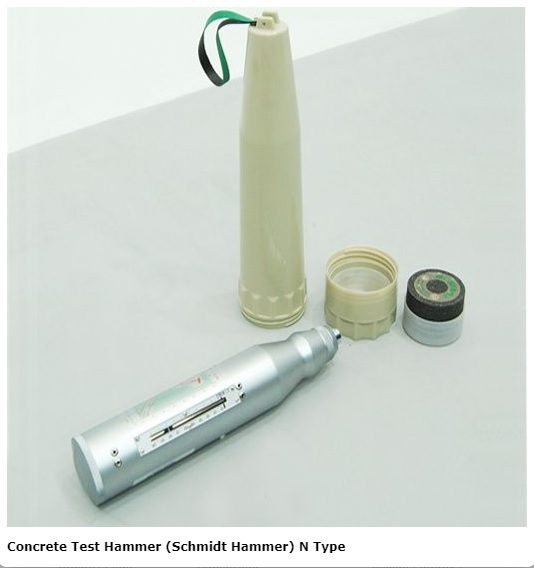
Tell us about your requirement

Price:
Quantity
Select Unit
- 50
- 100
- 200
- 250
- 500
- 1000+
Additional detail
Mobile number
Email

More Products in Concrete Testing Equipment Category
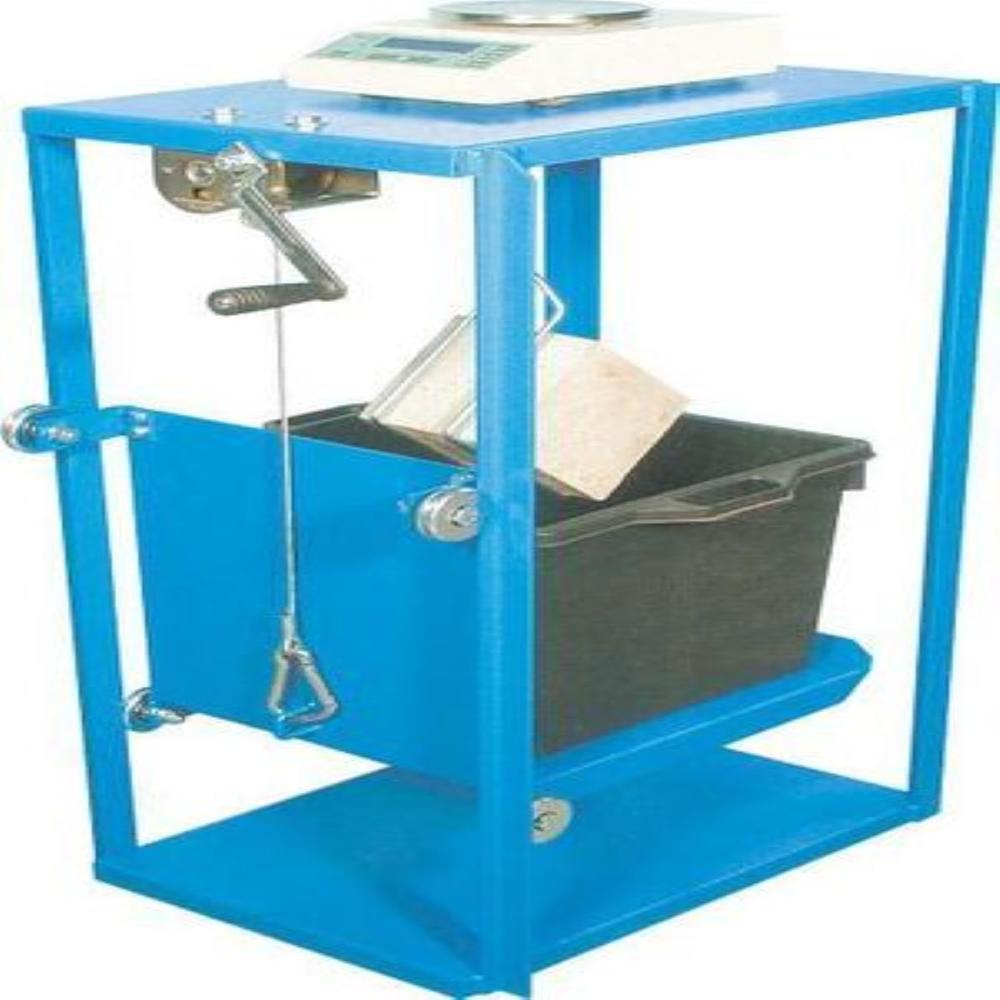
Density Of Fresh And Hardened Concrete
Price 21500.0 INR / Piece
Minimum Order Quantity : 1 Piece
Usage : Laboratory/Construction Site
Mounting Type : Tabletop
Power Supply : Not Required (Manual Operation)
Accuracy : 1% or better
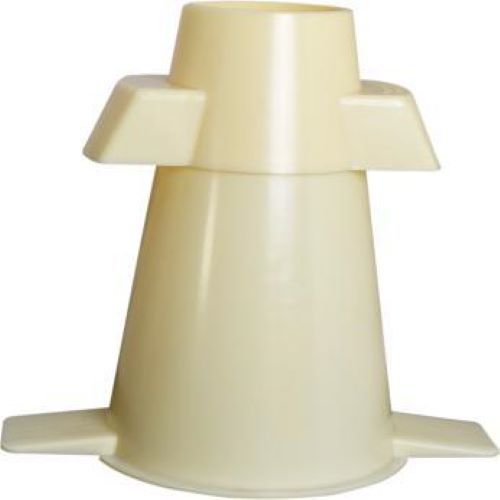
Slump Cone Plastic
Price 1900.0 INR / Piece
Minimum Order Quantity : 1 Piece
Usage : Slump Test for Concrete
Mounting Type : Portable, Free Stand
Power Supply : Not Required (Manual Operation)
Accuracy : 1 mm
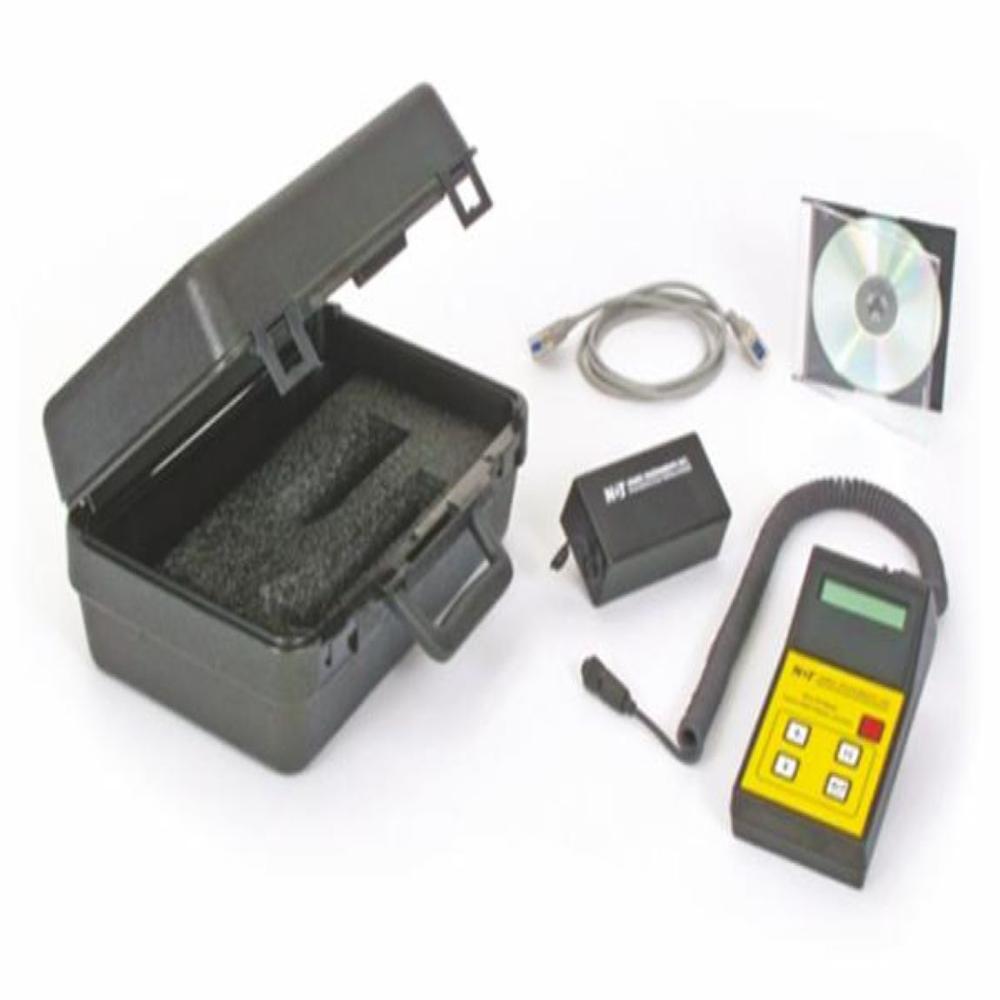
Mini Rebar Locator
Price 40000.0 INR / Piece
Minimum Order Quantity : 1 Piece
Usage : Rebar detection and measurement
Mounting Type : Handheld
Power Supply : 9V Battery
Accuracy : 1mm (cover depth 80mm)
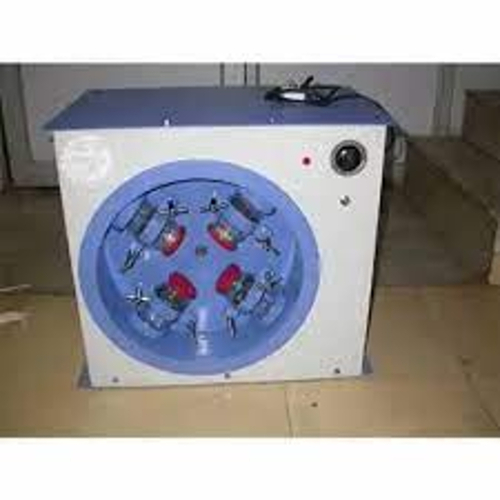
Aggregate Stripping Value Apparatus
Price 10000 INR / Container
Minimum Order Quantity : 1 Number
Usage : Laboratory testing of aggregate stripping value
Mounting Type : Tabletop
Power Supply : Not required (operated manually)
Accuracy : As per IS standards

We are dealing in Coimbatore, Chennai and Tamilnadu.
 Send Inquiry
Our Products
- Concrete Testing Equipment
- Survey Lab Equipment
- Construction Equipment
- Concrete Testing Machine
- Soil Test Machine
- Survey Instrument
- Auto Level
- Cement Testing Machine
- Soil Testing Equipments
- Soil Testing Equipment
- Civil Engineering Lab Equipment
- Total Station
- Soil Test equipments
- Auto Level
- Concrete Highway Engineering lab
- Mechanical Engineering Lab Equipment
- Weighing Scale
- Laboratory Testing Equipment
- Workshop Trolleys
- Compression Testing Machine
- Water Testing Equipment
- Vertical Milling Machine
- Moulding Products
- CNC Machines
- Measuring Ruler
- Cylinder Carrier
- Core Cutting Machine
- Digital Measuring Machine
- Hydraulic Jack
- Drawing Instruments
- Fuel Testing Equipment
- Dynamics Lab Equipment
- Hydraulics and Fluid Mechanics Lab Equipment
- Heat Transfer Lab Equipment
- Scientific Equipment
- Surgical Equipment
- Hot Air Oven
- Impact Testing Machine
- Torsion Testers
- Bernoullis Theorem Apparatus
- Wooden Tripod
- Liquid Mercury
- Vibrating Table
- Material Testing Equipment
- Agriculture Equipment
- Waste Water Analysis

SF No. 189/1B1A, 191/3A1A1E, Sidco Private Industrial Estate, LIC Colony, Kurichi Pudhu Nagar, Kuruchi Housing,Coimbatore - 641021, Tamil Nadu, India

Mr Balamurugan C
(Manager)
Mobile :07313727211
 Send Inquiry
 Send SMS
Developed and Managed by Infocom Network Private Limited.
