
Call us now :07313727211
 Send Inquiry
 Send Inquiry
J-Ring, Narrow Gap
Price 16500.0 INR/ Piece
MOQ : 1 Piece
J-Ring, Narrow Gap Specification
- Application
- Concrete workability & passing ability assessment
- Accuracy
- Depends on operator; conforms to IS standards
- Mounting Type
- Tabletop/portable
- Measuring Range
- Appropriate for fresh concrete flow
- Automation Grade
- Manual
- Temperature
- Ambient (laboratory conditions)
- Features
- Rugged steel rings, narrow gaps, corrosion-resistant
- Resolution
- As per graduated scale or manual measurement
- Number of Specimens
- 1 per test
- Response Time
- Immediate/manual observation
- Interface Type
- Manual
- Equipment Type
- J-Ring Narrow Gap apparatus
- Hardness
- Highmetal construction
- Test Range
- Suitable for slump-flow range tests
- Max Height
- Approx. 100 mm
- Humidity
- Ambient (laboratory conditions)
- Port Size
- Standard J-Ring port
- Specimen Size
- Compatible with concrete slump test samples
- Usage
- Testing concrete passing ability through reinforcement
- Capacity
- Single unit for one test at a time
- Machine Weight
- Approximately 1.5 kg
- Test Speed
- Manual (No motorized speed)
- Test Width
- Narrow gap (J-Ring type)
- Test Stroke
- Not applicable (static test)
- Control Mode
- Manual operation
- Color
- Silver/Grey
- Portable
- Yes, lightweight and easy to transport
- Complies With
- IS: 1199/ASTM 1621
- Material Construction
- Mild steel or stainless steel
- Bar Diameter
- 16 mm approx.
- Cleaning Method
- Easy to clean, removable components
- Gap Width
- 40 mm (between bars, narrow gap configuration)
- Surface Finish
- Smooth, anti-rust coating
- Number of Bars
- 16 to 18 bars
- Ring Diameter (Inner/Outer)
- Inner 150 mm, outer 190 mm approx.
J-Ring, Narrow Gap Trade Information
- Minimum Order Quantity
- 1 Piece
- FOB Port
- coimbatore
- Payment Terms
- Cash Advance (CA), Cash in Advance (CID)
- Supply Ability
- 1 Piece Per Day
- Delivery Time
- 1 Days
- Sample Available
- No
- Packaging Details
- cotton box
- Main Export Market(s)
- Asia, Africa
- Main Domestic Market
- Delhi, Sikkim, Tamil Nadu, Madhya Pradesh, Central India, Chhattisgarh, Haryana, Himachal Pradesh, Jammu and Kashmir, West Bengal, Uttarakhand, All India, West India, North India, East India, Gujarat, Karnataka, Kerala, Lakshadweep, Mizoram, Meghalaya, Manipur, Andhra Pradesh, Bihar, Chandigarh, Daman and Diu, Goa, Jharkhand, Odisha, Punjab, Assam, Dadra and Nagar Haveli, South India, Andaman and Nicobar Islands, Arunachal Pradesh, Maharashtra, Nagaland, Rajasthan, Telangana, Tripura, Pondicherry, Uttar Pradesh
About J-Ring, Narrow Gap
Specification:
The J-Ring test is used for determining the passing ability, the flow spread and the flow time of self compacting concrete as the concrete flows through the JRing apparatus. The J-Ring narrow gap with 18 mm x 16 smooth bars is manufactured from stainless steel.
The Slump Cone is made from sheet steel protected against corrosion, with diameters; top 100 mm, base 200 mm and with a height of 300 mm. The Base plate is 900x900x3 mm square, made of stainless steel with engraved circles of 200 mm and 500 mm diameter conforming to EN 12350- 8.
The Steel weighted collar is used to stabilize the slump cone on J-Ring or slump flow tests.
Minimum apparatus for the J-Ring test are J-Ring with narrow gap and slump cone.
ZI 2009 : J-Ring, narrow gap
ZI 2002 : Slump cone for J-Ring
ZI 2009-A : Base plate for J-Ring and slump-flow tests
ZI 2009-B : Steel weighted collar, 9 kg
ZI 2009-C : EN 12350-8 for slump cone on J-Ring or slump flow test
Optimal Assessment for Concrete Workability
Designed in accordance with IS: 1199 and ASTM 1621 standards, the J-Ring Narrow Gap Apparatus provides engineers and quality control professionals with accurate evaluation of fresh concrete's passing ability. Its narrow 40 mm gap between 16 to 18 rugged bars simulates rebar congestion, ensuring results reflect real-world conditions. The steel construction, protected from corrosion and easy to clean, ensures reliability across numerous tests.
User-Friendly and Portable Design
The equipment is engineered for convenience, with a weight of just 1.5 kg and removable components that facilitate effortless handling, cleaning, and setup. Its compact tabletop design allows for quick deployment both in laboratory settings and at construction sites, supporting efficient and repeatable testing of one specimen at a time.
FAQ's of J-Ring, Narrow Gap:
Q: How is the J-Ring Narrow Gap apparatus used in concrete testing?
A: This apparatus is placed on a plate, and fresh concrete is poured using a standard slump cone inside the ring. After lifting the cone, the apparatus assesses the ability of concrete to flow through the narrow gaps between bars, simulating its passing ability through reinforcement.Q: What are the benefits of using a J-Ring Narrow Gap apparatus?
A: It helps determine the workability and passing ability of self-compacting or high-flow concrete mixtures, ensuring structures with dense reinforcement maintain concrete quality during placement.Q: When should the J-Ring Narrow Gap apparatus be employed?
A: Use this equipment during quality control tests in laboratories or on-site whenever the concrete mix is required to pass through tight reinforcements, especially for highly reinforced structural elements.Q: Where can the J-Ring Narrow Gap apparatus be used?
A: It is suitable for laboratory settings and construction sites, particularly where standards like IS: 1199 or ASTM 1621 are followed for concrete slump-flow testing.Q: What is the cleaning and maintenance process for this apparatus?
A: With its removable and smooth, anti-rust components, cleaning is straightforward. Simply disassemble and wipe down all parts after each use to maintain accuracy and prolong equipment life.Q: How does this apparatus aid in improving concrete quality?
A: By identifying concrete mixtures that may struggle to pass through narrow rebar spacing, it allows adjustments to mix design and onsite procedures, enhancing construction quality and durability.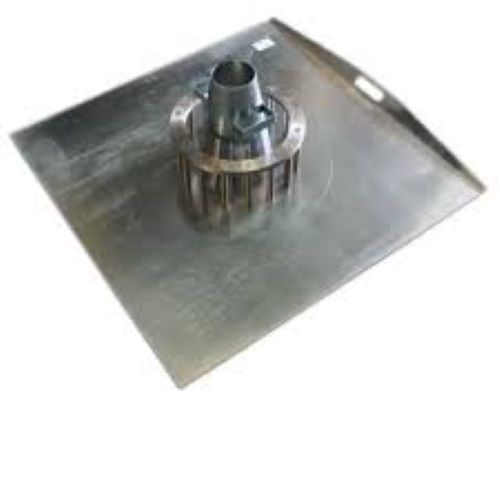
Tell us about your requirement

Price:
Quantity
Select Unit
- 50
- 100
- 200
- 250
- 500
- 1000+
Additional detail
Mobile number
Email

More Products in Concrete Testing Equipment Category
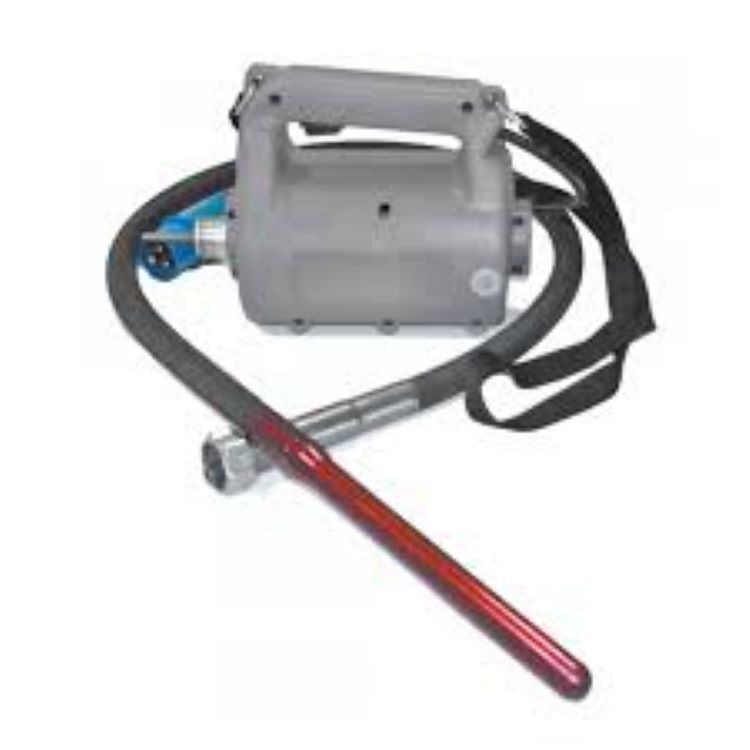
Poker Vibrator (With Vibrating Table
Price 5999.0 INR / Piece
Minimum Order Quantity : 1 Piece
Power Supply : 220 V AC, 50 Hz
Usage : Industrial, Laboratory testing
Display Type : Analog/Digital (As per model)
Automation Grade : SemiAutomatic
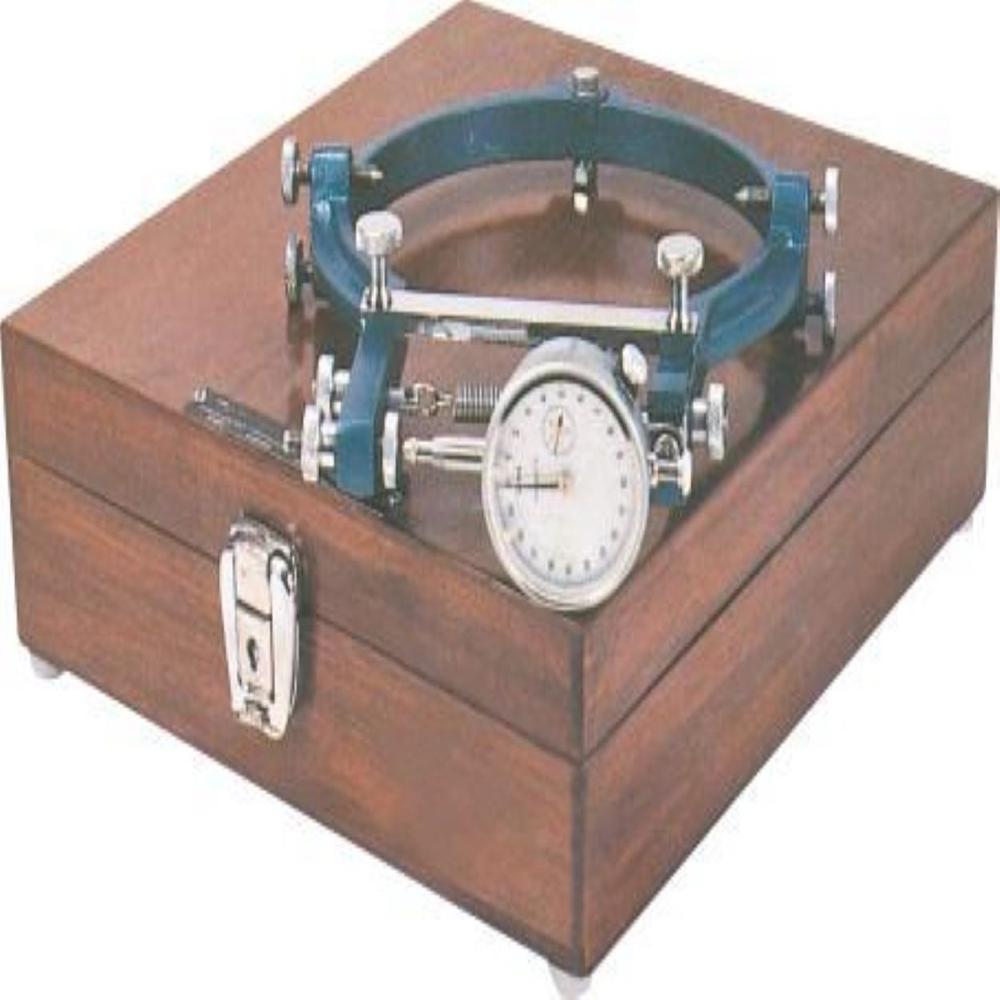
Lateral Extensometer
Price 15000.0 INR / Piece
Minimum Order Quantity : 1 Piece
Power Supply : Not required (mechanical)
Usage : Laboratory/Material testing
Display Type : Dial Gauge
Automation Grade : Manual
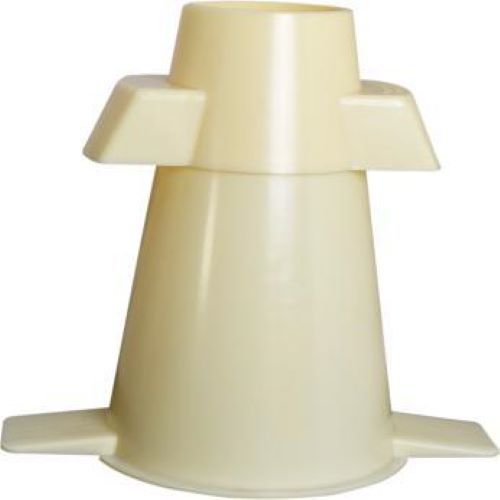
Slump Cone Plastic
Price 1900.0 INR / Piece
Minimum Order Quantity : 1 Piece
Power Supply : Not Required (Manual Operation)
Usage : Slump Test for Concrete
Display Type : Visual (No Digital Display)
Automation Grade : Manual
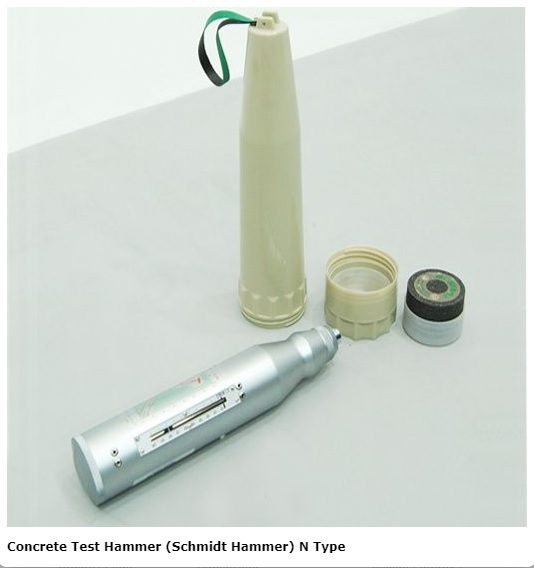
Concrete Test Hammer (Schmidt Hammer) N Type
Price 15000.0 INR / Piece
Minimum Order Quantity : 1 Piece
Power Supply : Not Required (Mechanical)
Usage : Field and laboratory testing of concrete strength
Display Type : Mechanical Analog Scale
Automation Grade : Manual

We are dealing in Coimbatore, Chennai and Tamilnadu.
 Send Inquiry
Our Products
- Concrete Testing Equipment
- Survey Lab Equipment
- Construction Equipment
- Concrete Testing Machine
- Soil Test Machine
- Survey Instrument
- Auto Level
- Cement Testing Machine
- Soil Testing Equipments
- Soil Testing Equipment
- Civil Engineering Lab Equipment
- Total Station
- Soil Test equipments
- Auto Level
- Concrete Highway Engineering lab
- Mechanical Engineering Lab Equipment
- Weighing Scale
- Laboratory Testing Equipment
- Workshop Trolleys
- Compression Testing Machine
- Water Testing Equipment
- Vertical Milling Machine
- Moulding Products
- CNC Machines
- Measuring Ruler
- Cylinder Carrier
- Core Cutting Machine
- Digital Measuring Machine
- Hydraulic Jack
- Drawing Instruments
- Fuel Testing Equipment
- Dynamics Lab Equipment
- Hydraulics and Fluid Mechanics Lab Equipment
- Heat Transfer Lab Equipment
- Scientific Equipment
- Surgical Equipment
- Hot Air Oven
- Impact Testing Machine
- Torsion Testers
- Bernoullis Theorem Apparatus
- Wooden Tripod
- Liquid Mercury
- Vibrating Table
- Material Testing Equipment
- Agriculture Equipment
- Waste Water Analysis

SF No. 189/1B1A, 191/3A1A1E, Sidco Private Industrial Estate, LIC Colony, Kurichi Pudhu Nagar, Kuruchi Housing,Coimbatore - 641021, Tamil Nadu, India

Mr Balamurugan C
(Manager)
Mobile :07313727211
 Send Inquiry
 Send SMS
Developed and Managed by Infocom Network Private Limited.
