
Call us now :07313727211
 Send Inquiry
 Send Inquiry
Lateral Extensometer
Price 15000.0 INR/ Piece
MOQ : 1 Piece
Lateral Extensometer Specification
- Max Height
- Sample-dependent
- Test Range
- Up to 6 mm (lateral extension)
- Temperature
- 10°C to 40°C
- Specimen Size
- Standard cylindrical (38 mm or as per IS/BIS Spec.)
- Application
- Measurement of lateral strain in compression/tension tests
- Equipment Type
- Lateral Extensometer
- Number of Specimens
- One at a time
- Measuring Range
- 0 to 6 mm (lateral displacement)
- Accuracy
- ±0.01 mm
- Automation Grade
- Manual
- Response Time
- Instantaneous
- Power Supply
- Not required (mechanical)
- Mounting Type
- Mechanical clamp-on
- Humidity
- Up to 90% RH (non-condensing)
- Features
- Simple design, robust construction, portable
- Display Type
- Dial Gauge
- Interface Type
- Mechanical/Dial
- Resolution
- 0.01 mm
- Usage
- Laboratory/Material testing
- Capacity
- Lateral strain up to 6 mm
- Machine Weight
- Approx. 2.5 kg
- Test Speed
- Manual (depends on testing machine)
- Test Width
- Sample-specific
- Test Stroke
- Up to 10 mm
- Control Mode
- Manual
- Gauge Diameter
- Typically 50-60 mm
- Clamp Material
- Cast Iron/Steel
- Compliance
- Conforms to IS: 1528/ASTM D2166
- Frame Material
- Mild Steel with chrome finish
- Contact Points
- Hardened Steel
- Gauge Type
- Dial Indicator
- Corrosion Resistance
- Yes, protective coated
- Packaging Type
- Carrying case included
Lateral Extensometer Trade Information
- Minimum Order Quantity
- 1 Piece
- FOB Port
- coimbatore
- Payment Terms
- Cash Advance (CA), Cash in Advance (CID)
- Supply Ability
- 1 Piece Per Day
- Delivery Time
- 1 Days
- Sample Available
- No
- Packaging Details
- cotton box
- Main Export Market(s)
- Asia, Africa
- Main Domestic Market
- North India, Kerala, Lakshadweep, Mizoram, Meghalaya, Andhra Pradesh, Chandigarh, Daman and Diu, Odisha, Punjab, Maharashtra, Rajasthan, Sikkim, Tamil Nadu, Pondicherry, Uttar Pradesh, Uttarakhand, Central India, West India, Madhya Pradesh, All India, South India, East India, Gujarat, Karnataka, Manipur, Bihar, Goa, Arunachal Pradesh, Chhattisgarh, Haryana, Himachal Pradesh, Jammu and Kashmir, Jharkhand, Assam, Delhi, Dadra and Nagar Haveli, Andaman and Nicobar Islands, Nagaland, Telangana, Tripura, West Bengal
About Lateral Extensometer
Specification:
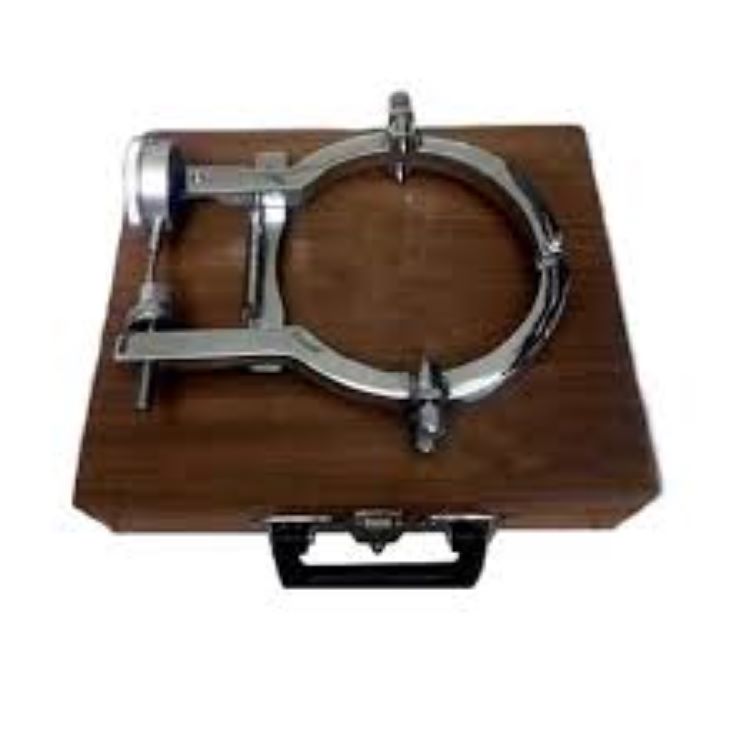
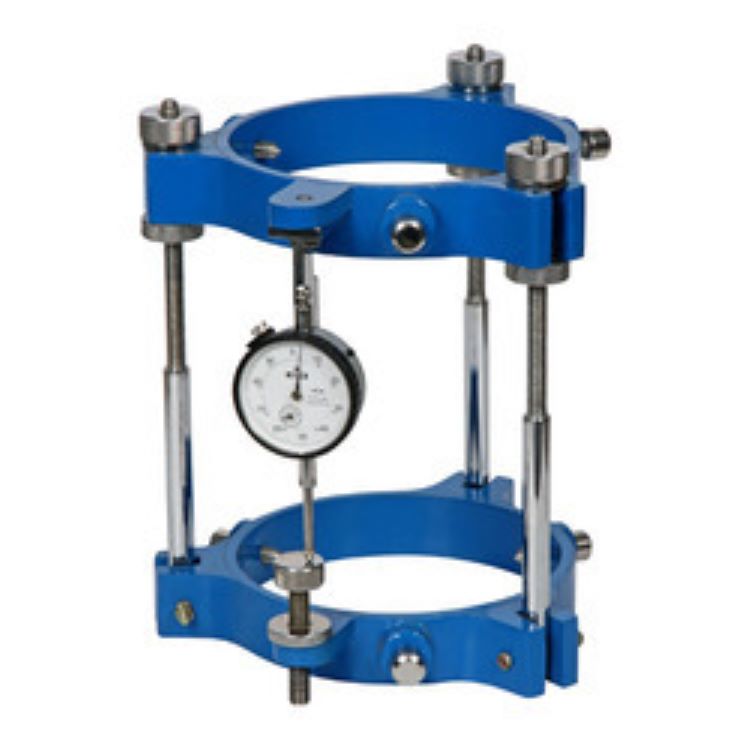
The unit consists of two movable frames pivoted at one end. The extensometer is fixed to the specimen with the help of tightening screws. The lateral extension is indicated on a dial gauge of 0.002 mm x 5 mm is mounted on the upper ring and the tip of the dial gauge rests on an anvil. The zero on the dial gauge can be set by adjusting the anvil screw. Supplied in a wooden carrying case.
Engineered for Precision and Durability
Constructed from mild steel with a protective chrome finish, this lateral extensometer combines durability with high precision. Hardened steel contact points and cast iron clamps ensure reliable performance and extended service life, even in demanding laboratory conditions. Its maintenance-free, mechanical design and resistance to corrosion make it an excellent investment for consistent, long-term use.
Efficient Manual Operation and Compatibility
Designed for manual operation, this gauge works seamlessly with a variety of compression testing machines. No external power supply is required, enabling accurate, immediate readouts via a clear dial display. The device accommodates standard cylindrical specimen sizes as per IS/BIS specifications and is portable for easy transport between testing stations.
FAQ's of Lateral Extensometer:
Q: How does the Lateral Extensometer measure lateral strain?
A: The Lateral Extensometer is mechanically clamped onto a standard cylindrical specimen. As the specimen undergoes compression or tension testing, the dial indicator immediately registers the lateral displacement, allowing for precise observation of strain up to 6 mm with an accuracy of 0.01 mm.Q: What types of samples can be tested with this device?
A: This extensometer is designed to measure standard cylindrical specimens, such as those with a 38 mm diameter or other sizes specified by IS/BIS standards. It is suitable for use in various laboratory and material testing scenarios.Q: When is it appropriate to use a lateral extensometer?
A: A lateral extensometer should be used during compression or tension tests when it is necessary to assess the deformation characteristics of materials, specifically their lateral strain. It is ideal for laboratory settings conforming to IS: 1528 or ASTM D2166 requirements.Q: Where can this extensometer be used safely?
A: The device is suitable for laboratory environments with temperatures from 10C to 40C and humidity levels up to 90% RH (non-condensing). Its chrome-coated, corrosion-resistant construction enhances durability in such environments.Q: What is the benefit of its mechanical dial gauge and manual operation?
A: The mechanical dial gauge ensures instantaneous, high-resolution readings without reliance on a power source. Manual operation increases reliability and simplifies maintenance, making it especially valuable in diverse or resource-limited laboratory settings.Q: How is the extensometer mounted and used during testing?
A: It is mounted onto the specimen using mechanical clamps with hardened steel contact points. The instrument is then manually positioned and adjusted, after which the dial gauge tracks lateral strain as the sample is subjected to testing in a compatible compression machine.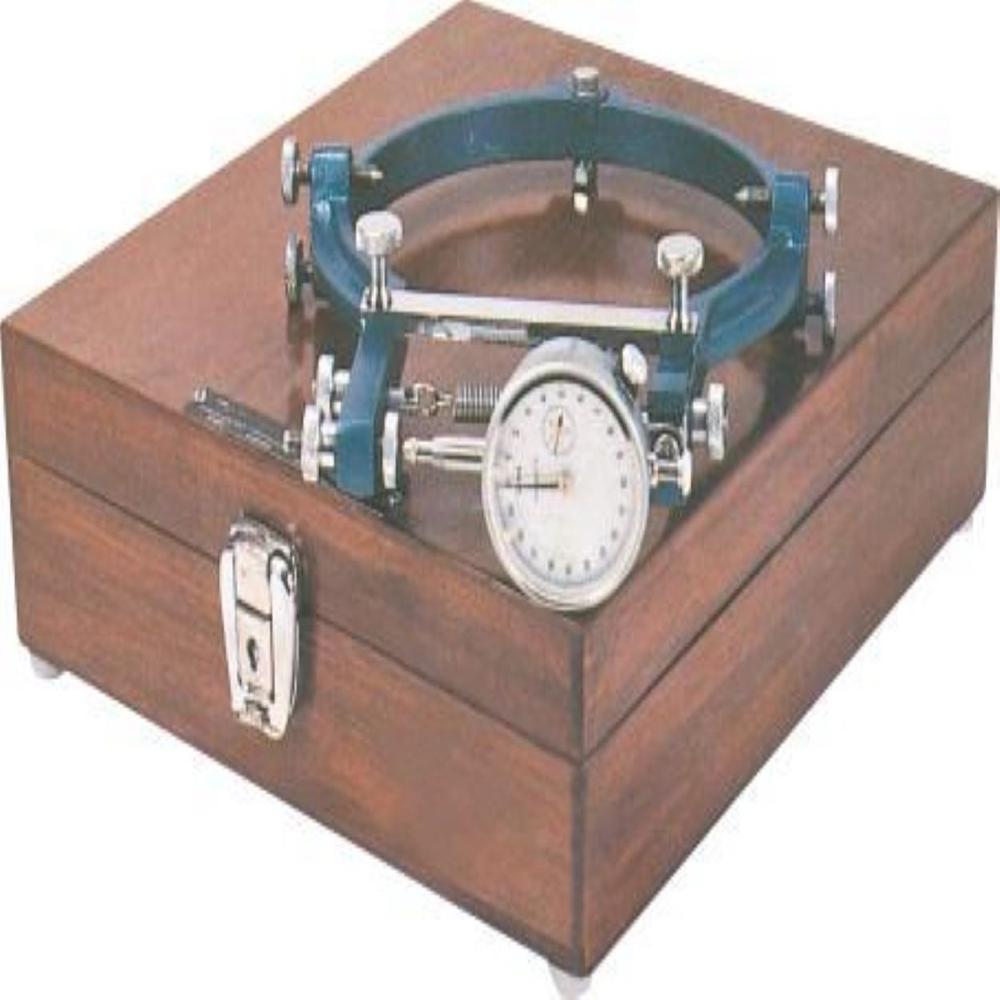
Tell us about your requirement

Price:
Quantity
Select Unit
- 50
- 100
- 200
- 250
- 500
- 1000+
Additional detail
Mobile number
Email

More Products in Concrete Testing Equipment Category
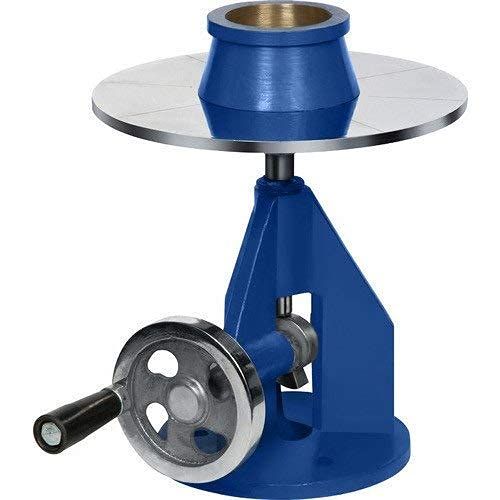
Concrete Flow Table Test Set
Price 6500.0 INR / Piece
Minimum Order Quantity : 1 Piece
Usage : Laboratory and field test for concrete workability
Response Time : Instantaneous (on drop)
Automation Grade : Manual
Accuracy : 2 mm
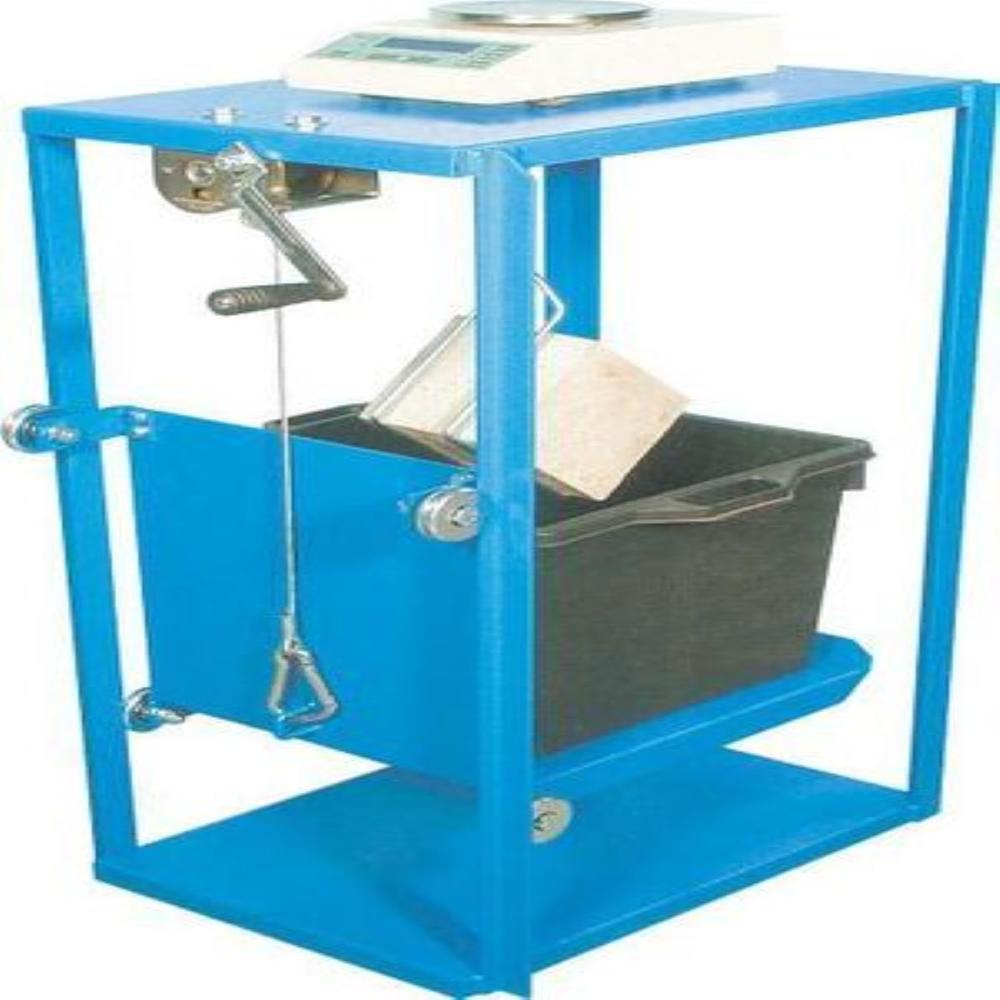
Density Of Fresh And Hardened Concrete
Price 21500.0 INR / Piece
Minimum Order Quantity : 1 Piece
Usage : Laboratory/Construction Site
Response Time : Immediate, manual
Automation Grade : Manual
Accuracy : 1% or better
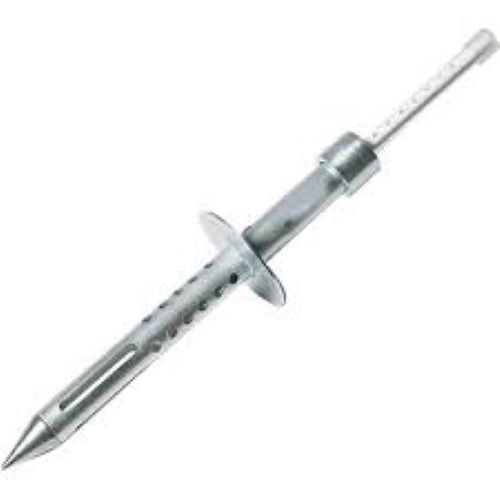
K-Slump Tester
Price 2500.0 INR / Piece
Minimum Order Quantity : 1 Piece
Usage : Measure workability (slump) of fresh concrete
Response Time : Less than 1 minute
Automation Grade : Manual
Accuracy : 5 mm
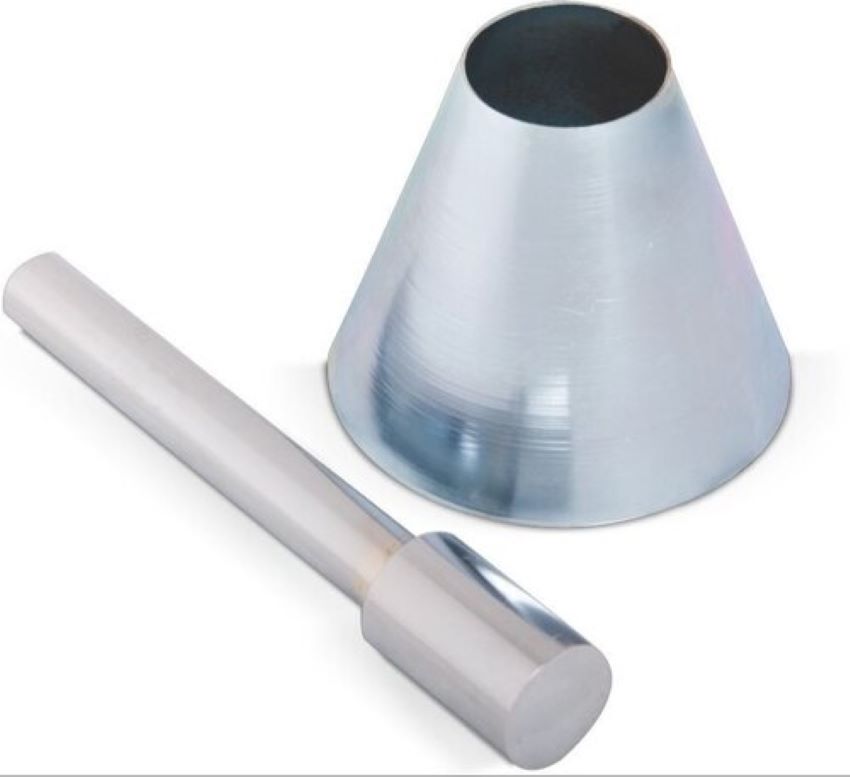
Sand Absorption Cone And Tamper
Price 3000.0 INR / Piece
Minimum Order Quantity : 1 Piece
Usage : Laboratory Testing of Aggregates
Response Time : Immediate/Manual
Automation Grade : Manual
Accuracy : Conforms to Testing Standards

We are dealing in Coimbatore, Chennai and Tamilnadu.
 Send Inquiry
Our Products
- Concrete Testing Equipment
- Survey Lab Equipment
- Construction Equipment
- Concrete Testing Machine
- Soil Test Machine
- Survey Instrument
- Auto Level
- Cement Testing Machine
- Soil Testing Equipments
- Soil Testing Equipment
- Civil Engineering Lab Equipment
- Total Station
- Soil Test equipments
- Auto Level
- Concrete Highway Engineering lab
- Mechanical Engineering Lab Equipment
- Weighing Scale
- Laboratory Testing Equipment
- Workshop Trolleys
- Compression Testing Machine
- Water Testing Equipment
- Vertical Milling Machine
- Moulding Products
- CNC Machines
- Measuring Ruler
- Cylinder Carrier
- Core Cutting Machine
- Digital Measuring Machine
- Hydraulic Jack
- Drawing Instruments
- Fuel Testing Equipment
- Dynamics Lab Equipment
- Hydraulics and Fluid Mechanics Lab Equipment
- Heat Transfer Lab Equipment
- Scientific Equipment
- Surgical Equipment
- Hot Air Oven
- Impact Testing Machine
- Torsion Testers
- Bernoullis Theorem Apparatus
- Wooden Tripod
- Liquid Mercury
- Vibrating Table
- Material Testing Equipment
- Agriculture Equipment
- Waste Water Analysis

SF No. 189/1B1A, 191/3A1A1E, Sidco Private Industrial Estate, LIC Colony, Kurichi Pudhu Nagar, Kuruchi Housing,Coimbatore - 641021, Tamil Nadu, India

Mr Balamurugan C
(Manager)
Mobile :07313727211
 Send Inquiry
 Send SMS
Developed and Managed by Infocom Network Private Limited.
