
Call us now :07313727211
 Send Inquiry
 Send Inquiry
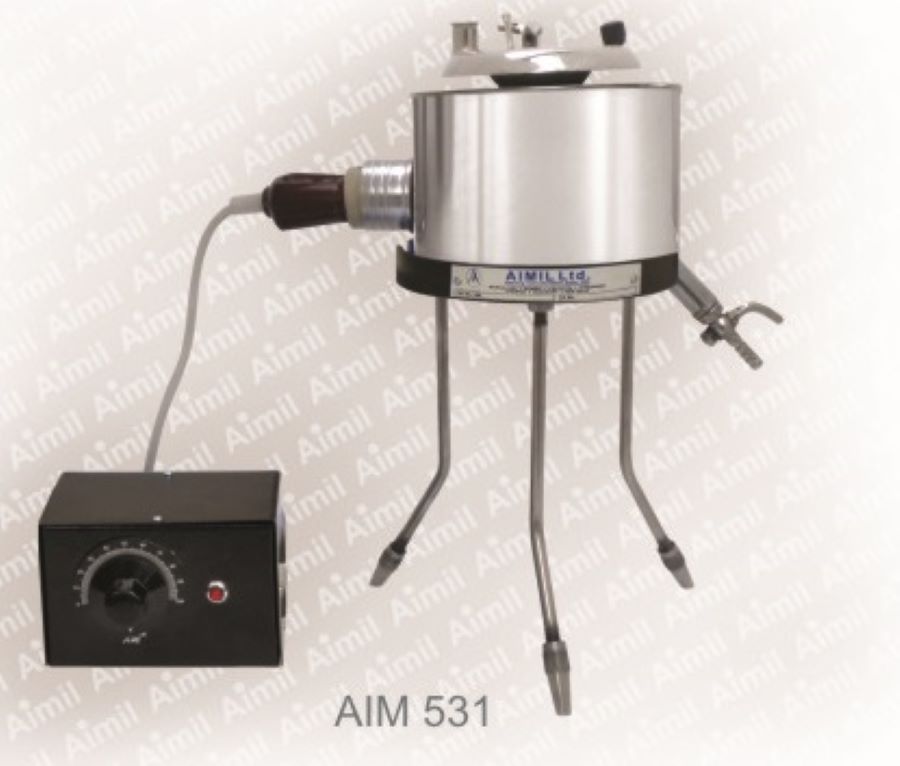
Standard Tar Viscometer
Price 15000.0 INR/ Sets
MOQ : 1 Piece
Standard Tar Viscometer Specification
- Port Size
- 10 mm (Brass Jet) & 4 mm
- Temperature
- Range: Ambient to 60C (measured by Mercury in Glass Thermometer)
- Features
- Sturdy construction, corrosion resistant, easy operation, removable cup and jet, spirit level provided
- Application
- Viscosity testing of Tar, Bitumen and Road Oils
- Mounting Type
- Benchtop
- Max Height
- ---
- Humidity
- Relative, up to 90 % non-condensing
- Response Time
- Instantaneous with manual stopwatch
- Power Supply
- 230 V AC, 50 Hz, Single Phase
- Specimen Size
- Standard Tar Sample (as per IS:1206)
- Frequency
- 50 Hz
- Resolution
- 1 second
- Number of Specimens
- Single specimen (per test)
- Accuracy
- 1 second
- Interface Type
- ---
- Equipment Type
- Standard Tar Viscometer
- Display Type
- Manual stopwatch (supplied)
- Automation Grade
- Manual
- Measuring Range
- 0600 seconds (outflow time)
- Test Range
- 0600 seconds
- Hardness
- ---
- Operating Voltage
- 230 V AC
- Usage
- Laboratory test for tar viscometry
- Capacity
- 500 ml (Sample Cup)
- Machine Weight
- Approx. 20 Kg
- Test Speed
- Manual
- Test Width
- ---
- Test Stroke
- ---
- Control Mode
- Manual
- Packaging
- Complete unit with standard accessories in export worthy packing
- Stirring System
- Manual / Mechanical (as per model specification)
- Material of Cup and Jet
- Brass
- Compliance Standard
- IS: 1206, ASTM D490
- Accessories Included
- 10 mm Cup, 4 mm Cup, mercury thermometer, ball valve, stand, measuring cylinder, stopwatch
- Heating System
- Immersion Heater with Energy Regulator
- Dimensions
- Approx. 400 mm x 250 mm x 450 mm
- Water Bath Material
- Heavy gauge copper
Standard Tar Viscometer Trade Information
- Minimum Order Quantity
- 1 Piece
- FOB Port
- COIMBATORE
- Payment Terms
- Cash Advance (CA), Cash in Advance (CID)
- Supply Ability
- 1 Piece Per Day
- Delivery Time
- 1 Days
- Sample Available
- Yes
- Packaging Details
- COTTON BOX
- Main Export Market(s)
- Asia, Africa
- Main Domestic Market
- Kerala, Lakshadweep, Mizoram, Meghalaya, Manipur, Andhra Pradesh, Bihar, Chandigarh, Daman and Diu, Goa, Jharkhand, Tamil Nadu, Telangana, Tripura, Pondicherry, All India, South India, Central India, West India, North India, East India, Gujarat, Karnataka, Odisha, Punjab, Assam, Delhi, Dadra and Nagar Haveli, Uttar Pradesh, Uttarakhand, West Bengal, Andaman and Nicobar Islands, Arunachal Pradesh, Chhattisgarh, Haryana, Himachal Pradesh, Jammu and Kashmir, Madhya Pradesh, Maharashtra, Nagaland, Rajasthan, Sikkim
About Standard Tar Viscometer
Specification:
For determining the viscosity of cut back bitumen and road oil. The viscometer consists of a chrome plated copper bath, with a drain valve and a central tube to receive the test cup and to position the stirrer, and is mounted on a stand with levelling feet. Stirrer has a curved shield and is provided with an insulated handle, thermometer socket and swivel support for the valve.
Precision-Built for Viscosity Testing
Engineered with a brass cup and jet along with a heavy gauge copper water bath, the Standard Tar Viscometer is corrosion-resistant and unitized for sustained accuracy. Its standalone design and spirit level ensure stability and repeatable results, while removable components simplify cleaning and maintenance.
Comprehensive Accessories and Compliance
Supplied with 10 mm and 4 mm cups, a mercury thermometer, ball valve, stand, stopwatch, and measuring cylinder, this viscometer kit is complete for immediate use. It fully complies with IS: 1206 and ASTM D490, guaranteeing reliable results that meet industry benchmarks for tar, bitumen, and road oil testing.
FAQ's of Standard Tar Viscometer:
Q: How is the Standard Tar Viscometer used in laboratory settings?
A: The viscometer is used to determine the viscosity of tar, bitumen, and road oils by measuring outflow time of the sample through a brass jet under controlled temperature conditions. The process involves maintaining the sample at a set temperature with the immersion heater, then timing the flow with the supplied manual stopwatch.Q: What are the main components and materials of this viscometer?
A: The apparatus features a brass cup and jet for sample containment and flow, a heavy gauge copper water bath for temperature stability, an immersion heater with energy regulator, and includes cups, thermometer, valve, measuring cylinder, stand, and stopwatch as accessories.Q: When should I use the manual versus mechanical stirring system?
A: The choice between manual and mechanical stirring depends on model specification and laboratory preference. Manual stirring is suitable for basic requirements, while mechanical stirring provides enhanced consistency for routine or high-precision testing.Q: Where can the Standard Tar Viscometer be installed and used?
A: This instrument is designed for benchtop mounting and is suitable for laboratory environments where tar, bitumen, or road oil viscosity analysis is required. It is widely used by manufacturers, exporters, and quality control labs across India.Q: What is the typical process for conducting a viscosity test with this device?
A: First, place the tar sample in the brass cup and heat to the desired temperature using the immersion heater. Align the spirit level, stir as necessary, open the jet, and time the flow into the measuring cylinder using the manual stopwatch. The outflow time determines the viscosity.Q: What are the benefits of using this viscometer for tar analysis?
A: Benefits include reliable accuracy (1 second), robust construction for durability, ease of maintenance due to removable parts, full compliance with industry standards, and a comprehensive accessory kit for seamless testing. Its simple operation makes it ideal for routine as well as critical laboratory assessments.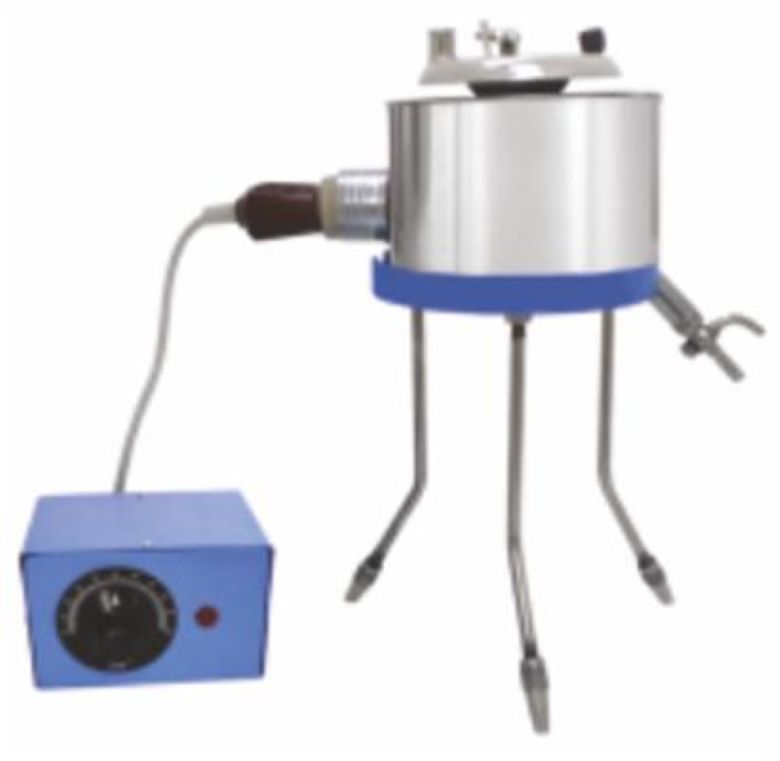
Tell us about your requirement

Price:
Quantity
Select Unit
- 50
- 100
- 200
- 250
- 500
- 1000+
Additional detail
Mobile number
Email

More Products in Concrete Highway Engineering lab Category
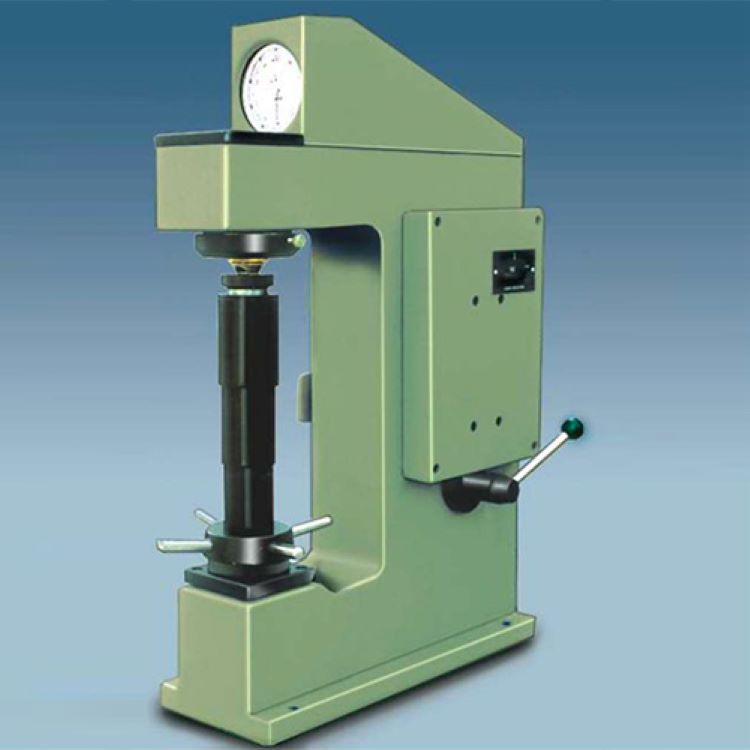
Rockwell Hardness Tester
Price 100000.0 INR / Piece
Minimum Order Quantity : 1 Piece
Usage : Hardness testing of metals and alloys
Response Time : Immediate (manual operation)
Max Height : 230 mm (specimen)
Capacity : Max load 150 kgf
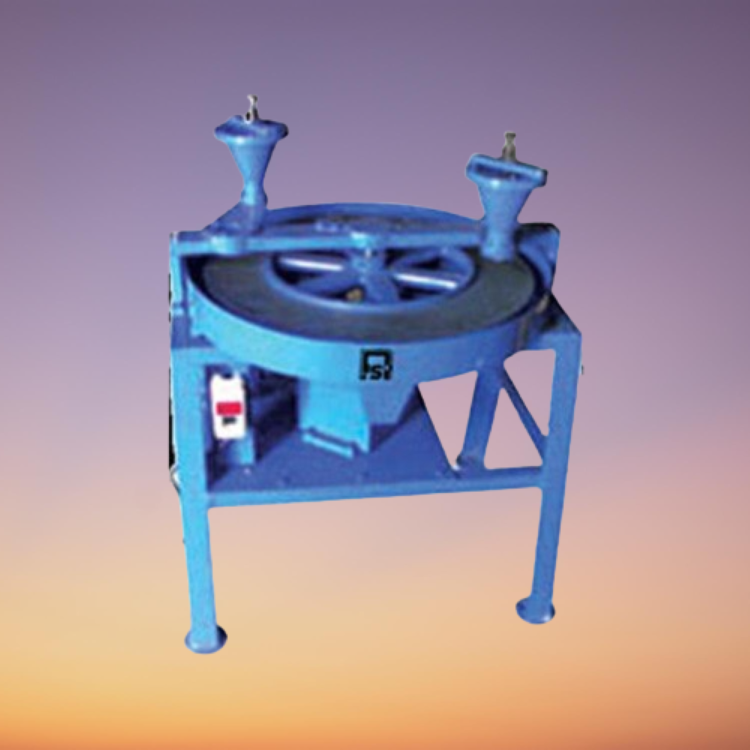
Dorry Abrasion Testing Machine
Price 45000.0 INR / Piece
Minimum Order Quantity : 1 Piece
Usage : Testing the abrasion resistance of aggregates
Response Time : Instantaneous
Max Height : ~30 cm
Capacity : Up to 4 test cycles
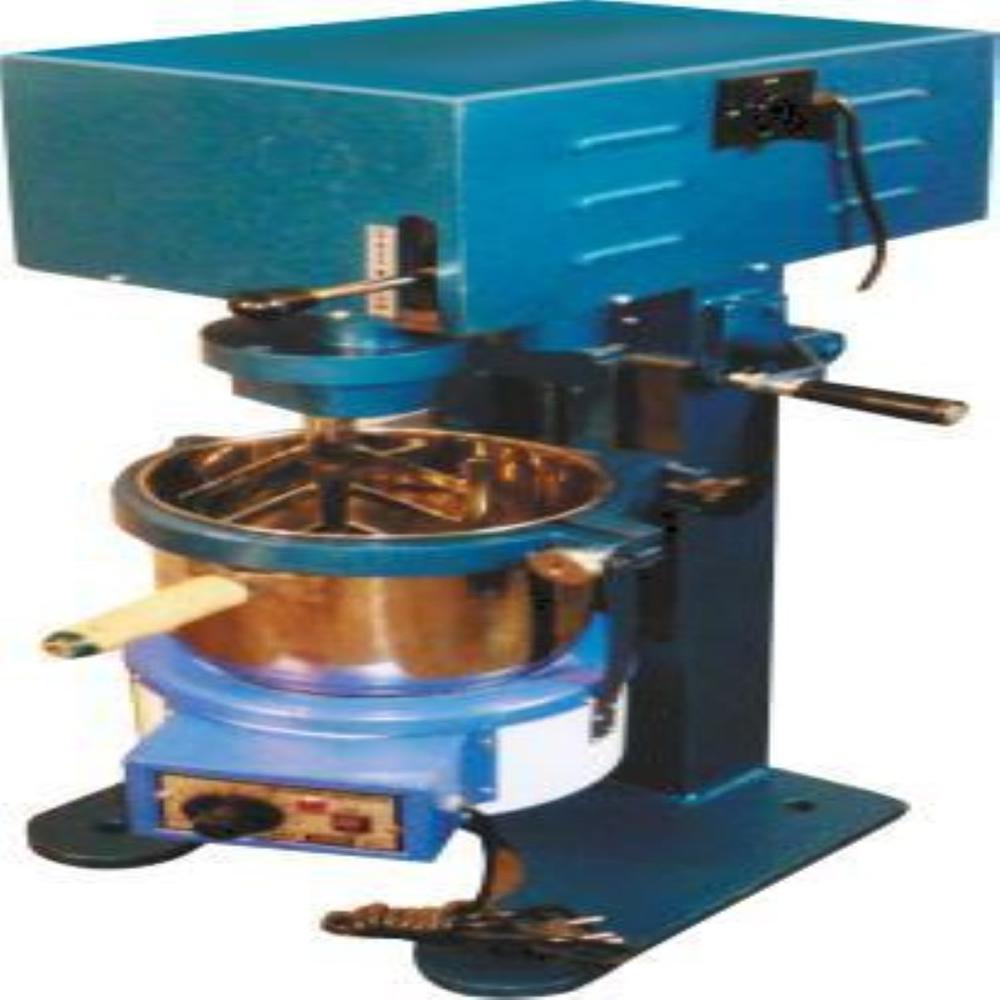
Mixer With Heating Jacket
Price 50000.0 INR / Piece
Minimum Order Quantity : 1 Piece
Usage : Industrial & Laboratory mixing with heating
Response Time : Immediate (mixing), < 30 sec (heating jacket)
Max Height : 1000 mm
Capacity : 5 to 50 Liters
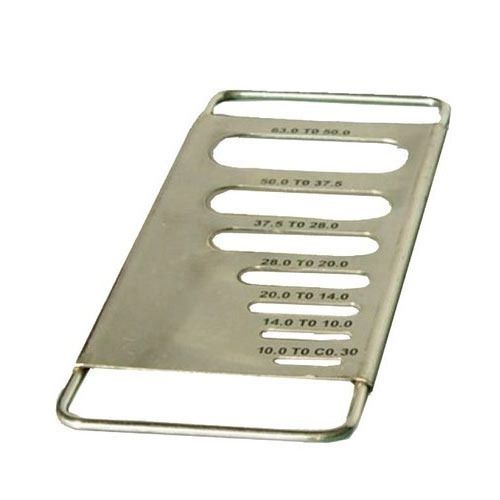
Flakiness Sieve Set
Price 1000.0 INR / Unit
Minimum Order Quantity : 1 Piece
Usage : Laboratory, Field Testing of Aggregates
Response Time : Instantaneous (Manual Sorting)
Max Height : Approx. 50 mm (Slot Height)
Capacity : Suitable for Standard Sieve Loads

We are dealing in Coimbatore, Chennai and Tamilnadu.
 Send Inquiry
Our Products
- Concrete Testing Equipment
- Survey Lab Equipment
- Construction Equipment
- Concrete Testing Machine
- Soil Test Machine
- Survey Instrument
- Auto Level
- Cement Testing Machine
- Soil Testing Equipments
- Soil Testing Equipment
- Civil Engineering Lab Equipment
- Total Station
- Soil Test equipments
- Auto Level
- Concrete Highway Engineering lab
- Mechanical Engineering Lab Equipment
- Weighing Scale
- Laboratory Testing Equipment
- Workshop Trolleys
- Compression Testing Machine
- Water Testing Equipment
- Vertical Milling Machine
- Moulding Products
- CNC Machines
- Measuring Ruler
- Cylinder Carrier
- Core Cutting Machine
- Digital Measuring Machine
- Hydraulic Jack
- Drawing Instruments
- Fuel Testing Equipment
- Dynamics Lab Equipment
- Hydraulics and Fluid Mechanics Lab Equipment
- Heat Transfer Lab Equipment
- Scientific Equipment
- Surgical Equipment
- Hot Air Oven
- Impact Testing Machine
- Torsion Testers
- Bernoullis Theorem Apparatus
- Wooden Tripod
- Liquid Mercury
- Vibrating Table
- Material Testing Equipment
- Agriculture Equipment
- Waste Water Analysis

SF No. 189/1B1A, 191/3A1A1E, Sidco Private Industrial Estate, LIC Colony, Kurichi Pudhu Nagar, Kuruchi Housing,Coimbatore - 641021, Tamil Nadu, India

Mr Balamurugan C
(Manager)
Mobile :07313727211
 Send Inquiry
 Send SMS
Developed and Managed by Infocom Network Private Limited.
