
Call us now :07313727211
 Send Inquiry
 Send Inquiry
Flakiness Sieve Set
Price 1000.0 INR/ Unit
MOQ : 1 Piece
Flakiness Sieve Set Specification
- Resolution
- Slots Precisely Machined
- Response Time
- Instantaneous (Manual Sorting)
- Humidity
- Ambient
- Number of Specimens
- Multiple Aggregates per Test
- Temperature
- Ambient
- Hardness
- High-quality Steel Construction (Approx. 60 HRC)
- Test Range
- 6.3mm to 50mm (Aperture Range)
- Accuracy
- Compliant to IS Specification
- Automation Grade
- Manual
- Measuring Range
- 6.3mm to 50mm Slot Sizes
- Features
- Rugged, Long-lasting, Corrosion Resistant, Stackable Trays
- Specimen Size
- Aggregate Coarse Particles (As per IS: 2386 Part I)
- Application
- Determining Flakiness Index of Aggregates
- Mounting Type
- Portable/Tabletop
- Equipment Type
- Aggregate Testing Sieve Set
- Max Height
- Approx. 50 mm (Slot Height)
- Usage
- Laboratory, Field Testing of Aggregates
- Capacity
- Suitable for Standard Sieve Loads
- Machine Weight
- Approx. 6 kg (Set Weight)
- Test Speed
- Manual Operation
- Control Mode
- Manual
- Finish
- Polished/Coated for Corrosion Resistance
- Accessories
- Includes Carrying Case/Box (if supplied)
- Cleaning Method
- Washable, Easy-to-Clean
- Slot Thickness
- Precision Cut as per Standards
- Dimensions
- Customized as per Supplier
- Included Sieves
- 7 Sieve Slots (50mm, 40mm, 31.5mm, 25mm, 20mm, 16mm, 12.5mm, 10mm, 6.3mm)
- Material
- Stainless Steel/Brass Slots on Steel Frame
Flakiness Sieve Set Trade Information
- Minimum Order Quantity
- 1 Piece
- FOB Port
- coimbatore
- Payment Terms
- Cash Advance (CA), Cash in Advance (CID)
- Supply Ability
- 1 Piece Per Day
- Delivery Time
- 1 Days
- Sample Available
- No
- Packaging Details
- cotton box
- Main Export Market(s)
- Asia, Africa
- Main Domestic Market
- Manipur, Goa, Jharkhand, Odisha, Punjab, Dadra and Nagar Haveli, Haryana, Himachal Pradesh, Jammu and Kashmir, All India, South India, Central India, West India, North India, East India, Gujarat, Karnataka, Kerala, Lakshadweep, Mizoram, Meghalaya, Andhra Pradesh, Bihar, Chandigarh, Daman and Diu, Assam, Delhi, Andaman and Nicobar Islands, Arunachal Pradesh, Chhattisgarh, Madhya Pradesh, Maharashtra, Nagaland, Rajasthan, Sikkim, Tamil Nadu, Telangana, Tripura, Pondicherry, Uttar Pradesh, Uttarakhand, West Bengal
About Flakiness Sieve Set
Specification:
BS 812-105.1
Aggregate particles are considered as flaky when their thickness is less than 0.6 of their mean sieve size. Aggregate to be classified is separated into seven sieve fractions from 6.3 to 63 mm and each fraction is examined separately. The dimensions of each sieve comply with the relevant international standard, manufactured from heavy gauge steel sheet and coated with electrostatic paint.
The accuracy of the slot size is better than 0.1 mm.
Flakiness index sieve set consists of 7 sieves.
For sample preparations 6.3, 10, 14, 20, 28, 37.5, 50 and 63 mm aperture sizes test sieves should be ordered seperately.
| Slot Size (WxL) | Weight (approx.) | Dimensions | |
| ZI 5004-A | 4.9x30 mm | 1.5 Kg | 300x220x80 mm |
| ZI 5004-B | 7.2x40 mm | 1.6 Kg | 320x240x80 mm |
| ZI 5004-C | 10.2x50 mm | 1.9 Kg | 300x220x80 mm |
| ZI 5004-D | 14.4x60 mm | 2.0 Kg | 360x260x80 mm |
| ZI 5004-E | 19.7x80 mm | 2.2 Kg | 390x280x80 mm |
| ZI 5004-F | 26.3x90 mm | 2.6 Kg | 420x300x80 mm |
| ZI 5004-G | 33.9x100 mm | 2.9 Kg | 470x320x80 mm |
Engineered for Reliable Performance
Each Flakiness Sieve Set features precisely machined slots and a high-quality steel construction (approx. 60 HRC hardness) that ensures long-lasting usage in demanding laboratory or field conditions. The polished or coated finish resists corrosion for sustained accuracy and physique, allowing repeated use without compromising measurement integrity. Stackable trays and a portable design deliver easy handling and storage.
Wide Test Range and Compliance
The sieve slots cover a standardized aperture range (6.3mm to 50mm), making the set suitable for determining the flakiness index of aggregate specimens in line with IS: 2386 Part I specifications. The resolution and accuracy of the slots facilitate instant manual sorting and reliable test outcomes, whether in a laboratory or onsite aggregate assessment.
Ease of Use and Maintenance
Manual operation allows effortless control and sorting during the testing process. Aggregates can be quickly washed and the slots cleaned due to the set's washable construction. Accessories such as a carrying case add further convenience for transportation, making this equipment a favorite for manufacturers, suppliers, and testing professionals.
FAQ's of Flakiness Sieve Set:
Q: How do I use the Flakiness Sieve Set to determine the flakiness index of aggregates?
A: To determine the flakiness index, aggregate coarse particles are manually sorted through the seven precision sieve slots, each sized as per IS: 2386 Part I standards. Count and weigh particles retained and passing through each slot to evaluate the percentage of flaky aggregates.Q: What materials are used in the construction of the Flakiness Sieve Set and why?
A: The sieve slots are made from stainless steel or brass and mounted on a sturdy steel frame. This combination imparts high strength, durability, and corrosion resistance, essential for accuracy and longevity in aggregate testing applications.Q: When should I use this equipment and in what environments is it suitable?
A: The Flakiness Sieve Set is ideal for use whenever you need to assess the quality of coarse aggregates in construction, sampling, or research. Its robust design allows for both laboratory and field testing under ambient temperature and humidity conditions.Q: Where can I purchase or source the Flakiness Sieve Set in India?
A: This testing equipment is available through specialized dealers, distributors, exporters, manufacturers, suppliers, and retailers across India. You can contact these networked providers for purchases, customization, or technical support.Q: What is the process for cleaning and maintaining the sieve set?
A: The set is designed to be washable and easy to clean. After each test, simply remove aggregate residues and clean the slots using water or appropriate cleaning agents. Regular maintenance ensures precise slot measurements and extends the equipment's life.Q: What are the main benefits of using a Flakiness Sieve Set for aggregate testing?
A: Key benefits include compliance with IS specifications, robust and corrosion-resistant construction, precise and reliable results, portability, and suitability for repeated laboratory and onsite testing. Its modular design also simplifies handling and storage.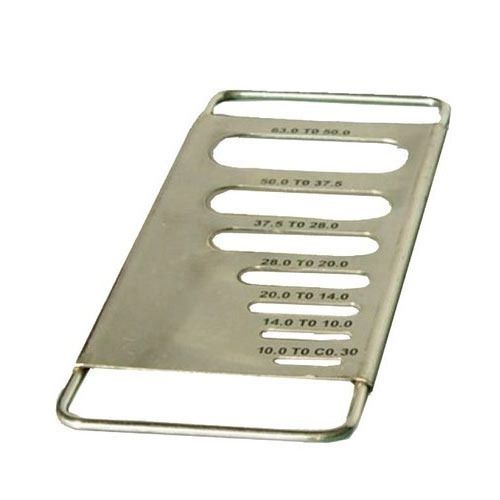
Tell us about your requirement

Price:
Quantity
Select Unit
- 50
- 100
- 200
- 250
- 500
- 1000+
Additional detail
Mobile number
Email

More Products in Concrete Highway Engineering lab Category
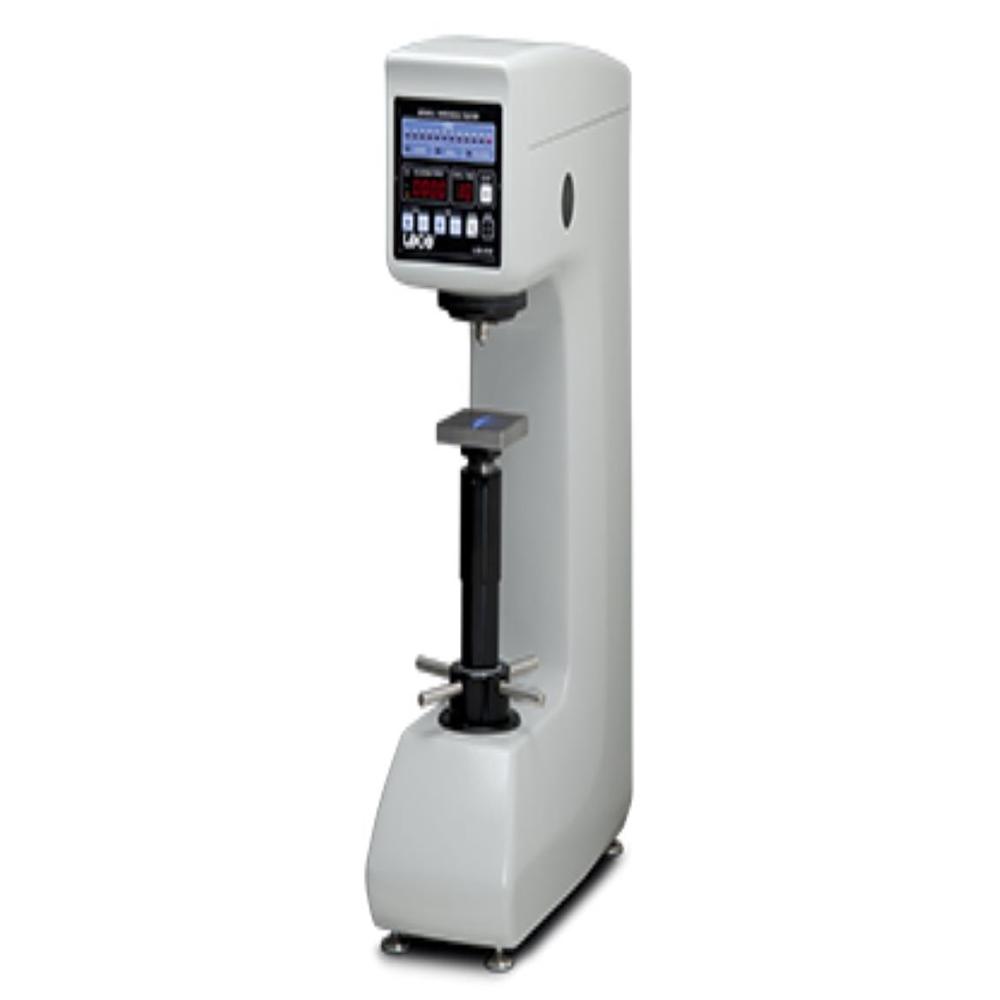
Brinell Hardness Tester
Price 150000.0 INR / Piece
Minimum Order Quantity : 1 Piece
Application : Hardness testing of metals and alloys
Specimen Size : Max up to 220 mm height
Usage : Laboratory, workshop
Features : Sturdy body, calibrated, easy load selection
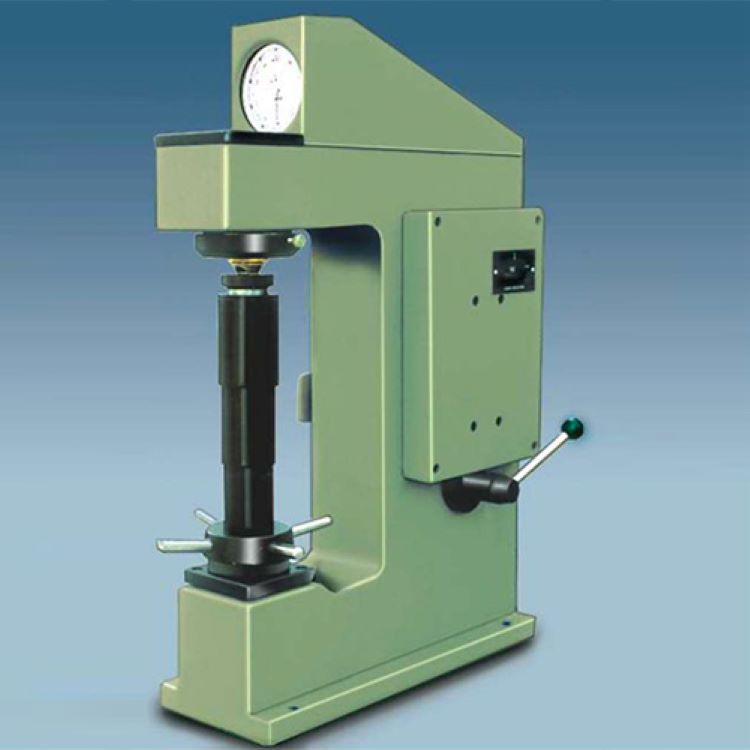
Rockwell Hardness Tester
Price 100000.0 INR / Piece
Minimum Order Quantity : 1 Piece
Application : Metallurgical, engineering, quality control
Specimen Size : Max. height 230 mm, depth 135 mm
Usage : Hardness testing of metals and alloys
Features : High accuracy, robust body, rapid testing
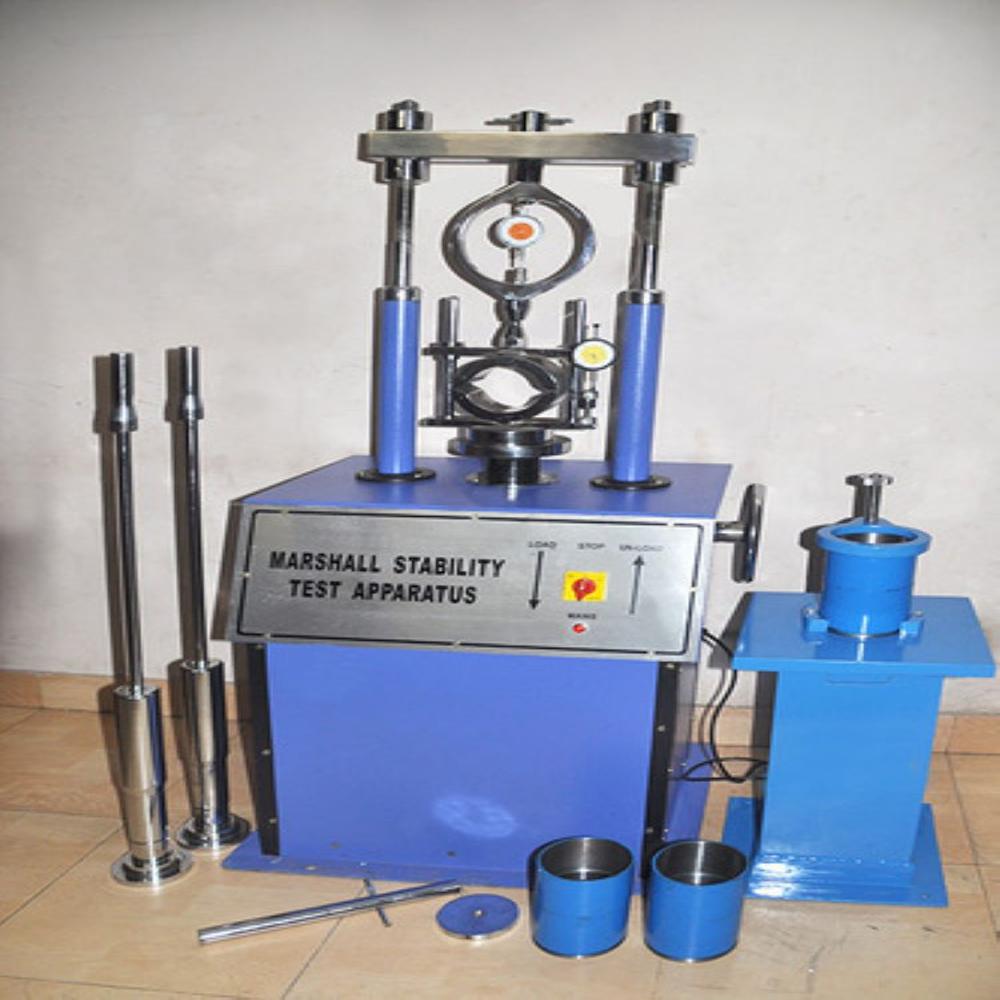
Automatic Marshall Stability Test Machine
Price 100000.0 INR
Minimum Order Quantity : 1 Piece
Application : Bituminous Mixture Testing; Pavement Evaluation
Specimen Size : 101.6 mm diameter x 63.5 mm height (Standard)
Usage : Laboratory/Research
Features : Automatic Data Acquisition, Peak Value Hold, Compact Design, Safety features, Microprocessor Controlled

Core Cutting Grinding Machine
Price 100000.0 INR / Piece
Minimum Order Quantity : 1 Piece
Application : Preparing concrete, stone, and rock cores for testing
Specimen Size : Cores up to 150 mm length
Usage : Laboratory use for sample preparation
Features : Heavy duty motor, Stainless steel tray, Adjustable vice, Water feed system

We are dealing in Coimbatore, Chennai and Tamilnadu.
 Send Inquiry
Our Products
- Concrete Testing Equipment
- Survey Lab Equipment
- Construction Equipment
- Concrete Testing Machine
- Soil Test Machine
- Survey Instrument
- Auto Level
- Cement Testing Machine
- Soil Testing Equipments
- Soil Testing Equipment
- Civil Engineering Lab Equipment
- Total Station
- Soil Test equipments
- Auto Level
- Concrete Highway Engineering lab
- Mechanical Engineering Lab Equipment
- Weighing Scale
- Laboratory Testing Equipment
- Workshop Trolleys
- Compression Testing Machine
- Water Testing Equipment
- Vertical Milling Machine
- Moulding Products
- CNC Machines
- Measuring Ruler
- Cylinder Carrier
- Core Cutting Machine
- Digital Measuring Machine
- Hydraulic Jack
- Drawing Instruments
- Fuel Testing Equipment
- Dynamics Lab Equipment
- Hydraulics and Fluid Mechanics Lab Equipment
- Heat Transfer Lab Equipment
- Scientific Equipment
- Surgical Equipment
- Hot Air Oven
- Impact Testing Machine
- Torsion Testers
- Bernoullis Theorem Apparatus
- Wooden Tripod
- Liquid Mercury
- Vibrating Table
- Material Testing Equipment
- Agriculture Equipment
- Waste Water Analysis

SF No. 189/1B1A, 191/3A1A1E, Sidco Private Industrial Estate, LIC Colony, Kurichi Pudhu Nagar, Kuruchi Housing,Coimbatore - 641021, Tamil Nadu, India

Mr Balamurugan C
(Manager)
Mobile :07313727211
 Send Inquiry
 Send SMS
Developed and Managed by Infocom Network Private Limited.
