
Call us now :07313727211
 Send Inquiry
 Send Inquiry
Specific Gravity and Water Absorption of Aggregates
Price 35000.0 INR/ Piece
MOQ : 1 Piece
Specific Gravity and Water Absorption of Aggregates Specification
- Gas Pressure
- Ambient
- Display Type
- Analogue (Graduated Flask/Pycnometer)
- Test Range
- 2.0-3.0 (Specific Gravity)
- Measuring Range
- Specific Gravity: 2.0-3.0; Water Absorption: 05%
- Temperature
- 10C to 40C
- Humidity
- Up to 95% RH
- Response Time
- Instant (Manual Measurement)
- Interface Type
- Manual/Mechanical
- Equipment Type
- Specific Gravity & Water Absorption Testing Kit
- Automation Grade
- Manual
- Port Size
- Standard
- Max Height
- 200 mm (Pycnometer + Stand)
- Resolution
- 0.001
- Application
- Determination of Specific Gravity and Water Absorption of Aggregates
- Number of Specimens
- 1 per test
- Power Supply
- Not required (Manual Operation)
- Specimen Size
- 10 mm to 40 mm aggregates
- Features
- Corrosion Resistant, Sturdy Build, Easy to Clean
- Mounting Type
- Table Top/Laboratory Bench
- Accuracy
- 0.01
- Usage
- Aggregate Testing for Civil Construction
- Capacity
- 1 litre (Pycnometer Capacity)
- Machine Weight
- 8 kg (approx.)
- Test Speed
- Manual
- Test Width
- 150 mm
- Test Stroke
- 120 mm
- Control Mode
- Manual
- Shelf Life
- N/A, Durable Instrument
- IS Standard Compliance
- IS 2386 (Part III) 1963
- Cleaning Method
- Washable, Chemical Resistant
- Sample Preparation
- Requires Oven Drying Facility (oven not included)
- Calibration
- Annual Calibration Recommended
- Recommended Sample Quantity
- About 1 kg aggregate per test
- Pycnometer Material
- Borosilicate Glass or Polycarbonate
- Included Accessories
- Pycnometer/Jar, Weighing Balance (if supplied), Measuring Beaker
Specific Gravity and Water Absorption of Aggregates Trade Information
- Minimum Order Quantity
- 1 Piece
- FOB Port
- COIMBATORE
- Payment Terms
- Cash Advance (CA), Cash in Advance (CID)
- Supply Ability
- 1 Piece Per Day
- Delivery Time
- 1 Days
- Sample Available
- No
- Packaging Details
- COTTONBOX
- Main Export Market(s)
- Asia, Africa
- Main Domestic Market
- All India, South India, Central India, West India, North India, Karnataka, East India, Gujarat, Kerala, Andaman and Nicobar Islands, Lakshadweep, Mizoram, Meghalaya, Manipur, Andhra Pradesh, Bihar, Chandigarh, Daman and Diu, Goa, Jharkhand, Odisha, Punjab, Assam, Delhi, Dadra and Nagar Haveli, Haryana, Arunachal Pradesh, Chhattisgarh, Himachal Pradesh, Jammu and Kashmir, Madhya Pradesh, Maharashtra, Nagaland, Rajasthan, Sikkim, Tamil Nadu, Telangana, Tripura, Pondicherry, Uttar Pradesh, Uttarakhand, West Bengal
About Specific Gravity and Water Absorption of Aggregates
Specification:
Specific Gravity Frame is used in conjunction with a suitable electronic balance for specific gravity determination of fresh and hardened concrete and aggregates. The buoyancy balance system consists of a rigid support frame, incorporating a water tank mounted on a platform. A mechanical lifting device is used to raise the water tank through the frame height immersing the specimen suspended below the balance. The balance supplied may also be used as a standard weighing device, thus providing a versatile and comprehensive weighing system in the laboratory
Specification:
The outfit comprises of
- Electronic balance, capacity 15 kg. Least Count 0.5 gram, provision is made in this balance to suspend density basket under material pan. This balance is mounted on an angle iron frame stand. 1 No
- Density basket 200 mm diameter x 200 mm height 3.35 mm. 1 No
- GI Tray of area not less than 450 cm sq. 1 no.
- Absorbent cloths 75cm x 45cm. 2 Nos.
Technical Specifications of Specific Gravity Frame:
Dimensions: 600 x 500 x 1100 mm
Weigth (approx.): 25 kg
Precision Testing for Civil Aggregates
Improve your aggregate quality control with our robust Specific Gravity & Water Absorption Testing Kit, crafted to deliver reliable results according to Indian Standard IS 2386 (Part III) 1963. Suitable for laboratories and field tests, this kit ensures precise determination with easy manual operation and maintenance.
Sturdy, Chemical-Resistant Construction
Made from high-quality borosilicate glass or polycarbonate, the pycnometer is resistant to most chemicals and designed for frequent use. Cleaning is straightforward, ensuring long-term durability and continued accuracy in aggregate testing applications.
FAQ's of Specific Gravity and Water Absorption of Aggregates:
Q: How does the Specific Gravity & Water Absorption Testing Kit operate?
A: The kit operates manually, using a pycnometer to measure aggregate specific gravity and water absorption. The aggregate sample is oven-dried and weighed, then tested in the pycnometer according to IS 2386 (Part III) 1963 procedures. No power or automated controls are required.Q: What accessories are included with the kit?
A: The kit includes a pycnometer jar (borosilicate glass or polycarbonate), a measuring beaker, and, where specified, a weighing balance. Note that an oven for drying samples is required but not included.Q: When should the instrument be calibrated?
A: Annual calibration is recommended for reliable results. Calibration ensures continued accuracy and compliance with testing standards for aggregate analysis.Q: Where can this kit be used in aggregate testing?
A: Ideal for civil construction labs, testing agencies, and educational institutions in India, the kit is designed for table-top or laboratory bench mounting and does not require a power supply, making it versatile for various settings.Q: What is the recommended sample quantity and specimen size for each test?
A: Each test should be conducted with approximately 1 kg of aggregate, with specimen sizes ranging from 10 mm to 40 mm, ensuring representative results for both specific gravity and water absorption measurements.Q: What benefits does this testing kit offer for aggregate analysis?
A: This kit offers high accuracy (0.01), instant manual measurement, easy cleaning, corrosion resistance, and robust build quality. Compliance with IS standards ensures trustworthy results and enhanced confidence in construction material selection.Q: What is the cleaning method for the pycnometer and accessories?
A: All components are washable and resistant to most chemicals. After testing, they can be cleaned with appropriate laboratory detergent and rinsed thoroughly, maintaining long-term usability and accuracy.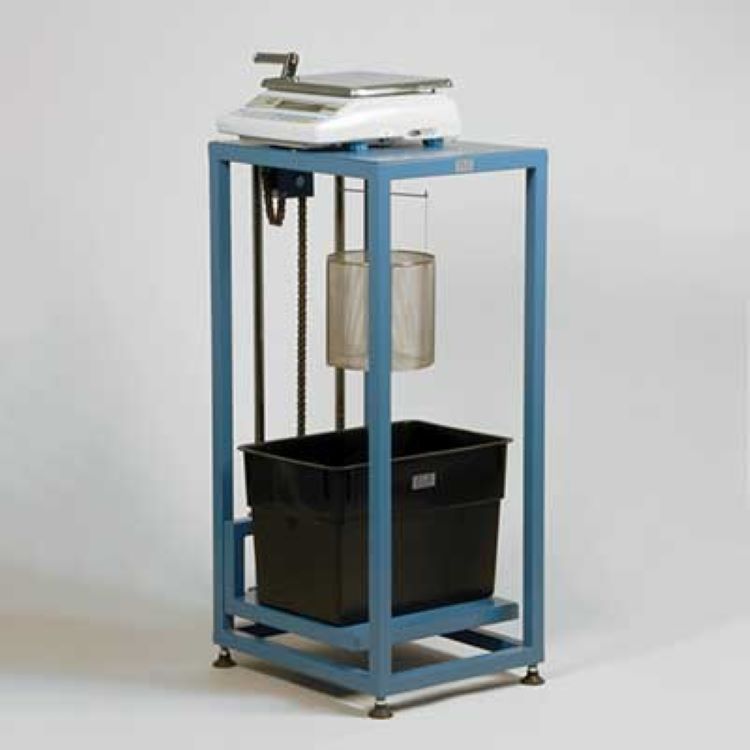
Tell us about your requirement

Price:
Quantity
Select Unit
- 50
- 100
- 200
- 250
- 500
- 1000+
Additional detail
Mobile number
Email

More Products in Concrete Highway Engineering lab Category
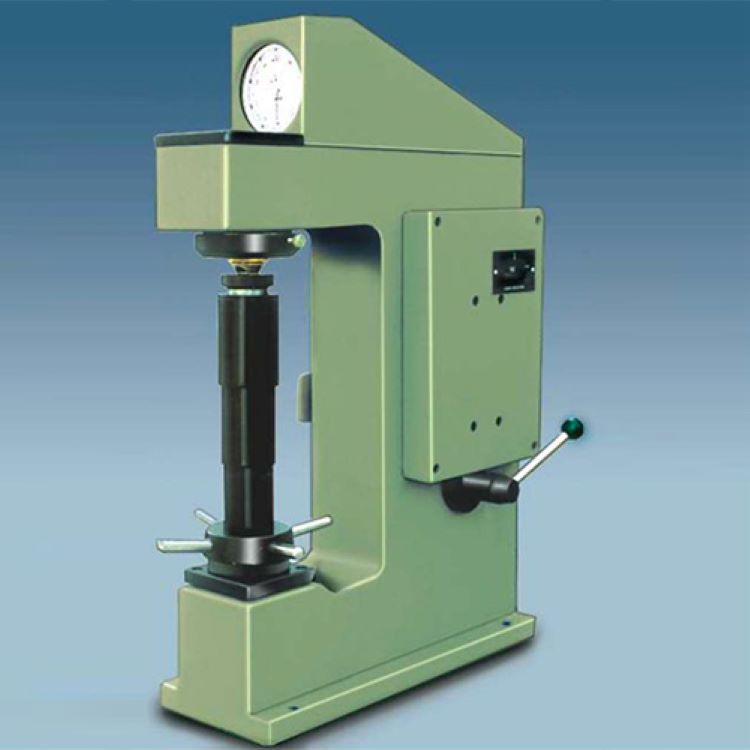
Rockwell Hardness Tester
Price 100000.0 INR / Piece
Minimum Order Quantity : 1 Piece
Number of Specimens : Single specimen at a time
Application : Metallurgical, engineering, quality control
Machine Weight : Approx. 70 Kg
Resolution : 0.5 HR (Rockwell Hardness)
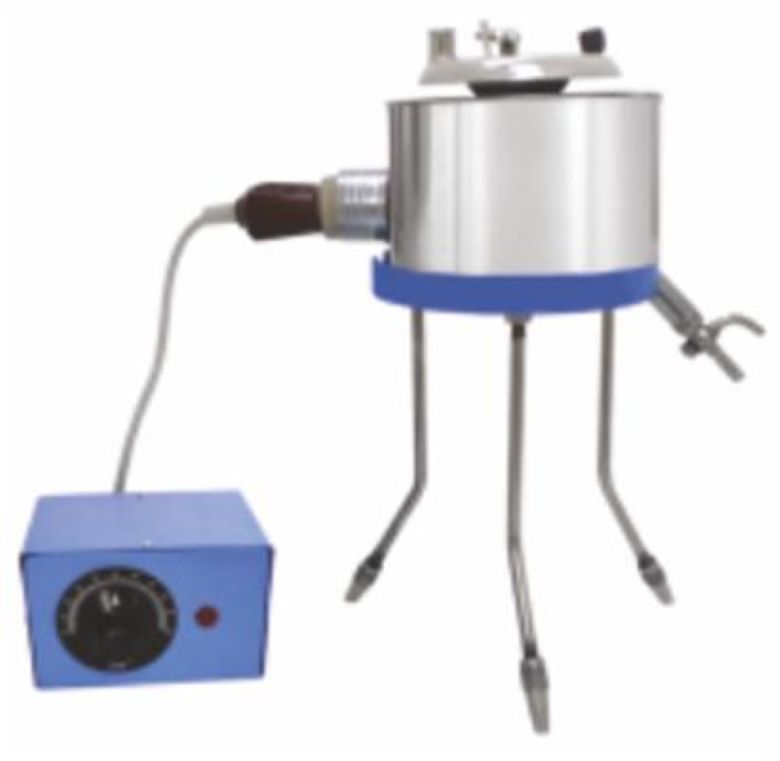
Standard Tar Viscometer
Price 15000.0 INR / Sets
Minimum Order Quantity : 1 Piece
Number of Specimens : Single specimen (per test)
Application : Viscosity testing of Tar, Bitumen and Road Oils
Machine Weight : Approx. 20 Kg
Resolution : 1 second
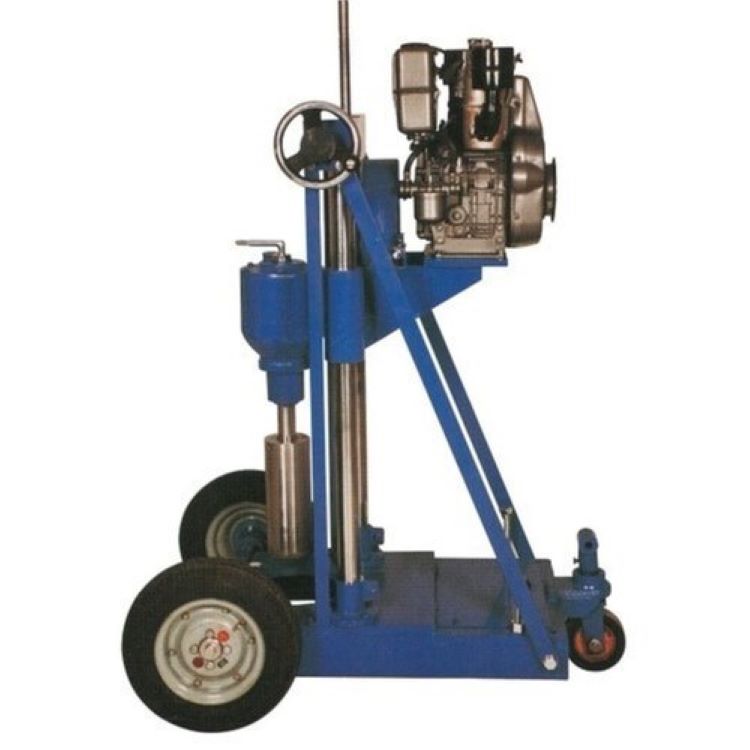
Portable Core Cutting Drilling Machine Petrol Driven
Price 100000.0 INR / Piece
Minimum Order Quantity : 1 Piece
Number of Specimens : Single drill operation
Application : For concrete, asphalt, and rock core sampling
Machine Weight : Approximately 8090 kg
Resolution : 1 mm core diameter
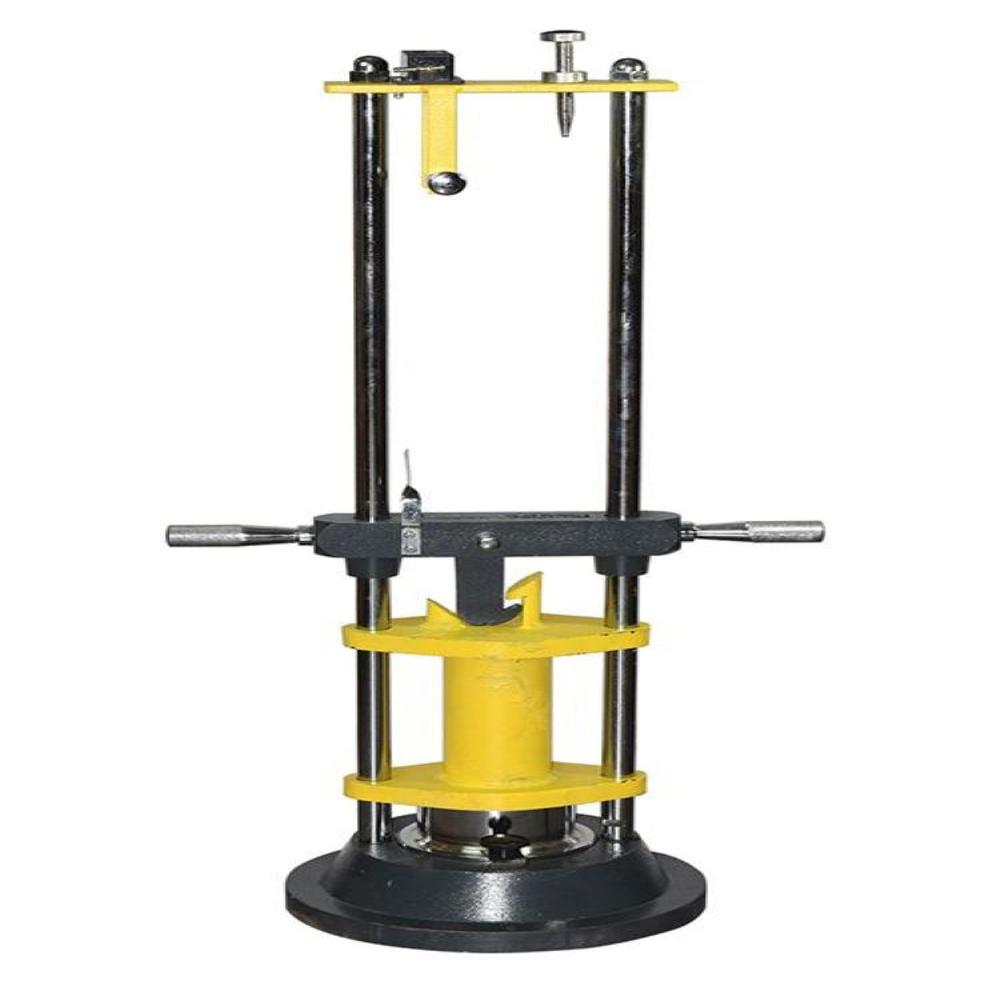
Aggregate Impact Tester With Blow Counter
Price 14000.0 INR / Piece
Minimum Order Quantity : 1 Piece
Number of Specimens : Single Specimen per test
Application : Testing toughness and impact strength of aggregates
Machine Weight : Approx. 45 Kg
Resolution : Digital blow count with single blow resolution

We are dealing in Coimbatore, Chennai and Tamilnadu.
 Send Inquiry
Our Products
- Concrete Testing Equipment
- Survey Lab Equipment
- Construction Equipment
- Concrete Testing Machine
- Soil Test Machine
- Survey Instrument
- Auto Level
- Cement Testing Machine
- Soil Testing Equipments
- Soil Testing Equipment
- Civil Engineering Lab Equipment
- Total Station
- Soil Test equipments
- Auto Level
- Concrete Highway Engineering lab
- Mechanical Engineering Lab Equipment
- Weighing Scale
- Laboratory Testing Equipment
- Workshop Trolleys
- Compression Testing Machine
- Water Testing Equipment
- Vertical Milling Machine
- Moulding Products
- CNC Machines
- Measuring Ruler
- Cylinder Carrier
- Core Cutting Machine
- Digital Measuring Machine
- Hydraulic Jack
- Drawing Instruments
- Fuel Testing Equipment
- Dynamics Lab Equipment
- Hydraulics and Fluid Mechanics Lab Equipment
- Heat Transfer Lab Equipment
- Scientific Equipment
- Surgical Equipment
- Hot Air Oven
- Impact Testing Machine
- Torsion Testers
- Bernoullis Theorem Apparatus
- Wooden Tripod
- Liquid Mercury
- Vibrating Table
- Material Testing Equipment
- Agriculture Equipment
- Waste Water Analysis

SF No. 189/1B1A, 191/3A1A1E, Sidco Private Industrial Estate, LIC Colony, Kurichi Pudhu Nagar, Kuruchi Housing,Coimbatore - 641021, Tamil Nadu, India

Mr Balamurugan C
(Manager)
Mobile :07313727211
 Send Inquiry
 Send SMS
Developed and Managed by Infocom Network Private Limited.
