
Call us now :07313727211
 Send Inquiry
 Send Inquiry
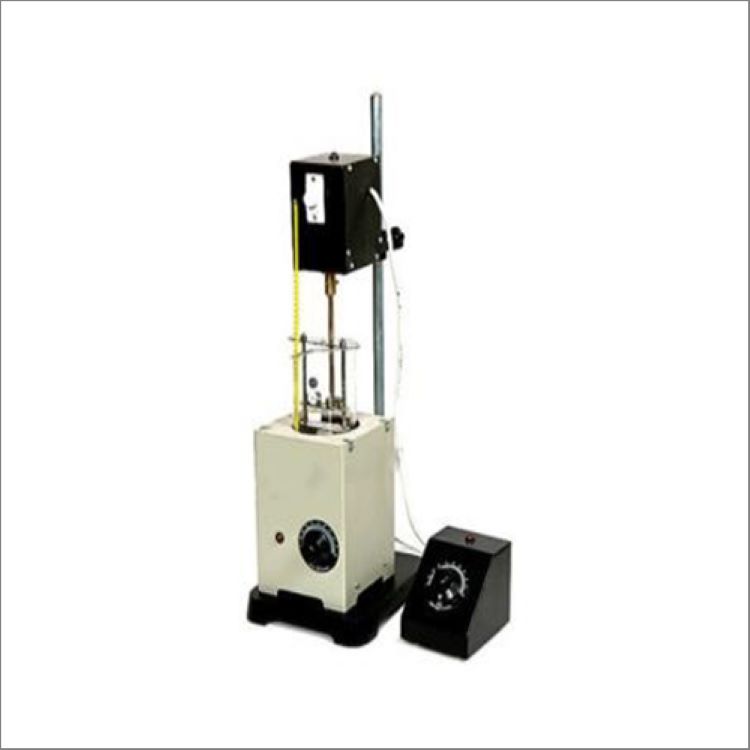
Ring And Ball Apparatus (Electrical)
MOQ : 1 Piece
Ring And Ball Apparatus (Electrical) Specification
- Application
- Determination of softening point of bitumen and resins
- Measuring Range
- Up to 110°C
- Response Time
- Immediate upon sample softening
- Specimen Size
- Rings: ID 10 ± 0.1 mm, Height 6.0 ± 0.1 mm
- Features
- Corrosion-resistant bath, adjustable heating rate, dual sample test
- Equipment Type
- Ring And Ball Apparatus (Electrical)
- Frequency
- 50 Hz
- Power Supply
- 230V AC, 50 Hz
- Number of Specimens
- 2 simultaneously
- Display Type
- Analog thermometer (Digital optional)
- Operating Voltage
- 230V AC, 50Hz
- Port Size
- Standard, for test liquid bath
- Temperature
- Ambient to 110°C (with thermometer scale)
- Mounting Type
- Benchtop
- Test Range
- 30°C to 110°C melting or softening point
- Humidity
- Ambient
- Interface Type
- Manual, electrical
- Max Height
- Approx. 350 mm (assembled)
- Automation Grade
- Semi-automatic
- Accuracy
- ±0.5°C
- Resolution
- 0.1°C (thermometer dependent)
- Usage
- Laboratory test for softening point
- Capacity
- Two sample rings per test
- Machine Weight
- Approx. 6-8 kg
- Test Speed
- Manual/Controlled by heating rate
- Test Width
- Standard rings: approx. 10 mm inner diameter
- Control Mode
- Electrical heating with digital/analog control
- Heating Element
- Nickel chromium plated heating coil
- Support Frame Material
- Powder coated mild steel or stainless steel
- Compliance Standards
- IS:1205, ASTM D36, IP 58, BS 2000
- Thermometer Range
- 0°C to 110°C (glass thermometer supplied)
- Sample Medium
- Distilled water (up to 80°C), Glycerin (above 80°C)
- Safety Features
- Heat-resistant platform, over-temperature protection
- Material of Bath
- Borosilicate glass or heat resistant beaker
- Heating Rate
- Controlled at 5°C/min
- Color
- Blue and metallic finish
- Included Accessories
- Two steel balls, one ball guide, one ring holder, two brass rings, thermometer, beaker
Ring And Ball Apparatus (Electrical) Trade Information
- Minimum Order Quantity
- 1 Piece
- FOB Port
- coimbatore
- Payment Terms
- Cash Advance (CA), Cash in Advance (CID)
- Supply Ability
- 1 Piece Per Day
- Delivery Time
- 1 Days
- Sample Available
- No
- Packaging Details
- cotton box
- Main Export Market(s)
- Asia, Africa
- Main Domestic Market
- North India, Karnataka, Kerala, Lakshadweep, Mizoram, Meghalaya, Manipur, Andhra Pradesh, Bihar, Chandigarh, Daman and Diu, Goa, Jharkhand, Sikkim, Tamil Nadu, Telangana, Tripura, Pondicherry, Uttar Pradesh, Uttarakhand, West Bengal, All India, South India, Central India, West India, Odisha, Punjab, Assam, Chhattisgarh, Haryana, Himachal Pradesh, Jammu and Kashmir, Madhya Pradesh, Maharashtra, Nagaland, Dadra and Nagar Haveli, Andaman and Nicobar Islands, Arunachal Pradesh, East India, Gujarat, Delhi, Rajasthan
About Ring And Ball Apparatus (Electrical)
Specification:
Electrical heating, with a Heater and Energy Regulator, Suitable for operation on 230 V, 50Hz, Single Phase, A.C. supply. Each unit is supplied with bath of heat resistant
glass and the following.
| ZI 4002-A | Tapered Rings | 2 Nos. |
| ZI 4002-B | Steel Ball, of 9.5mm dia. | 2 Nos. |
| ZI 4002-C | Ring Holder | 1 No. |
| ZI 4002-E | Electric Heater (Hot Plate) | 1 No. |
| Essential Accessories: | ||
| ZI 4002-F | Thermometer IP 60 C, Range : -2 C to 80 C | |
| ZI 4002-G | Range: 30 C to 200C | |
Advanced Heating and Precise Control
With a nickel-chromium plated heating coil and electrical heating controls, the Ring And Ball Apparatus offers consistent and finely-tuned temperature increases. The device uses either manual or controlled heating rate modes, making it suitable for rigorous laboratory testing environments.
Versatile and Durable Components
Manufactured using powder-coated mild steel or stainless steel support frames, along with heat-resistant borosilicate glass baths, the apparatus resists corrosion and ensures longevity. Included accessories such as two steel balls, ring holders, and a thermometer promote ease of setup and accurate testing.
Safety and International Compliance
Safety mechanisms like a heat-resistant platform and over-temperature protection safeguard users during operation. The apparatus meets multiple compliance standards including IS:1205, ASTM D36, IP 58, and BS 2000, ensuring reliable results and international acceptance.
FAQ's of Ring And Ball Apparatus (Electrical):
Q: How does the Ring And Ball Apparatus (Electrical) determine the softening point of bitumen?
A: The device heats a bath containing the test samples, gradually increasing temperature using a controlled nickel-chromium heating coil. As the temperature rises, the steel balls placed on the bitumen drop through the rings once the material softens, and the temperature is recorded as the softening point.Q: What materials are used to construct the bath and safety components?
A: The bath is made from borosilicate glass or a heat-resistant beaker, ensuring durability under high temperatures. Safety features include a heat-resistant platform and over-temperature protection to prevent accidents during use.Q: When should glycerin be used as the sample medium instead of distilled water?
A: Distilled water is used for tests up to 80C. Glycerin is recommended as the sample medium if the required softening point is above 80C, as it provides stable heat transfer at higher temperatures.Q: Where is this apparatus commonly used and by whom?
A: This equipment is widely utilized in laboratories for materials testing by manufacturers, dealers, exporters, traders, and suppliers in the construction and petrochemical industries throughout India.Q: What steps are involved in conducting a test using the apparatus?
A: The process includes preparing samples and rings, filling the bath with the appropriate medium, setting up the thermometer, heating at a controlled rate, and observing when the steel balls drop as the material softens. The corresponding temperature is recorded as the softening point.Q: How many specimens can be tested simultaneously, and what is the typical test speed?
A: Two specimens can be tested at the same time, allowing dual sample testing. The test speed is controlled by the heating rate, typically set at 5C per minute for accurate results.Q: What benefits does the Ring And Ball Apparatus (Electrical) offer over manual systems?
A: Electrical control provides more uniform heating, increased precision, reduced human error, enhanced safety, and greater compliance with industry standards, ensuring valid and repeatable test outcomes.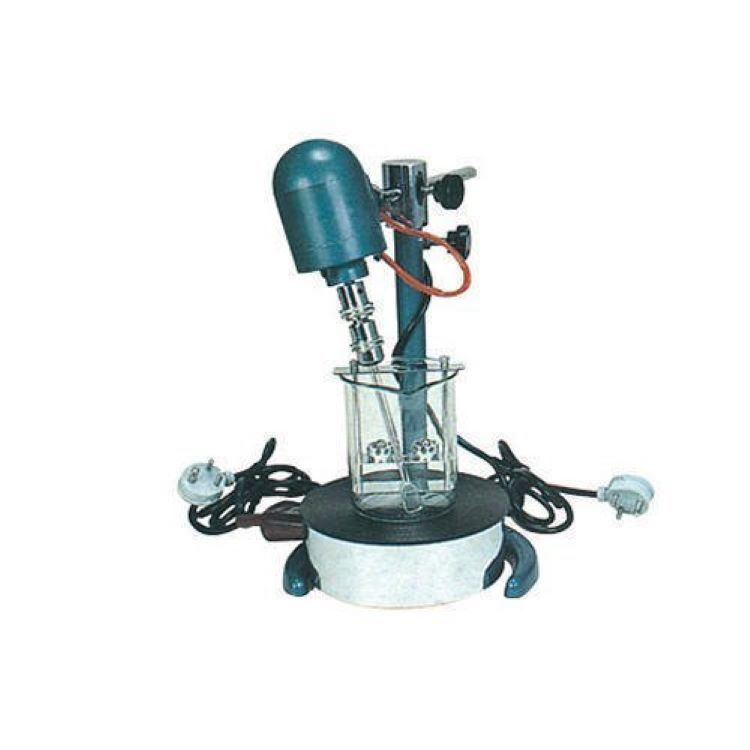
Tell us about your requirement

Price:
Quantity
Select Unit
- 50
- 100
- 200
- 250
- 500
- 1000+
Additional detail
Mobile number
Email

More Products in Soil Testing Equipment Category
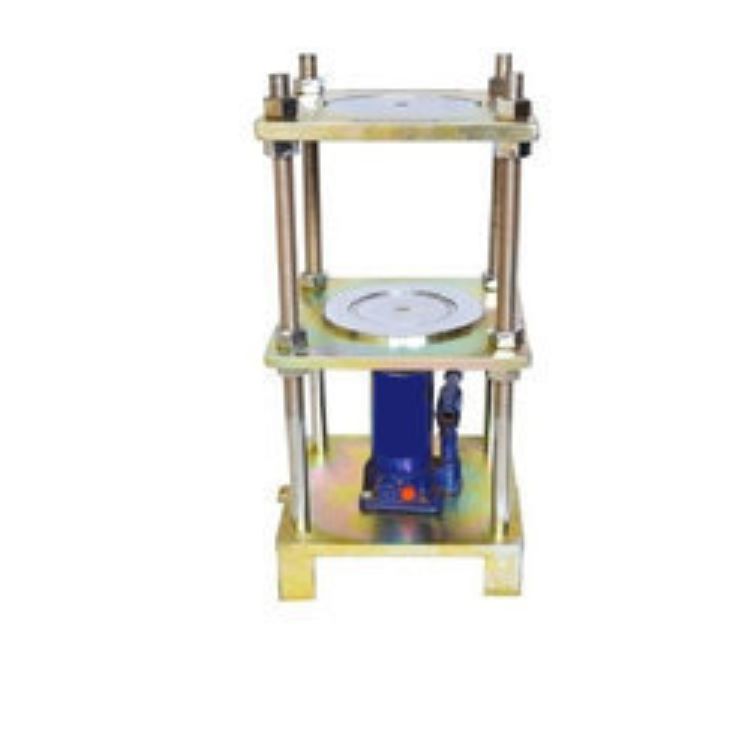
Universal Extruder Frame Hydraulic
Price 12000.0 INR / Piece
Minimum Order Quantity : 1 Piece
Usage : Industrial Material Testing
Mounting Type : Floor Mounted
Specimen Size : Standard: 25 mm width
Features : Frame hydraulic system, heavy duty structure, digital controls
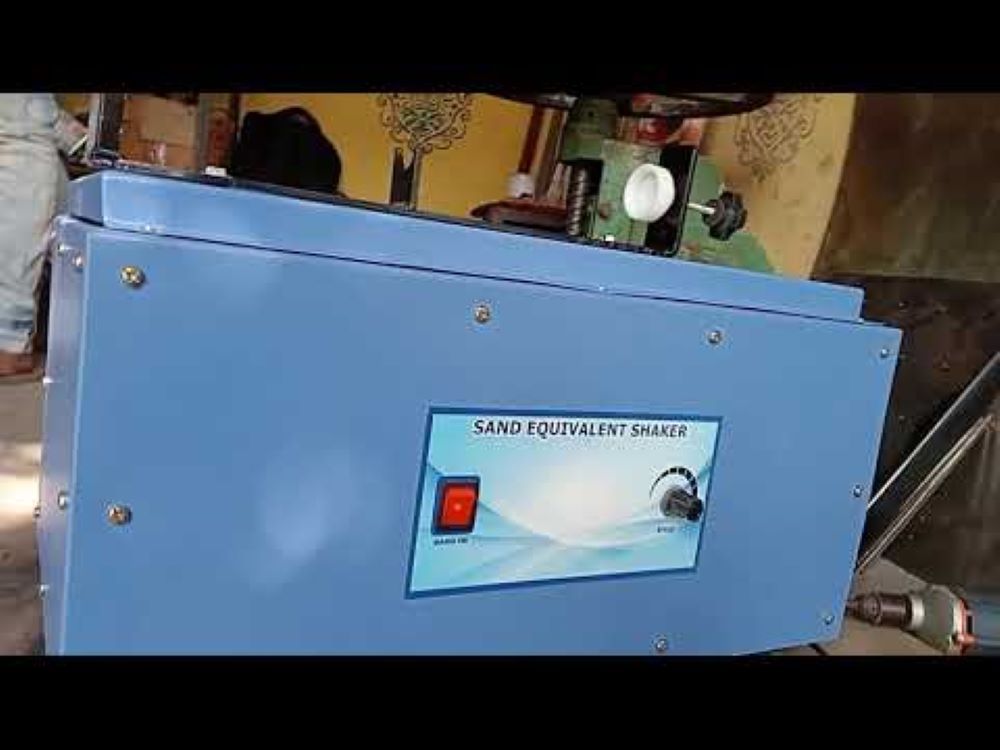
Motorised Sand Equivalent Shaker
Price 35000.0 INR / Piece
Minimum Order Quantity : 1 Piece
Usage : Shaking sand equivalent test specimens
Mounting Type : Floor/Bench Mounted
Specimen Size : Standard sand equivalent tube
Features : Consistent stroke, smooth running, rugged construction, timer operation
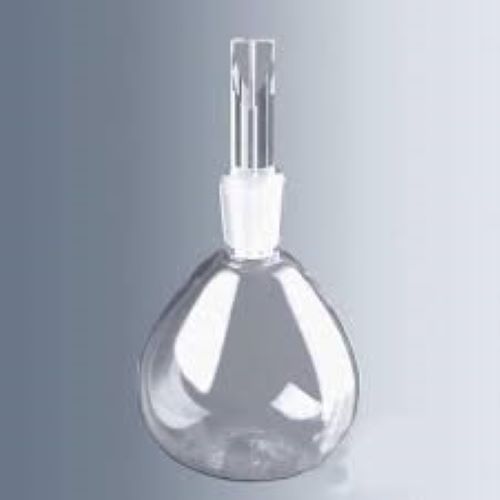
Den-sity Bottle (G-ay-Lu-ssac Type)
Price 500.0 INR / Piece
Minimum Order Quantity : 1 Piece
Usage : Laboratory, research, educational purposes
Mounting Type : Benchtop
Specimen Size : Depends on Bottle Capacity
Features : Sturdy construction, clear labelling, ground glass stopper
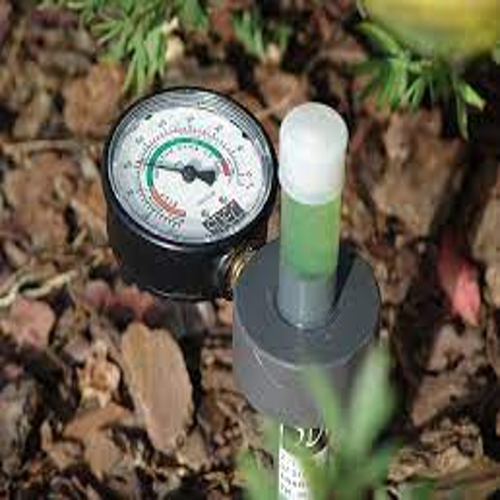
Soil Tensiometer
Price 5000 INR / Bottle
Minimum Order Quantity : 1 Bunch
Usage : Agriculture, Research
Mounting Type : Inground
Specimen Size : Probe Length: 30 cm
Features : Easy Installation, Reusable, Durable, Portable

We are dealing in Coimbatore, Chennai and Tamilnadu.
 Send Inquiry
Our Products
- Concrete Testing Equipment
- Survey Lab Equipment
- Construction Equipment
- Concrete Testing Machine
- Soil Test Machine
- Survey Instrument
- Auto Level
- Cement Testing Machine
- Soil Testing Equipments
- Soil Testing Equipment
- Civil Engineering Lab Equipment
- Total Station
- Soil Test equipments
- Auto Level
- Concrete Highway Engineering lab
- Mechanical Engineering Lab Equipment
- Weighing Scale
- Laboratory Testing Equipment
- Workshop Trolleys
- Compression Testing Machine
- Water Testing Equipment
- Vertical Milling Machine
- Moulding Products
- CNC Machines
- Measuring Ruler
- Cylinder Carrier
- Core Cutting Machine
- Digital Measuring Machine
- Hydraulic Jack
- Drawing Instruments
- Fuel Testing Equipment
- Dynamics Lab Equipment
- Hydraulics and Fluid Mechanics Lab Equipment
- Heat Transfer Lab Equipment
- Scientific Equipment
- Surgical Equipment
- Hot Air Oven
- Impact Testing Machine
- Torsion Testers
- Bernoullis Theorem Apparatus
- Wooden Tripod
- Liquid Mercury
- Vibrating Table
- Material Testing Equipment
- Agriculture Equipment
- Waste Water Analysis

SF No. 189/1B1A, 191/3A1A1E, Sidco Private Industrial Estate, LIC Colony, Kurichi Pudhu Nagar, Kuruchi Housing,Coimbatore - 641021, Tamil Nadu, India

Mr Balamurugan C
(Manager)
Mobile :07313727211
 Send Inquiry
 Send SMS
Developed and Managed by Infocom Network Private Limited.
