About Heavy Compaction Test (ASTM)
Specification:
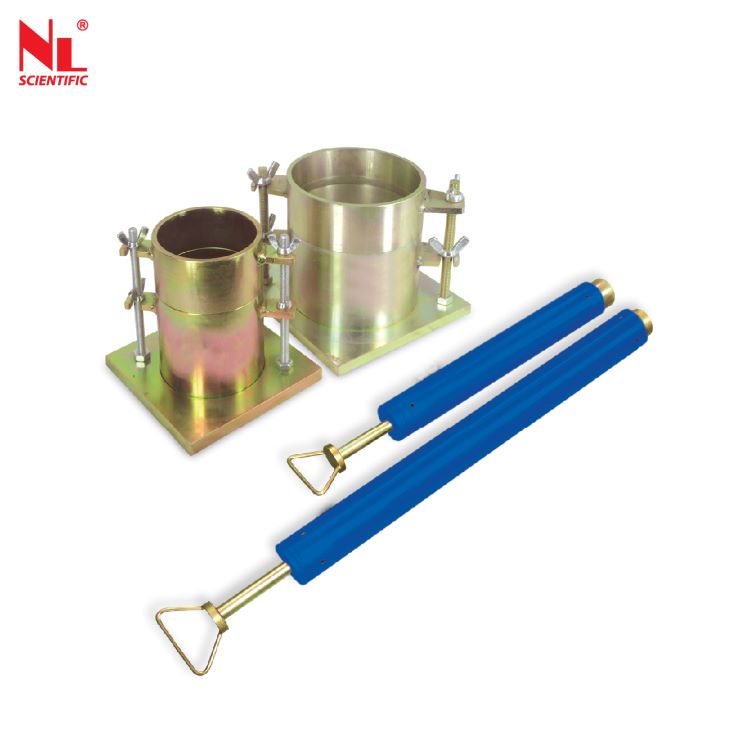
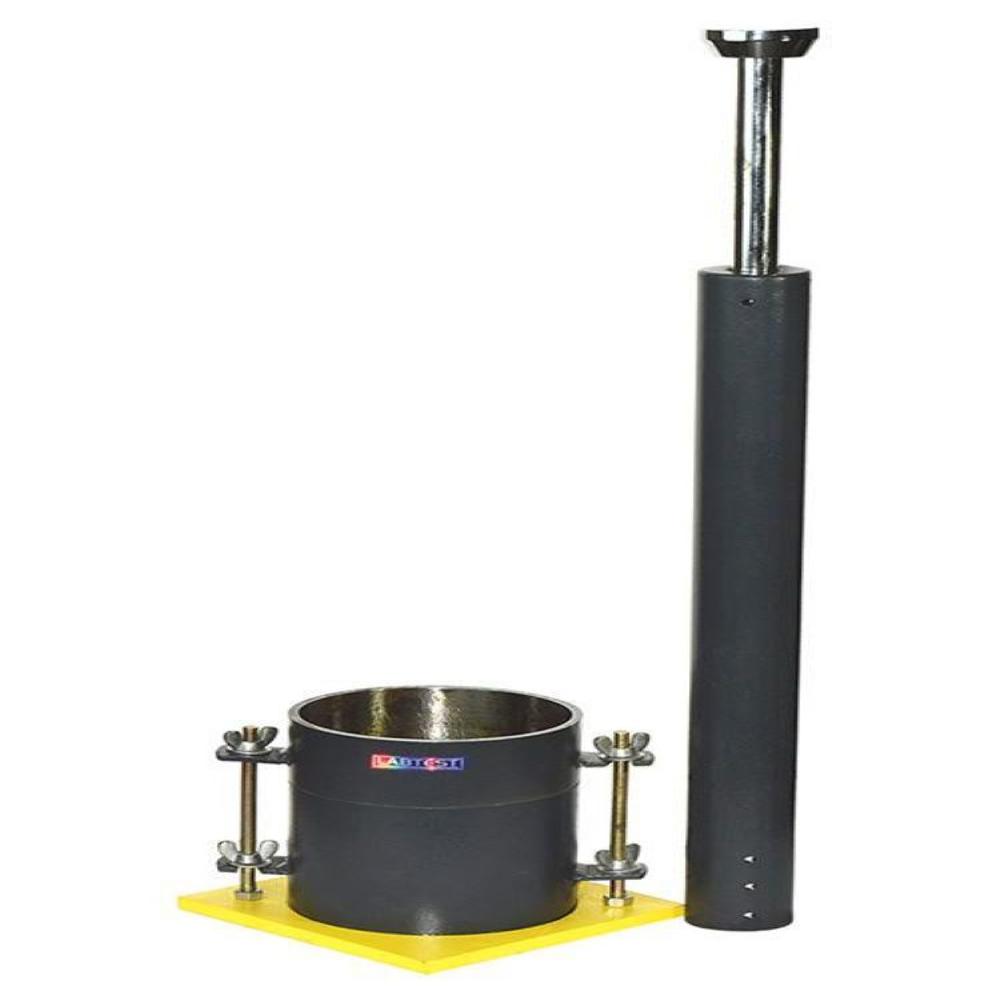
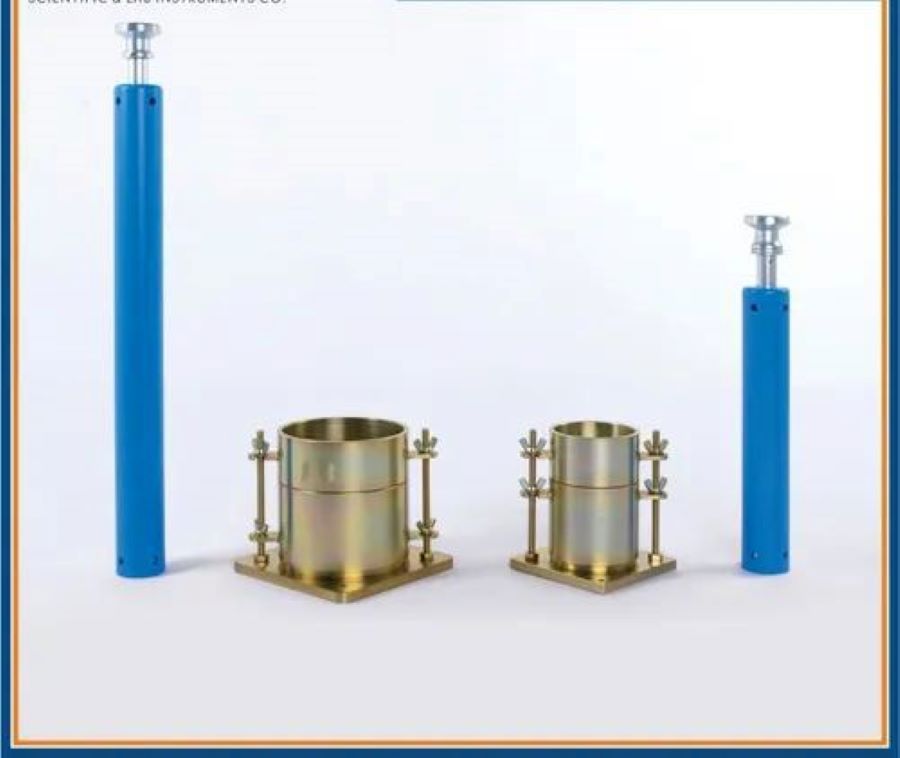
The apparatus consists one each of compaction mould steel, 152.4mmI.D. x 116.4mm height x 2124 cc. volume, complete with collar and base plate
Compaction Rammer is 4.5 kgs. in weight x 18 controlled fall. Face of the rammer is 2
The "Heavy Compaction Test" is ASTM standard D1557 (also known as the Modified Proctor Test), which determines the laboratory compaction characteristics of soil using a 10-lb (4.5-kg) rammer dropped 18 inches (457.2 mm) into a 6-inch (152.4-mm) diameter mold filled with 5 layers and 56 blows per layer, achieving a specific compactive effort of 56,000 ft-lbf/ft. The goal is to find the maximum dry unit weight (MDW) and optimum moisture content (OMC) for a given soil, which is crucial for designing earthfill structures.
Key Specifications for ASTM D1557 (Heavy Compaction Test)
- The soil is prepared with varying moisture content and compacted in the specified mold using the heavy rammer and blows per layer.
- The moist density (or wet unit weight) is calculated for each specimen.
- The dry density is then calculated by accounting for the moisture content.
- These results are plotted to create a compaction curve showing the relationship between moisture content and dry unit weight.
- The maximum point on this curve indicates the maximum dry density (MDW) and its corresponding moisture content, the optimum moisture content (OMC).
-
Quality Control:
The test ensures soil is compacted to a desired density for construction projects, such as dams, highways, and runways.
-
Design:
It provides data to determine specifications and control the quality of compacted earthfill.
Superior Build and DurabilityManufactured from cast iron steel and finished with powder coated or epoxy surfaces, the compaction apparatus resists corrosion and offers extended service life. The hardened steel hammer and robust design ensure consistent performance under demanding laboratory conditions, making it ideal for repeated use in soil mechanics applications.
ASTM-Compliant AccuracyDesigned to comply with ASTM D698 and D1557, the device achieves high-precision results with an accuracy of 1% of full scale and a height resolution of 1 mm. Immediate analog mechanical readings facilitate efficient and reliable soil compaction evaluations, crucial for roads, foundations, and geotechnical projects.
Versatile Application and ControlWhether mounted on a bench or floor, this equipment supports both manual and mechanical operation modes. It is suitable for laboratories, educational institutions, and field compaction assessments, serving as a vital tool for various stakeholders such as manufacturers, exporters, and research organizations across India.
FAQ's of Heavy Compaction Test (ASTM):
Q: How is the Heavy Compaction Test (ASTM) equipment used in laboratory soil testing?
A: This equipment is used to compact soil samples in a mould with a 4.5 kg drop hammer, following the ASTM D698/D1557 standard. The process involves dividing the soil into five layers, compacting each with repeated hammer blows from a height of 457 mm. The data collected helps determine the optimum moisture content and maximum dry density of soils, which are critical for engineering and construction purposes.
Q: What are the main benefits of using this heavy compaction testing equipment?
A: Benefits include accurate soil compaction measurements, compliance with international testing standards (ASTM), sturdy corrosion-resistant construction for long life, easy assembly, and versatile manual or mechanical operation. Its precision and durability make it indispensable for laboratory and geotechnical research settings.
Q: When should a heavy compaction test be performed on soil?
A: Heavy compaction tests are essential before construction projects such as roads, embankments, and foundations. They should be performed when you need to assess the compaction characteristics of soils with higher density requirements or when CBR and Proctor tests are specified by project standards.
Q: Where is the heavy compaction test equipment typically used?
A: The equipment is suited for soil laboratories, construction sites, and research institutions conducting soil compaction tests according to ASTM standards. Typical users include dealers, distributors, fabricators, manufacturers, exporters, and testing agencies across India.
Q: What is the process of conducting a compaction test with this apparatus?
A: The test involves preparing the soil sample, placing it in the cast iron mould in five layers. Each layer is compacted using a standardized number of blows from the 4.5 kg hammer dropped from 457 mm. After compaction, the sample is weighed and measured for density and moisture content, enabling calculation of compaction characteristics.
Q: How does the control mode enhance the testing process?
A: The device offers both manual and mechanical operation options. Manual mode lets users control each blow for high precision, while mechanical mode supports standardized and repeatable testing. This flexibility enhances test reliability and ease of use in different laboratory and field settings.
Q: What accessories are included with the heavy compaction test set?
A: The set comes complete with moulds, a collar, base plate, hammer, and tamper-everything needed for immediate test setup and operation, streamlining laboratory workflows and reducing time spent sourcing individual components.








 Send Inquiry

 Send Inquiry