
Call us now :07313727211
 Send Inquiry
 Send Inquiry
Water In Bituminous Material (Dean-Stark
Price 6000.0 INR/ Piece
MOQ : 1 Piece
Water In Bituminous Material (Dean-Stark Specification
- Number of Specimens
- 1 per test
- Humidity
- Ambient
- Hardness
- Glass, mohs scale 5.5
- Resolution
- 0.05 ml
- Operating Voltage
- Heater dependent
- Display Type
- Glass volume scale
- Mounting Type
- Bench-top
- Power Supply
- None required (operated with external heating mantle)
- Measuring Range
- Up to 10 ml graduation measurement
- Max Height
- Approx. 40 cm
- Port Size
- Standard Dean-Stark glass joint sizes
- Response Time
- Real-time
- Accuracy
- 0.05 ml
- Application
- Determination of water content in bituminous materials
- Interface Type
- Manual
- Automation Grade
- Manual
- Test Range
- 0.1% to 5% water
- Features
- Borosilicate glassware, clear scale, chemical resistant
- Specimen Size
- 100 g to 1000 g bituminous material
- Temperature
- Ambient to 200 C (depending on heating source)
- Usage
- Laboratory water analysis in bituminous materials
- Capacity
- 250 ml, 500 ml, or 1000 ml flask size
- Machine Weight
- Approx. 6 kg
- Test Speed
- Manual operation
- Test Width
- Standard flask neck width
- Control Mode
- Manual
- Chemical Compatibility
- Petroleum, solvents, bituminous material
- Distillation Trap Capacity
- 10 ml, 25 ml, or 50 ml
- Joint Type
- Standard ground glass
- International Standards
- ASTM D95, IS: 1211
- Cleaning Procedure
- Wash with detergent and rinse with distilled water
- Graduation Interval
- 0.05 ml divisions
- Safety Precautions
- Heat-resistant gloves and eye protection recommended
- Equipment Type
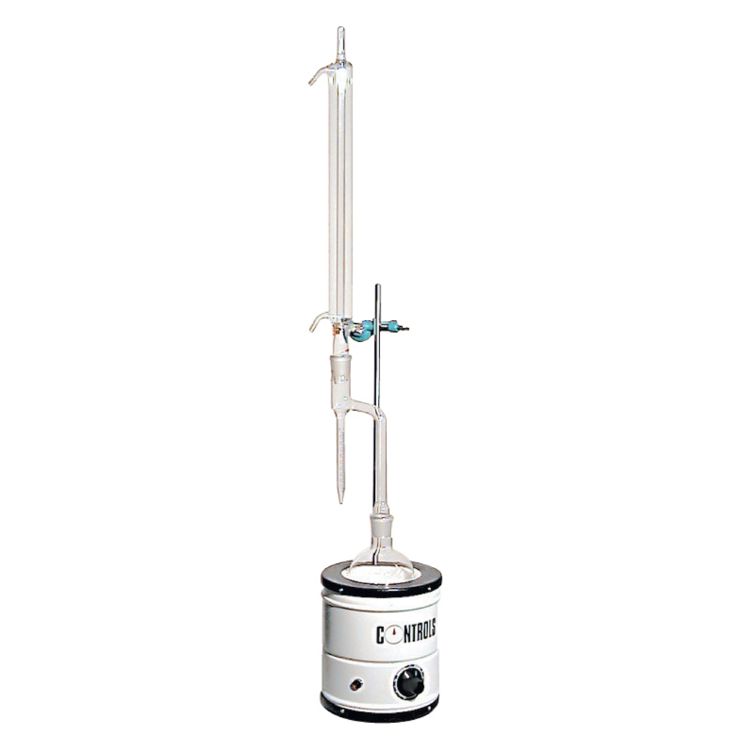
- Dean-Stark Apparatus
- Collection Receiver Material
- Borosilicate glass
- Heating Mantle Power
- Adjustable (typically 100W500W, supplied separately)
Water In Bituminous Material (Dean-Stark Trade Information
- Minimum Order Quantity
- 1 Piece
- FOB Port
- coimbatore
- Payment Terms
- Cash Advance (CA), Cash in Advance (CID)
- Supply Ability
- 1 Piece Per Day
- Delivery Time
- 1 Days
- Sample Available
- No
- Packaging Details
- cotton box
- Main Export Market(s)
- Asia, Africa
- Main Domestic Market
- Tripura, Pondicherry, Uttar Pradesh, Uttarakhand, All India, South India, Central India, West India, West Bengal, Gujarat, Kerala, Lakshadweep, Mizoram, Meghalaya, Manipur, Andhra Pradesh, Bihar, Chandigarh, Daman and Diu, Goa, Jharkhand, Odisha, Punjab, Assam, Delhi, Dadra and Nagar Haveli, Karnataka, North India, East India, Andaman and Nicobar Islands, Arunachal Pradesh, Chhattisgarh, Haryana, Himachal Pradesh, Jammu and Kashmir, Madhya Pradesh, Maharashtra, Nagaland, Rajasthan, Sikkim, Tamil Nadu, Telangana
About Water In Bituminous Material (Dean-Stark
Specification:
A Water in Bituminous Material Dean-Stark spec refers to a standardized test method, like ASTM D95 or IS 1211:2022, that uses a Dean-Stark apparatus and distillation with a water-immiscible volatile solvent to determine the water content in bituminous materials such as asphalt and bitumen emulsions. The spec outlines the apparatus components and the procedures for conducting the test, collecting, and reporting the water volume from the distilled sample.
Key Components of the Apparatus
- Distillation Flask: A glass flask (e.g., 500 ml) where the sample and solvent are heated.
- Dean-Stark Apparatus: The condensing and collecting system, which includes a reflux condenser and a graduated receiver trap that separates the water from the solvent.
- Electric Heater: A controlled heating device to provide consistent heat for distillation.
- Support Stand and Clamps: To hold the flask, condenser, and receiver in place.
Test Method Overview
-
A sample of the bituminous material and a water-immiscible volatile solvent are placed in the distillation flask.
-
The mixture is heated, and the solvent evaporates, rises, and condenses in the condenser.
-
The condensed liquid flows into the Dean-Stark trap, where water, being denser, settles at the bottom, while the immiscible solvent overflows and returns to the flask.
-
The test continues until the volume of water in the trap remains constant.
-
The collected water's volume is measured from the graduated tube to determine the water content in the bituminous material.
Standard Specifications
-
A widely recognized standard for the determination of water in petroleum products and bituminous materials by the distillation method.
-
The Indian standard for testing tar and bituminous materials, specifically for the determination of water content using the Dean and Stark method.
-
A European standard for the determination of water content in petroleum products and bituminous materials.
Precise Water Measurement in Bituminous Materials
This apparatus provides accurate determination of water content in bituminous materials by distillation, with a resolution up to 0.05 ml and measurement range up to 10 ml. Manual operation allows for real-time response, catering to the requirements of petroleum and solvent analyses in laboratories, ensuring compliance with ASTM D95 and IS: 1211 standards.
Robust Borosilicate Glassware and Scalability
Designed from high-quality borosilicate glass, the Dean-Stark setup offers exceptional chemical resistance, durability, and visibility with a clear, graduated scale. With various flask and trap sizes available, users can select capacity options best suited to their laboratory specimen needs, ensuring versatile application and accurate readings every time.
User-Friendly and Safe Operation
Manual control mode and bench-top mounting make the Dean-Stark Apparatus easy to use. The process involves heating bituminous samples with an adjustable heating mantle, collecting water in the trap, and reading the glass scale for results. Following recommended safety precautions, such as using heat-resistant gloves and eye protection, ensures safe handling throughout the analysis.
FAQ's of Water In Bituminous Material (Dean-Stark:
Q: How does the Dean-Stark Apparatus measure water in bituminous materials?
A: The apparatus uses distillation, where the bituminous sample is heated in a flask using an external heating mantle. Water separates and is collected in the calibrated trap, allowing users to read the water content directly from the glass scale with 0.05 ml resolution.Q: What standards does this equipment comply with for water determination?
A: This Dean-Stark apparatus is designed in accordance with international standards ASTM D95 and IS: 1211, ensuring reliable and standardized results for laboratory water analysis in bituminous materials.Q: When should safety precautions be followed during operation?
A: Safety precautions should be strictly followed whenever the apparatus is heated or handled, including the use of heat-resistant gloves and eye protection to prevent burns or chemical exposure.Q: Where is the Dean-Stark Apparatus typically used?
A: Typically, this apparatus is used in laboratory settings for the analysis of petroleum derivatives, solvents, and bituminous materials. It is suitable for industries dealing with material characterization, research, and quality control.Q: What is the recommended cleaning procedure after testing?
A: After use, the apparatus should be thoroughly washed with detergent and rinsed with distilled water to maintain measurement accuracy and chemical compatibility, as recommended by operational standards.Q: What benefit does using borosilicate glassware provide for this equipment?
A: Borosilicate glass offers high chemical resistance, enhanced durability, and clear visibility of graduation marks, which contribute to precise measurement and longevity of the apparatus under laboratory conditions.
Tell us about your requirement

Price:
Quantity
Select Unit
- 50
- 100
- 200
- 250
- 500
- 1000+
Additional detail
Mobile number
Email

More Products in Soil Testing Equipment Category
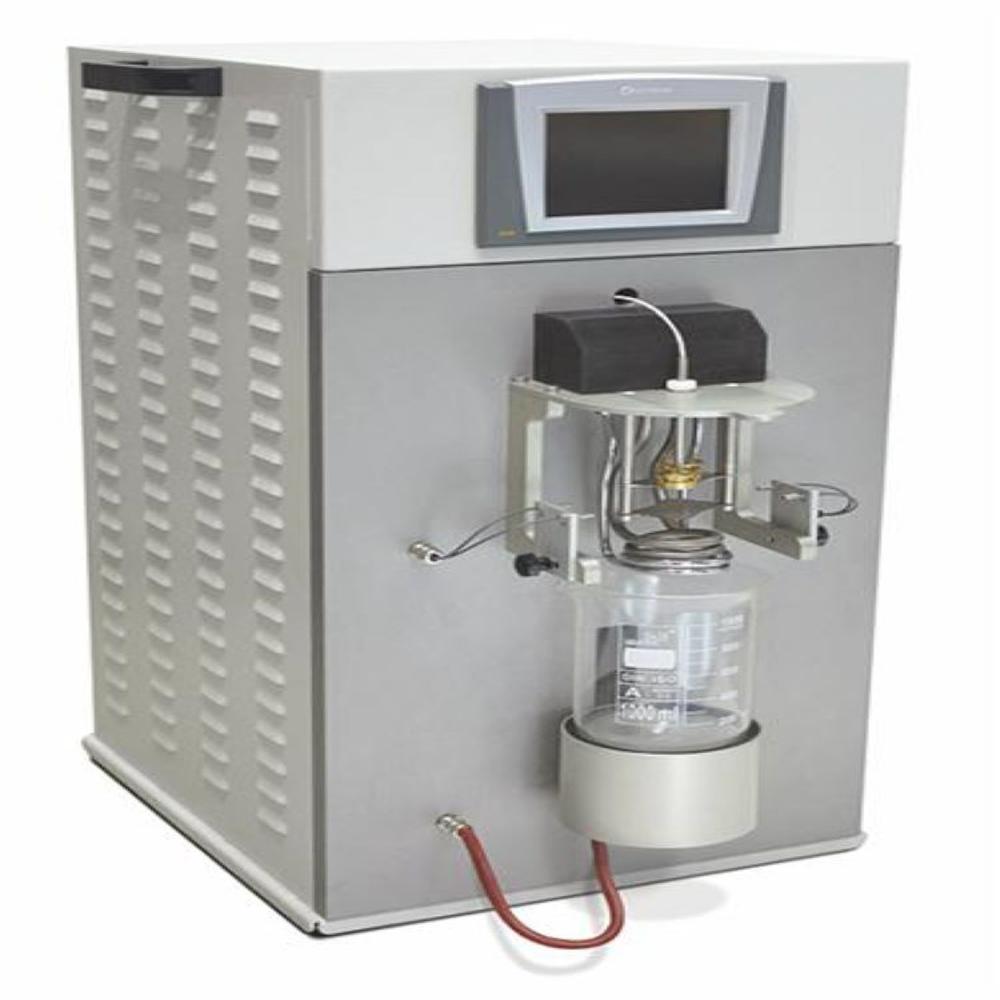
Automatic Ring and Ball Apparatus
Price 60000.0 INR / Piece
Minimum Order Quantity : 1 Piece
Application : Determination of softening point of bituminous materials
Usage : Laboratory Testing
Mounting Type : Bench Top
Measuring Range : 30C110C
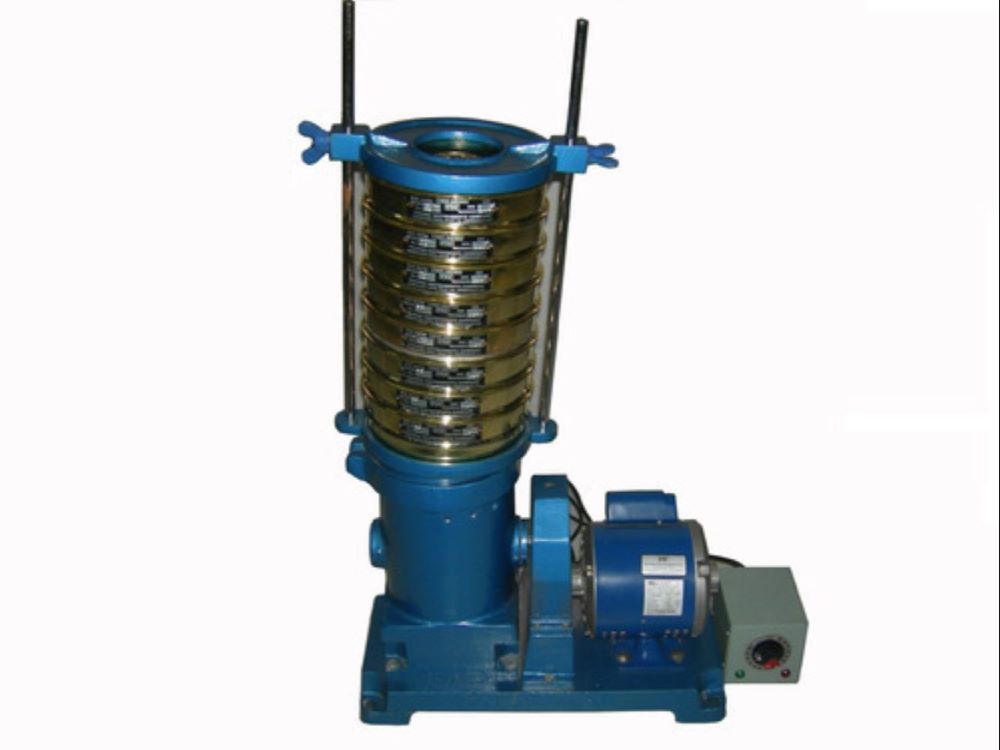
Rotatap Motorized Sieve Shakers
Price 20000.0 INR
Minimum Order Quantity : 1 Piece
Application : Fine particle and granular material sieving for laboratories
Usage : Particle size distribution analysis
Mounting Type : Bench top
Measuring Range : 38 micron to 4 mm
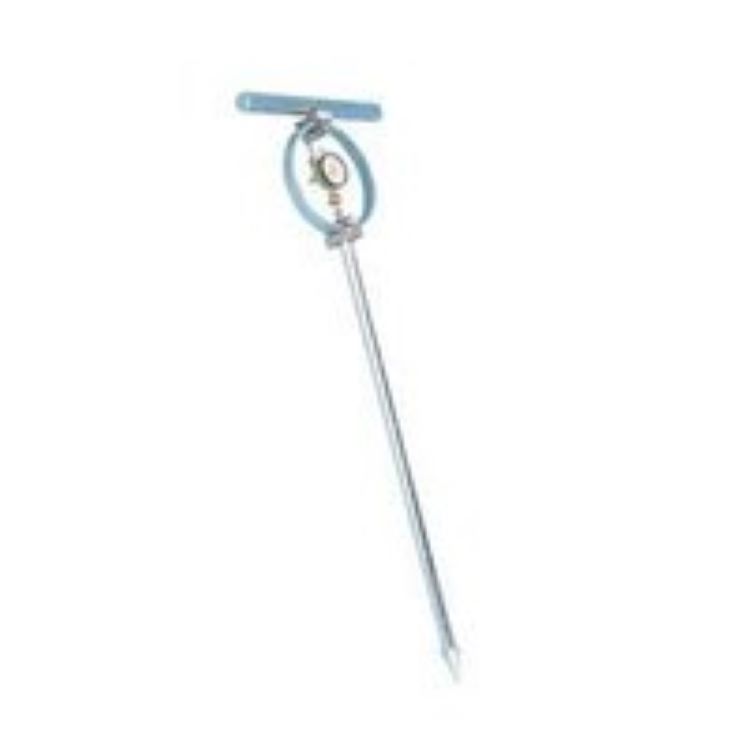
Vicksberg Pentrometer (Proving Ring Type)
Price 12000.0 INR / Piece
Minimum Order Quantity : 1 Piece
Application : Determination of Penetration Resistance of Soil for CBR & Similar Tests
Usage : Soil Penetration & Strength Evaluation
Mounting Type : Bench Top
Measuring Range : 030 kgf
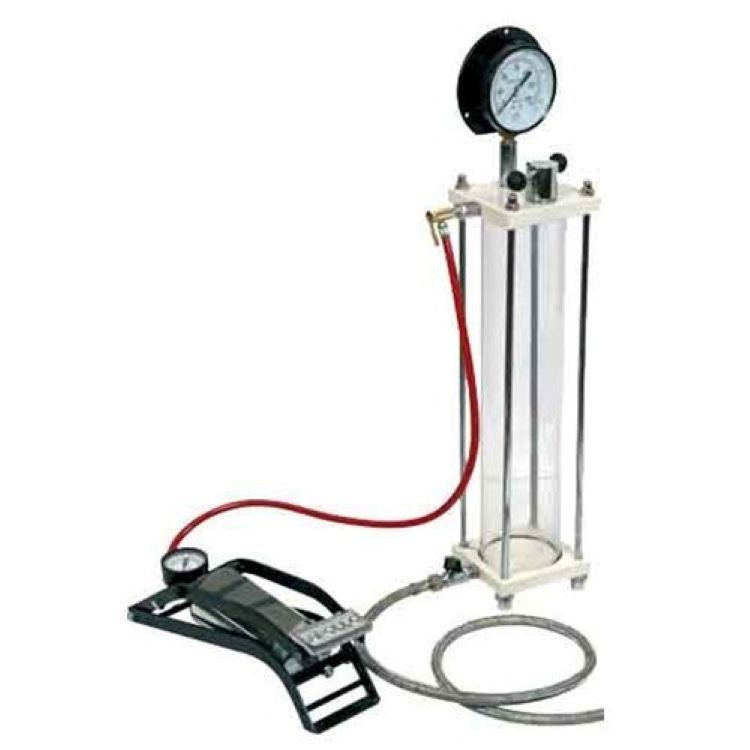
lateral pressure assembly
Price 10000.0 INR
Minimum Order Quantity : 1 Piece
Application : Soil mechanics, triaxial test, lateral pressure testing
Usage : Laboratory
Mounting Type : Benchtop
Measuring Range : 010 bar

We are dealing in Coimbatore, Chennai and Tamilnadu.
 Send Inquiry
Our Products
- Concrete Testing Equipment
- Survey Lab Equipment
- Construction Equipment
- Concrete Testing Machine
- Soil Test Machine
- Survey Instrument
- Auto Level
- Cement Testing Machine
- Soil Testing Equipments
- Soil Testing Equipment
- Civil Engineering Lab Equipment
- Total Station
- Soil Test equipments
- Auto Level
- Concrete Highway Engineering lab
- Mechanical Engineering Lab Equipment
- Weighing Scale
- Laboratory Testing Equipment
- Workshop Trolleys
- Compression Testing Machine
- Water Testing Equipment
- Vertical Milling Machine
- Moulding Products
- CNC Machines
- Measuring Ruler
- Cylinder Carrier
- Core Cutting Machine
- Digital Measuring Machine
- Hydraulic Jack
- Drawing Instruments
- Fuel Testing Equipment
- Dynamics Lab Equipment
- Hydraulics and Fluid Mechanics Lab Equipment
- Heat Transfer Lab Equipment
- Scientific Equipment
- Surgical Equipment
- Hot Air Oven
- Impact Testing Machine
- Torsion Testers
- Bernoullis Theorem Apparatus
- Wooden Tripod
- Liquid Mercury
- Vibrating Table
- Material Testing Equipment
- Agriculture Equipment
- Waste Water Analysis

SF No. 189/1B1A, 191/3A1A1E, Sidco Private Industrial Estate, LIC Colony, Kurichi Pudhu Nagar, Kuruchi Housing,Coimbatore - 641021, Tamil Nadu, India

Mr Balamurugan C
(Manager)
Mobile :07313727211
 Send Inquiry
 Send SMS
Developed and Managed by Infocom Network Private Limited.
