
Call us now :07313727211
 Send Inquiry
 Send Inquiry
Pycno meters
Price 900.0 INR/ Piece
MOQ : 1 Piece
Pycno meters Specification
- Equipment Type
- Laboratory Glassware
- Response Time
- Immediate (manual process)
- Mounting Type
- Bench top / Portable
- Hardness
- Borosilicate glass construction
- Resolution
- 0.01 ml
- Application
- Specific gravity and density measurement
- Power Supply
- Not Required (Manual)
- Features
- Calibrated volume, airtight stopper, chemical resistant glass
- Accuracy
- ±0.01 g/cm³
- Specimen Size
- Up to 100 ml volumetric flask
- Automation Grade
- Manual
- Display Type
- Not Applicable; visual/manual reading
- Number of Specimens
- Single per test
- Max Height
- Approx. 150 mm (for 100 ml)
- Port Size
- Standard Pycno Meter mouth, approx. 24 mm
- Temperature
- Ambient
- Measuring Range
- 0.5 g/cm³ to 3.0 g/cm³ (typical)
- Test Range
- Up to 100 ml (Standard); custom range available
- Usage
- Measurement of specific gravity of liquids
- Capacity
- 50 ml, 100 ml, 250 ml, 500 ml (standard sizes)
- Machine Weight
- Approx. 200 g
- Control Mode
- Manual
- Reusable
- Yes
- Stopper Type
- Ground Glass or Polypropylene
- Material
- Borosilicate Glass
- Shape
- Cylindrical body with narrow neck
- Packing Type
- Box packed / Custom safe packing
- Graduation Marking
- Clear, permanent
- Color
- Transparent
Pycno meters Trade Information
- Minimum Order Quantity
- 1 Piece
- FOB Port
- coimbatore
- Payment Terms
- Cash Advance (CA), Cash in Advance (CID)
- Supply Ability
- 1 Piece Per Day
- Delivery Time
- 1 Days
- Sample Available
- No
- Packaging Details
- cotton box
- Main Export Market(s)
- Asia, Africa
- Main Domestic Market
- West India, North India, East India, Manipur, Andhra Pradesh, Bihar, Chandigarh, Daman and Diu, Arunachal Pradesh, Chhattisgarh, Haryana, Himachal Pradesh, Telangana, Central India, Lakshadweep, All India, South India, Gujarat, Karnataka, Kerala, Mizoram, Meghalaya, Assam, Jammu and Kashmir, Goa, Jharkhand, Odisha, Punjab, Delhi, Dadra and Nagar Haveli, Andaman and Nicobar Islands, Madhya Pradesh, Maharashtra, Nagaland, Rajasthan, Sikkim, Tamil Nadu, Tripura, Pondicherry, Uttar Pradesh, Uttarakhand, West Bengal
About Pycno meters
Specification:
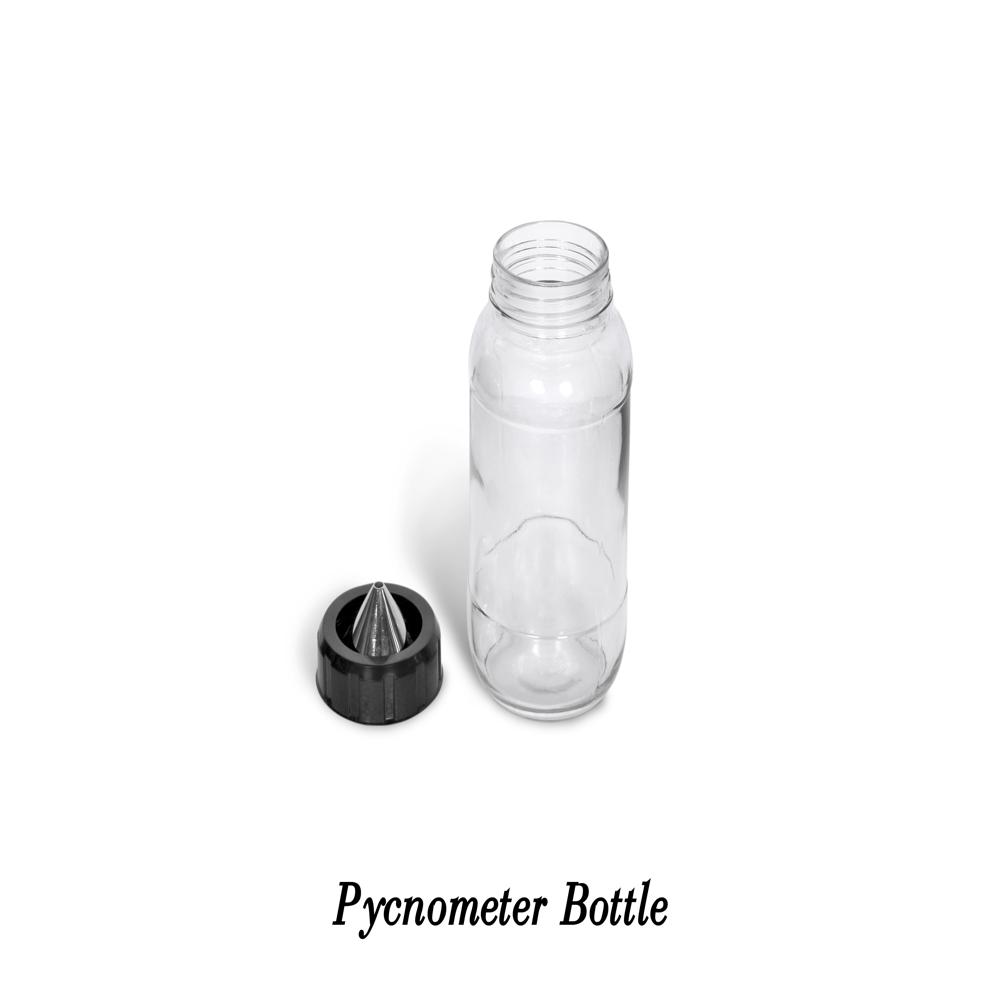
A pycnometer is a precision laboratory tool that specifies volume and material type, including a calibrated 50mL glass bottle with a ground glass stopper and a capillary tube, or a larger glass jar with a brass cone and rubber seal for soil testing.Key specifications includethe volume (e.g., 50mL, 1 liter), material (e.g., borosilicate glass), and the design of the stopper and seal for air removal and liquid containment.
Glass Pycnometers for Liquids & Solids
-
Made of high-quality borosilicate glass for durability and resistance to chemicals.
-
Available in various volumes, with common examples including 50mL or 1-liter capacity.
-
Features a ground glass stopper with a capillary tube to allow air bubbles to escape and prevent trapped air, ensuring accurate volume measurement.
-
Calibrated to a specific temperature (e.g., 20C) by weighing the contained purified water.
-
May have a flat bottom to prevent tipping or a pointed tip at the top for precise liquid filling.
Soil Pycnometers
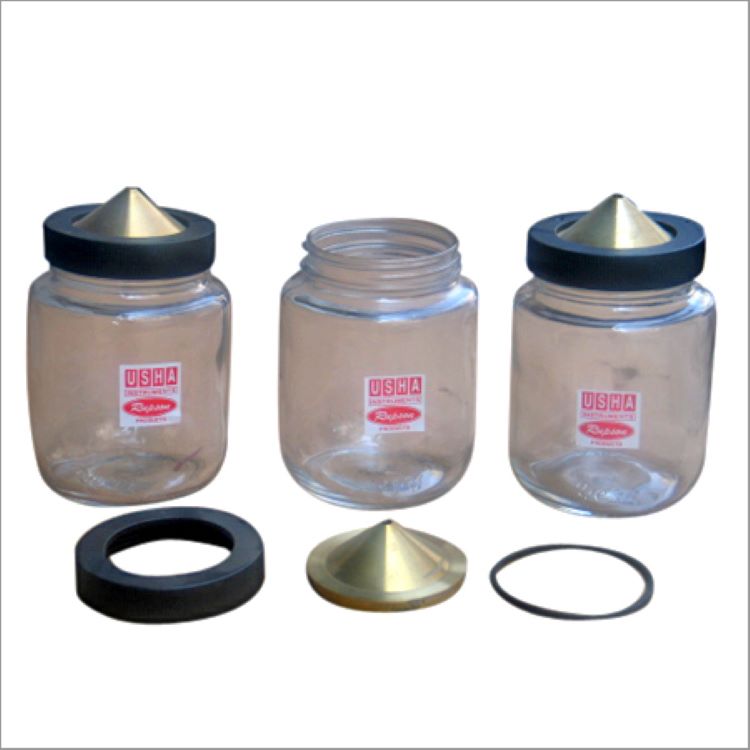
- Material:Consists of a glass jar and a brass cone.
- Volume:Typically has a larger capacity, such as 1 kg.
- Components:Includes a locking ring and a rubber seal to secure the components and prevent leaks.
- Application:Used for determining the specific gravity of cohesionless soils like clays, sand, and gravel, especially those with particle sizes smaller than 10 mm.
Key Specifications Common to Both
-
To accurately measure the density or specific gravity of a substance by measuring the volume it displaces.
-
Used in quality control, scientific research, and industrial applications for liquids, solids, and porous materials.
-
Involves filling the pycnometer with a liquid and a solid, or by weighing the instrument filled with a known volume of liquid.
Reliable Measurement of Liquid Density
Pycno meters offer consistent measurement of liquid density and specific gravity, thanks to their calibrated, airtight design. Manufactured from tough borosilicate glass, they withstand chemical exposure and resist thermal stress, making them highly durable over years of repeated use. Their precise graduation markings and accurate calibration support both routine and advanced laboratory work.
Designed for Versatility and Safety
Available in multiple standard sizes-with custom volumes possible-these pycno meters cater to a range of testing requirements. The use of ground glass or polypropylene stoppers ensures leak-proof sealing and sample integrity during measurement. Secure, box-packed shipping reduces the risk of breakage in transit, supporting safe handling and storage for retailers, distributors, and end users alike.
FAQ's of Pycno meters:
Q: How do you use a borosilicate glass pycno meter to measure the specific gravity of a liquid?
A: To use the pycno meter, first clean and dry it thoroughly. Weigh the empty pycno meter, fill it with the test liquid up to the calibrated mark, insert the stopper to ensure no air bubbles, wipe any excess liquid, and reweigh. The specific gravity is calculated by comparing the mass of the pycno meter filled with the liquid to its mass when filled with distilled water.Q: What are the benefits of using borosilicate glass pycno meters in laboratories?
A: Borosilicate glass pycno meters provide excellent chemical resistance, durability, and thermal stability. Their transparent body and clear graduation markings facilitate accurate, reliable manual readings. The airtight stopper prevents evaporation or contamination, ensuring precise and repeatable measurements for quality control and research.Q: Where can these pycno meters be used and by whom?
A: These pycno meters are widely used in educational, research, and quality control laboratories across India by scientists, researchers, quality analysts, and students. They are available through dealers, manufacturers, distributors, and wholesalers, and are suitable for both bench-top and portable applications.Q: When should a pycno meter be calibrated or replaced?
A: Calibration should be performed regularly to ensure accuracy, especially after intensive use or if the meter has been exposed to temperatures beyond the ambient range. Replacement is advised if the pycno meter shows signs of damage, cracks, or if graduation markings become unclear.Q: What is the maximum capacity and measuring range of these pycno meters?
A: Standard capacities include 50 ml, 100 ml, 250 ml, and 500 ml, with custom sizes available upon request. They typically support a measuring range of 0.5 g/cm3 to 3.0 g/cm3 with an accuracy of 0.01 g/cm3 for reliable density determination.Q: How does the airtight stopper contribute to the measurement process?
A: The ground glass or polypropylene stopper creates a leak-proof seal, preventing evaporation or contamination. This airtight closure is critical for obtaining precise readings, as it maintains sample integrity during weighing and measurement.Q: What makes these pycno meters suitable for repeated laboratory use?
A: Manufactured from tough borosilicate glass with chemical resistance, clear permanent markings, and a robust stopper, these pycno meters can be cleaned, reused multiple times, and are built to last under routine laboratory conditions. Their manual, power-free operation adds further convenience and versatility.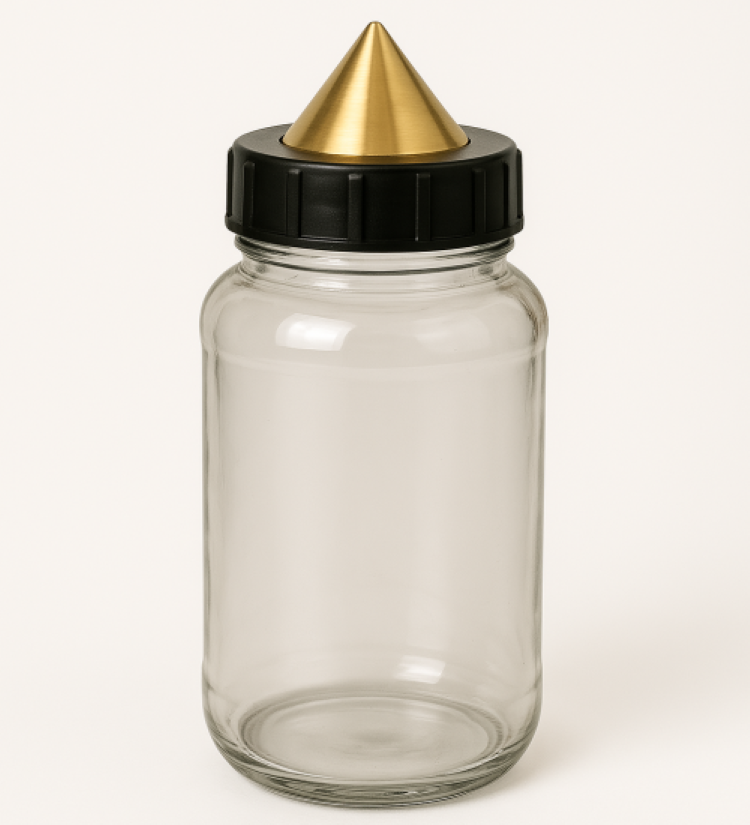
Tell us about your requirement

Price:
Quantity
Select Unit
- 50
- 100
- 200
- 250
- 500
- 1000+
Additional detail
Mobile number
Email

More Products in Soil Testing Equipment Category
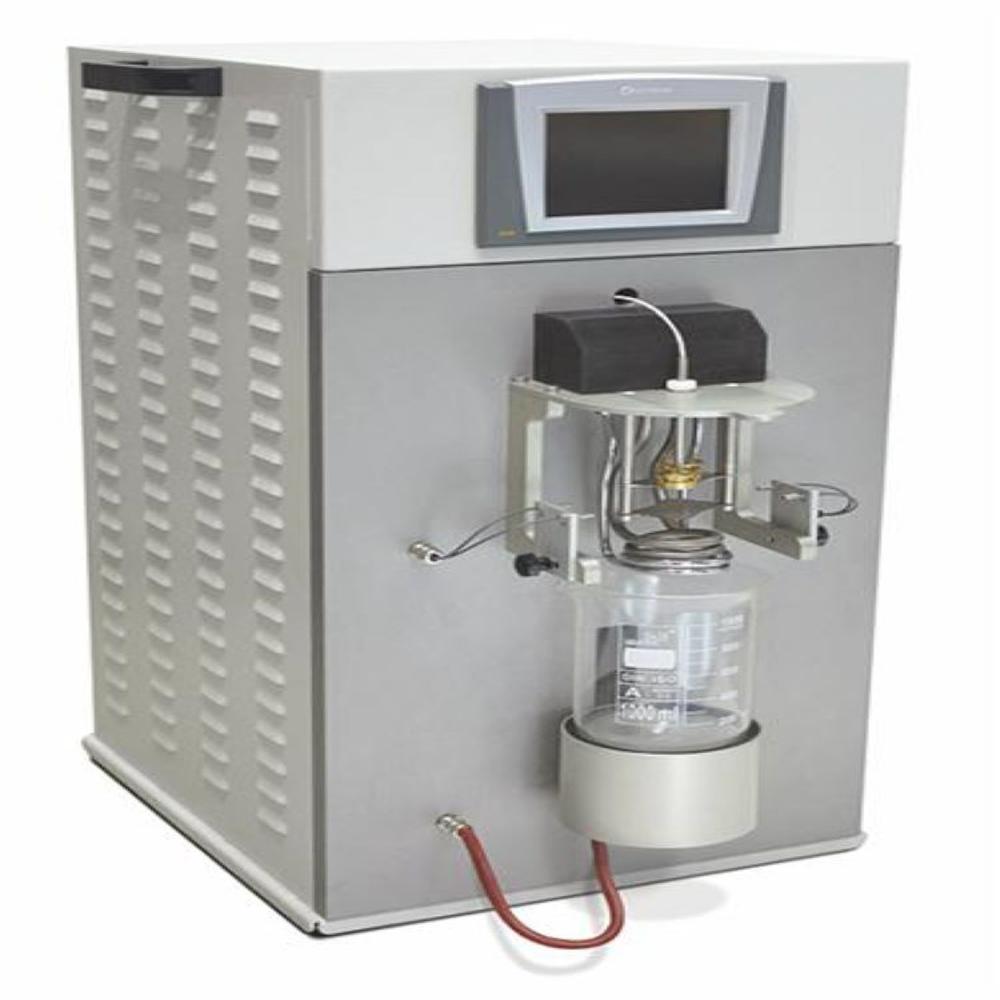
Automatic Ring and Ball Apparatus
Price 60000.0 INR / Piece
Minimum Order Quantity : 1 Piece
Application : Determination of softening point of bituminous materials
Power Supply : 230 V AC 10%, 50 Hz, single phase
Usage : Laboratory Testing
Control Mode : Microprocessor Based
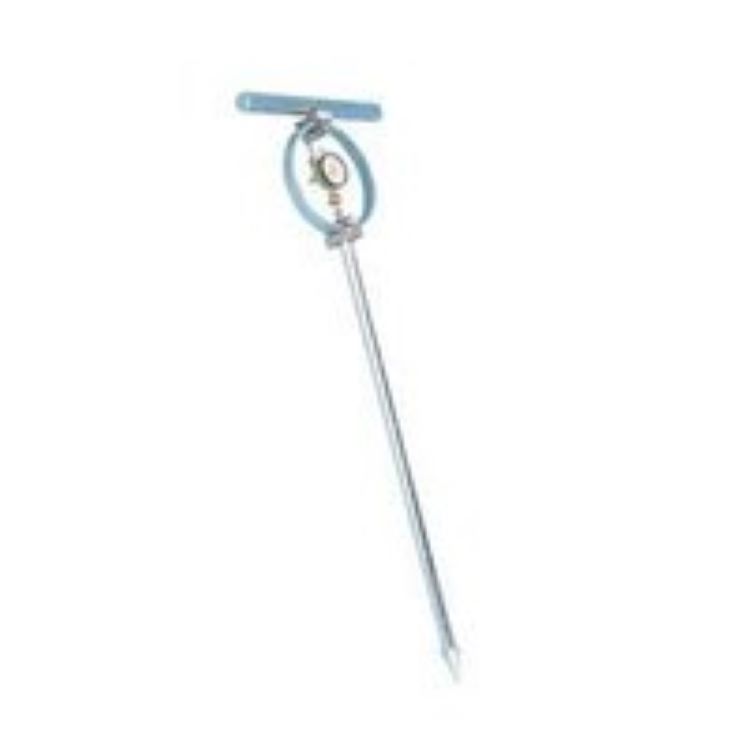
Vicksberg Pentrometer (Proving Ring Type)
Price 12000.0 INR / Piece
Minimum Order Quantity : 1 Piece
Application : Determination of Penetration Resistance of Soil for CBR & Similar Tests
Power Supply : Not Required (Manual)
Usage : Soil Penetration & Strength Evaluation
Control Mode : Manual Operation
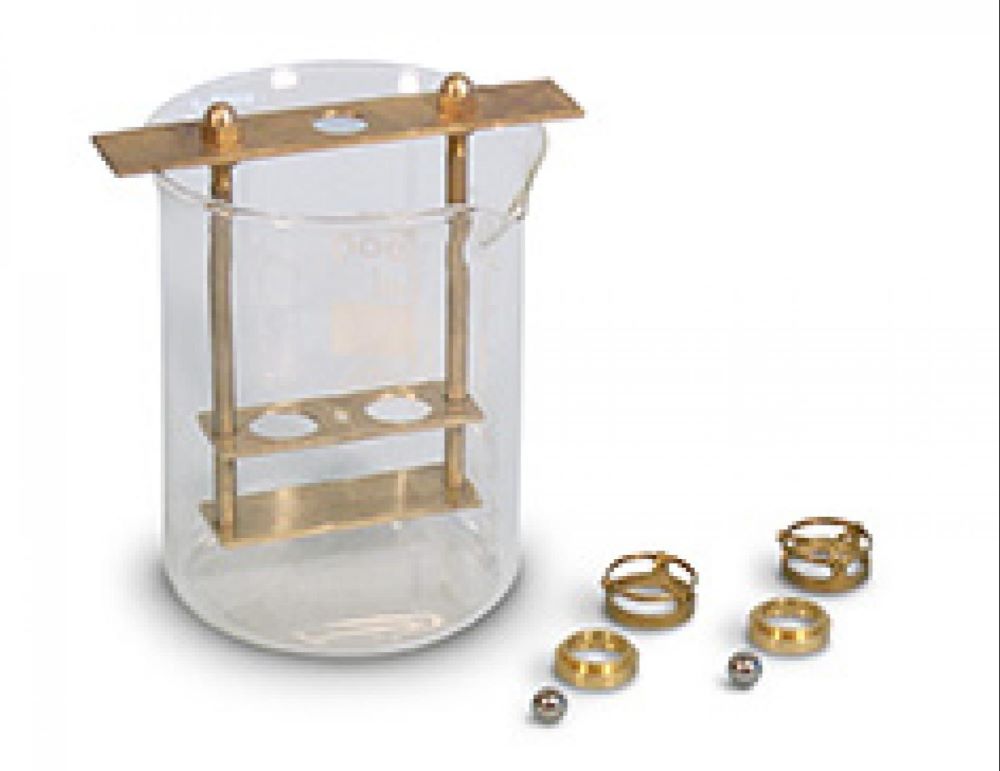
Ring And Ball Apparatus
Price 5000.0 INR
Minimum Order Quantity : 1 Piece
Application : Determining softening point of bitumen and asphalt
Usage : Laboratory test for bitumen/asphalt
Control Mode : Manual
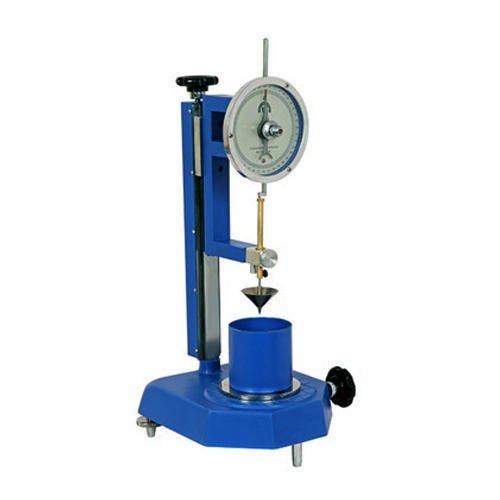
Cone Penetrometers
Price 3500 INR / Piece
Minimum Order Quantity : 1 Piece
Power Supply : Electric
Usage : Industrial

We are dealing in Coimbatore, Chennai and Tamilnadu.
 Send Inquiry
Our Products
- Concrete Testing Equipment
- Survey Lab Equipment
- Construction Equipment
- Concrete Testing Machine
- Soil Test Machine
- Survey Instrument
- Auto Level
- Cement Testing Machine
- Soil Testing Equipments
- Soil Testing Equipment
- Civil Engineering Lab Equipment
- Total Station
- Soil Test equipments
- Auto Level
- Concrete Highway Engineering lab
- Mechanical Engineering Lab Equipment
- Weighing Scale
- Laboratory Testing Equipment
- Workshop Trolleys
- Compression Testing Machine
- Water Testing Equipment
- Vertical Milling Machine
- Moulding Products
- CNC Machines
- Measuring Ruler
- Cylinder Carrier
- Core Cutting Machine
- Digital Measuring Machine
- Hydraulic Jack
- Drawing Instruments
- Fuel Testing Equipment
- Dynamics Lab Equipment
- Hydraulics and Fluid Mechanics Lab Equipment
- Heat Transfer Lab Equipment
- Scientific Equipment
- Surgical Equipment
- Hot Air Oven
- Impact Testing Machine
- Torsion Testers
- Bernoullis Theorem Apparatus
- Wooden Tripod
- Liquid Mercury
- Vibrating Table
- Material Testing Equipment
- Agriculture Equipment
- Waste Water Analysis

SF No. 189/1B1A, 191/3A1A1E, Sidco Private Industrial Estate, LIC Colony, Kurichi Pudhu Nagar, Kuruchi Housing,Coimbatore - 641021, Tamil Nadu, India

Mr Balamurugan C
(Manager)
Mobile :07313727211
 Send Inquiry
 Send SMS
Developed and Managed by Infocom Network Private Limited.
