
Call us now :07313727211
 Send Inquiry
 Send Inquiry
Ring And Ball Apparatus
MOQ : 1 Piece
Ring And Ball Apparatus Specification
- Mounting Type
- Bench-top
- Number of Specimens
- 2 rings and balls
- Interface Type
- Mechanical
- Port Size
- Standard laboratory size
- Test Range
- Up to 250°C
- Measuring Range
- Ambient to 250°C
- Response Time
- Instantaneous
- Equipment Type
- Ring and Ball Apparatus
- Hardness
- Standard brass/rubber balls
- Automation Grade
- Manual
- Specimen Size
- Ring: 16 mm dia, Ball: 9.5 mm dia
- Humidity
- Ambient
- Accuracy
- ±1°C
- Max Height
- Approx. 200 mm
- Display Type
- Analog
- Features
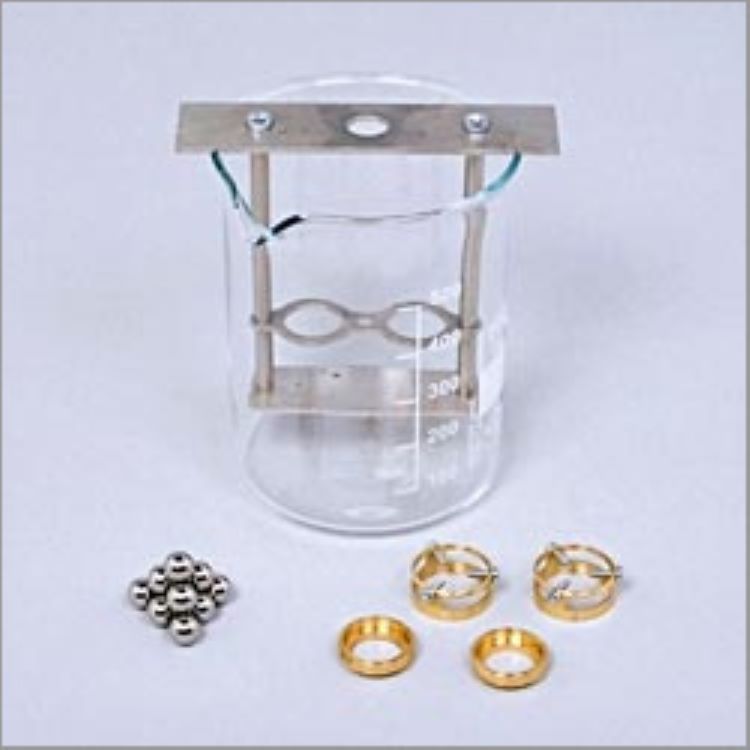
- Supplied with rings, balls, beaker, assembly;
- Temperature
- Ambient to 250°C
- Resolution
- 0.1°C
- Application
- Determining softening point of bitumen and asphalt
- Usage
- Laboratory test for bitumen/asphalt
- Capacity
- Two specimens
- Machine Weight
- Approx. 3.0 kg
- Test Speed
- Manual operation
- Test Width
- Up to 100 mm
- Test Stroke
- Fixed
- Control Mode
- Manual
- Ring Size
- Internal diameter 16 mm, External diameter 18 mm
- Finish
- Polished brass and glass
- Material of Construction
- Brass, Stainless Steel, and Heat-resistant Glass
- Packed Dimensions
- 250 × 200 × 180 mm
- Beaker Capacity
- 600 ml
- Compliance Standards
- IS 1205, ASTM D36
- Operating Environment
- Indoor/Laboratory
- Heating Source
- External (not included)
- Stirring Rod
- Glass
- Ball Diameter
- 9.5 mm
Ring And Ball Apparatus Trade Information
- Minimum Order Quantity
- 1 Piece
- FOB Port
- coimbature
- Payment Terms
- Cash Advance (CA), Cash in Advance (CID)
- Supply Ability
- 1 Piece Per Day
- Delivery Time
- 1 Days
- Sample Available
- No
- Packaging Details
- cotton box
- Main Export Market(s)
- Asia, Africa
- Main Domestic Market
- All India, South India, Central India, West India, North India, East India, Rajasthan, Gujarat, Karnataka, Kerala, Lakshadweep, Mizoram, Meghalaya, Manipur, Andhra Pradesh, Bihar, Chandigarh, Daman and Diu, Goa, Jharkhand, Odisha, Punjab, Assam, Delhi, Dadra and Nagar Haveli, Andaman and Nicobar Islands, Arunachal Pradesh, Chhattisgarh, Haryana, Himachal Pradesh, Jammu and Kashmir, Madhya Pradesh, Maharashtra, Nagaland, Sikkim, Tamil Nadu, Telangana, Tripura, Pondicherry, Uttar Pradesh, Uttarakhand, West Bengal
About Ring And Ball Apparatus
Specification:
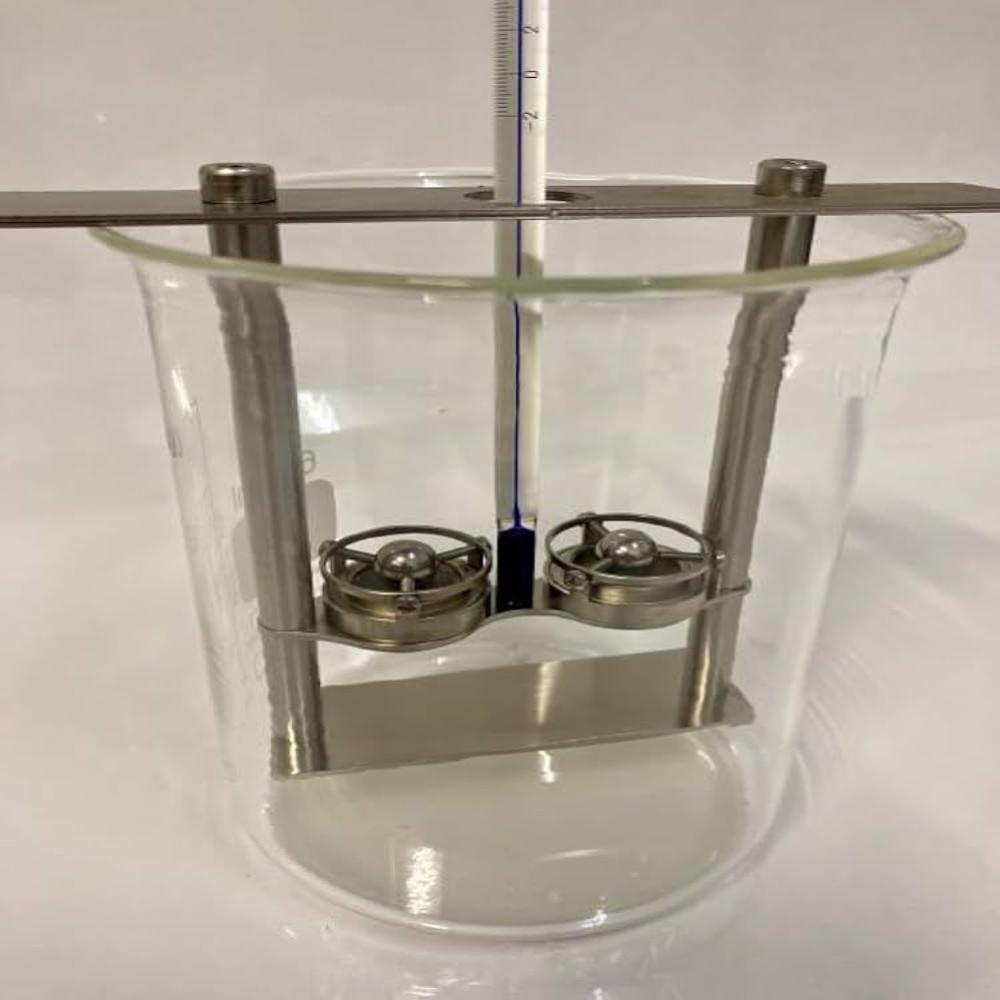
A ring and ball apparatus specification typically includes components like shouldered brass rings, 9.5mm steel balls, a ball-centering guide, a thermometer, a heat-resistant glass beaker, and a support frame with a sliding plate for placing the rings. The apparatus also requires a controlled heating unit or thermostatic hot plate capable of raising the water temperature at a specific rate, a motorized or manual stirrer, and a bottom plate positioned 25mm below the rings. The entire setup is built to measure the softening point of bituminous materials according to standards such as ASTM D36 or AASHTO T53.
Key Components
- Steel Balls: Two 9.5mm diameter steel balls, typically weighing 2.5 0.05 grams each.
- Brass Rings: Tapered, shouldered brass rings that hold the bitumen sample.
- Ball-Centering Guides: Devices to hold the steel balls in the center of the rings.
- Support Frame: A frame with a sliding plate to hold the rings and allow for the insertion of a thermometer.
- Glass Beaker: A heat-resistant glass vessel, often about 8.5 cm in internal diameter and 12 cm deep, for the heating bath.
- Thermometer: An ASTM or equivalent thermometer to accurately measure the bath temperature, sometimes requiring calibration.
- Heater/Hot Plate: A thermostatic or electronically controlled heater to provide uniform heating to the bath, sometimes with a microprocessor and auto-tune PID controller.
- Stirrer: A hand or motorized stirrer to ensure even temperature distribution throughout the bath.
- Bottom Plate: A plate positioned 25mm below the rings for the balls to drop onto.
Functional Specifications
-
The apparatus should be able to heat the bath liquid at a uniform rate, typically 5C per minute, as specified by standards like ASTM D36 or AASHTO T53.
-
The support frame should hold the upper surface of the rings 50mm below the surface of the bath liquid.
-
Modern versions may feature digital controllers for precise temperature setting and monitoring, with accuracy specifications.
-
For electrically operated models, specifications include a 230V AC, single-phase, 50Hz power supply.
Application
The ring and ball apparatus is used in the quality control of bituminous materials to determine their softening point. The softening point is the temperature at which the bitumen sample, loaded with a steel ball, drops a specified distance.
Precision in Bitumen Testing
Engineered for accuracy in the determination of bitumen and asphalt softening points, this Ring and Ball Apparatus ensures reliable and repeatable results. Its robust construction supports laboratory professionals in conforming to stringent standards and quality controls.
Superior Build and Durability
Constructed using corrosion-resistant brass, stainless steel, and heat-resistant glass, the apparatus withstands rigorous laboratory procedures. Its polished finish and resilient components guarantee a long service life, ensuring value for users in research, manufacturing, and quality testing.
Versatile and Standard-Compliant
Compliant with IS 1205 and ASTM D36, this device is ideal for laboratories, teaching institutions, and quality assurance applications throughout India. The manual control mode allows precise test procedures, while its compact, bench-top design ensures seamless integration into laboratory setups.
FAQ's of Ring And Ball Apparatus:
Q: How do I use the Ring and Ball Apparatus for determining the softening point of bitumen?
A: Place the rings and balls inside the heat-resistant glass beaker, fill it with the sample, and manually operate the heating source (external, not included). Gradually heat the setup while stirring, and observe the temperature at which the balls pass through the softened bitumen. Record this temperature according to IS 1205 and ASTM D36 standards.Q: What materials are used in the construction of this apparatus?
A: The apparatus is manufactured from high-quality brass, stainless steel, and heat-resistant glass. These materials contribute to durability, corrosion resistance, and reliable performance throughout repeated test cycles in a laboratory environment.Q: When should I use the Ring and Ball Apparatus for testing?
A: Use the apparatus whenever you need to determine the softening point of bitumen or asphalt-typically for quality control in construction, asphalt production, or academic research. It is suitable for routine testing in temperature ranges from ambient up to 250C.Q: Where should the Ring and Ball Apparatus be operated?
A: This device is designed specifically for indoor or laboratory environments with ambient humidity and temperature control. Bench-top mounting ensures stability and safety during operation.Q: What benefits does this apparatus offer compared to other testing methods?
A: The Ring and Ball Apparatus provides highly accurate and immediate results (1C, 0.1C resolution) through a straightforward manual process. Its compliance with IS 1205 and ASTM D36 offers assurance of consistent, industry-standard results.Q: How many specimens can be tested simultaneously with this apparatus?
A: The apparatus accommodates two specimens at a time, using two rings and two balls, allowing for parallel and comparative testing to enhance laboratory efficiency.Q: What is included with the apparatus, and is any external equipment required?
A: The package includes polished brass rings, stainless steel balls, a 600 ml heat-resistant glass beaker, a glass stirring rod, and a complete assembly. However, you will need to provide an external heating source for sample testing.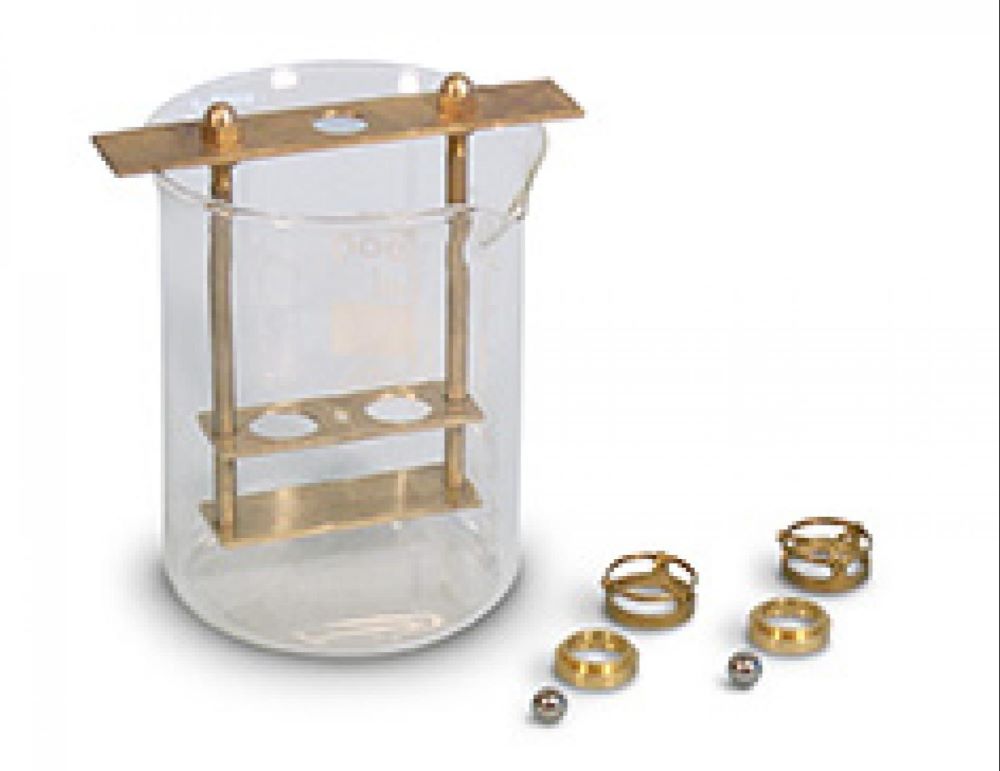
Tell us about your requirement

Price:
Quantity
Select Unit
- 50
- 100
- 200
- 250
- 500
- 1000+
Additional detail
Mobile number
Email

More Products in Soil Testing Equipment Category
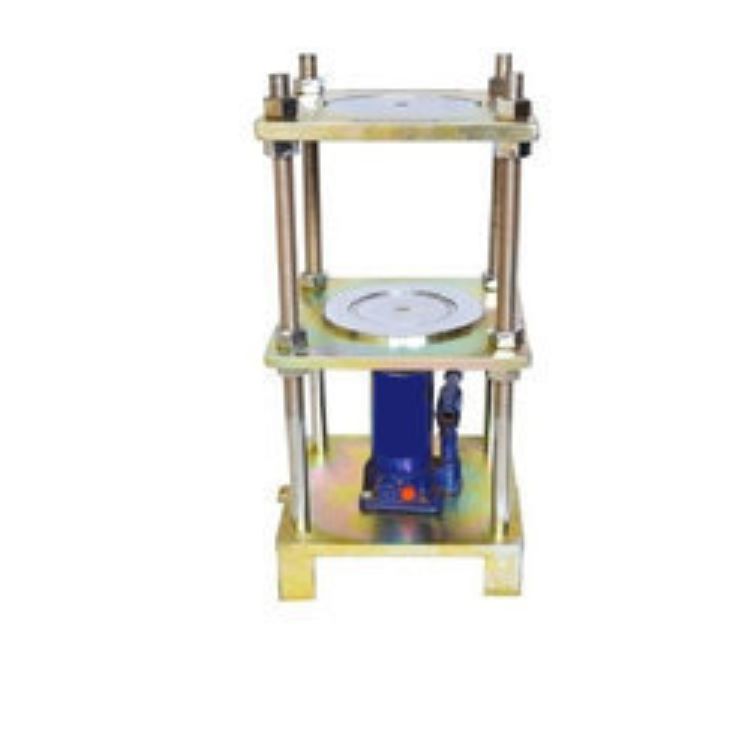
Universal Extruder Frame Hydraulic
Price 12000.0 INR / Piece
Minimum Order Quantity : 1 Piece
Mounting Type : Floor Mounted
Usage : Industrial Material Testing
Application : Plastic, Rubber, Polymer Extrusion Testing
Number of Specimens : 1 to 2
Sieve Shaker - Gyratory
Price 10000.0 INR
Minimum Order Quantity : 1 Piece
Mounting Type : Benchtop
Usage : Laboratory and industrial material testing
Application : Particle size analysis / Laboratory testing
Number of Specimens : Holds up to 7 standard sieves plus pan and lid
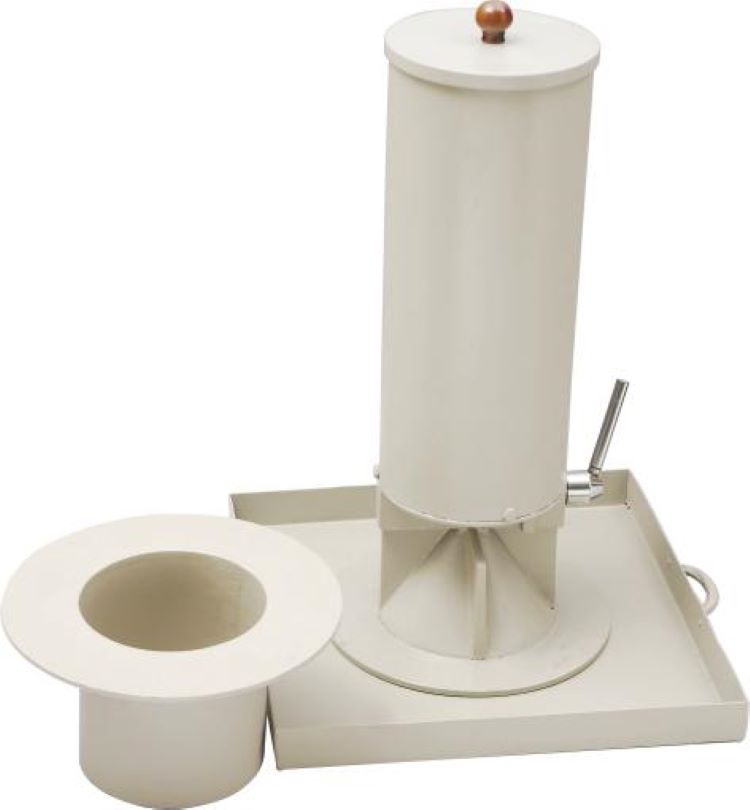
Sand Pouring Cylinder - BS
Price 8000.0 INR / Piece
Minimum Order Quantity : 1 Piece
Mounting Type : Portable/Handheld
Usage : Civil Engineering, Lab and Field Testing of Soil
Application : Determining insitu density of sand and soil (BS Standard)
Number of Specimens : 1 per Test
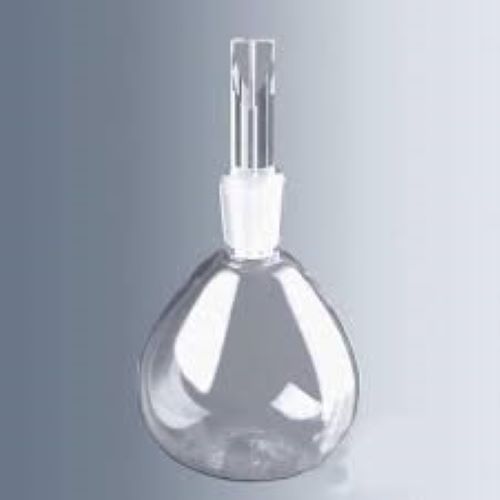
Den-sity Bottle (G-ay-Lu-ssac Type)
Price 500.0 INR / Piece
Minimum Order Quantity : 1 Piece
Mounting Type : Benchtop
Usage : Laboratory, research, educational purposes
Application : Used for precise determination of liquid density
Number of Specimens : 1 Bottle Per Use

We are dealing in Coimbatore, Chennai and Tamilnadu.
 Send Inquiry
Our Products
- Concrete Testing Equipment
- Survey Lab Equipment
- Construction Equipment
- Concrete Testing Machine
- Soil Test Machine
- Survey Instrument
- Auto Level
- Cement Testing Machine
- Soil Testing Equipments
- Soil Testing Equipment
- Civil Engineering Lab Equipment
- Total Station
- Soil Test equipments
- Auto Level
- Concrete Highway Engineering lab
- Mechanical Engineering Lab Equipment
- Weighing Scale
- Laboratory Testing Equipment
- Workshop Trolleys
- Compression Testing Machine
- Water Testing Equipment
- Vertical Milling Machine
- Moulding Products
- CNC Machines
- Measuring Ruler
- Cylinder Carrier
- Core Cutting Machine
- Digital Measuring Machine
- Hydraulic Jack
- Drawing Instruments
- Fuel Testing Equipment
- Dynamics Lab Equipment
- Hydraulics and Fluid Mechanics Lab Equipment
- Heat Transfer Lab Equipment
- Scientific Equipment
- Surgical Equipment
- Hot Air Oven
- Impact Testing Machine
- Torsion Testers
- Bernoullis Theorem Apparatus
- Wooden Tripod
- Liquid Mercury
- Vibrating Table
- Material Testing Equipment
- Agriculture Equipment
- Waste Water Analysis

SF No. 189/1B1A, 191/3A1A1E, Sidco Private Industrial Estate, LIC Colony, Kurichi Pudhu Nagar, Kuruchi Housing,Coimbatore - 641021, Tamil Nadu, India

Mr Balamurugan C
(Manager)
Mobile :07313727211
 Send Inquiry
 Send SMS
Developed and Managed by Infocom Network Private Limited.
