

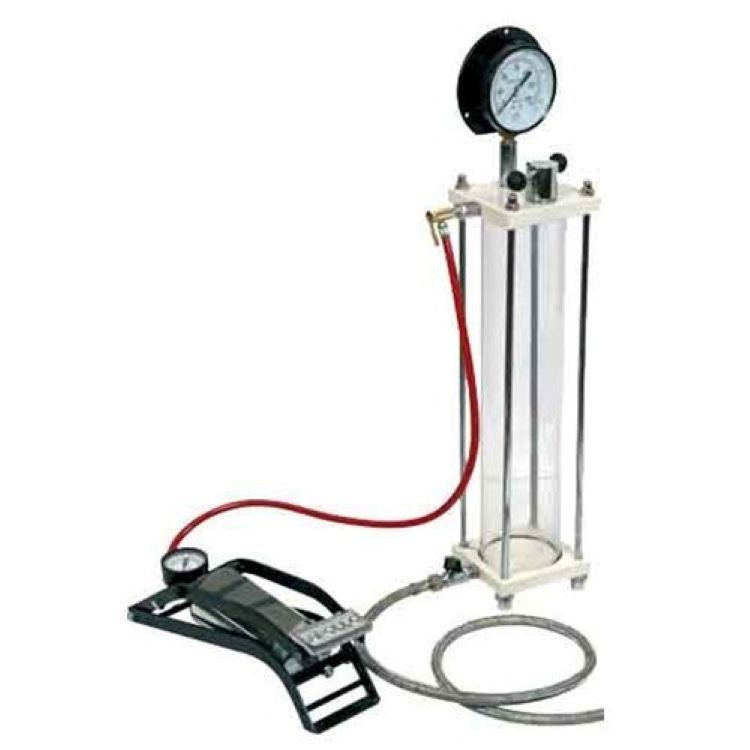
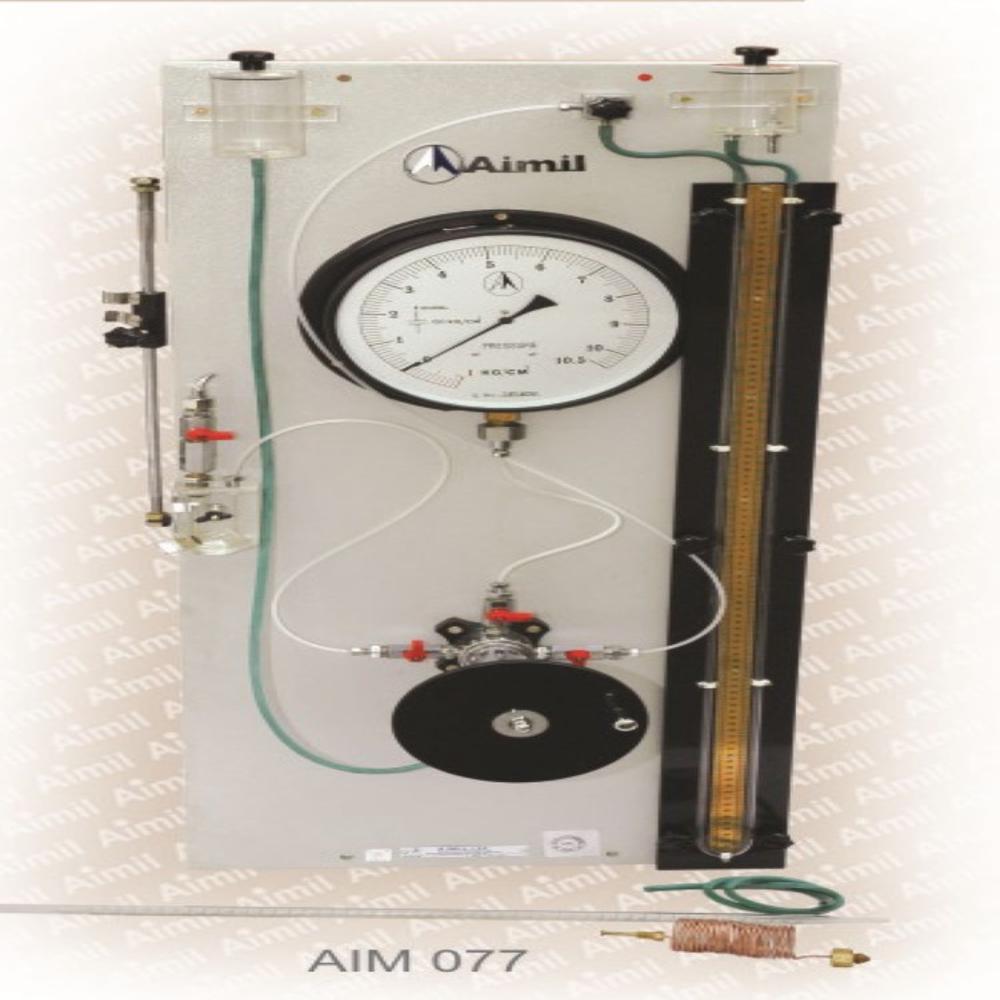
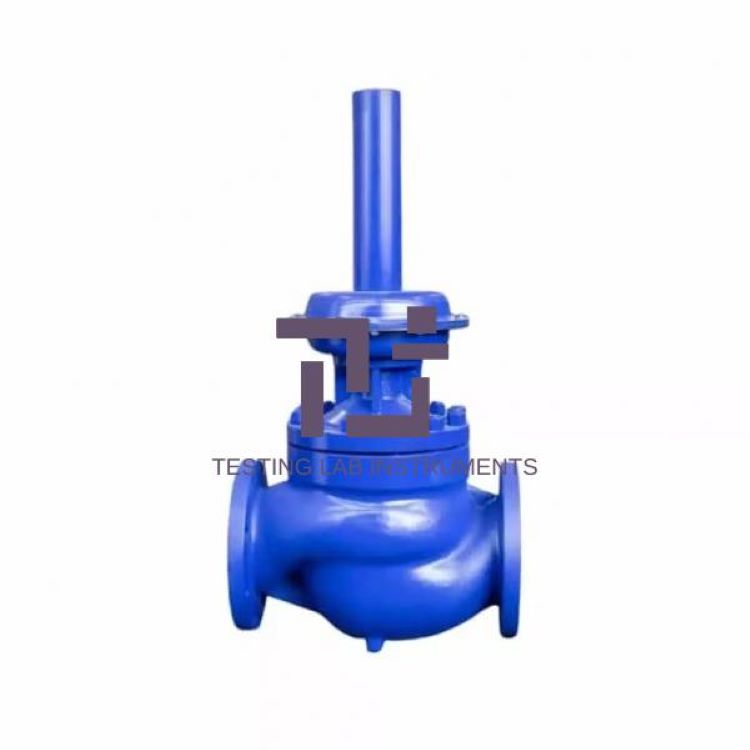
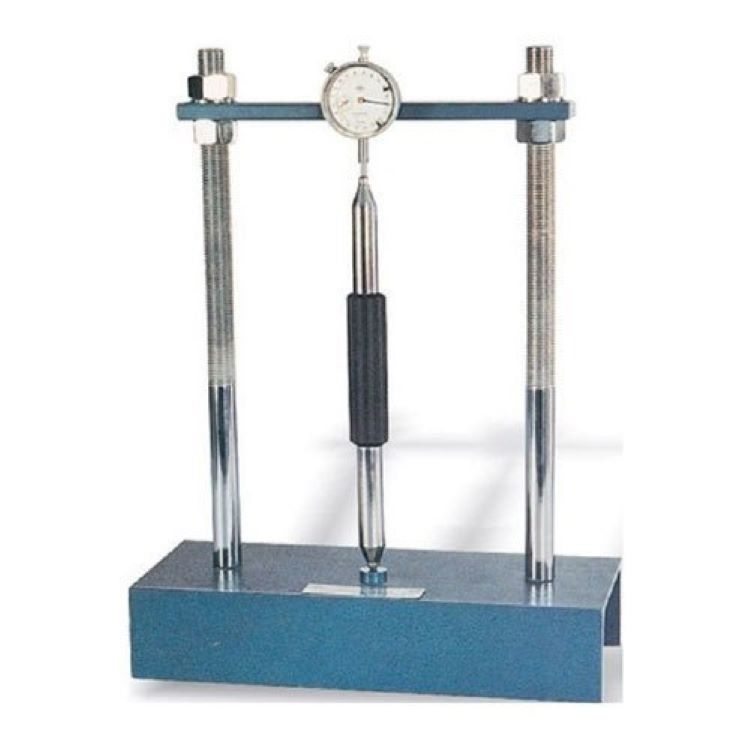
A lateral pressure assembly spec details the specifications of equipment used to apply cell pressure to specimens in triaxial soil testing, including pressure capacity (e.g., 10 kg/cm), power requirements (e.g., 220-230V, manual or semi-automatic operation), materials (steel, stainless steel), and components like pressure gauges, pumps, and chambers. The exact specifications vary by application and manufacturer, but a typical assembly includes a pressure chamber for triaxial specimens, a pressure gauge to monitor cell pressure, and a mechanism like a foot pump or motor for applying and adjusting the pressure.
Common Specifications:
Application:
Primarily used in soil mechanics for triaxial testing to apply cell pressure to a specimen.
Pressure Capacity:
Often around 10 kg/cm, but this can vary depending on the specific model and intended use.
Power Source:
Voltage:Typically 220V or 230V AC.
Frequency:50-60 Hz.
Operation:Can be manual, semi-automatic, or electro-mechanical with controlled loading.
Materials:
Common materials include stainless steel or mild steel, with brass components also used for pressure-sensitive parts.
Components:
Pressure Chamber:A container that holds the specimen and allows for cell pressure to be applied.
Pressure Gauge:A dial to monitor the applied cell pressure.
Pumping Mechanism:A foot pump or electric system to apply and adjust the pressure.
Accessories:May include flanged top caps, water drains, and air valves.
Automation Grade:
Ranging from purely manual operation to semi-automatic and electro-mechanical designs.
Dimensions & Weight:
These specifications are variable and depend on the design and manufacturer.
Tell us about your requirement
Price:
Quantity
Select Unit
50
100
200
250
500
1000+
Additional detail
Mobile number
Email
Name
Comapny Name
Phone Number
Email Id
City / State
Confirm Your Requirement
Verification Code
Did not receive yet?
Resend OTP
Youre Done!
We have received your requirements and will reply shortly with the best price.