
Call us now :07313727211
 Send Inquiry
 Send Inquiry
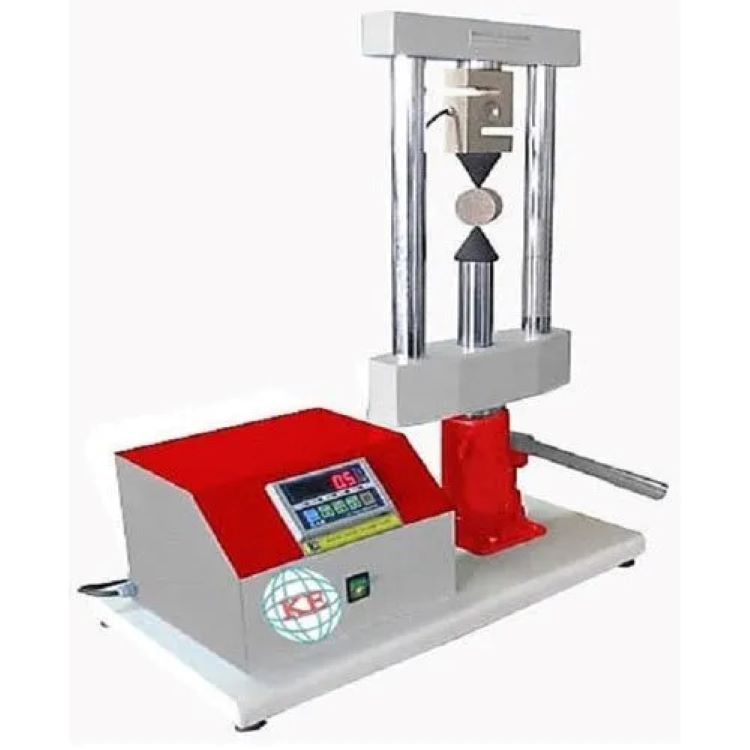
Digital Point Load Test Apparatus
Price 80000.0 INR/ Piece
MOQ : 1 Piece
Digital Point Load Test Apparatus Specification
- Temperature
- Operating range 5C ~ 40C
- Hardness
- N/A (for metallic body: approx. 55 HRC steel parts)
- Test Range
- 0 - 100 kN
- Display Type
- Digital LCD display
- Accuracy
- 1% of reading
- Features
- Digital force reading, automatic data capture, rugged construction, overload protection
- Interface Type
- USB / RS232 (optional)
- Number of Specimens
- 1 specimen per test
- Automation Grade
- Semi-automatic
- Measuring Range
- 0-100 kN
- Mounting Type
- Bench-top
- Port Size
- N/A (Apparatus is standalone)
- Frequency
- 50 Hz
- Humidity
- 85% RH (non-condensing)
- Response Time
- <3 seconds
- Max Height
- 350 mm
- Resolution
- 0.01 kN
- Power Supply
- 220 V 10%, 50 Hz AC
- Operating Voltage
- 220V AC
- Equipment Type
- Digital Point Load Test Apparatus
- Application
- Determination of rock strength (point load index), laboratory testing
- Specimen Size
- Diameter: 50-100 mm; Length: 50-100 mm (typical rocks/concrete cores)
- Usage
- Laboratory, geology, civil engineering material testing
- Capacity
- 100 kN (maximum load)
- Machine Weight
- Approx. 45 kg
- Test Speed
- Variable, typically 1-5 mm/min
- Test Width
- Up to 150 mm specimen width
- Test Stroke
- 0-50 mm
- Control Mode
- Digital automatic control
- Readout Unit
- Microprocessor-based digital indicator
- Body Material
- Mild steel with powder coating
- Accessories Included
- Sample platens, operation manual, power cord
- Software
- Data logging software (optional)
- Jaw Type
- Conical point hardened steel platens
- Calibration
- Supplied with calibration certificate
- Data Storage
- Internal memory for up to 100 readings
- Compliance Standards
- IS:8764, ASTM D5731
- Safety Features
- Emergency stop, overload alert
Digital Point Load Test Apparatus Trade Information
- Minimum Order Quantity
- 1 Piece
- FOB Port
- coimbatore
- Payment Terms
- Cash Advance (CA), Cash in Advance (CID)
- Supply Ability
- 1 Piece Per Day
- Delivery Time
- 1 Days
- Sample Available
- No
- Packaging Details
- cotton box
- Main Export Market(s)
- Asia, Africa
- Main Domestic Market
- Kerala, All India, Lakshadweep, Mizoram, Meghalaya, Andhra Pradesh, Bihar, Chandigarh, Daman and Diu, Haryana, Himachal Pradesh, Jammu and Kashmir, Madhya Pradesh, Maharashtra, Central India, West India, North India, East India, Gujarat, Karnataka, Manipur, Goa, Jharkhand, Telangana, Uttarakhand, West Bengal, Andaman and Nicobar Islands, Arunachal Pradesh, Chhattisgarh, Nagaland, Rajasthan, Sikkim, South India, Odisha, Punjab, Assam, Delhi, Dadra and Nagar Haveli, Tripura, Tamil Nadu, Pondicherry, Uttar Pradesh
Digital Point Load Test Apparatus About
Specification:
Digital Point Load Testerconsists of a 60 kN capacity load frame with a hydraulic loading ram driven by a hand pump. The frame is adjustable for testing of samples up to 102mm diameter. A ruler assembled on the frame allows the direct measurement of the distance between the conical platens before and after the test. The compression load is measured by a pressure transducer connected to an advanced digital display unit assuring the best accuracy and resistance to the failure shocks
Safety Features of Digital Point Load Test Apparatus:
- Load range : 0 - 60 kn
- Digital display : 2 x 16 characters
- Resolution : 32.000 div.
- Accuracy : 1%
- Load pacer included
- Load measurement in both kn and mpa
- Serial port for pc connection
Accurate and Efficient Strength Testing
Engineered for laboratory use, the Digital Point Load Test Apparatus streamlines rock and concrete core strength evaluation. Automatic digital controls, variable test speeds, and instant LCD readout contribute to swift, repeatable, and accurate testing, vital for research and quality assurance. With a sturdy design and easy operation, it meets IS:8764 and ASTM D5731 standards, ensuring international compliance.
State-of-the-Art Data Management
Internal storage allows archiving up to 100 test results, while the optional data logging software and USB/RS232 connectivity simplifies result export, review, and backup. The digital indicator, fast response time, and error alerts ensure reliability and convenience during critical testing procedures.
Enhanced Safety and Durability
Safety is integral with built-in emergency stop and overload protection. The mild steel powder-coated body and hardened steel platens guarantee prolonged usage and consistent performance, making it a solid investment for any laboratory or material testing facility.
FAQ's of Digital Point Load Test Apparatus:
Q: How does the Digital Point Load Test Apparatus determine the strength of rocks or concrete cores?
A: The apparatus applies a controlled, incremental load to a test specimen using hardened conical platens, measuring the load at failure through a microprocessor-based digital indicator. This process determines the point load index, reflecting the specimen's strength.Q: What is the specimen size and test capacity for this apparatus?
A: The equipment accommodates specimens with diameter and length ranging from 50 to 100 mm. It is designed to test a single specimen at a time, with a maximum load capacity of up to 100 kN, suitable for typical rock or concrete core samples.Q: When is calibration required for the Digital Point Load Test Apparatus?
A: Calibration is performed prior to delivery, and a calibration certificate is supplied with the unit. It is recommended to recalibrate annually or whenever precision needs verification to ensure continued measurement reliability.Q: Where can this apparatus be installed and operated?
A: This bench-top apparatus is suitable for laboratories in geology, civil engineering, or material testing sectors. It is designed for indoor use within an operating temperature of 5C to 40C and relative humidity 85% (non-condensing).Q: What is the standard process for running a test with this device?
A: Place the specimen between the hardened conical platens, set the desired test speed (1-5 mm/min), and initiate the test through digital controls. The apparatus automatically records the breaking load, which can be viewed via the LCD display or stored in memory.Q: How does the apparatus ensure operator and equipment safety during testing?
A: Key safety features include an emergency stop function and overload alert. Rugged construction and overload protection mechanisms safeguard both users and the device during operation, lowering risks in the lab environment.Q: What are the main benefits of using this apparatus for point load testing?
A: Users benefit from automated data capture, high testing accuracy (1%), digital force display, efficient test cycles, optional data export, and robust safety features. Compliance with international standards enhances test credibility and supports diverse research or quality control needs.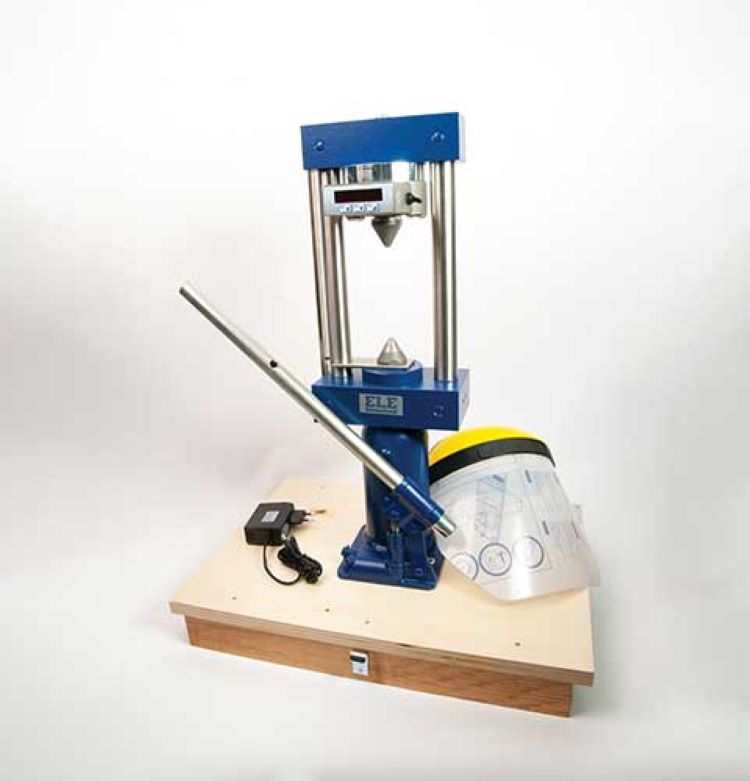
Tell us about your requirement

Price:
Quantity
Select Unit
- 50
- 100
- 200
- 250
- 500
- 1000+
Additional detail
Mobile number
Email

More Products in Concrete Highway Engineering lab Category
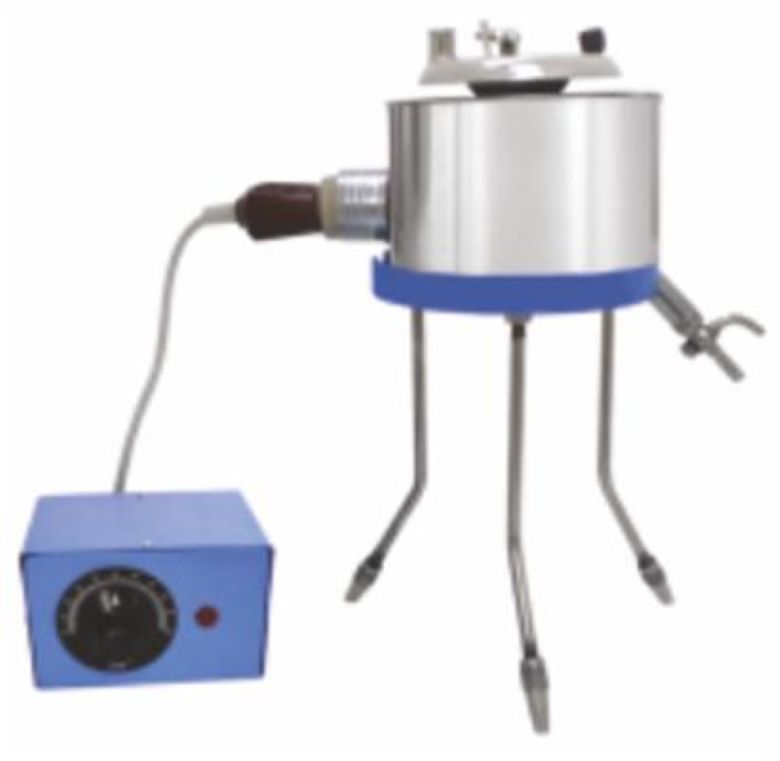
Standard Tar Viscometer
Price 15000.0 INR / Sets
Minimum Order Quantity : 1 Piece
Display Type : Manual stopwatch (supplied)
Accuracy : 1 second
Capacity : 500 ml (Sample Cup)
Features : Sturdy construction, corrosion resistant, easy operation, removable cup and jet, spirit level provided
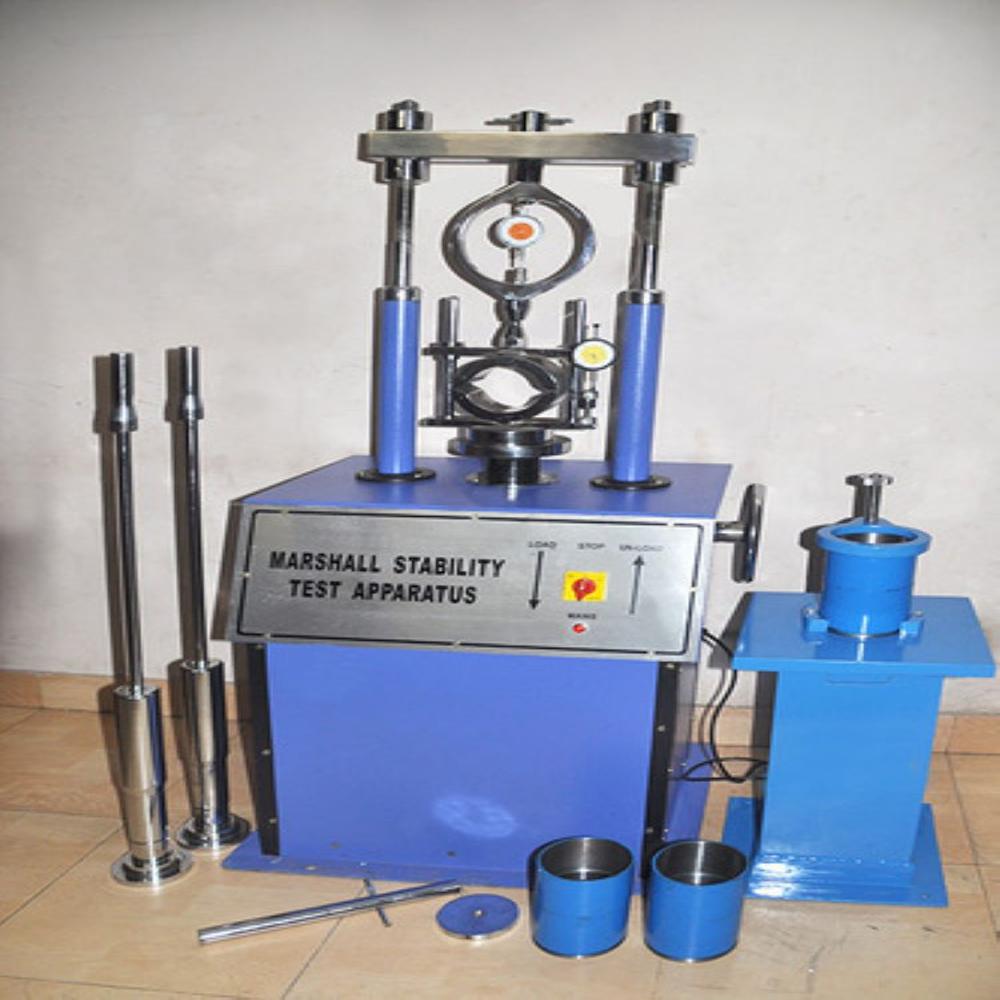
Automatic Marshall Stability Test Machine
Price 100000.0 INR
Minimum Order Quantity : 1 Piece
Display Type : Digital LCD with Peak Hold Feature
Accuracy : 0.1 kN
Capacity : 50 kN
Features : Automatic Data Acquisition, Peak Value Hold, Compact Design, Safety features, Microprocessor Controlled
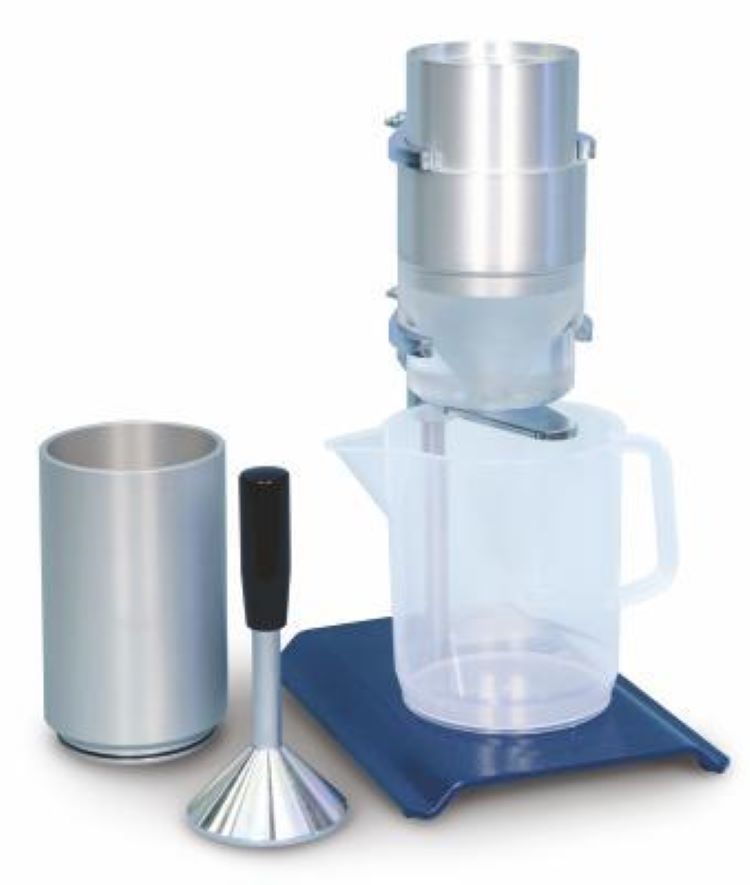
Index Apparatus (Flow Coefficient Of Fine Aggregates)
Price 50000.0 INR / Piece
Minimum Order Quantity : 1 Piece
Display Type : Analog (Graduated Cylinder/Stopwatch)
Accuracy : As per IS Specification
Capacity : About 1 Liter
Features : Easy to Use, Portable, Standardized for Laboratory Testing
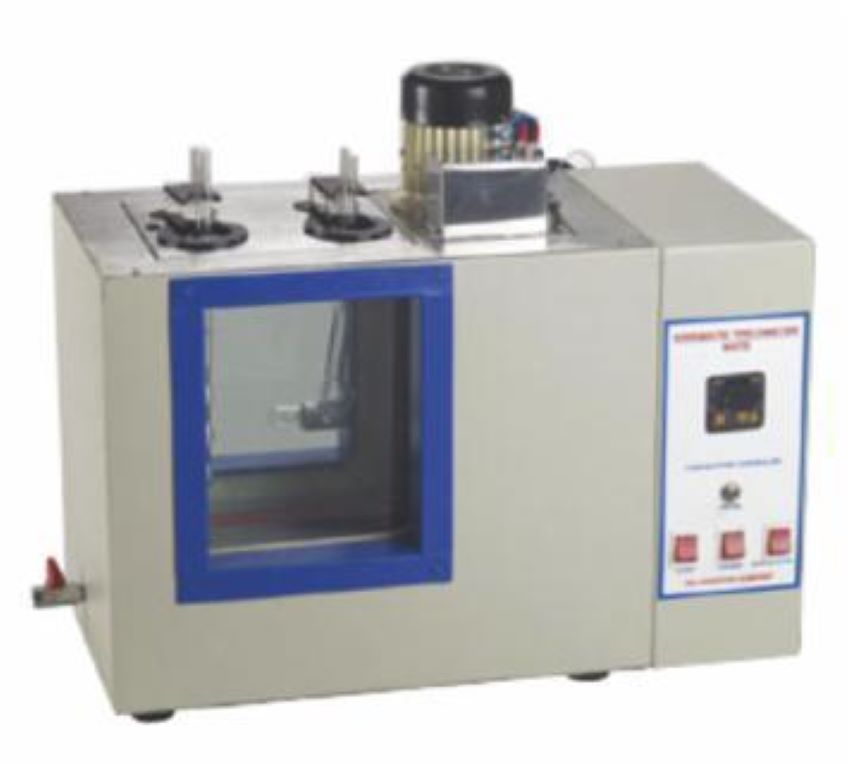
Kinematic Viscometer Bath
Price 30000.0 INR
Minimum Order Quantity : 1 Piece
Display Type : Digital LED display
Accuracy : 0.1C
Capacity : 15 liters
Features : Uniform temperature distribution, corrosionresistant material, overtemperature protection, glass observation window

We are dealing in Coimbatore, Chennai and Tamilnadu.
 Send Inquiry
Our Products
- Concrete Testing Equipment
- Survey Lab Equipment
- Construction Equipment
- Concrete Testing Machine
- Auto Level
- Soil Test Machine
- Survey Instrument
- Cement Testing Machine
- Soil Testing Equipments
- Soil Testing Equipment
- Civil Engineering Lab Equipment
- Total Station
- Soil Test equipments
- Concrete Highway Engineering lab
- Mechanical Engineering Lab Equipment
- Weighing Scale
- Laboratory Testing Equipment
- Workshop Trolleys
- Compression Testing Machine
- Water Testing Equipment
- Cube Mould
- Non Destructive Testing Equipment
- Core Cutting Machine
- Digital Measuring Machine
- Oil & Petroleum Testing Equipment
- Drawing Instruments
- Fuel Testing Equipment
- Dynamics Lab Equipment
- Hydraulics and Fluid Mechanics Lab Equipment
- Heat Transfer Lab Equipment
- Scientific Equipment
- Standard Sand
- Hot Air Oven
- Tamping Rammer
- Structural Engineering Lab Equipment
- Pharmaceutical And Microbiology Testing Laboratory
- Thermal Engineering Laboratory Equipment
- Liquid Mercury
- Vibrating Table
- Material Testing Equipment
- Waste Water Analysis
- Precision Measuring Instruments
- Walk Behind Double Drum Roller
- Vernier Theodolite
- Bitumen Testing Equipment
- Agriculture Equipment
- Bosch Measuring Tools
- Concrete Mixer Machine
- Concrete Power Trowel
- Bar Cutting Machine
- Concrete Vibrator
- Construction Mini Lift
- Bar Bending Machine
- Construction Power Tools
- DGPS Survey Equipment
- Double Wheel Barrow
- Automobile Tools
- Aggregate Testing Equipment
- Alcohol Breath Analyser
- Construction and Building Equipments
- Earth Rammer
- GARMIN Handheld GPS
- General Laboratory Equipment

SF No. 189/1B1A, 191/3A1A1E, Sidco Private Industrial Estate, LIC Colony, Kurichi Pudhu Nagar, Kuruchi Housing,Coimbatore - 641021, Tamil Nadu, India

Mr Balamurugan C
(Manager)
Mobile :07313727211
 Send Inquiry
 Send SMS
Developed and Managed by Infocom Network Private Limited.
