
Call us now :07313727211
 Send Inquiry
 Send Inquiry
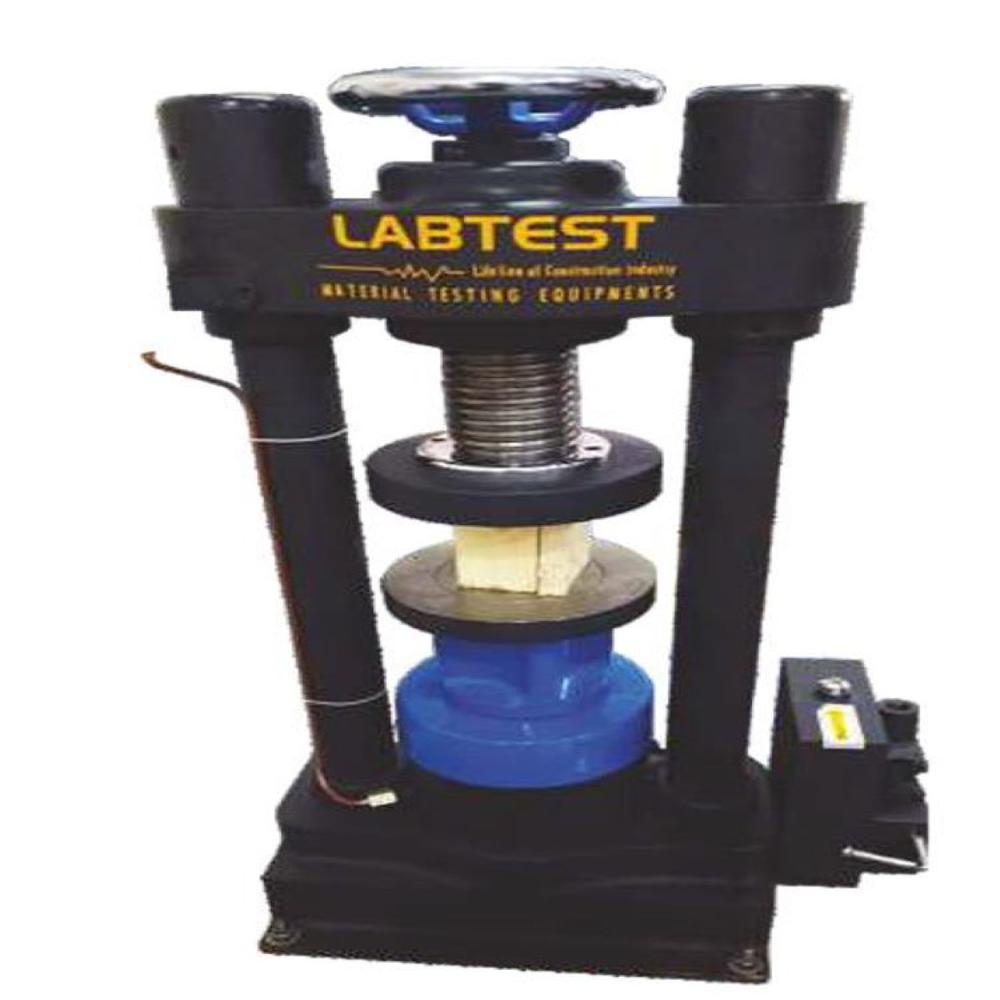
Compression Testing Machine (Channel Type Load Frame)
MOQ : 1 Piece
Compression Testing Machine (Channel Type Load Frame) Specification
- Gauge
- Pressure Gauge / Digital Load Indicator
- Control Mode
- Hydraulic/manual hand-operated or motorized
- Phase
- Single Phase / Three Phase
- Accuracy
- ±1% of indicated load
- Display Type
- Dial Gauge / Digital Display
- Frequency
- 50 Hz
- Power Supply
- 50 Hz, AC
- Load Power
- Hydraulic / Electric motorized
- Weight
- Approx. 200-250 kg
- Capacity
- 1000 kN (100 Tons)
- Frame Type
- Channel Type
- Dimension (L*W*H)
- 900mm x 400mm x 1100mm (approx.)
- Features
- Heavy-duty channel type load frame, rigid construction, overload protection, easy operation, high precision gauge
- Speed Range
- Variable, 1.2 mm/min to 1.5 mm/min
- Stroke
- 150 mm
- Usage & Applications
- For testing compressive strength in laboratory of cement, concrete, bricks etc.
- Product Type
- Compression Testing Machine (Channel Type Load Frame)
- Color
- Yellow
- Power
- 1 HP (typical for motorized version)
- Voltage
- 220V / 440V AC
- Automation Grade
- Manual / Semi-Automatic
- Pump Type
- 2-speed hydraulic pump
- Piston Diameter
- 165 mm
- Safety Features
- Overload protection, Automatic cutoff (motorized models)
- Platen Size
- 222 mm x 222 mm
- Maximum Clearance Between Platens
- 310 mm
- Recommended Sample Size
- 150 mm cubes, 100 mm cubes, cylindrical samples up to 150 mm diameter
- Oil Tank Capacity
- Approx. 10 Liters
- Finishing
- Powder Coated
- Operating Temperature
- 5°C to 45°C
Compression Testing Machine (Channel Type Load Frame) Trade Information
- Minimum Order Quantity
- 1 Piece
- FOB Port
- Chennai
- Payment Terms
- Cash Against Delivery (CAD), Cash on Delivery (COD), Cash Advance (CA), Cash in Advance (CID), Cheque
- Delivery Time
- 2 Week
- Main Export Market(s)
- Asia
- Main Domestic Market
- Chandigarh, Himachal Pradesh, Nagaland, Uttarakhand, Daman and Diu, Dadra and Nagar Haveli, Lakshadweep, East India, West India, Andaman and Nicobar Islands, Assam, Arunachal Pradesh, Bihar, Delhi, Goa, Jammu and Kashmir, Jharkhand, Karnataka, Maharashtra, Mizoram, Meghalaya, Manipur, Punjab, Pondicherry, Rajasthan, Sikkim, Tamil Nadu, Telangana, Tripura, West Bengal, Haryana, Gujarat, Uttar Pradesh, South India, Madhya Pradesh, North India, Andhra Pradesh, Kerala, Central India, Odisha, Chhattisgarh, All India
Compression Testing Machine (Channel Type Load Frame) About
In these load frames channels are used, they are welded at the top as well as bottom and with stand high loads. A hydraulic jack is fitted at centre of the base of the load frame, over which can be fitted lower platen and spacer block with the help of centering pin. A lead screw passes through the top of the frame. To the lower end of this lead screw is fixed the upper platen with spherical seat for self alignment. The platens are accurately machined, hardened and polished. The lower platen grooves to correctly place the specimen.
Note:
- The platens are normally rectangular on shape, but no special request square platens or circular platens can be supplied at an extra cost.
Dealer in Chennai
Manufacturer in Chennai
Powerful and Accurate Compression Testing
Engineered for laboratory use, this machine provides reliable and repeatable compressive strength measurements. Its 1% accuracy ensures dependable results across a range of material samples, from concrete blocks to ceramic bricks. The inclusion of digital or pressure gauge displays simplifies data monitoring.
Robust Construction with Enhanced Safety
The channel type load frame is built for durability, minimizing deflection during heavy testing. With integrated overload protection and automatic cutoff (on motorized variants), the machine prioritizes operator safety and prevents equipment damage in demanding laboratory settings.
FAQs of Compression Testing Machine (Channel Type Load Frame):
Q: How do I operate the Compression Testing Machine for sample testing?
A: Place your prepared sample (cube or cylinder) between the platens and align it properly. Depending on the control mode, operate the hydraulic pump using the manual lever or activate the motorized system. Monitor the load via the pressure gauge or digital indicator, and stop the test once the sample fails or reaches the desired load.Q: What sample sizes are supported by this machine?
A: This machine accommodates 150 mm and 100 mm cubes, as well as cylindrical specimens up to 150 mm in diameter and a height that fits the maximum clearance of 310 mm between platens. It is suitable for most standard laboratory compressive strength test formats.Q: When should I use manual versus motorized operation?
A: Manual operation, using the hand-operated hydraulic system, is ideal for smaller samples or intermittent testing. The motorized option provides efficiency for frequent or high-volume testing, enabling automatic load application and cutoff, reducing operator fatigue.Q: Where is this compression testing machine best utilized?
A: It is primarily designed for laboratory settings in educational institutions, research centers, and quality control departments of concrete, cement, and brick manufacturers. Its robust construction and precision make it suitable for both small- and large-scale testing requirements.Q: What safety features does this machine offer?
A: Safety is ensured through overload protection that prevents the system from exceeding its maximum capacity. In motorized models, an automatic cutoff further protects the machinery and user by switching off power if abnormal conditions are detected.Q: What benefits does the channel type load frame provide?
A: The channel type load frame offers rigidity and reduced deflection under heavy loads, resulting in higher measurement accuracy. This design also extends the machines service life and enhances safety during demanding compressive strength tests.Q: How precise are the test results and what is the display type?
A: Test results achieve an accuracy of 1% of the indicated load. The machine comes with either a classic pressure gauge or a digital load indicator, allowing you to choose your preferred display method for reading compressive force.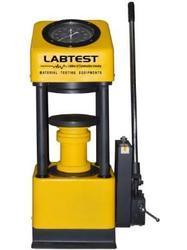
Tell us about your requirement

Price:
Quantity
Select Unit
- 50
- 100
- 200
- 250
- 500
- 1000+
Additional detail
Mobile number
Email

More Products in Compression Testing Machine Category
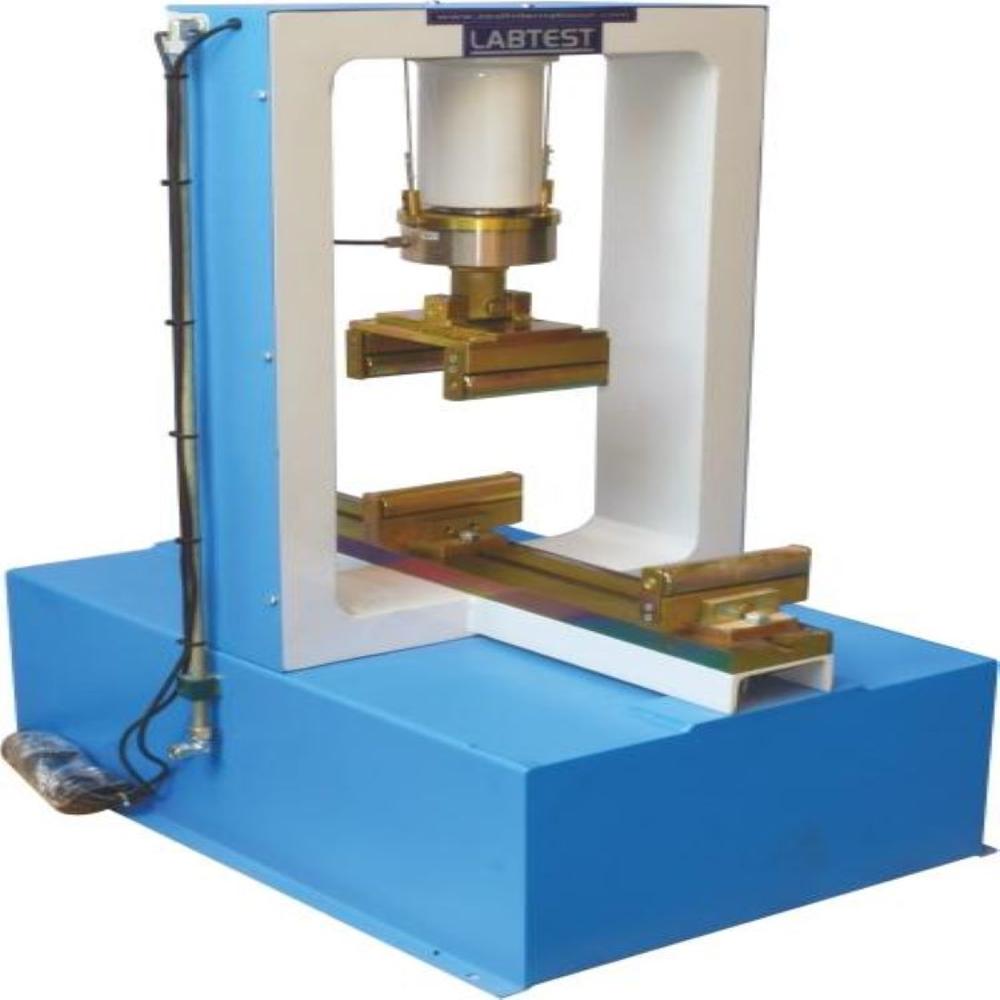
Automatic Flexure Testing Machine - 100 kN
Price 180000.0 INR / Piece
Minimum Order Quantity : 1 Piece
Automation Grade : Automatic
Features : Microprocessor driven, programmable test cycles, overload protection, emergency stop
Capacity : 100 kN
Display Type : Digital LCD Display
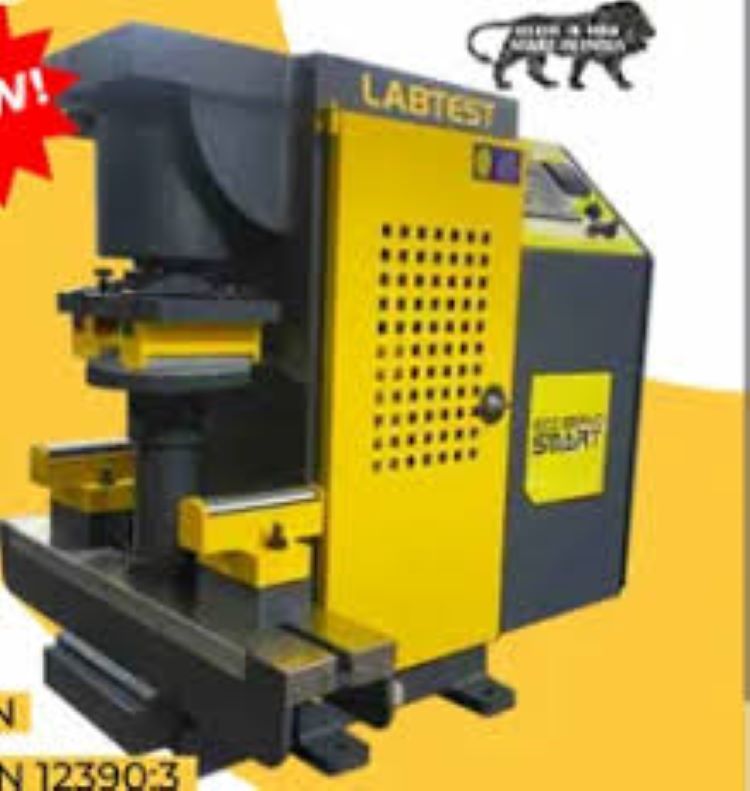
Eco Smart Compression Testing Machine
Price 195000.0 INR / Piece
Minimum Order Quantity : 1 Piece
Automation Grade : Automatic
Features : Eco Smart digital operation, programmable parameters, automatic data logging, overload protection
Capacity : 2000 kN (200 Ton)
Display Type : Large Digital LCD Touch Screen
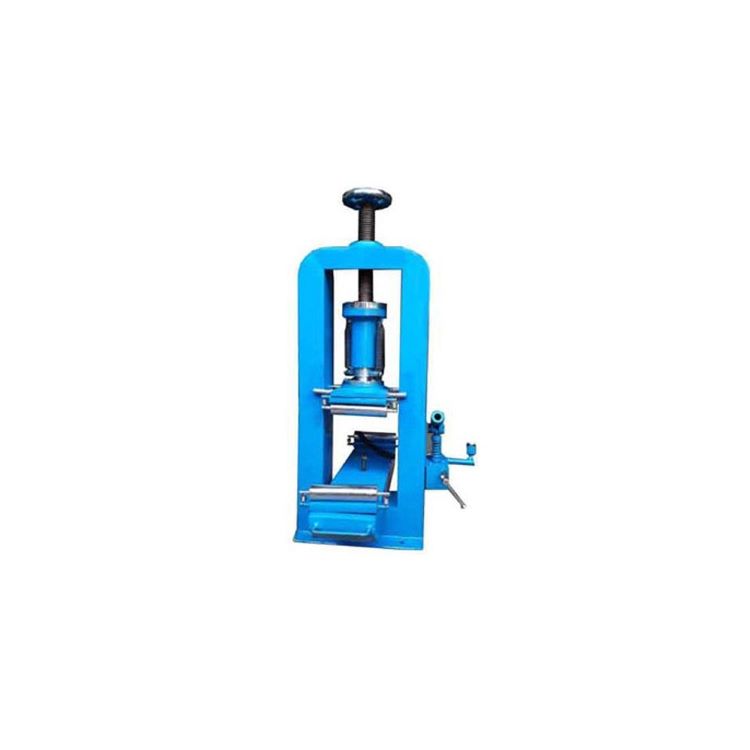
Flexure Testing Machine - Hand Operated
Price 150000.0 INR / Piece
Minimum Order Quantity : 1 Piece
Automation Grade : Manual
Features : Compact design, portable, robust construction
Capacity : 100 kN
Display Type : Dial Gauge
Two Pillar Compression Testing Machine - Hand Operated
Price 30000.0 INR / Piece
Minimum Order Quantity : 1 Piece
Automation Grade : Manual
Features : Robust structure, two pillar design, portability, low maintenance
Capacity : 1 Ton, 2 Ton, 5 Ton (Customizable)
Display Type : Analog Dial Gauge

We are dealing in Coimbatore, Chennai and Tamilnadu.
 Send Inquiry
Our Products
- Concrete Testing Equipment
- Survey Lab Equipment
- Construction Equipment
- Concrete Testing Machine
- Auto Level
- Soil Test Machine
- Survey Instrument
- Cement Testing Machine
- Soil Testing Equipments
- Soil Testing Equipment
- Civil Engineering Lab Equipment
- Total Station
- Soil Test equipments
- Concrete Highway Engineering lab
- Mechanical Engineering Lab Equipment
- Weighing Scale
- Laboratory Testing Equipment
- Workshop Trolleys
- Compression Testing Machine
- Water Testing Equipment
- Cube Mould
- Non Destructive Testing Equipment
- Core Cutting Machine
- Digital Measuring Machine
- Oil & Petroleum Testing Equipment
- Drawing Instruments
- Fuel Testing Equipment
- Dynamics Lab Equipment
- Hydraulics and Fluid Mechanics Lab Equipment
- Heat Transfer Lab Equipment
- Scientific Equipment
- Standard Sand
- Hot Air Oven
- Tamping Rammer
- Structural Engineering Lab Equipment
- Pharmaceutical And Microbiology Testing Laboratory
- Thermal Engineering Laboratory Equipment
- Liquid Mercury
- Vibrating Table
- Material Testing Equipment
- Waste Water Analysis
- Precision Measuring Instruments
- Walk Behind Double Drum Roller
- Vernier Theodolite
- Bitumen Testing Equipment
- Agriculture Equipment
- Bosch Measuring Tools
- Concrete Mixer Machine
- Concrete Power Trowel
- Bar Cutting Machine
- Concrete Vibrator
- Construction Mini Lift
- Bar Bending Machine
- Construction Power Tools
- DGPS Survey Equipment
- Double Wheel Barrow
- Automobile Tools
- Aggregate Testing Equipment
- Alcohol Breath Analyser
- Construction and Building Equipments
- Earth Rammer
- GARMIN Handheld GPS
- General Laboratory Equipment

SF No. 189/1B1A, 191/3A1A1E, Sidco Private Industrial Estate, LIC Colony, Kurichi Pudhu Nagar, Kuruchi Housing,Coimbatore - 641021, Tamil Nadu, India

Mr Balamurugan C
(Manager)
Mobile :07313727211
 Send Inquiry
 Send SMS
Developed and Managed by Infocom Network Private Limited.
