
Call us now :07313727211
 Send Inquiry
 Send Inquiry
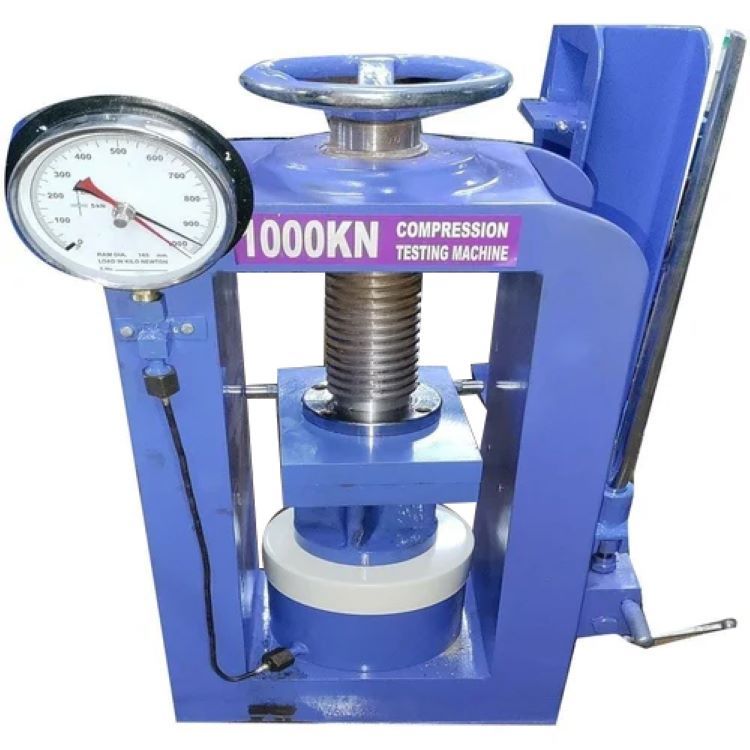
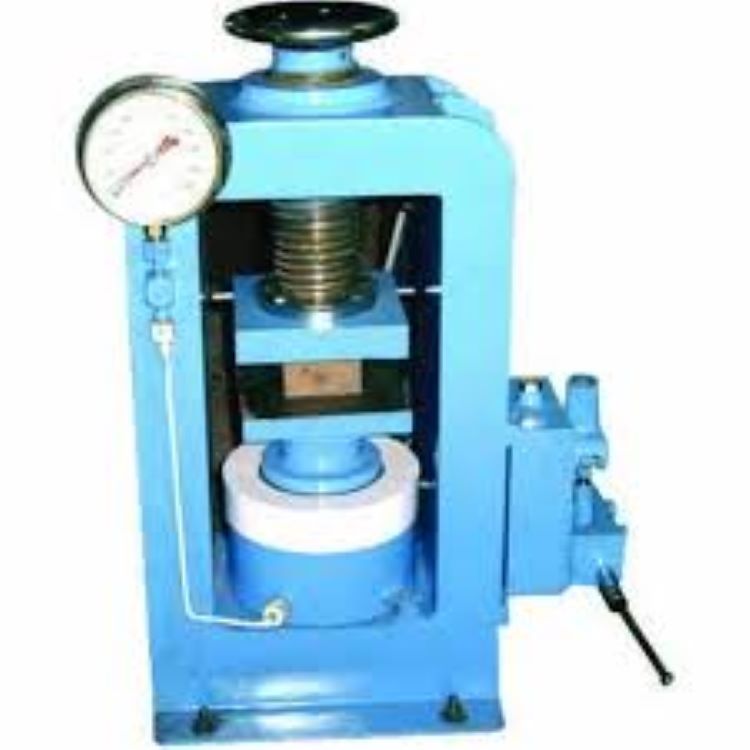
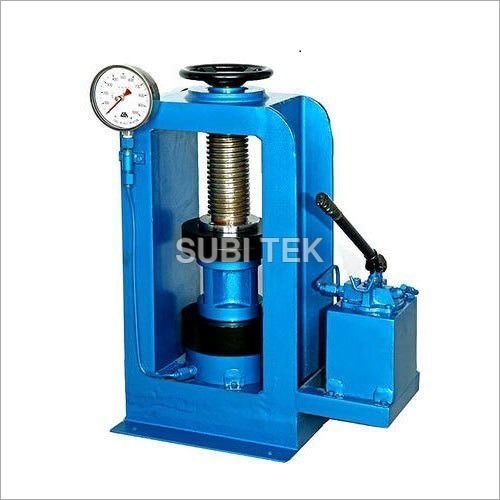
Two Pillar Compression Testing Machine - Hand Operated
Price 30000.0 INR/ Piece
MOQ : 1 Piece
Two Pillar Compression Testing Machine - Hand Operated Specification
- Body Material
- Heavy-duty Cast Iron
- Color
- Blue/Silver (customizable)
- Safety Features
- Preset mechanical stops, Overload protection
- Packaging
- Wooden box
- Platen Diameter
- 150 mm
- Manufacturer's Warranty
- 1 Year
- Loading Unit Structure
- Two Pillar, Rigid Frame
- Pressure Gauge Type
- Calibrated Analog
Two Pillar Compression Testing Machine - Hand Operated Trade Information
- Minimum Order Quantity
- 1 Piece
- FOB Port
- coimbatore
- Payment Terms
- Cash Advance (CA), Cash in Advance (CID)
- Supply Ability
- 1 Piece Per Day
- Delivery Time
- 1 Days
- Sample Available
- No
- Packaging Details
- cotton box
- Main Export Market(s)
- Asia, Africa
- Main Domestic Market
- Central India, West India, North India, East India, Gujarat, Karnataka, Kerala, Lakshadweep, Mizoram, Meghalaya, Manipur, Andhra Pradesh, Bihar, Chandigarh, Daman and Diu, Goa, Jharkhand, Odisha, Punjab, Assam, Delhi, Dadra and Nagar Haveli, Andaman and Nicobar Islands, All India, South India, Arunachal Pradesh, Chhattisgarh, Haryana, Himachal Pradesh, Jammu and Kashmir, Madhya Pradesh, Maharashtra, Nagaland, Rajasthan, Sikkim, Tamil Nadu, Uttarakhand, Telangana, Tripura, Pondicherry, Uttar Pradesh, West Bengal
About Two Pillar Compression Testing Machine - Hand Operated
Specification:
Capacity: 100, 250 & 500 kN (Low Capacity)
Two Pillar Compression Testing Machine is one of the oldest design in the Civil Material Testing Division. Two Pillar are vertically fixed to a sturdy base and at other end is fixed to a cross head. The height of the cross head is adjustable. A 200 mm diameter heavy duty load gauge is supplied with accuracy of +/- 1%. To the lower end of the lead screw is fixed the Upper Platen with a spherical seat for self-alignment. At the center of the base plate is fixed a hydraulic jack with piston lift for 50 mm.
A distance spacer block is also provided to make adjustment of different specimen to be tested. The lower platen is resting on the spacer with a center pin. This machine is state-of-the-art product for testing low strength concrete/cement specimens.
Specifications:
| Unit | ZI-2057-1 | ZI-2057-2 | ZI-2057-3 | |
| Capacity | kN | 100 | 250 | 500 |
| Ram Diameter | mm | 82 | 82 | 116 |
| Ram Travel | mm | 50 | 50 | 50 |
| Pressure Gauge | mm | 200 | 200 | 200 |
| Least Count | kN | 0.5 | 1.0 | 2.0 |
| Maximum Pressure | Kg/Sq. cm | 200 | 480 | 480 |
| Platen Diameter | mm | 200 | 200 | 200 |
| Horizontal Clearance | mm | 210 | 210 | 210 |
| Vertical Day Light | mm | 310 (adj.) | 310 (adj.) | 310 (adj.) |
| Load Frame Height with Lead-screw | mm | 850 | 850 | 850 |
| Weight of Machine (approx.) | Kg. | 120 | 125 | 130 |
| Specimen that can be Tested | mm | 50 & 70.6 | 50 & 70.6 | 50, 70.6 & 100 |
Versatile Compression Testing Solution
Engineered for laboratory and industrial environments, the Two Pillar Compression Testing Machine excels in evaluating the compression strength of various materials. Its manual operation ensures straightforward use and maintenance, while its customizable capacity and test parameters adapt to diverse specimen requirements. With a compact design and robust construction, the unit is reliable for both tabletop and floor mounting.
Precise Measurement and Safety Assured
Fitted with a calibrated analog dial gauge, the machine allows accurate readings with a resolution of 0.1 kN and an immediate manual response time. Safety features like preset stops and overload protection safeguard users and specimens. Suitable for ambient conditions (5C to 45C; 10% to 90% RH), the machine consistently delivers accurate results in varied environments.
FAQ's of Two Pillar Compression Testing Machine - Hand Operated:
Q: How does the hand wheel operation work on the Two Pillar Compression Testing Machine?
A: The machine is manually operated using a hand wheel, which allows the user to control the application of compressive force. This straightforward mechanism provides immediate response and enables fine adjustment of load during testing.Q: What types of materials can be tested using this compression machine?
A: This equipment is suitable for testing the compression strength of a wide range of specimens including concrete, bricks, rubber, and other solid materials up to 150 mm in width.Q: Where is the ideal place to mount or install the compression testing machine?
A: The machine can be set up on a tabletop or floor in laboratories or industrial settings. Its rugged construction and moderate size support flexibility in location and application.Q: What safety mechanisms are integrated with this testing machine?
A: The Two Pillar Compression Testing Machine comes equipped with preset mechanical stops and overload protection to prevent damage to both the machine and samples during testing.Q: What is the process for measuring compression strength with this machine?
A: To perform a test, position the specimen on the platen, adjust using the hand wheel to apply force, and monitor the load through the calibrated analog gauge. The result is instantly available on the dial, with accuracy up to +/- 1% of indicated load.Q: What are the benefits of using a manual, hand-operated compression machine?
A: Manual operation eliminates the need for a power supply, reduces maintenance, and facilitates immediate testing, making the machine accessible and easy to operate in varied locations.Q: When is it recommended to use this machine for compression testing?
A: It is ideal for routine laboratory tests, quality control processes in production, or research applications where measurement accuracy, reliability, and portability are essential.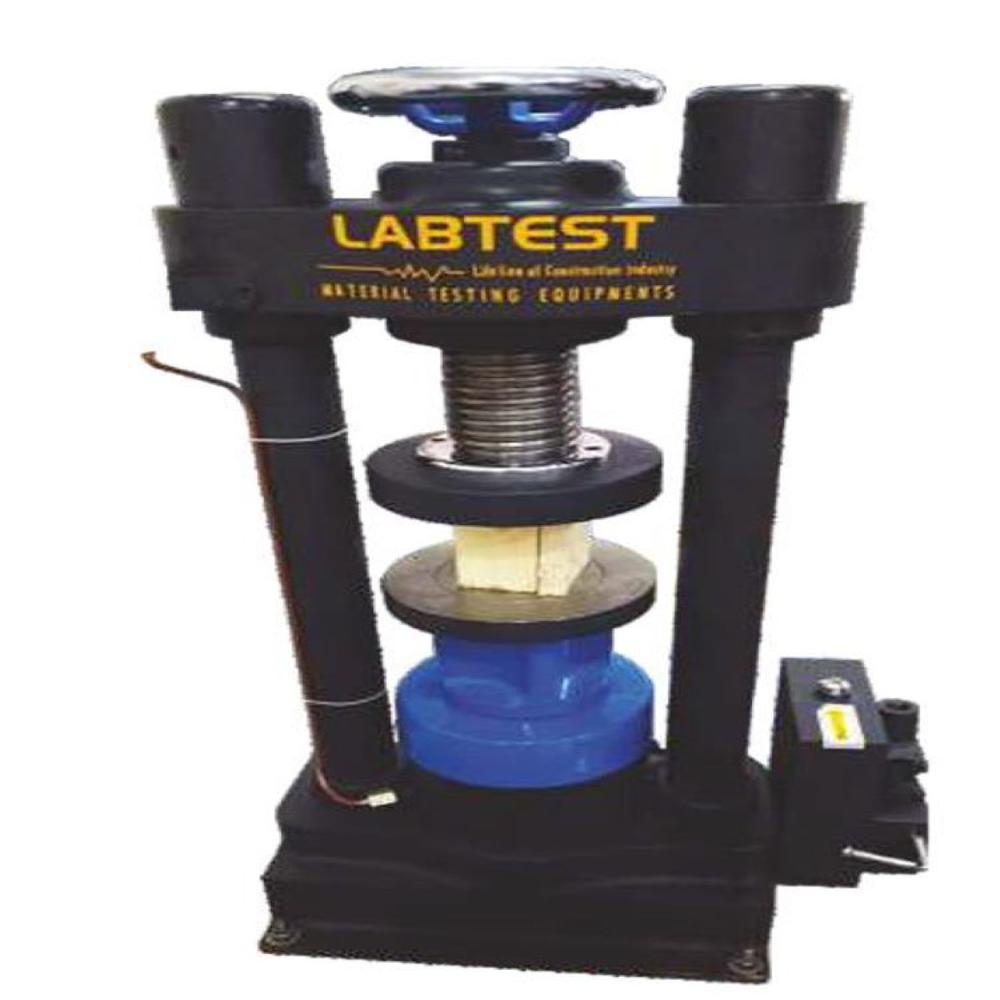
Tell us about your requirement

Price:
Quantity
Select Unit
- 50
- 100
- 200
- 250
- 500
- 1000+
Additional detail
Mobile number
Email

More Products in Compression Testing Machine Category
High Capacity 4 Column Automatic Compression Testing Machine
Price 1550000 INR / Piece
Minimum Order Quantity : 1 Piece
Usage & Applications : Laboratory, Cement, Concrete Compression Testing, Civil Engineering
Weight : Approx. 1300 kg
Automation Grade : Automatic
Phase : Three Phase
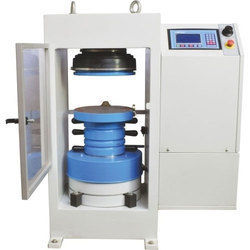
Fully Automatic Compression Testing Machine
Price 400000.00 INR
Minimum Order Quantity : 1 Piece
Usage & Applications : Laboratory, Construction material testing
Weight : Approx. 300 kg
Automation Grade : Other, Fully Automatic
Phase : Single phase
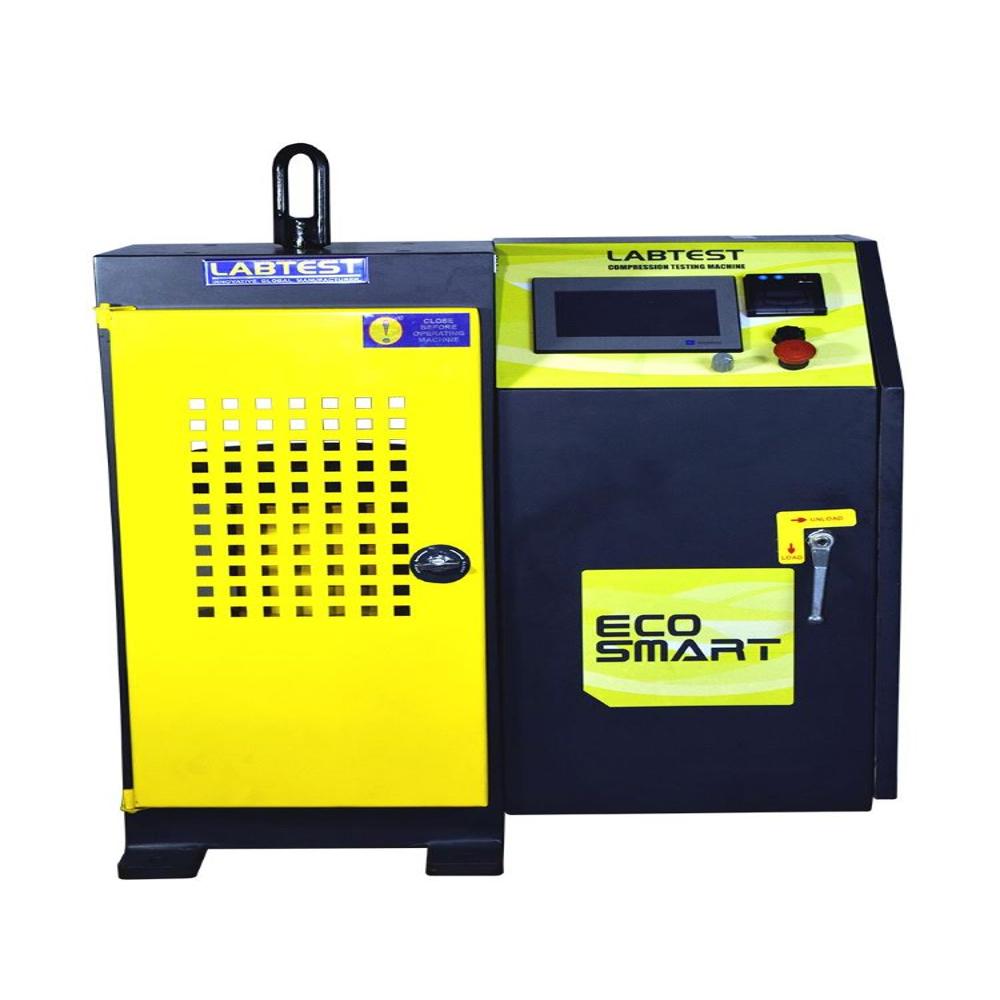
Compression Testing Machine
Price 38000 INR / Piece
Minimum Order Quantity : 1 Piece
Usage & Applications : For measuring compressive strength of concrete cubes, cylinders, bricks etc.
Weight : Approx. 500 kg
Automation Grade : Other, SemiAutomatic
Phase : Single Phase or Three Phase (as per model)

We are dealing in Coimbatore, Chennai and Tamilnadu.
 Send Inquiry
Our Products
- Concrete Testing Equipment
- Survey Lab Equipment
- Construction Equipment
- Concrete Testing Machine
- Soil Test Machine
- Survey Instrument
- Auto Level
- Cement Testing Machine
- Soil Testing Equipments
- Soil Testing Equipment
- Civil Engineering Lab Equipment
- Total Station
- Soil Test equipments
- Auto Level
- Concrete Highway Engineering lab
- Mechanical Engineering Lab Equipment
- Weighing Scale
- Laboratory Testing Equipment
- Workshop Trolleys
- Compression Testing Machine
- Water Testing Equipment
- Vertical Milling Machine
- Moulding Products
- CNC Machines
- Measuring Ruler
- Cylinder Carrier
- Core Cutting Machine
- Digital Measuring Machine
- Hydraulic Jack
- Drawing Instruments
- Fuel Testing Equipment
- Dynamics Lab Equipment
- Hydraulics and Fluid Mechanics Lab Equipment
- Heat Transfer Lab Equipment
- Scientific Equipment
- Surgical Equipment
- Hot Air Oven
- Impact Testing Machine
- Torsion Testers
- Bernoullis Theorem Apparatus
- Wooden Tripod
- Liquid Mercury
- Vibrating Table
- Material Testing Equipment
- Agriculture Equipment
- Waste Water Analysis

SF No. 189/1B1A, 191/3A1A1E, Sidco Private Industrial Estate, LIC Colony, Kurichi Pudhu Nagar, Kuruchi Housing,Coimbatore - 641021, Tamil Nadu, India

Mr Balamurugan C
(Manager)
Mobile :07313727211
 Send Inquiry
 Send SMS
Developed and Managed by Infocom Network Private Limited.
