
Call us now :07313727211
 Send Inquiry
 Send Inquiry
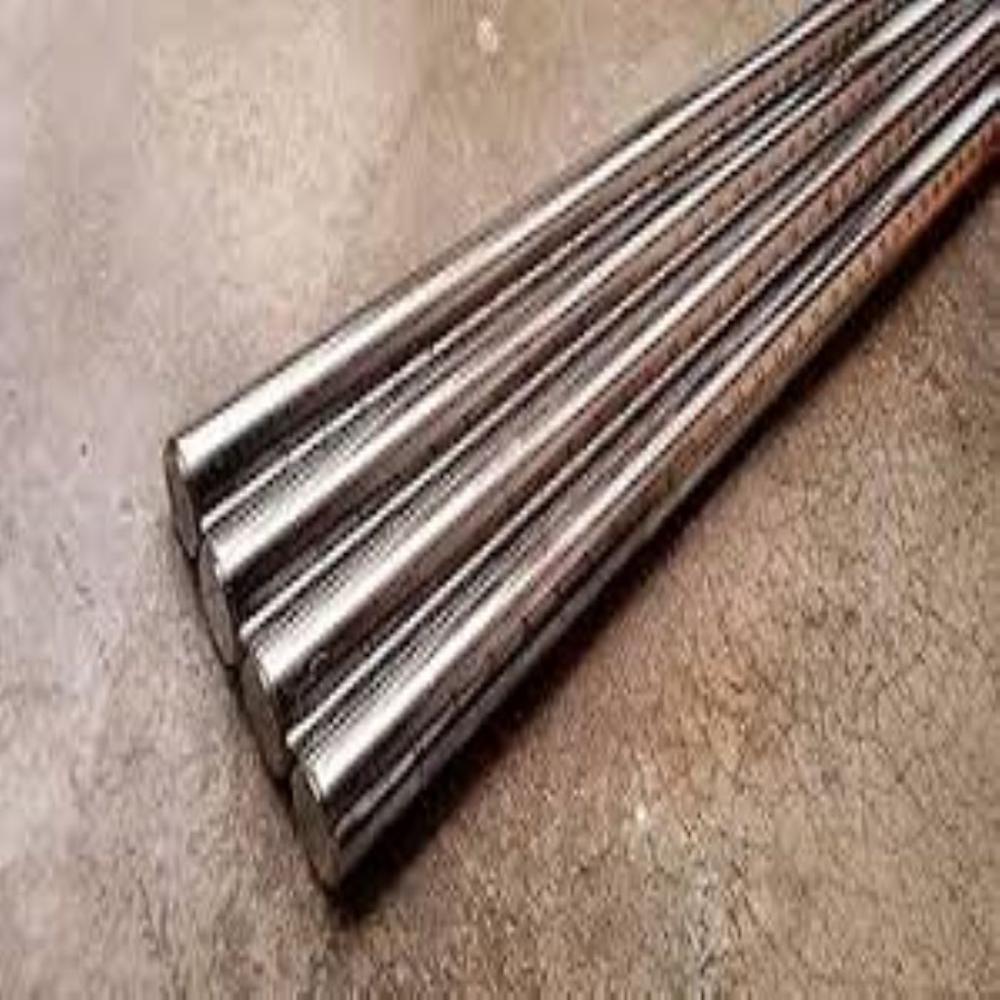
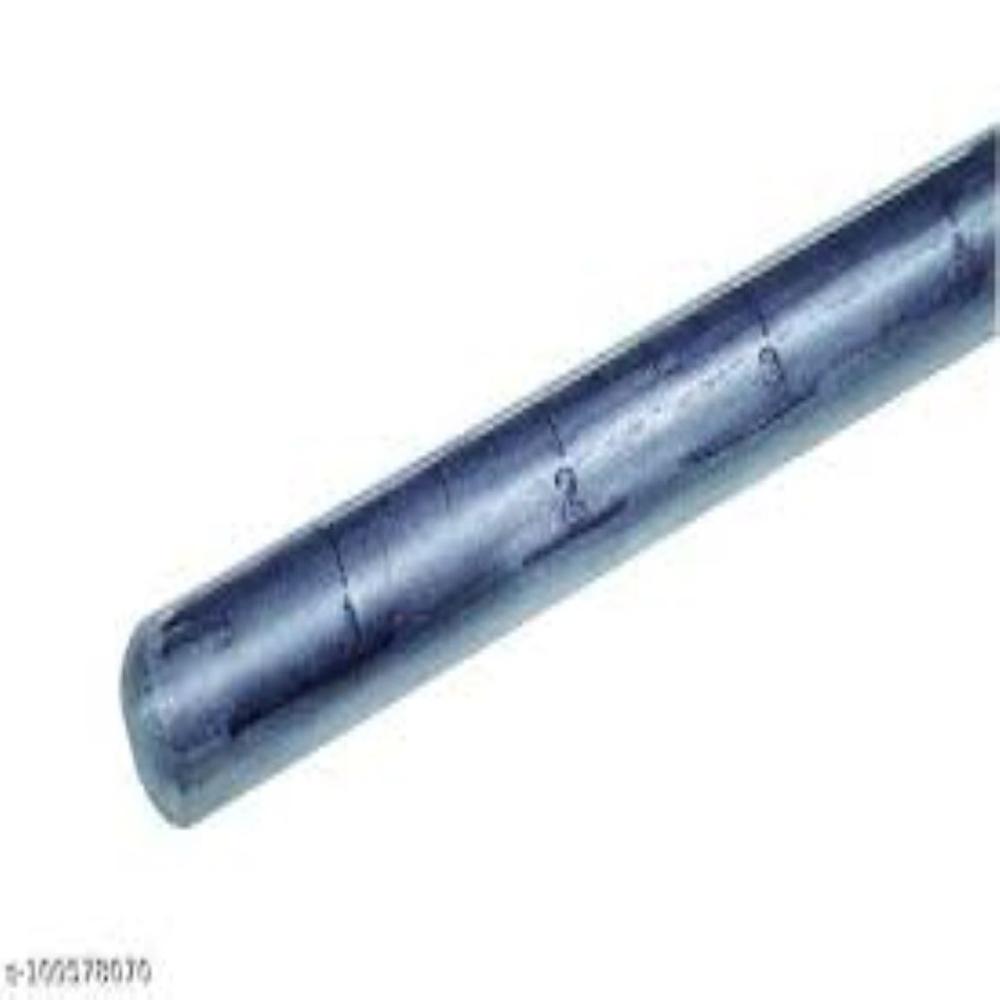
Tamping Rod
Price 1000.0 INR/ Piece
MOQ : 1 Piece
Tamping Rod Specification
- Test Range
- Compaction of concrete specimens
- Application
- For compacting concrete in cylinder moulds or cube moulds
- Response Time
- Instantaneous manual operation
- Max Height
- 600 mm (standard length)
- Hardness
- Hardened Steel (typically 55-60 HRC)
- Equipment Type
- Tamping Rod
- Features
- Smooth finish, corrosion resistant, hardened steel, rounded or hemispherical ends
- Mounting Type
- Hand-held
- Accuracy
- Precision-ground to specification
- Temperature
- Ambient
- Humidity
- Up to Ambient Conditions
- Automation Grade
- Manual
- Frequency
- Manual, as per test standard
- Specimen Size
- Suitable for standard concrete cylinders and cubes
- Number of Specimens
- Single rod for use on multiple specimens
- Usage
- Concrete testing
- Machine Weight
- Approx. 1 kg
- Test Speed
- Manual operation
- Control Mode
- Manual
- Packing
- Individually packed
- Color
- Metallic/Silver
- Grip Type
- Easy grip for manual use
- Rod Diameter
- 16 mm (standard), other sizes as per IS:10086/IS:516
- Rod Material
- Hard drawn steel rod
- End Type
- Rounded/Hemispherical at one end
- Surface Finish
- Bright polished
- Storage
- Comes with protective sleeve or pouch
- Corrosion Resistance
- Yes, rust-proof finish
- Length Tolerance
- ±1 mm
Tamping Rod Trade Information
- Minimum Order Quantity
- 1 Piece
- FOB Port
- COIMBATORE
- Payment Terms
- Cash in Advance (CID), Cash Advance (CA)
- Supply Ability
- 1 Piece Per Day
- Delivery Time
- 1 Days
- Sample Available
- No
- Packaging Details
- COTTON BOX
- Main Export Market(s)
- Asia, Africa
- Main Domestic Market
- East India, All India, South India, Central India, West India, North India, Gujarat, Karnataka, Kerala, Mizoram, Lakshadweep, Manipur, Andhra Pradesh, Bihar, Chandigarh, Daman and Diu, Meghalaya, Madhya Pradesh, Maharashtra, Telangana, Tripura, Goa, Jharkhand, Odisha, Punjab, Assam, Delhi, Dadra and Nagar Haveli, Andaman and Nicobar Islands, Arunachal Pradesh, Chhattisgarh, Haryana, Himachal Pradesh, Jammu and Kashmir, Nagaland, Rajasthan, Sikkim, Tamil Nadu, Pondicherry, Uttar Pradesh, Uttarakhand, West Bengal
About Tamping Rod
Specification:
This is used for compacting concrete into cube moulds. This rod is made of steel it is 16 mm dia., 600 mm in length and rounded at both ends.A tamping rod used in concrete testing is typically a steel rod, 16mm (5/8 inch) in diameter and 600mm (24 inches) long, with one end rounded or hemispherical.These rods are used for compacting concrete samples in various tests like the slump test and cube test.
Detailed Specifications:
- Material:Steel.
- Diameter:16 mm (5/8 inch).
- Length:600 mm (24 inches).
- End Shape:One end is rounded or hemispherical.
- Additional Features:May be zinc/nickel plated for corrosion resistance.
- Standards:Often conform to standards like BS 1881-108 and EN 12390-2 for cube tests.
- Usage:Specifically designed for compacting concrete samples in slump tests, cube tests, and other concrete workability tests.
Precision and Durability
Crafted from hard drawn steel, the tamping rod is precision-ground to meet exacting specifications. Its hardened construction achieves a typical hardness of 55-60 HRC, ensuring long-term durability and resistance to corrosion. The bright polished surface contributes to ease of cleaning and optimal laboratory hygiene.
Versatile Concrete Testing
Suitable for compacting concrete in both cylinder and cube moulds, this tamper meets the demands of varied laboratory and field environments. Its ergonomic grip guarantees comfortable and efficient manual operation, with instant response time and accurate preparation of specimens for further testing.
Protection and Ease of Use
Each tamping rod is supplied individually packed, complete with a protective sleeve or pouch for safe storage and transport. The rounded or hemispherical end enhances compaction uniformity, and its metallic silver finish ensures high visual clarity during use. The rod is designed for single-hand operation and stable control.
FAQ's of Tamping Rod:
Q: How do I use the tamping rod for concrete specimen compaction?
A: To use the tamping rod, manually insert it into the concrete specimen within a cylinder or cube mould and apply repeated, even strokes with the rounded or hemispherical end. This process ensures uniform compaction and eliminates air pockets in the concrete for reliable test results.Q: What standards do the tamping rods comply with?
A: The tamping rods are manufactured according to IS:10086 and IS:516 standards, ensuring compatibility with standardized concrete testing protocols in laboratories across India.Q: When should a tamping rod be used during concrete sampling?
A: The tamping rod is used during the specimen preparation phase, before curing begins, to thoroughly compact freshly mixed concrete within test moulds prior to strength or durability assessment.Q: Where is this tamping rod typically utilized?
A: This equipment is primarily used in material testing laboratories, construction sites, and quality control facilities for accurate compaction of concrete specimens during routine testing.Q: What are the benefits of a hardened steel tamping rod with corrosion resistance?
A: A hardened steel rod offers superior durability, with a rust-proof finish that maintains the rod's integrity in humid or reactive environments. This ensures consistent performance and extends equipment lifespan.Q: Can the tamping rod be used for both cubes and cylinders?
A: Yes, the rod is suitable for use with standard concrete cube and cylinder specimens, as specified by relevant testing standards, providing versatility for various types of concrete tests.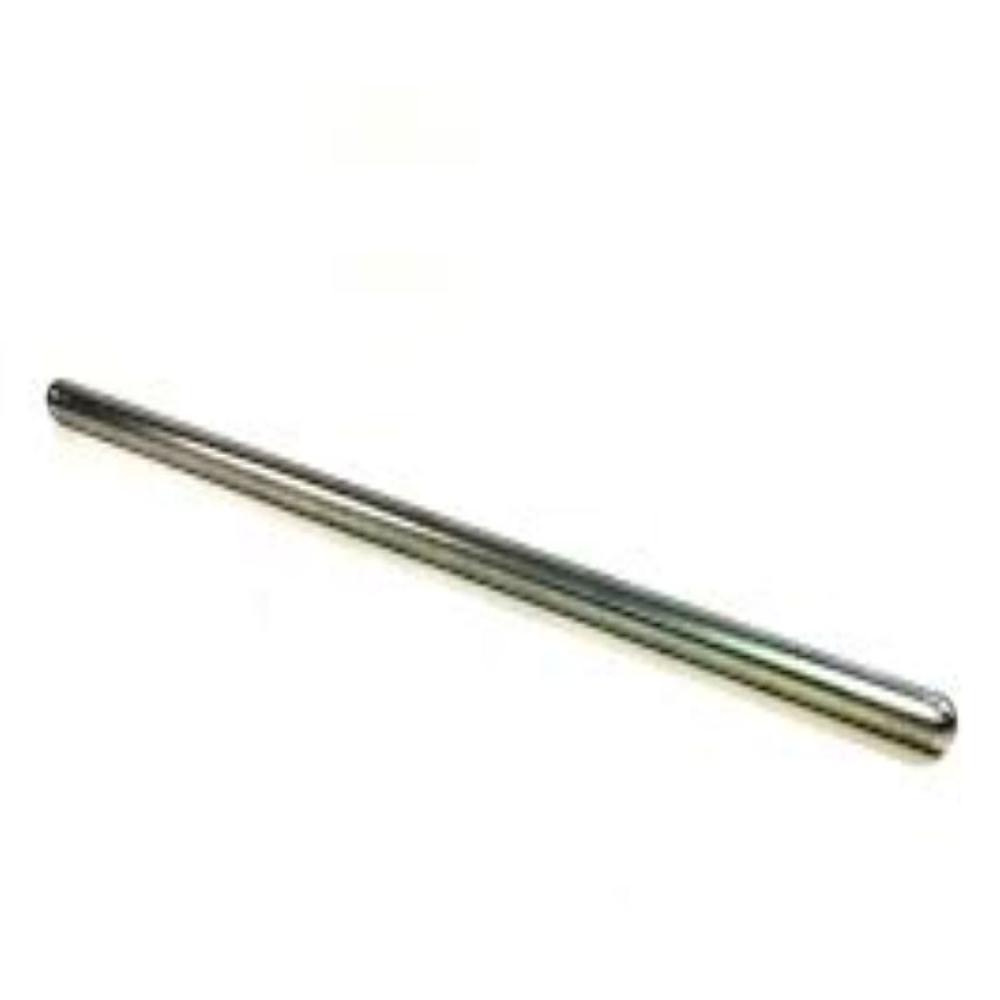
Tell us about your requirement

Price:
Quantity
Select Unit
- 50
- 100
- 200
- 250
- 500
- 1000+
Additional detail
Mobile number
Email

More Products in Concrete Testing Equipment Category
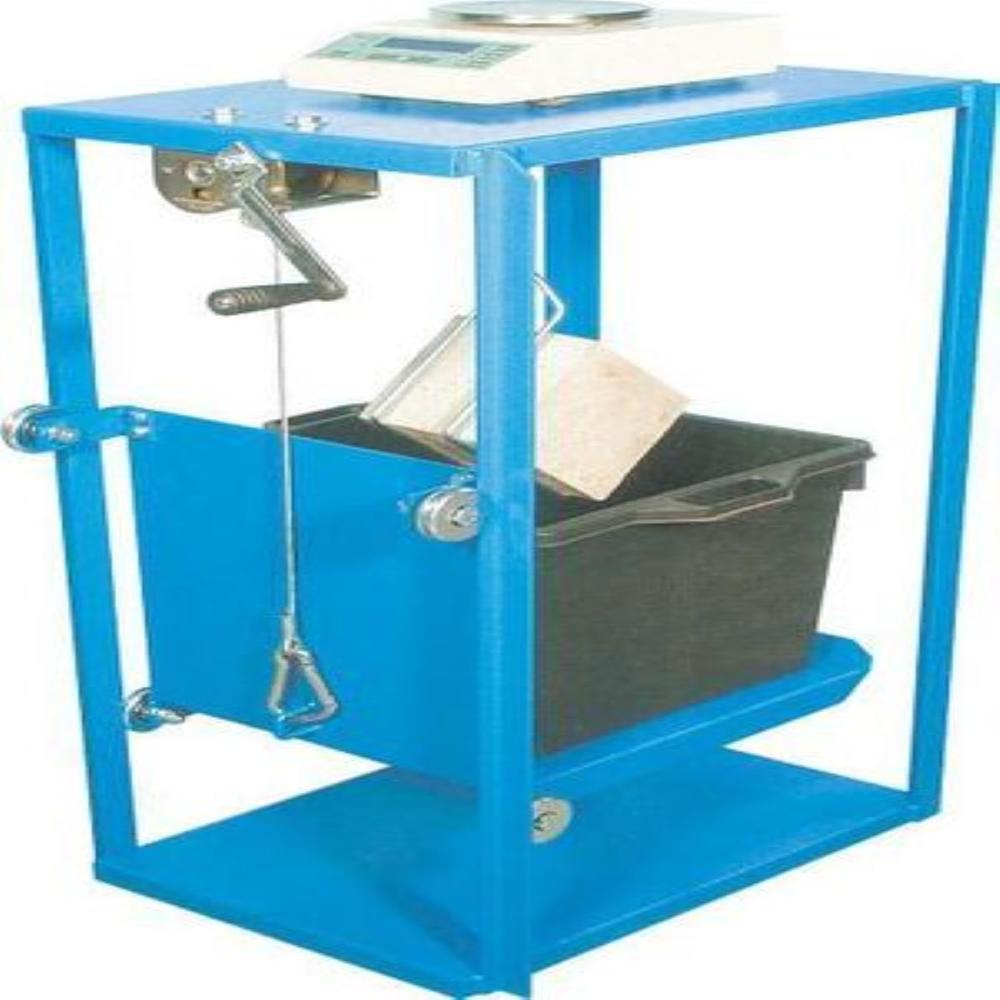
Density Of Fresh And Hardened Concrete
Price 21500.0 INR / Piece
Minimum Order Quantity : 1 Piece
Usage : Laboratory/Construction Site
Power Supply : Not Required (Manual Operation)
Features : Simple assembly, Portable, Durable, Easy to clean
Mounting Type : Tabletop
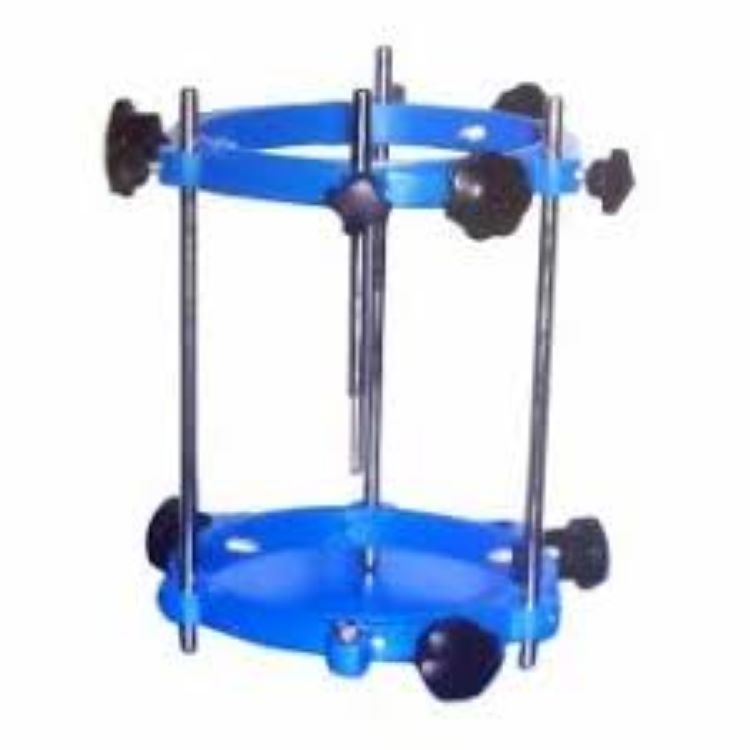
Longitudinal Compressometer
Price 5000.0 INR / Piece
Minimum Order Quantity : 1 Piece
Usage : Measurement of longitudinal strain during compression tests
Features : Lightweight, portable, easy to assemble, rugged construction
Mounting Type : Clamped on specimen with springs
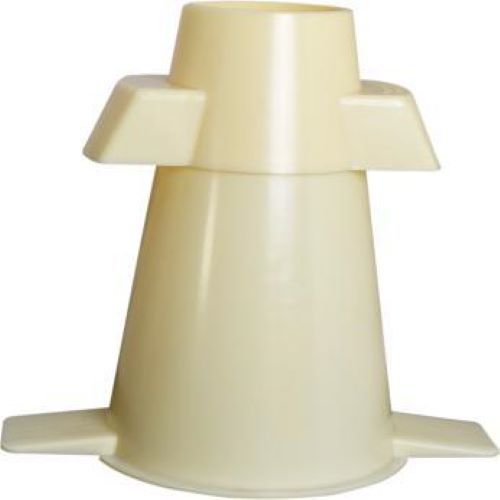
Slump Cone Plastic
Price 1900.0 INR / Piece
Minimum Order Quantity : 1 Piece
Usage : Slump Test for Concrete
Power Supply : Not Required (Manual Operation)
Features : Lightweight, Durable Plastic, Rustproof, Easy to Clean
Mounting Type : Portable, Free Stand
N Type Concrete Test Hammer
Price 34500 INR / Piece
Minimum Order Quantity : 1 Piece
Usage : laboratory
Power Supply : Manual

We are dealing in Coimbatore, Chennai and Tamilnadu.
 Send Inquiry
Our Products
- Concrete Testing Equipment
- Survey Lab Equipment
- Construction Equipment
- Concrete Testing Machine
- Soil Test Machine
- Survey Instrument
- Auto Level
- Cement Testing Machine
- Soil Testing Equipments
- Soil Testing Equipment
- Civil Engineering Lab Equipment
- Total Station
- Soil Test equipments
- Auto Level
- Concrete Highway Engineering lab
- Mechanical Engineering Lab Equipment
- Weighing Scale
- Laboratory Testing Equipment
- Workshop Trolleys
- Compression Testing Machine
- Water Testing Equipment
- Vertical Milling Machine
- Moulding Products
- CNC Machines
- Measuring Ruler
- Cylinder Carrier
- Core Cutting Machine
- Digital Measuring Machine
- Hydraulic Jack
- Drawing Instruments
- Fuel Testing Equipment
- Dynamics Lab Equipment
- Hydraulics and Fluid Mechanics Lab Equipment
- Heat Transfer Lab Equipment
- Scientific Equipment
- Surgical Equipment
- Hot Air Oven
- Impact Testing Machine
- Torsion Testers
- Bernoullis Theorem Apparatus
- Wooden Tripod
- Liquid Mercury
- Vibrating Table
- Material Testing Equipment
- Agriculture Equipment
- Waste Water Analysis

SF No. 189/1B1A, 191/3A1A1E, Sidco Private Industrial Estate, LIC Colony, Kurichi Pudhu Nagar, Kuruchi Housing,Coimbatore - 641021, Tamil Nadu, India

Mr Balamurugan C
(Manager)
Mobile :07313727211
 Send Inquiry
 Send SMS
Developed and Managed by Infocom Network Private Limited.
