
Call us now :07313727211
 Send Inquiry
 Send Inquiry
Soil Permeability 75 Mm
Price 30000.0 INR/ Piece
MOQ : 1 Piece
Soil Permeability 75 Mm Specification
- Operating Voltage
- 230 V (for accessories if any)
- Humidity
- Ambient
- Equipment Type
- Soil Permeability Apparatus
- Hardness
- Borosilicate Glass tube
- Frequency
- 50 Hz
- Automation Grade
- Manual
- Mounting Type
- Bench Top
- Number of Specimens
- Single Specimen
- Specimen Size
- 75 mm diameter x 40 mm to 50 mm height
- Resolution
- 0.01 s
- Display Type
- Analog/Manual Reading
- Test Range
- Up to 9999 seconds (Timer Based)
- Response Time
- Instantaneous (based on operator)
- Power Supply
- 230 V AC, 50 Hz, Single Phase
- Max Height
- 300 mm
- Temperature
- Ambient
- Port Size
- Standard 15 mm
- Measuring Range
- 0.001 to 1 cm/sec
- Application
- Determines permeability of soil samples by constant/falling head method
- Features
- Corrosion-resistant, Rigid Frame, Calibration chart supplied
- Accuracy
- ±1% of reading
- Usage
- Lab/Field Soil Permeability Test
- Capacity
- Glass tube of 500 ml capacity
- Machine Weight
- 40 kg (approx)
- Test Speed
- Variable, Manual Operation
- Test Width
- 75 mm
- Test Stroke
- Up to 300 mm
- Control Mode
- Manual
- Maximum Outlet Pressure
- Gravity Discharge
- Sample Extraction Method
- Removable Mold Arrangement
- Manometer Tubes
- Provided in Deluxe Model
- Drainage Base Material
- Porous Stone / Stainless Steel Mesh
- Water Reservoir Capacity
- 500 ml
- Height Adjustment
- Screw Threaded Arrangement
- Included Accessories
- Rubber Tubing, Clamps, Connecting Fittings
- Cylinder Material
- Borosilicate Glass
- Conforming Standards
- IS: 2720 (Part XVII), ASTM D2434
- Stand Material
- Mild Steel with Powder Coating
Soil Permeability 75 Mm Trade Information
- Minimum Order Quantity
- 1 Piece
- FOB Port
- coimbatore
- Payment Terms
- Cash in Advance (CID), Cash Advance (CA)
- Supply Ability
- 1 Piece Per Day
- Delivery Time
- 1 Days
- Sample Available
- No
- Packaging Details
- cotton box
- Main Export Market(s)
- Africa, Asia
- Main Domestic Market
- West India, North India, Telangana, Pondicherry, Uttar Pradesh, Bihar, Chandigarh, Daman and Diu, Goa, Assam, Sikkim, Tamil Nadu, All India, Arunachal Pradesh, Chhattisgarh, Haryana, Himachal Pradesh, Maharashtra, Tripura, Uttarakhand, South India, Central India, Karnataka, Mizoram, Meghalaya, Manipur, Andhra Pradesh, Jharkhand, Odisha, Punjab, Delhi, Dadra and Nagar Haveli, Andaman and Nicobar Islands, Jammu and Kashmir, Madhya Pradesh, Nagaland, Rajasthan, East India, Gujarat, Kerala, Lakshadweep, West Bengal
About Soil Permeability 75 Mm
Specification:
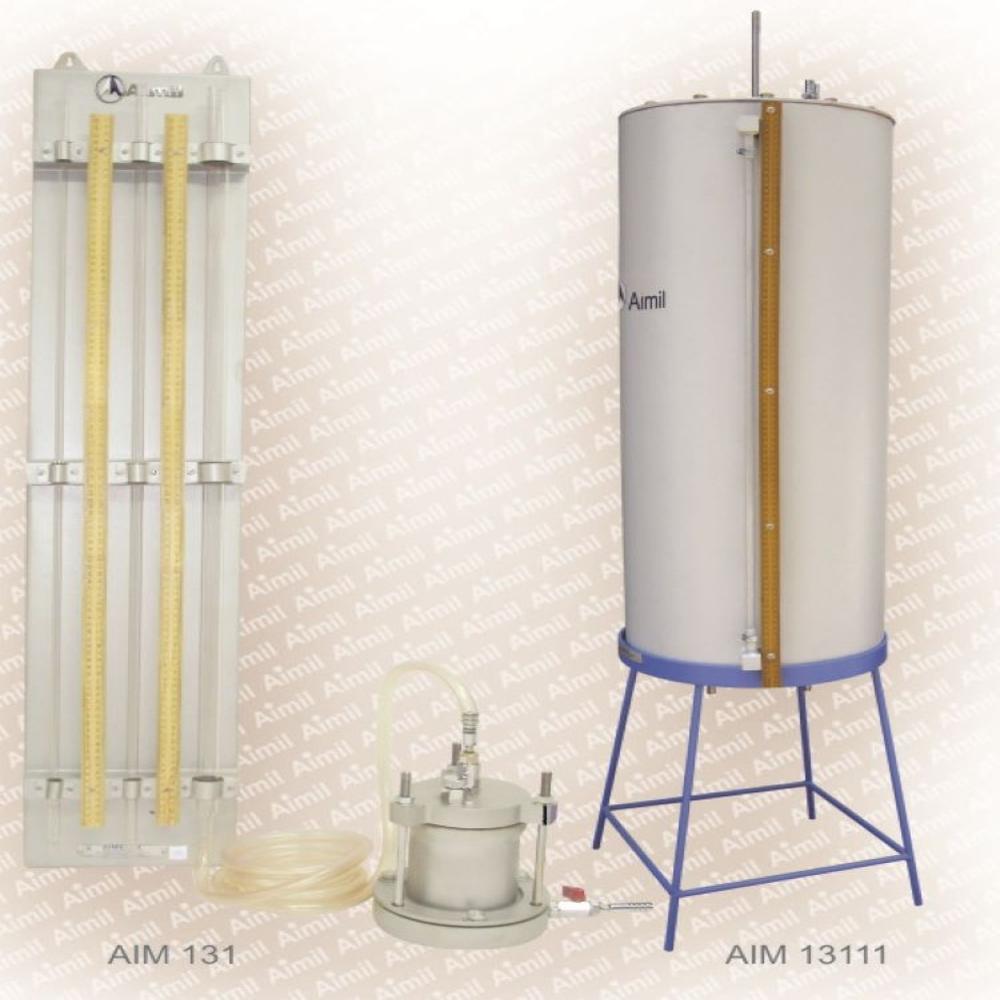
Same as ZI 3030 but with glass tubes of 75mm, bore tube is provided with over flow arrangement for constant head tests. The remaining tubes are used for falling head test.
A soil permeability test using a 75 mm specimen refers to using a permeameter with a 75 mm diameter mold or cell to measure the soil's permeability, a property indicating how easily water flows through it.This testing method, specified in standards like IS2720 (Part XVII), utilizes either the constant head or falling head technique to determine the soil's coefficient of permeability, which is crucial for engineering applications such as groundwater pumping, dam construction, and foundation design.
What the "75 mm Spec" Means
-
The "75 mm" spec designates the internal diameter of the soil-holding mold or cell within the permeameter apparatus.
-
This 75 mm diameter is the size of the soil specimen compacted within the cell for testing.
Purpose of the Test
-
The primary goal is to quantify the rate at which water can move through the soil.
-
The test results yield the permeability coefficient (k), a key soil property representing the volume of water that passes through a unit area per unit time.
Methods Used
The 75 mm permeameter can be used for both:
-
Applicable for granular soils like sand and gravel, this method involves maintaining a constant head of water across the soil specimen.A specific 75 mm bore tube with an overflow arrangement is used for this test.
-
Used for fine-grained soils, this method involves observing the rate at which the water level (head) drops in a standpipe as water flows through the soil.The remaining glass tubes in the standpipe panel are used for this purpose.
Applications
The permeability data obtained from a 75 mm test is vital for:
- Hydrogeology:Understanding groundwater flow and designing aquifers.
- Civil Engineering:Designing foundations, dams, and other structures where water flow through soil is a concern.
- Environmental Engineering:Assessing the movement of contaminants in soil.
Robust Design and Enhanced Durability
Crafted with a powder-coated mild steel frame, this apparatus resists corrosion and ensures lasting performance in diverse lab and field conditions. The use of borosilicate glass cylinder and stainless steel mesh or porous stone drainage base further extends product longevity and reliability, making it suitable for frequent testing environments.
Versatile Testing Applications
This soil permeability equipment is ideal for both constant head and falling head permeability tests, accommodating single specimen sizes of 75 mm diameter. The variable test speed and manual controls allow researchers and professionals to customize testing processes to suit different soil types and project requirements.
Compliance and Accurate Results
Conforming to IS: 2720 (Part XVII) and ASTM D2434 standards, the apparatus offers measurement ranges from 0.001 to 1 cm/sec with an accuracy of 1% and a time resolution of 0.01 seconds. The supplied calibration chart ensures consistent and repeatable results, supporting high-quality soil analysis.
FAQ's of Soil Permeability 75 Mm:
Q: How does the Soil Permeability 75 mm apparatus determine soil permeability?
A: The equipment uses either constant or falling head methods to assess the permeability of a soil specimen, measuring how quickly water passes through the sample under controlled conditions. Manual operation allows the user to adjust test speed and monitor readings in real time using the analog display.Q: What is the standard specimen size for testing in this apparatus?
A: The apparatus is designed for single specimens with a diameter of 75 mm and a height ranging from 40 mm to 50 mm, consistent with laboratory standards for permeability testing.Q: When should I use this apparatus in soil analysis?
A: Use this device during laboratory or field investigations when precise measurement of soil permeability is required, such as foundation design, assessment of soil drainage, or research projects involving different soil types.Q: Where can the Soil Permeability 75 mm be installed for operation?
A: Its compact bench-top design makes it suitable for placement in laboratory workspaces or field test sites. Portable components facilitate easy setup and movement wherever soil permeability measurements are required.Q: What is the operating process for this permeability test equipment?
A: The testing process involves preparing the soil sample in the removable mold, setting up water flow through the borosilicate glass cylinder using the supplied reservoir, and tracking water movement over time. Test results are recorded manually, with instantaneous response based on manual observation.Q: How does manual control enhance testing flexibility?
A: Manual control allows operators to adjust test speed, sample positioning, and water flow according to specific soil characteristics and project needs, ensuring adaptability across a range of testing scenarios.Q: What benefits does this apparatus offer to dealers and laboratory professionals?
A: With reliable performance, high accuracy, corrosion-resistant materials, and compliance with international standards, this apparatus assists dealers, manufacturers, and laboratory professionals in delivering consistent, repeatable soil permeability results efficiently.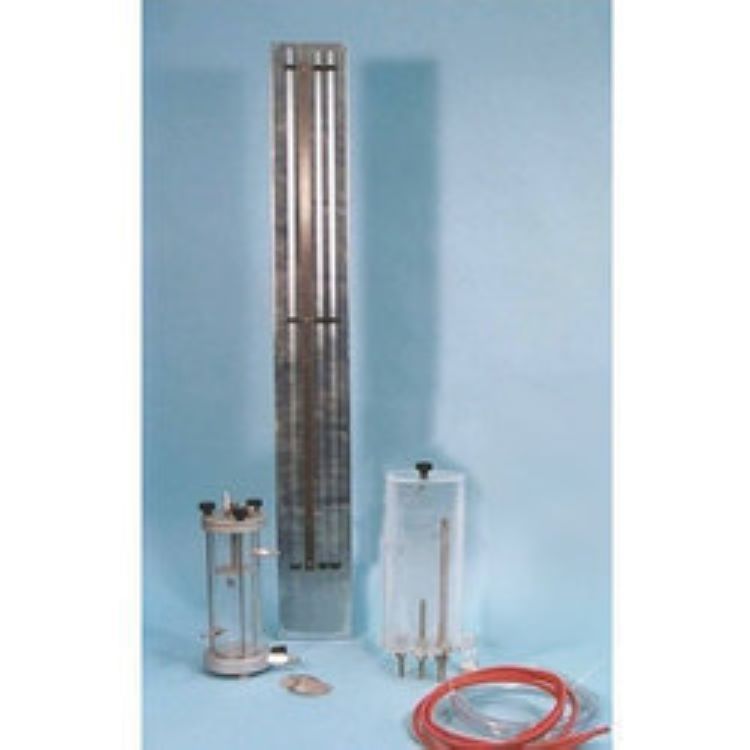
Tell us about your requirement

Price:
Quantity
Select Unit
- 50
- 100
- 200
- 250
- 500
- 1000+
Additional detail
Mobile number
Email

More Products in Soil Testing Equipment Category
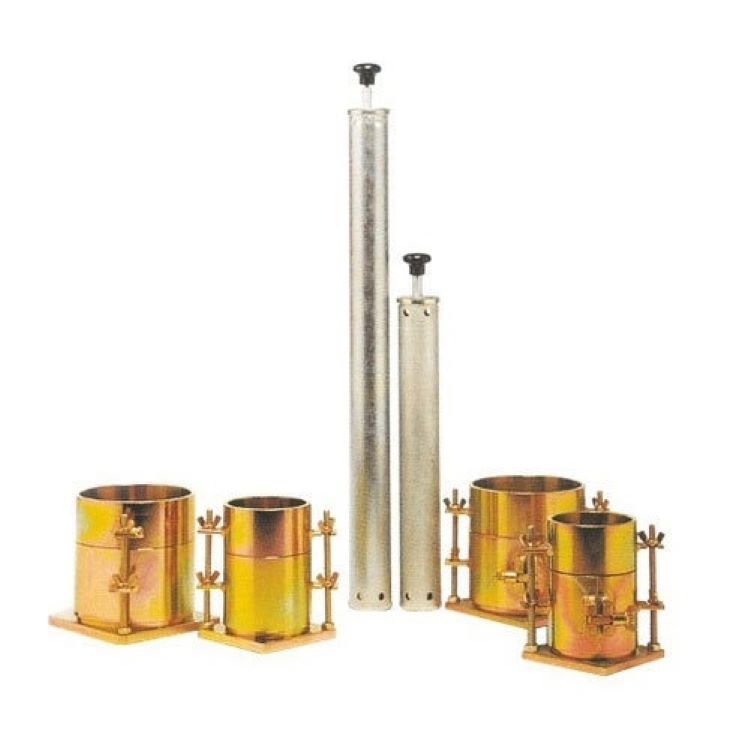
Standard Compaction Test (BS Version)
Price 9000.0 INR / Piece
Minimum Order Quantity : 1 Piece
Port Size : Standard Port
Usage : Laboratory Soil Compaction Assessment
Power Supply : 220 V AC, 50 Hz
Application : Soil Compaction Test
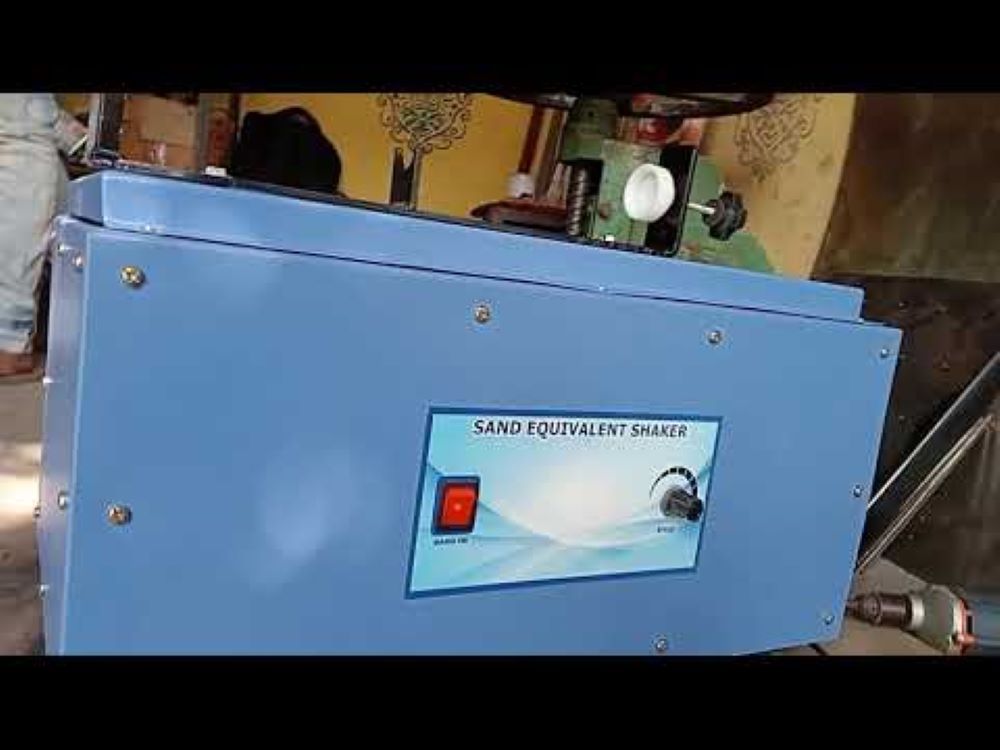
Motorised Sand Equivalent Shaker
Price 35000.0 INR / Piece
Minimum Order Quantity : 1 Piece
Port Size : Standard sand equivalent tube fitting
Usage : Shaking sand equivalent test specimens
Power Supply : 230V AC, 50 Hz, Single Phase
Application : For determining sand equivalent value of soils and fine aggregates
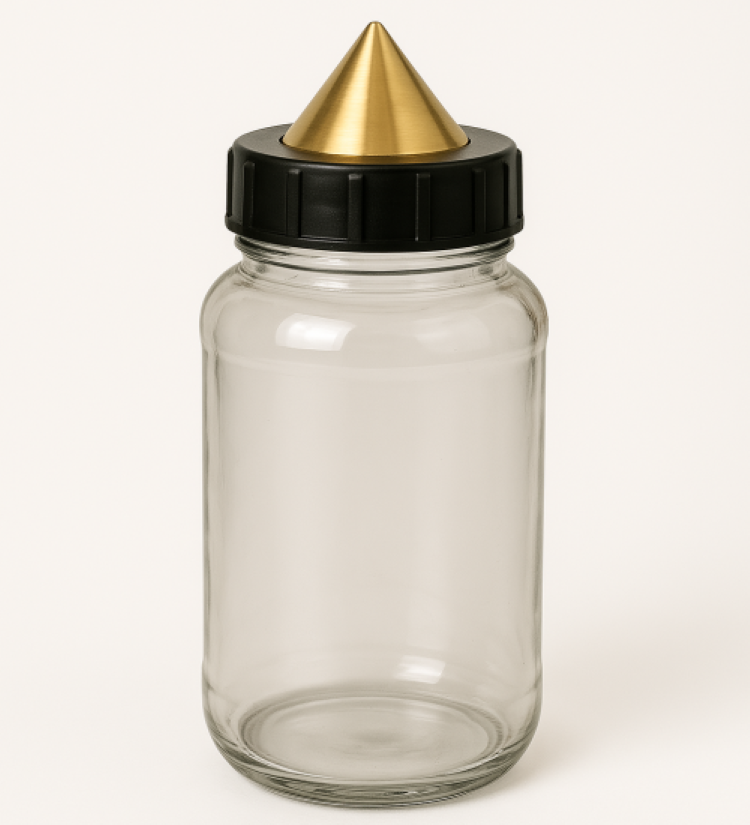
Pycno meters
Price 900.0 INR / Piece
Minimum Order Quantity : 1 Piece
Port Size : Standard Pycno Meter mouth, approx. 24 mm
Usage : Measurement of specific gravity of liquids
Power Supply : Not Required (Manual)
Application : Specific gravity and density measurement
Core Cutter with Dally Rammer
Price 2800 INR / Piece
Minimum Order Quantity : 1 Piece
Power Supply : Electric
Application : Laboratory,Industrial

We are dealing in Coimbatore, Chennai and Tamilnadu.
 Send Inquiry
Our Products
- Concrete Testing Equipment
- Survey Lab Equipment
- Construction Equipment
- Concrete Testing Machine
- Soil Test Machine
- Survey Instrument
- Auto Level
- Cement Testing Machine
- Soil Testing Equipments
- Soil Testing Equipment
- Civil Engineering Lab Equipment
- Total Station
- Soil Test equipments
- Auto Level
- Concrete Highway Engineering lab
- Mechanical Engineering Lab Equipment
- Weighing Scale
- Laboratory Testing Equipment
- Workshop Trolleys
- Compression Testing Machine
- Water Testing Equipment
- Vertical Milling Machine
- Moulding Products
- CNC Machines
- Measuring Ruler
- Cylinder Carrier
- Core Cutting Machine
- Digital Measuring Machine
- Hydraulic Jack
- Drawing Instruments
- Fuel Testing Equipment
- Dynamics Lab Equipment
- Hydraulics and Fluid Mechanics Lab Equipment
- Heat Transfer Lab Equipment
- Scientific Equipment
- Surgical Equipment
- Hot Air Oven
- Impact Testing Machine
- Torsion Testers
- Bernoullis Theorem Apparatus
- Wooden Tripod
- Liquid Mercury
- Vibrating Table
- Material Testing Equipment
- Agriculture Equipment
- Waste Water Analysis

SF No. 189/1B1A, 191/3A1A1E, Sidco Private Industrial Estate, LIC Colony, Kurichi Pudhu Nagar, Kuruchi Housing,Coimbatore - 641021, Tamil Nadu, India

Mr Balamurugan C
(Manager)
Mobile :07313727211
 Send Inquiry
 Send SMS
Developed and Managed by Infocom Network Private Limited.
