
Call us now :07313727211
 Send Inquiry
 Send Inquiry
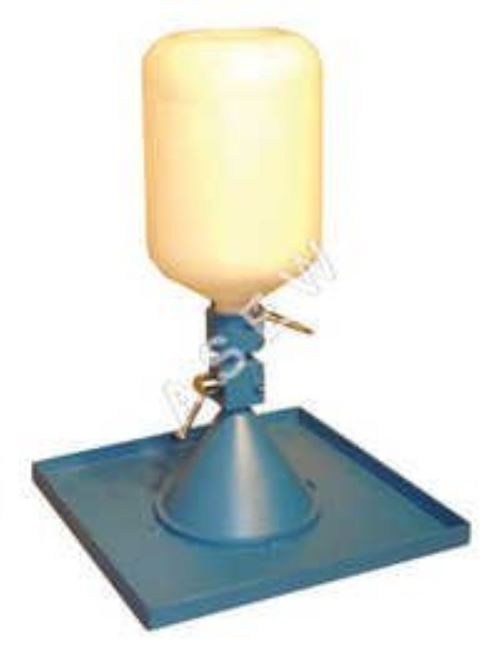
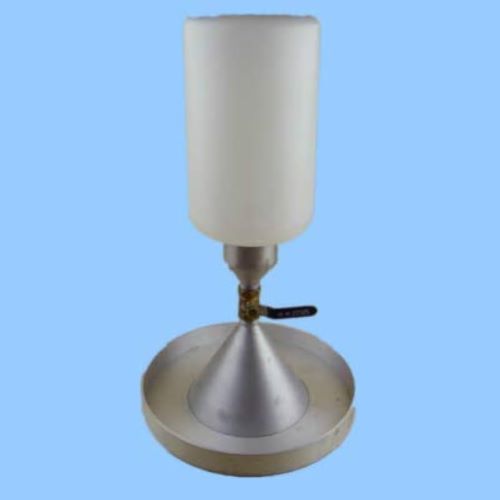
Sand Density Cone Apparatus
Price 7000.0 INR/ Piece
MOQ : 1 Piece
Sand Density Cone Apparatus Specification
- Accuracy
- High accuracy per standard methods
- Mounting Type
- Portable, field use
- Resolution
- Measurement resolution dependent on graduation of sand container
- Port Size
- Diameter of cone: 6.5 (165 mm)
- Equipment Type
- Sand Density Cone Apparatus
- Max Height
- Approx. 340 mm
- Temperature
- Ambient
- Response Time
- Instant upon measurement
- Hardness
- Made from durable, corrosion-resistant brass and metal
- Number of Specimens
- Single specimen per test
- Display Type
- Manual visual measurement
- Humidity
- Ambient
- Automation Grade
- Manual
- Features
- Complete set includes sand pouring cylinder, calibrated density container and tray
- Application
- Used for field density determination of soil by sand replacement method
- Test Range
- For determining in-situ density of soils
- Measuring Range
- Up to 12 test hole
- Interface Type
- Manual
- Specimen Size
- Standard size as per IS:2720 (Pt XXIX)
- Usage
- Geotechnical and civil engineering field tests
- Capacity
- Standard sand container - 1 litre
- Machine Weight
- Approx. 4 to 5 kg
- Test Speed
- Manual filling and measurement
- Test Width
- Suitable for 6 and 12 diameter hole
- Control Mode
- Manual
- Cone Diameter
- 165 mm (6.5 inch)
- Package Includes
- Density cone, sand container, tray, and carrying case
- Sand Container Graduations
- Calibrated with graduations for measuring sand volume
- Box Dimensions
- 350 mm x 250 mm x 300 mm (approx)
- Material
- Brass cone with metal sand container
- Tray Size
- 30 cm diameter
- Field Suitability
- Designed for rugged field testing conditions
- Finish
- Brass parts polished, powder coated metal parts
Sand Density Cone Apparatus Trade Information
- Minimum Order Quantity
- 1 Piece
- FOB Port
- coimbatore
- Payment Terms
- Cash Advance (CA), Cash in Advance (CID)
- Supply Ability
- 1 Piece Per Day
- Delivery Time
- 1 Days
- Sample Available
- No
- Packaging Details
- cotton box
- Main Export Market(s)
- Asia, Africa
- Main Domestic Market
- Uttar Pradesh, Uttarakhand, West Bengal, Mizoram, Meghalaya, Manipur, Andhra Pradesh, Bihar, Chandigarh, Daman and Diu, All India, South India, Central India, West India, North India, East India, Gujarat, Karnataka, Kerala, Goa, Jharkhand, Punjab, Assam, Delhi, Dadra and Nagar Haveli, Andaman and Nicobar Islands, Arunachal Pradesh, Chhattisgarh, Jammu and Kashmir, Madhya Pradesh, Maharashtra, Odisha, Haryana, Himachal Pradesh, Nagaland, Rajasthan, Sikkim, Tamil Nadu, Telangana, Tripura, Pondicherry, Lakshadweep
About Sand Density Cone Apparatus
Specification:
A Sand Density Cone Apparatus typically includesa one-gallon (3.8L) plastic or glass jar, a detachable double metal cone with a 6.5-inch (165mm) flanged opening, a 0.5-inch (12.7mm) brass valve with stops, and a Density Base Plate.It is designed to meet standards like ASTM D1556 and AASHTO T191, for in-place density testing of soils with particle sizes up to 2 inches (51mm).
Components and Specifications
- Plastic or Glass Jar:A 1-gallon (3.8L) capacity threaded container to hold the test sand.
- Double Metal Cone:
- Threaded End:Attaches to the plastic or glass jar.
- Flanged End:A 6.5-inch (165mm) diameter opening that fits the Density Base Plate's hole.
- Cylindrical Valve:A 0.5-inch (12.7mm) diameter orifice controlled by stops, preventing rotation past the fully open or closed position.
- Threaded End:Attaches to the plastic or glass jar.
- Density Base Plate:A 12x12 inch (305x305mm) cast aluminum alloy plate with high-edge walls, ordered separately.It provides a stable base for the sand cone and helps prevent soil loss during excavation.
Purpose and Standards
-
The apparatus is used in conjunction with a specific, fine-grained sand (Ottawa sand) to determine the in-place density of soils.
-
The method is generally limited to soils with a maximum particle size of 2 inches (51mm).
-
The components and method are designed to meet ASTM D1556 and AASHTO T191 standards.
Reliable Field Density Testing
Engineered with polished brass and powder-coated metal, the Sand Density Cone Apparatus delivers durability and precision in demanding environments. Its complete set, including a calibrated sand container and tray, allows for accurate soil density evaluation on-site. The apparatus is portable, manually operated, and designed for both 6 and 12-inch diameter test holes, making it versatile for various geotechnical applications.
Precision and Compliance
Each unit features a 1-litre sand container with clear graduations, enabling precise volume measurements essential for soil testing. Conforming to IS:2720 (Pt XXIX), the apparatus ensures high accuracy and reproducibility. Its rugged construction and reliable finish make it ideal for frequent field use by engineers, fabricators, and geotechnical professionals alike.
FAQ's of Sand Density Cone Apparatus:
Q: How does the Sand Density Cone Apparatus determine the in-situ density of soil?
A: The apparatus determines in-situ soil density by the sand replacement method. Sand is poured from the calibrated container into a hole of known size, and the volume of sand needed to fill the hole (and cone) is measured. This allows for accurate calculation of the density of the soil present before excavation.Q: What is included in the Sand Density Cone Apparatus package?
A: The complete set includes a polished brass density cone (165 mm diameter), a metal sand container with 1-litre capacity and graduated markings, a 30 cm diameter tray, and a durable carrying case for field portability.Q: When should this apparatus be used in geotechnical testing?
A: This apparatus is ideal for use during field density determination of soils, especially on construction sites where soil compaction quality needs verification as per IS:2720 (Pt XXIX) standards. It's commonly used during site preparation and foundation investigations.Q: Where can the Sand Density Cone Apparatus be effectively employed?
A: It is specially designed for rugged outdoor environments, making it suitable for geotechnical and civil engineering field tests on construction sites, road building projects, or soil investigation locations throughout India.Q: What is the process for using the Sand Density Cone Apparatus?
A: First, a hole of either 6 or 12-inch diameter is excavated in the soil. The apparatus is placed over the hole, and sand is dispensed from the calibrated container to fill both the hole and cone. Measurement of the sand volume replaced gives the in-situ soil density.Q: Why is using this brass cone apparatus beneficial for field tests?
A: The apparatus provides high accuracy and reliability, conforming to standard test methods. Its robust construction ensures longevity, while the graduated sand container simplifies precise measurement, saving time and reducing calculation errors during field tests.Q: How is the measurement resolution determined in this apparatus?
A: Measurement resolution depends on the graduations provided on the calibrated sand container, allowing for fine, manual readout of sand volumes for improved accuracy in density calculation.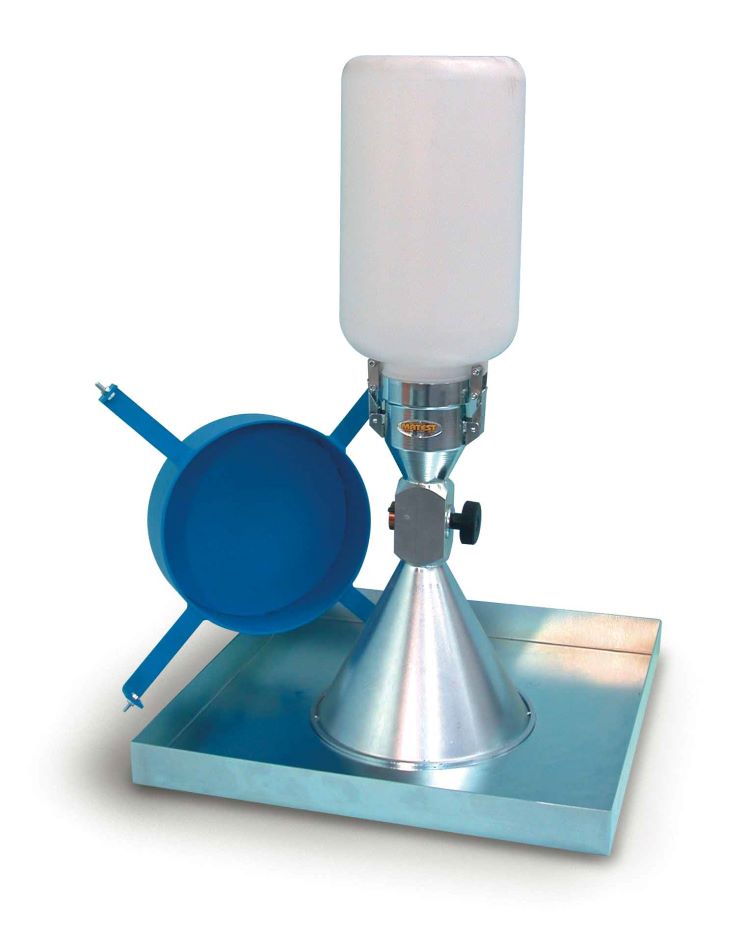
Tell us about your requirement

Price:
Quantity
Select Unit
- 50
- 100
- 200
- 250
- 500
- 1000+
Additional detail
Mobile number
Email

More Products in Soil Testing Equipment Category
Sieve Shaker - Gyratory
Price 10000.0 INR
Minimum Order Quantity : 1 Piece
Usage : Laboratory and industrial material testing
Application : Particle size analysis / Laboratory testing
Mounting Type : Benchtop
Features : Heavy base, adjustable sieving time, robust design
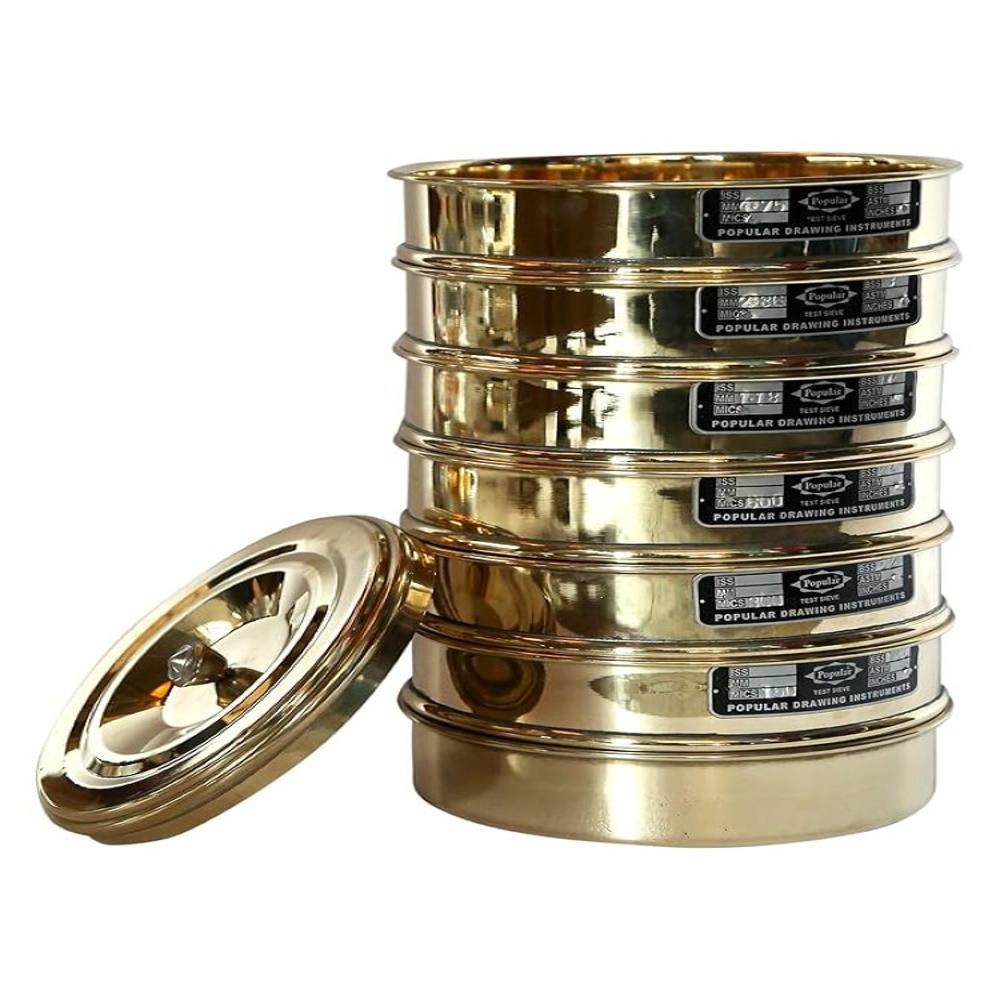
Brass frame sieves
Price 1000.0 INR / Piece
Minimum Order Quantity : 1 Piece
Usage : Laboratory, industrial, and research material separation
Application : Particle size analysis, laboratory testing, material grading
Mounting Type : Freestanding
Features : Corrosionresistant brass frame, highquality mesh, stackable design
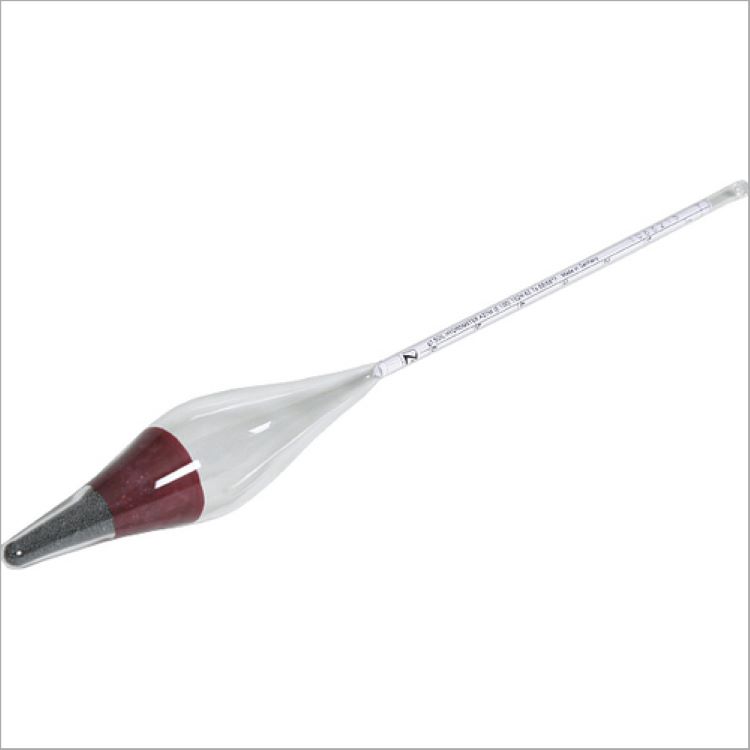
Soil Hydrometer
Price 3500.0 INR / Piece
Minimum Order Quantity : 1 Piece
Usage : Laboratory, Soil Testing
Application : Soil Particle Size Analysis
Mounting Type : Handheld
Features : Calibrated Stem, Easy to Read Graduations, Mercury Free
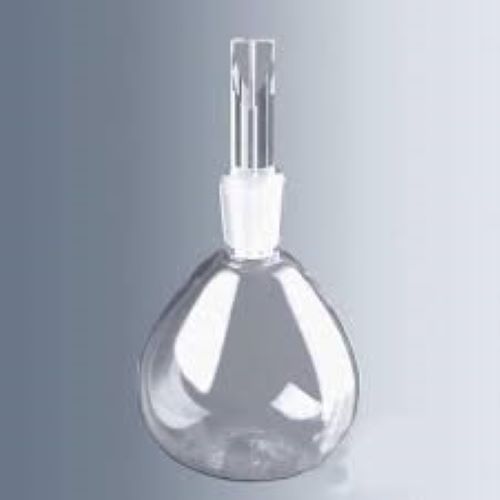
Den-sity Bottle (G-ay-Lu-ssac Type)
Price 500.0 INR / Piece
Minimum Order Quantity : 1 Piece
Usage : Laboratory, research, educational purposes
Application : Used for precise determination of liquid density
Mounting Type : Benchtop
Features : Sturdy construction, clear labelling, ground glass stopper

We are dealing in Coimbatore, Chennai and Tamilnadu.
 Send Inquiry
Our Products
- Concrete Testing Equipment
- Survey Lab Equipment
- Construction Equipment
- Concrete Testing Machine
- Soil Test Machine
- Survey Instrument
- Auto Level
- Cement Testing Machine
- Soil Testing Equipments
- Soil Testing Equipment
- Civil Engineering Lab Equipment
- Total Station
- Soil Test equipments
- Auto Level
- Concrete Highway Engineering lab
- Mechanical Engineering Lab Equipment
- Weighing Scale
- Laboratory Testing Equipment
- Workshop Trolleys
- Compression Testing Machine
- Water Testing Equipment
- Vertical Milling Machine
- Moulding Products
- CNC Machines
- Measuring Ruler
- Cylinder Carrier
- Core Cutting Machine
- Digital Measuring Machine
- Hydraulic Jack
- Drawing Instruments
- Fuel Testing Equipment
- Dynamics Lab Equipment
- Hydraulics and Fluid Mechanics Lab Equipment
- Heat Transfer Lab Equipment
- Scientific Equipment
- Surgical Equipment
- Hot Air Oven
- Impact Testing Machine
- Torsion Testers
- Bernoullis Theorem Apparatus
- Wooden Tripod
- Liquid Mercury
- Vibrating Table
- Material Testing Equipment
- Agriculture Equipment
- Waste Water Analysis

SF No. 189/1B1A, 191/3A1A1E, Sidco Private Industrial Estate, LIC Colony, Kurichi Pudhu Nagar, Kuruchi Housing,Coimbatore - 641021, Tamil Nadu, India

Mr Balamurugan C
(Manager)
Mobile :07313727211
 Send Inquiry
 Send SMS
Developed and Managed by Infocom Network Private Limited.
