
Call us now :07313727211
 Send Inquiry
 Send Inquiry
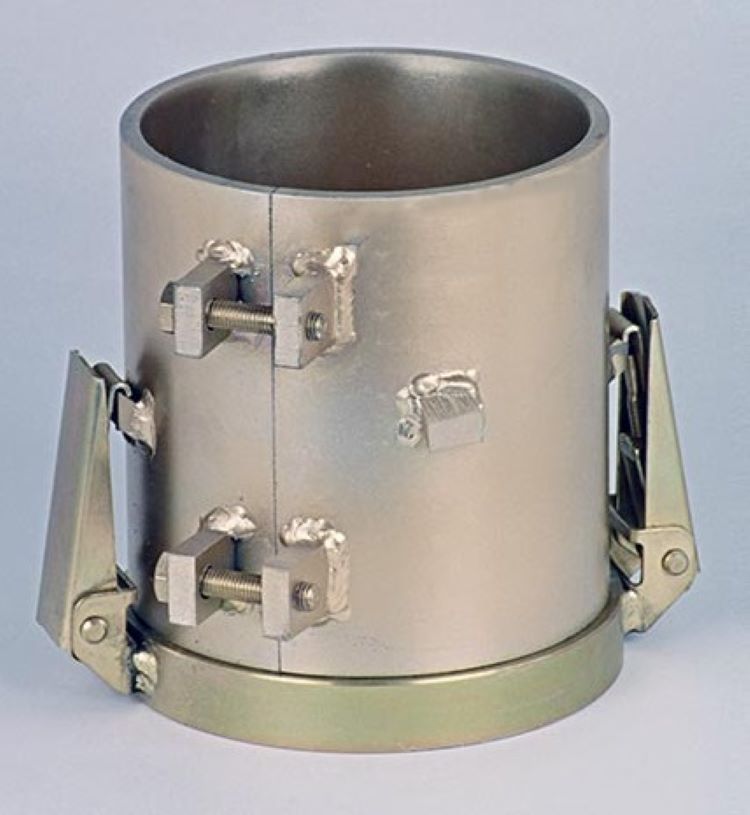
PRD Mould
Price 5000.0 INR/ Piece
MOQ : 1 Piece
PRD Mould Specification
- Power Supply
- Not required (Manual Operation)
- Test Range
- Up to 200 kN
- Application
- Testing permeability of rubber compounds
- Mounting Type
- Benchtop
- Display Type
- No built-in display
- Automation Grade
- Manual
- Measuring Range
- Variable as per specimen
- Number of Specimens
- 1 at a time
- Equipment Type
- PRD Mould
- Humidity
- Ambient
- Max Height
- Approx. 200 mm
- Response Time
- Manual observation
- Features
- Corrosion-resistant, Durable build, Easy to operate
- Accuracy
- Standard IS: 3400 compliant
- Specimen Size
- 150 mm 150 mm 2.5 mm
- Temperature
- Ambient
- Usage
- Lab and Industrial
- Capacity
- Single sample per operation
- Machine Weight
- Approx. 25 kg
- Test Speed
- Standard as per IS: 3400
- Test Width
- 150 mm
- Test Stroke
- 100 mm stroke
- Control Mode
- Manual Mechanical
- Accessories Included
- Base plate, Cover plate, Clamps
- Finish
- Machined and Polished
- Sample Preparation Time
- Approx. 25 minutes
- Compliance Standard
- IS: 3400 / ASTM D471
- Shape
- Cylindrical / Standard PRD geometry
- Surface Treatment
- Rust preventive coating
- Mould Material
- Stainless Steel / Hard Alloy
PRD Mould Trade Information
- Minimum Order Quantity
- 1 Piece
- FOB Port
- coimbatore
- Payment Terms
- Cash Advance (CA), Cash in Advance (CID)
- Supply Ability
- 1 Piece Per Day
- Delivery Time
- 1 Days
- Sample Available
- No
- Packaging Details
- cotton box
- Main Export Market(s)
- Asia, Africa
- Main Domestic Market
- Gujarat, Karnataka, Kerala, Lakshadweep, Mizoram, Meghalaya, Manipur, Andhra Pradesh, Bihar, Chandigarh, Daman and Diu, All India, South India, Central India, West India, Uttar Pradesh, Uttarakhand, North India, East India, Goa, Jharkhand, Odisha, Punjab, Assam, Delhi, Dadra and Nagar Haveli, Andaman and Nicobar Islands, Arunachal Pradesh, Chhattisgarh, Haryana, Himachal Pradesh, Jammu and Kashmir, Madhya Pradesh, Maharashtra, Nagaland, Rajasthan, Tripura, West Bengal, Sikkim, Tamil Nadu, Telangana, Pondicherry
About PRD Mould
Specification:
This mould, vertically split on one side foreseen of clamp attachment to the box plate. Plated against corrosion, is utilized for determining the degree of compaction of Bituminous pavements for quality control purpose
Precision Construction for Accurate Testing
Engineered with high-grade stainless steel or hard alloy and machined to exact tolerances, the PRD Mould ensures reliable testing results. It features a polished finish and rust-preventive surface treatment, making it ideal for repeated laboratory and industrial use under ambient conditions.
Comprehensive Compliance and User-Friendly Operation
Meeting IS: 3400 and ASTM D471 standards, this PRD Mould offers manual control and does not require a power supply, making it practical for varied setups. The benchtop mounting and included accessories allow for easy specimen placement and preparation, streamlining your workflow.
FAQ's of PRD Mould:
Q: How do I operate the PRD Mould for rubber permeability testing?
A: The PRD Mould is manually operated with mechanical controls. Place the specimen as per the specified size, use the base plate, cover plate, and clamps to secure it, and observe the test process as per IS: 3400 or ASTM D471 standards. No external power supply is needed.Q: What is the sample preparation time with this equipment?
A: Sample preparation typically takes approximately 2 to 5 minutes, thanks to its user-friendly design and included accessories that simplify the mounting and securing of specimens.Q: When should I use this PRD Mould in my lab or industrial testing?
A: This mould is ideal for routine or specialized permeability assessments of rubber compounds, whenever compliance with IS: 3400 or ASTM D471 is required. Its durable construction supports frequent usage in laboratory or industrial environments.Q: Where can the PRD Mould be installed for optimal usage?
A: Designed for benchtop mounting, the PRD Mould is suitable for laboratory or industrial workstations with ambient temperature and humidity conditions. Its compact size and lack of power requirements make it versatile for a range of settings.Q: What is the main benefit of using the PRD Mould for rubber testing?
A: Key advantages include its corrosion-resistant, durable build, high accuracy complying with IS: 3400, and straightforward manual operation without electrical dependency. This makes it a reliable tool for consistent testing outcomes.Q: What shapes and specimen sizes can the PRD Mould accommodate?
A: The PRD Mould accommodates cylindrical samples or standard PRD geometry, with recommended specimen size of 150 mm 150 mm 2.5 mm, and supports one specimen per testing cycle.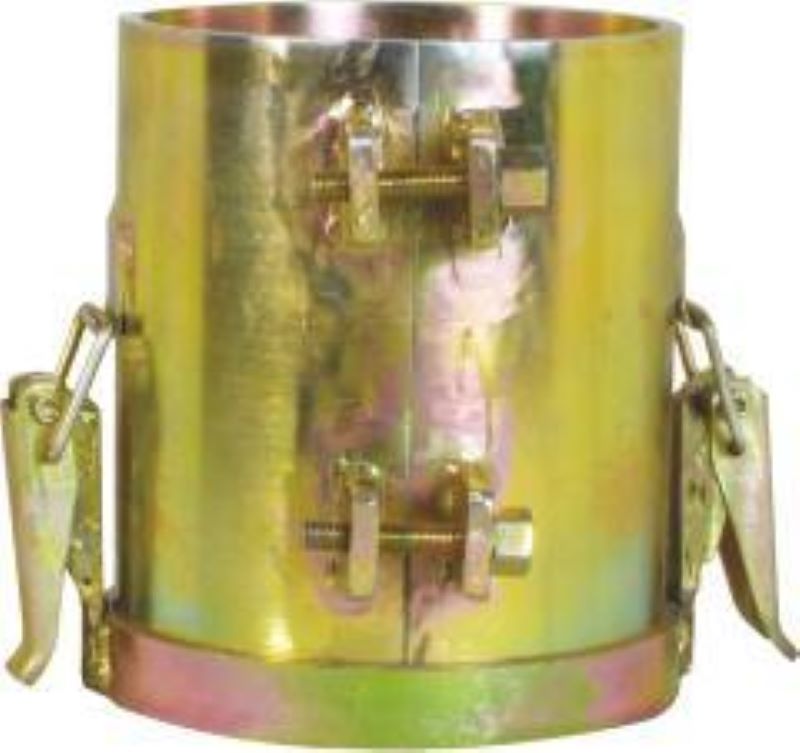
Tell us about your requirement

Price:
Quantity
Select Unit
- 50
- 100
- 200
- 250
- 500
- 1000+
Additional detail
Mobile number
Email

More Products in Concrete Highway Engineering lab Category
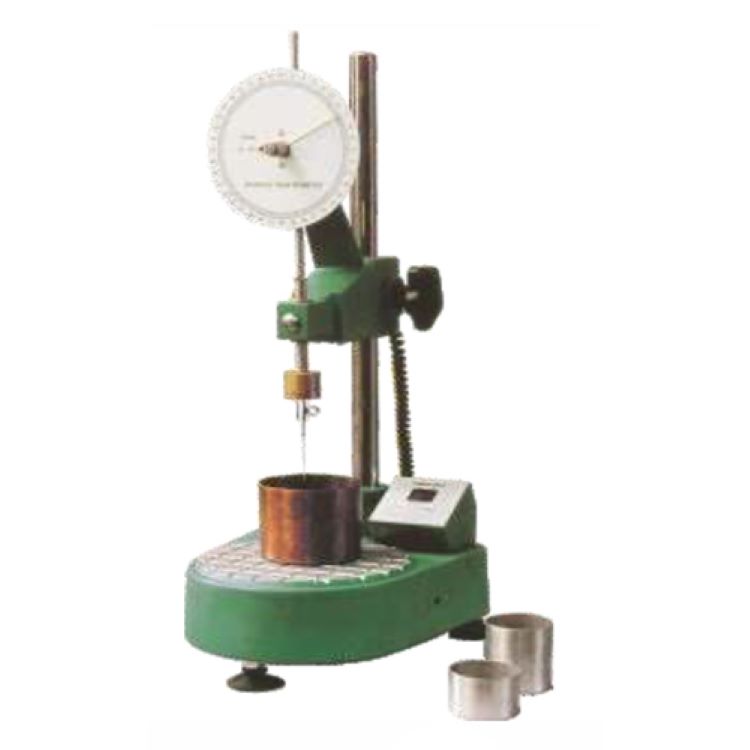
Digital Penetrometer
Price 25000.0 INR
Minimum Order Quantity : 1 Piece
Mounting Type : Benchtop
Usage : Laboratory and Field Testing
Number of Specimens : 1
Capacity : 0100 units
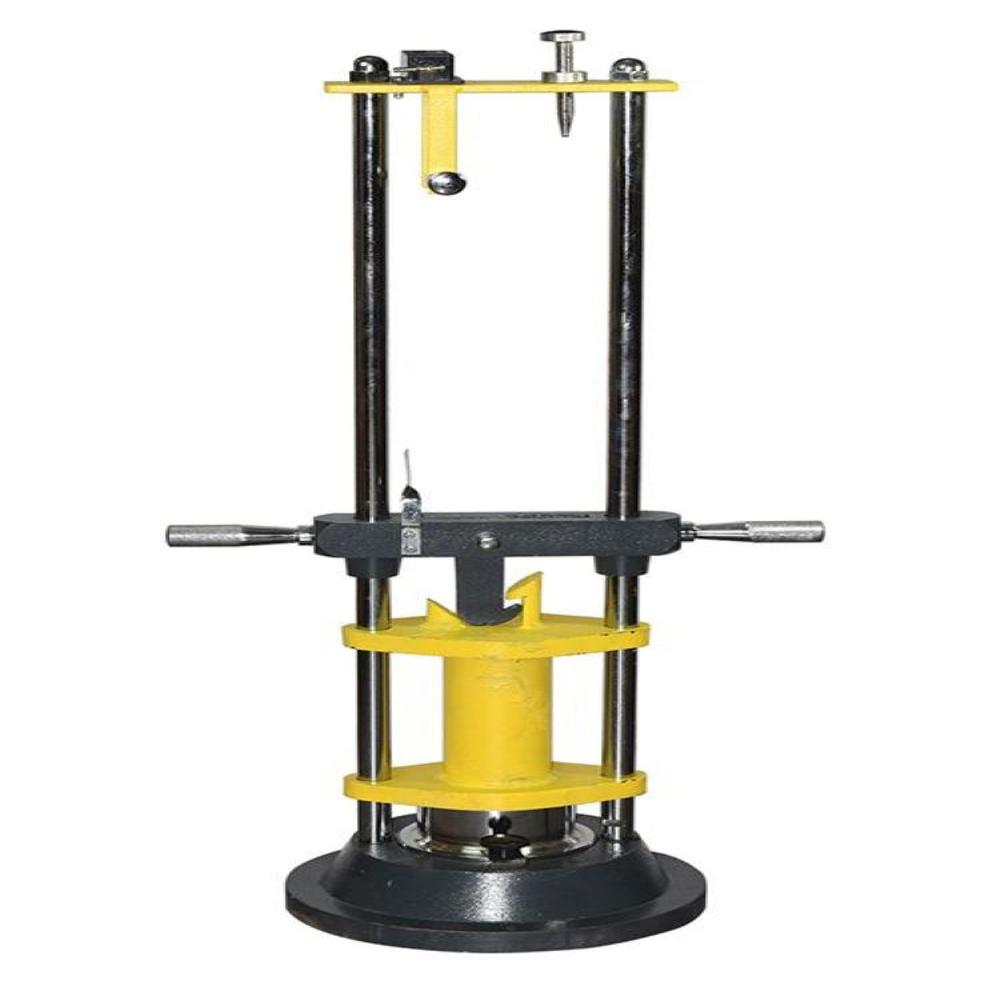
Aggregate Impact Tester With Blow Counter
Price 14000.0 INR / Piece
Minimum Order Quantity : 1 Piece
Mounting Type : Benchtop/Laboratory Table Mount
Usage : Aggregate Impact Testing as per IS: 2386 (Part 4) 1963
Number of Specimens : Single Specimen per test
Capacity : Aggregate cup ~ 70 mm dia. x 50 mm depth
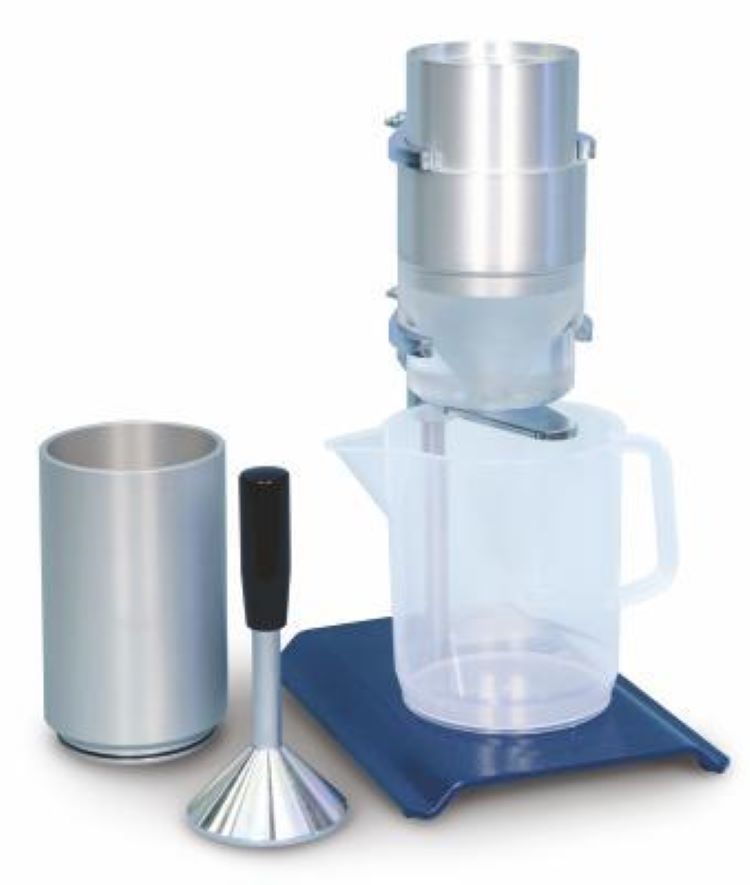
Index Apparatus (Flow Coefficient Of Fine Aggregates)
Price 50000.0 INR / Piece
Minimum Order Quantity : 1 Piece
Mounting Type : Table Top
Usage : Laboratory Testing of Fine Aggregate Flow Coefficient
Number of Specimens : 1 at a Time
Capacity : About 1 Liter
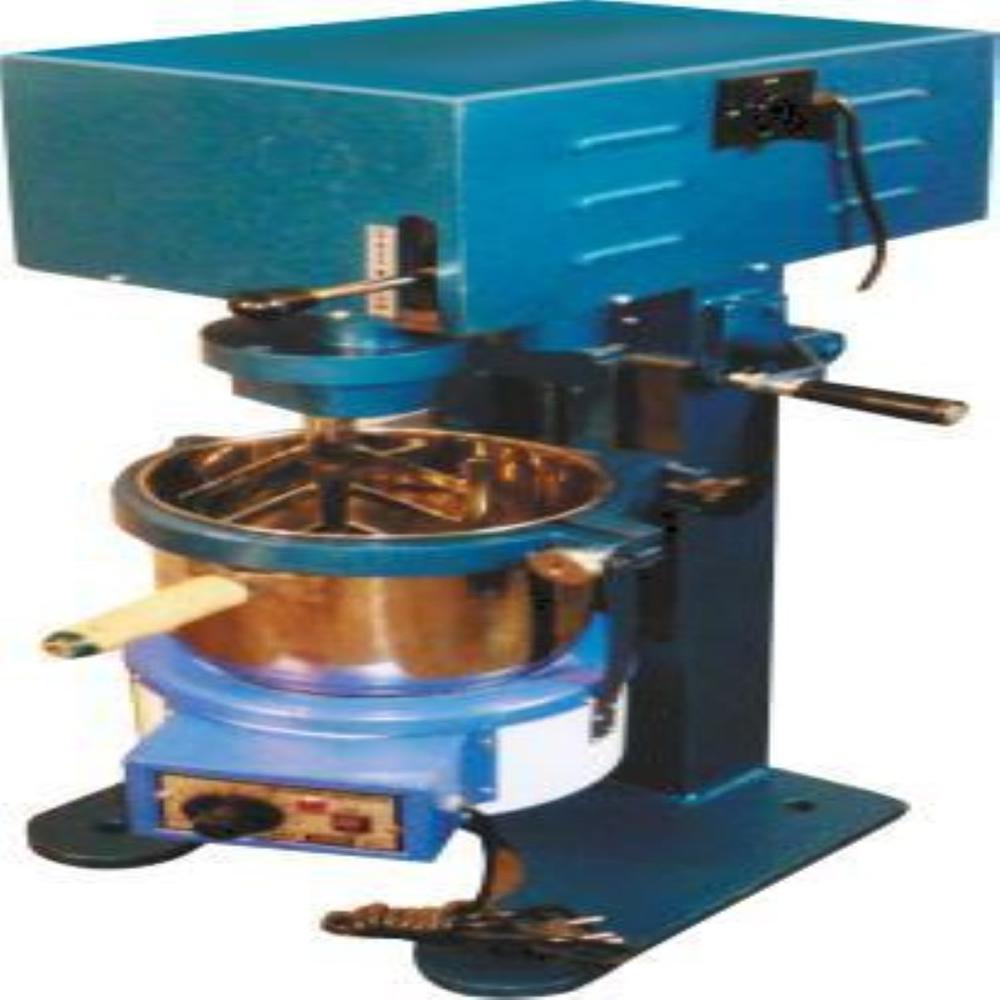
Mixer With Heating Jacket
Price 50000.0 INR / Piece
Minimum Order Quantity : 1 Piece
Mounting Type : Floor standing
Usage : Industrial & Laboratory mixing with heating
Number of Specimens : Single batch
Capacity : 5 to 50 Liters

We are dealing in Coimbatore, Chennai and Tamilnadu.
 Send Inquiry
Our Products
- Concrete Testing Equipment
- Survey Lab Equipment
- Construction Equipment
- Concrete Testing Machine
- Soil Test Machine
- Survey Instrument
- Auto Level
- Cement Testing Machine
- Soil Testing Equipments
- Soil Testing Equipment
- Civil Engineering Lab Equipment
- Total Station
- Soil Test equipments
- Auto Level
- Concrete Highway Engineering lab
- Mechanical Engineering Lab Equipment
- Weighing Scale
- Laboratory Testing Equipment
- Workshop Trolleys
- Compression Testing Machine
- Water Testing Equipment
- Vertical Milling Machine
- Moulding Products
- CNC Machines
- Measuring Ruler
- Cylinder Carrier
- Core Cutting Machine
- Digital Measuring Machine
- Hydraulic Jack
- Drawing Instruments
- Fuel Testing Equipment
- Dynamics Lab Equipment
- Hydraulics and Fluid Mechanics Lab Equipment
- Heat Transfer Lab Equipment
- Scientific Equipment
- Surgical Equipment
- Hot Air Oven
- Impact Testing Machine
- Torsion Testers
- Bernoullis Theorem Apparatus
- Wooden Tripod
- Liquid Mercury
- Vibrating Table
- Material Testing Equipment
- Agriculture Equipment
- Waste Water Analysis

SF No. 189/1B1A, 191/3A1A1E, Sidco Private Industrial Estate, LIC Colony, Kurichi Pudhu Nagar, Kuruchi Housing,Coimbatore - 641021, Tamil Nadu, India

Mr Balamurugan C
(Manager)
Mobile :07313727211
 Send Inquiry
 Send SMS
Developed and Managed by Infocom Network Private Limited.
