
Call us now :07313727211
 Send Inquiry
 Send Inquiry
Portable CTM, Hand Operated
Price 38000.0 INR/ Piece
MOQ : 1 Piece
Portable CTM, Hand Operated Specification
- Mounting Type
- Table top/portable
- Test Range
- Max. 100 kN (as per model)
- Humidity
- Ambient
- Max Height
- Approx. 700 mm
- Accuracy
- ± 1% of indicated value
- Automation Grade
- Manual
- Hardness
- High-grade steel platens
- Resolution
- 0.1 kN
- Measuring Range
- 0-100 kN
- Application
- Compression strength testing of concrete cubes/cylinders
- Response Time
- Immediate (manual)
- Specimen Size
- 150 mm x 150 mm x 150 mm
- Features
- Portable design, hand operated, robust build
- Frequency
- Manual (no electrical frequency)
- Equipment Type
- Portable Concrete Testing Machine (CTM)
- Power Supply
- Not required (manual operation)
- Display Type
- Analog Gauge
- Number of Specimens
- 1 per test cycle
- Temperature
- Ambient
- Usage
- On-site and laboratory concrete strength test
- Capacity
- 100 kN (10,000 kg) / can vary as per model
- Machine Weight
- Approx. 55 kg
- Test Speed
- Uniform hand operated
- Test Width
- 150 mm
- Test Stroke
- Up to 50 mm
- Control Mode
- Manual (Hand Operated)
- Finish
- Powder coated and corrosion resistant
- Hydraulic Ram Type
- Single acting
- Portability
- Easily carried by two persons
- Safety Features
- Pressure release valve
- Oil Capacity
- Adequate for full stroke operation
- Platen Diameter
- 165 mm
- Piston Stroke
- Up to 50 mm
- Accessories Included
- Carrying handles, operation manual, test spacers
- Pressure Gauge Diameter
- 100 mm
- Calibration
- Supplied with calibration certificate
- Frame Construction
- Rigid steel frame
Portable CTM, Hand Operated Trade Information
- Minimum Order Quantity
- 1 Piece
- FOB Port
- coimbatore
- Payment Terms
- Cash Advance (CA), Cash in Advance (CID)
- Supply Ability
- 1 Piece Per Day
- Delivery Time
- 1 Days
- Sample Available
- No
- Packaging Details
- cotton box
- Main Export Market(s)
- Africa, Asia
- Main Domestic Market
- Kerala, All India, South India, Central India, West India, North India, East India, Gujarat, Karnataka, Lakshadweep, Mizoram, Meghalaya, Manipur, Punjab, Assam, Uttarakhand, West Bengal, Andhra Pradesh, Bihar, Chandigarh, Daman and Diu, Goa, Jharkhand, Odisha, Delhi, Dadra and Nagar Haveli, Andaman and Nicobar Islands, Arunachal Pradesh, Chhattisgarh, Haryana, Himachal Pradesh, Madhya Pradesh, Maharashtra, Nagaland, Rajasthan, Sikkim, Tamil Nadu, Telangana, Tripura, Pondicherry, Uttar Pradesh, Jammu and Kashmir
About Portable CTM, Hand Operated
Specification:
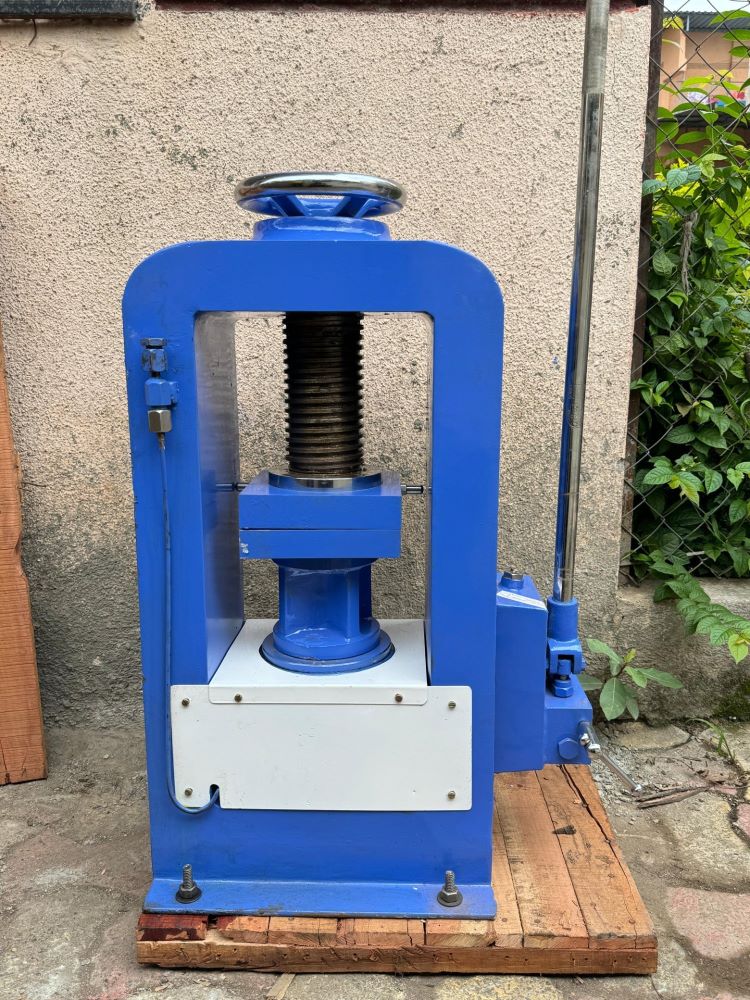
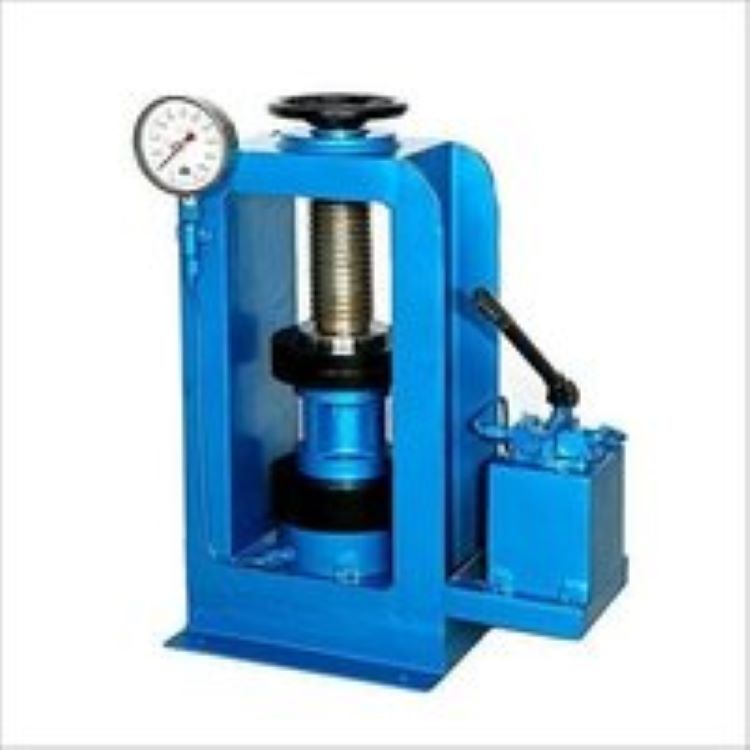
Portable Hand operated compression testing machines are economical and low cost variant of compression testing machine. These machines are easy to use and maintain.
- Useful for remote locations or mobile laboratories
- Sturdy, portable and stable
- For low capacity concrete / cement test (up to 1000kN)
- Protective 200mm dia load gauge with protective housing
Specifications:
| Ram Diameter (mm) | 165 |
| Ram Travel (mm) | 50 |
| Pressure Gauge | 200 mm, 1000 kN |
| Least Count (in kN) | 5 |
| Maximum Pressure (Kgs/cm) | 480 |
| Plated Diameter (mm) | 220 |
| Horizontal Clearance (mm) | 225 |
| Vertical Day Light (mm) with lead screw | 950 |
| Weight of Machine (Approx.) (Kgs.) | 250 |
| Specimen that can be Tested: | |
| Cube (mm) | 50, 100, 150 |
| Cylinder (mm) | 100 x 200, 150 x 300 |
Reliable Concrete Strength Testing, Anywhere
The Portable CTM is crafted for both field and laboratory environments, allowing for on-site analysis and quality control wherever concrete samples need assessment. Its robust build and powder-coated finish ensure lasting durability, even in challenging environments. This portable design eliminates the need for heavy lifting equipment, as it can be easily carried by two people, making it ideal for construction teams and quality inspectors.
Precision and Ease of Use
Equipped with a high-grade analog pressure gauge and a single-acting hydraulic ram, this hand-operated machine delivers precise measurements, with a resolution of 0.1 kN and accuracy within 1% of the indicated value. The simple manual operation ensures immediate response and complete control over the testing process, while the supplied calibration certificate guarantees measurement reliability.
FAQ's of Portable CTM, Hand Operated:
Q: How is the Portable Hand Operated CTM used for concrete strength testing?
A: This machine is designed for compression testing of concrete cubes or cylinders. Place the specimen on the rigid steel platform, secure it using the test spacers, and manually operate the hydraulic ram to apply pressure. The analog gauge displays the load, allowing you to read the maximum compression strength achieved by the specimen.Q: What are the benefits of using a hand operated portable CTM compared to traditional electrical models?
A: The hand operated CTM requires no external power supply, ensuring uninterrupted operation even on remote construction sites or where electricity is unavailable. Its portable build makes it easy to move and set up, while its robust construction guarantees extended service life in various environments.Q: When should the machine be recalibrated and how is calibration verified?
A: Calibration should be performed periodically according to usage intensity and industry standards, or when measurement accuracy is in doubt. Each unit comes with a calibration certificate, and regular recalibration can be arranged with authorized service centers or professionals.Q: Where can this CTM be used effectively?
A: The portable CTM is suitable for both field and laboratory environments across construction sites, ready-mix plants, infrastructure projects, and quality control labs. Its portability and rugged build allow for efficient strength testing wherever concrete samples are produced or delivered.Q: What process is followed during a typical compression test using this equipment?
A: First, position your test specimen (typically 150mm cubes or cylinders) on the platen. Ensure correct alignment with the included spacers. Gradually apply load using the hand lever until the specimen fails. The peak load, shown on the analog gauge, provides the compressive strength value of the concrete sample.Q: Can this portable CTM be moved and set up by a single person?
A: Although designed for easy transportation, the approximate 55 kg weight means it is most safely and conveniently carried by two people using the integrated handles. This ensures both safety and mechanical stability during transport and setup.Q: What safety features are integrated into the machine during use?
A: The device includes a pressure release valve to prevent overloading or excessive pressure build-up. Its stable frame and high-grade steel platens contribute to user safety and maintain reliable operation throughout the testing process.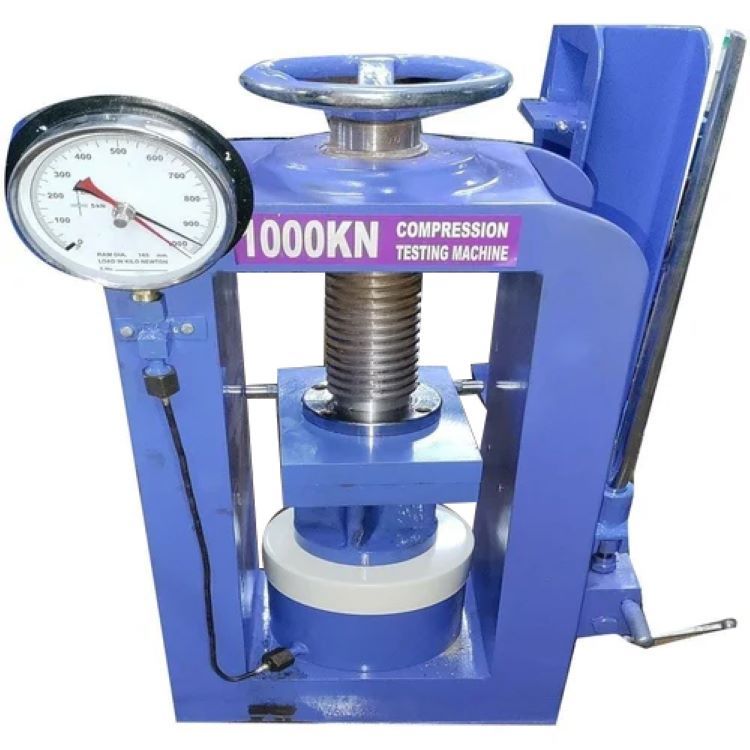
Tell us about your requirement

Price:
Quantity
Select Unit
- 50
- 100
- 200
- 250
- 500
- 1000+
Additional detail
Mobile number
Email

More Products in Concrete Testing Equipment Category
Longitudinal Compressometer
Price 5000.0 INR / Piece
Minimum Order Quantity : 1 Piece
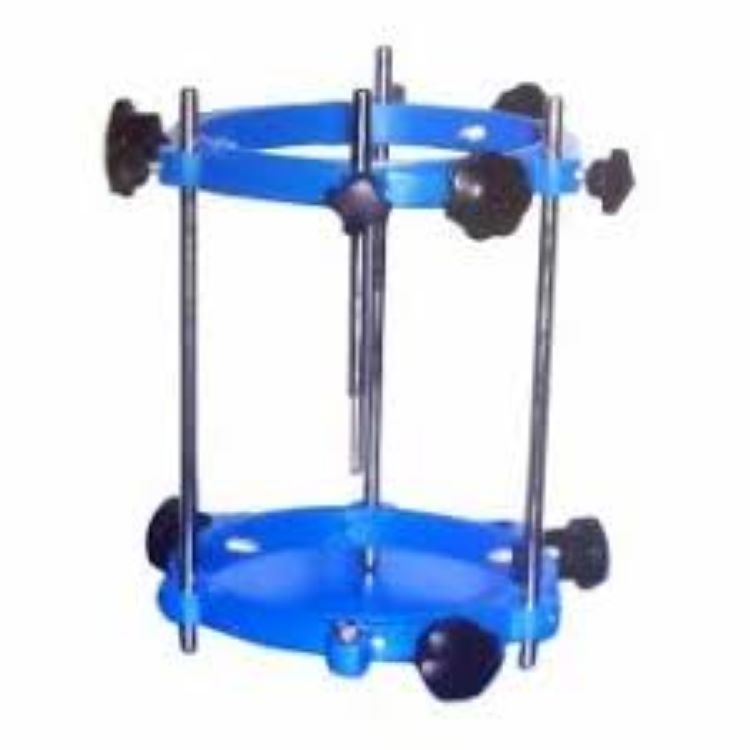
Usage : Measurement of longitudinal strain during compression tests
Mounting Type : Clamped on specimen with springs
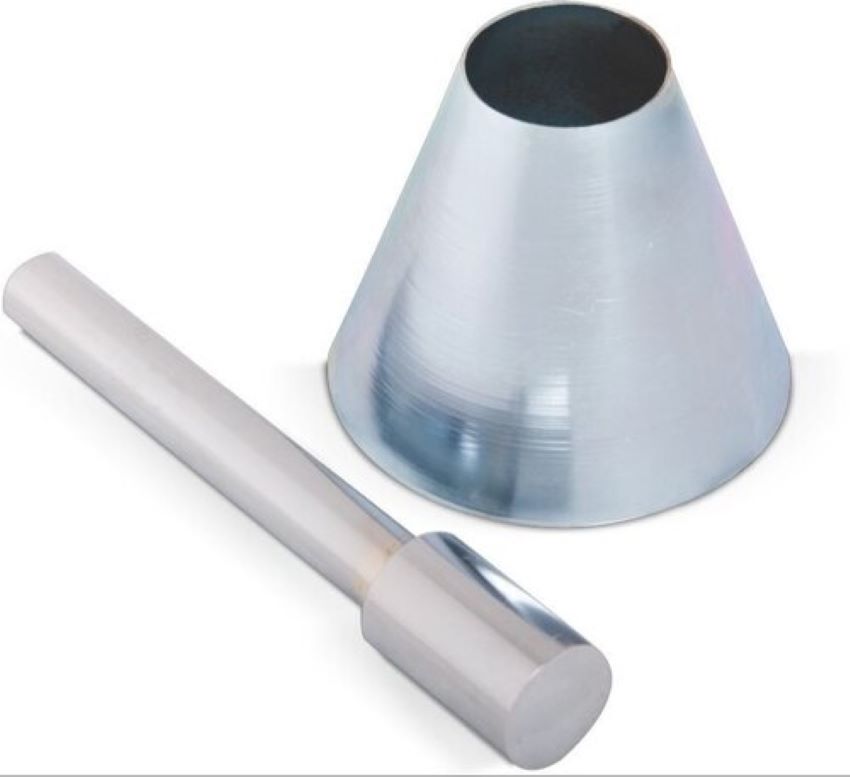
Sand Absorption Cone And Tamper
Price 3000.0 INR / Piece
Minimum Order Quantity : 1 Piece
Usage : Laboratory Testing of Aggregates
Mounting Type : Portable/Benchtop
Power Supply : Not Required (Manual Equipment)
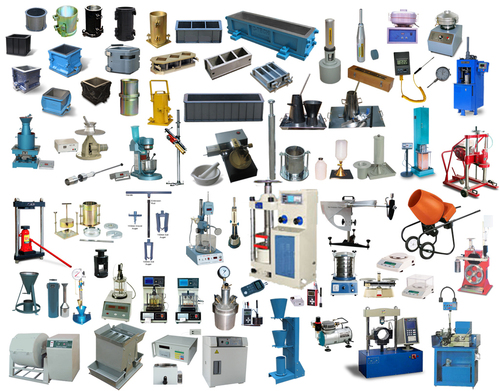
Concrete Testing Equipment
Price 5000.0 INR / Piece
Minimum Order Quantity : 1 Piece
Usage : industrial
Color : Other, Multicolor
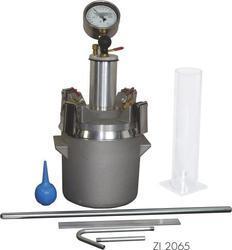
B Type Air Entrainment Meter
Price 90000 INR / Piece
Minimum Order Quantity : 1 Piece
Usage : laboratory
Mounting Type : Floor Mounting
Color : Silver
Power Supply : Electric

We are dealing in Coimbatore, Chennai and Tamilnadu.
 Send Inquiry
Our Products
- Concrete Testing Equipment
- Survey Lab Equipment
- Construction Equipment
- Concrete Testing Machine
- Soil Test Machine
- Survey Instrument
- Auto Level
- Cement Testing Machine
- Soil Testing Equipments
- Soil Testing Equipment
- Civil Engineering Lab Equipment
- Total Station
- Soil Test equipments
- Auto Level
- Concrete Highway Engineering lab
- Mechanical Engineering Lab Equipment
- Weighing Scale
- Laboratory Testing Equipment
- Workshop Trolleys
- Compression Testing Machine
- Water Testing Equipment
- Vertical Milling Machine
- Moulding Products
- CNC Machines
- Measuring Ruler
- Cylinder Carrier
- Core Cutting Machine
- Digital Measuring Machine
- Hydraulic Jack
- Drawing Instruments
- Fuel Testing Equipment
- Dynamics Lab Equipment
- Hydraulics and Fluid Mechanics Lab Equipment
- Heat Transfer Lab Equipment
- Scientific Equipment
- Surgical Equipment
- Hot Air Oven
- Impact Testing Machine
- Torsion Testers
- Bernoullis Theorem Apparatus
- Wooden Tripod
- Liquid Mercury
- Vibrating Table
- Material Testing Equipment
- Agriculture Equipment
- Waste Water Analysis

SF No. 189/1B1A, 191/3A1A1E, Sidco Private Industrial Estate, LIC Colony, Kurichi Pudhu Nagar, Kuruchi Housing,Coimbatore - 641021, Tamil Nadu, India

Mr Balamurugan C
(Manager)
Mobile :07313727211
 Send Inquiry
 Send SMS
Developed and Managed by Infocom Network Private Limited.
