
Call us now :07313727211
 Send Inquiry
 Send Inquiry
Brinell Hardness Tester
Price 150000.0 INR/ Piece
MOQ : 1 Piece
Brinell Hardness Tester Specification
- Power Supply
- 220V AC, 50Hz
- Response Time
- Immediate
- Humidity
- 85% RH (non-condensing)
- Frequency
- 50 Hz
- Display Type
- Analog/Scale
- Interface Type
- Manual lever and analog display
- Mounting Type
- Bench-top
- Measuring Range
- 100 650 HBW
- Equipment Type
- Brinell Hardness Tester
- Port Size
- Standard
- Temperature
- 10C to 35C
- Specimen Size
- Max up to 220 mm height
- Max Height
- 220 mm
- Application
- Hardness testing of metals and alloys
- Test Range
- 650 HBW
- Automation Grade
- Manual
- Features
- Sturdy body, calibrated, easy load selection
- Number of Specimens
- Single sample per cycle
- Hardness
- Up to 650 HBW
- Accuracy
- Conforms to IS: 2281, BS: 240, ASTM: E10
- Operating Voltage
- 220 V AC
- Resolution
- 0.1 HBW
- Usage
- Laboratory, workshop
- Capacity
- Max test load 3000 kgf
- Machine Weight
- Approx. 450 kg
- Test Speed
- Standard cycle
- Test Width
- 250 mm
- Test Stroke
- 200 mm
- Control Mode
- Manual/Automatic
- Dwell Time
- 10 15 seconds adjustable
- Indenter Type
- 10 mm ball indenter
- Instruction Manual
- Provided with machine
- Standard Accessories
- Test blocks, flat anvil, V anvil, ball holder
- Body Material
- Heavy cast iron
- Load Application System
- Dead weight
- Finish
- Powder coated
- Operating Method
- Hand operated lever system
- Optical Measurement
- Eyepiece for impression diameter
Brinell Hardness Tester Trade Information
- Minimum Order Quantity
- 1 Piece
- FOB Port
- coimbatore
- Payment Terms
- Cash Advance (CA), Cash in Advance (CID)
- Supply Ability
- 1 Piece Per Day
- Delivery Time
- 1 Days
- Sample Available
- No
- Packaging Details
- cotton box
- Main Export Market(s)
- Asia, Africa
- Main Domestic Market
- All India, South India, Central India, West India, Assam, Dadra and Nagar Haveli, Andaman and Nicobar Islands, Pondicherry, North India, East India, Gujarat, Manipur, Andhra Pradesh, Arunachal Pradesh, Chhattisgarh, Himachal Pradesh, Jammu and Kashmir, Maharashtra, Nagaland, Rajasthan, Sikkim, Tamil Nadu, Telangana, Tripura, Uttar Pradesh, Uttarakhand, West Bengal, Mizoram, Bihar, Chandigarh, Daman and Diu, Goa, Jharkhand, Odisha, Punjab, Delhi, Karnataka, Kerala, Lakshadweep, Meghalaya, Haryana, Madhya Pradesh
Brinell Hardness Tester About
Specification:
The machine is designed with a Hydraulic Power pack and control circuit for effortless loading unloading operation. A dial gauge in front measures depth of ball penetration. This facilitates production testing within tolerance limits by comparison method.
Standard Accessories
- Model Capacity 3000 Kgf :PMT 3
- Testing Table 200 mm :1 pc.
Testing Table 200 mm with 'V' grove
- For round jobs-l0 to 80 mm dia:1 pc.
- Ball holder 5 mm:1 pc.
- Ball holder l0 mm: 1 pc.
- Test Block HB-5/750:1 pc.
- Test Block HB-l0/3000:1 pc.
- Brinell Microscope:1 pc.
- Allen Spanner:1 pc.
- Telescopic cover for elevating screw protection:1 set
- Instruction Manual:1 book
Efficient Hardness Testing for Metals and Alloys
This Brinell Hardness Tester ensures precise and repeatable measurements for a wide range of ferrous and non-ferrous metals. Its dead weight system provides consistent loading while the optical eyepiece allows straightforward impression diameter measurement. The robust construction and powder-coated finish guarantee durability for heavy usage in demanding environments.
User-Friendly Design and Operation
The tester operates via a hand lever system, making it simple to apply the desired load. Key features include an adjustable dwell time (10-15 seconds), standard accessories such as test blocks and anvils, and a clear analog scale for direct hardness value readings. Its bench-top mounting style and approximate 450 kg weight deliver stable and secure testing.
Compliance and Versatility
Manufactured in line with IS: 2281, BS: 240, and ASTM: E10 standards, the tester offers a broad measuring range of 100-650 HBW and resolution of 0.1 HBW. It is suitable for various industrial sectors as a laboratory or workshop tool, supporting dealers, exporters, and manufacturers across India.
FAQ's of Brinell Hardness Tester:
Q: How does the Brinell Hardness Tester measure hardness in metals?
A: The Brinell Hardness Tester applies a controlled dead weight force using a 10 mm ball indenter onto the metal surface. The diameter of the resulting impression is measured optically through an eyepiece, and the hardness value (HBW) is determined according to recognized standards.Q: What is the process to conduct a hardness test using this machine?
A: The process involves placing the specimen on the anvil, selecting and applying the desired load via the hand lever, and allowing the load to dwell for 10-15 seconds. The impression diameter is then measured using the provided eyepiece, and the hardness value is read directly from the scale.Q: Where is this Brinell Hardness Tester most effectively used?
A: This tester is ideal for usage in laboratories, workshops, research centers, and production facilities where accurate hardness assessment of metals and alloys is required. Its bench-top design ensures stability during operation.Q: When should the dwell time be adjusted and how does it affect testing?
A: The dwell time, adjustable between 10 and 15 seconds, should be set according to material hardness and testing standards. Proper dwell time ensures accurate impression formation, affecting measurement precision and reliability.Q: What are the benefits of using this Brinell Hardness Tester?
A: Key benefits include its sturdy construction for longevity, precise calibrated results, easy load selection, dual manual/automatic control options, and full compliance with international standards. It supports a wide measuring range and delivers immediate results with high accuracy.Q: How do I maintain the accuracy and longevity of the tester?
A: Regular calibration, cleaning after use, and storage in suitable environmental conditions (humidity 85% RH, temperature 10C-35C) help maintain accuracy. All moving parts should be kept dust-free, and the indenter and anvils inspected for wear.Q: What standard accessories are provided with the machine?
A: The tester is supplied with test blocks, a flat anvil, a V anvil, a ball holder, and a comprehensive instruction manual to facilitate efficient setup and operation.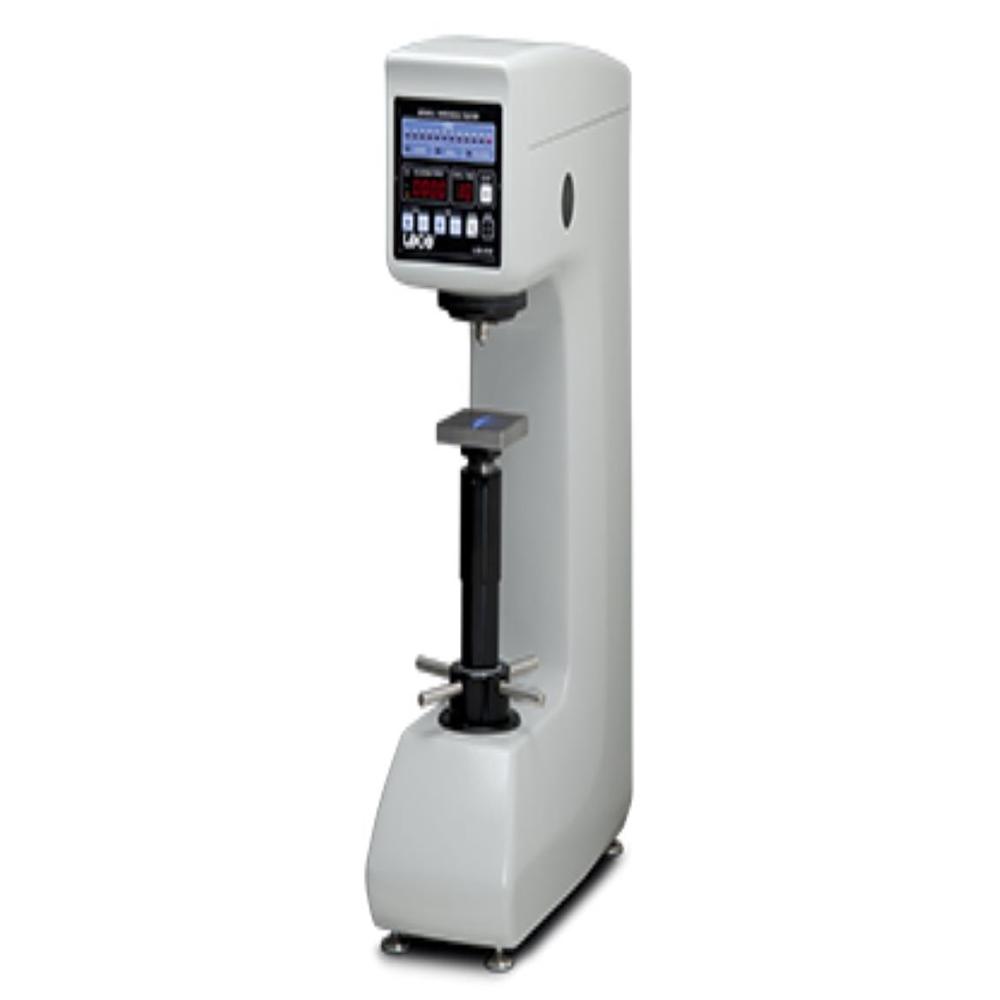
Tell us about your requirement

Price:
Quantity
Select Unit
- 50
- 100
- 200
- 250
- 500
- 1000+
Additional detail
Mobile number
Email

More Products in Concrete Highway Engineering lab Category
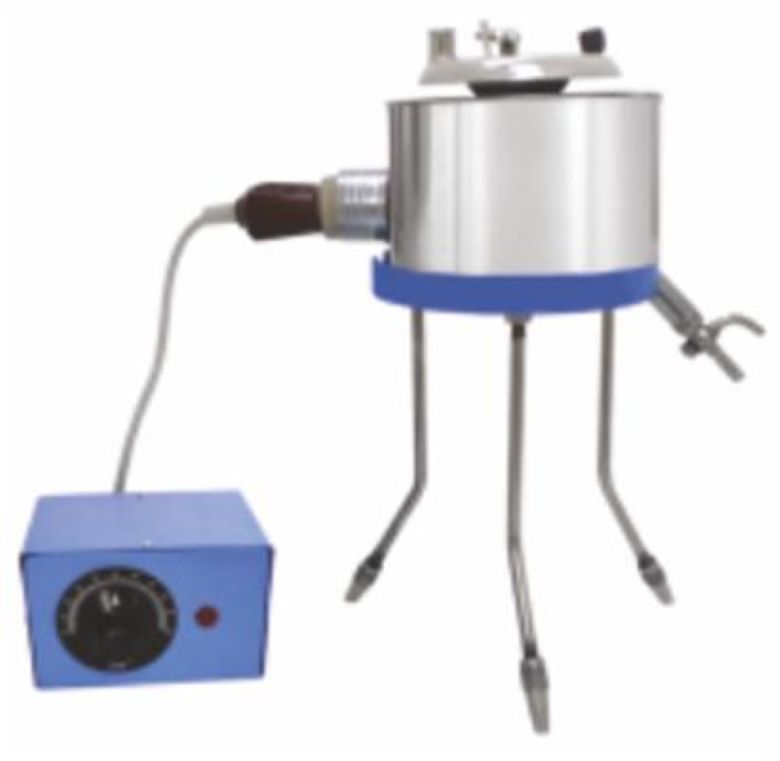
Standard Tar Viscometer
Price 15000.0 INR / Sets
Minimum Order Quantity : 1 Piece
Test Speed : Manual
Display Type : Manual stopwatch (supplied)
Humidity : Relative, up to 90 % noncondensing
Response Time : Instantaneous with manual stopwatch
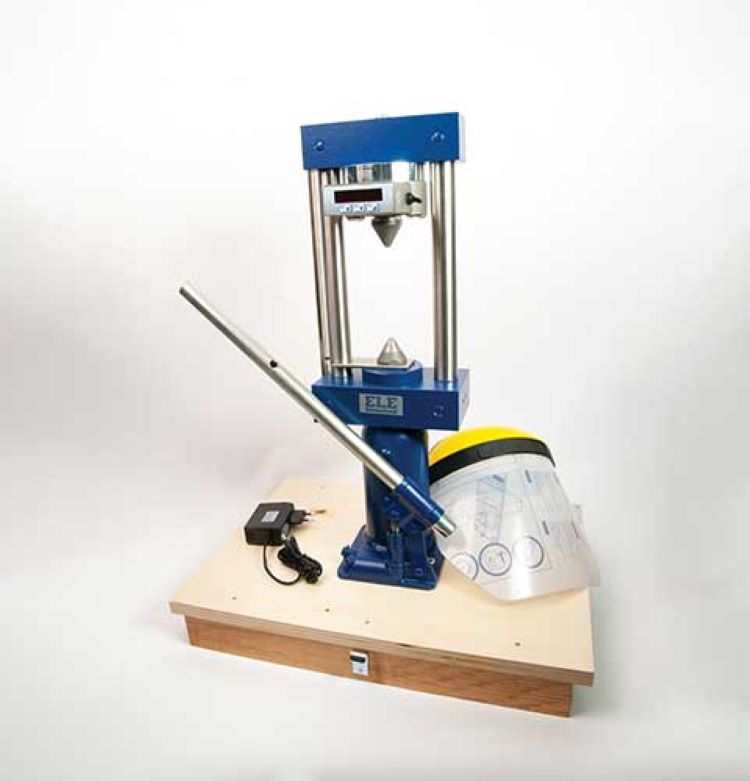
Digital Point Load Test Apparatus
Price 80000.0 INR / Piece
Minimum Order Quantity : 1 Piece
Test Speed : Variable, typically 15 mm/min
Display Type : Digital LCD display
Humidity : 85% RH (noncondensing)
Response Time : <3 seconds
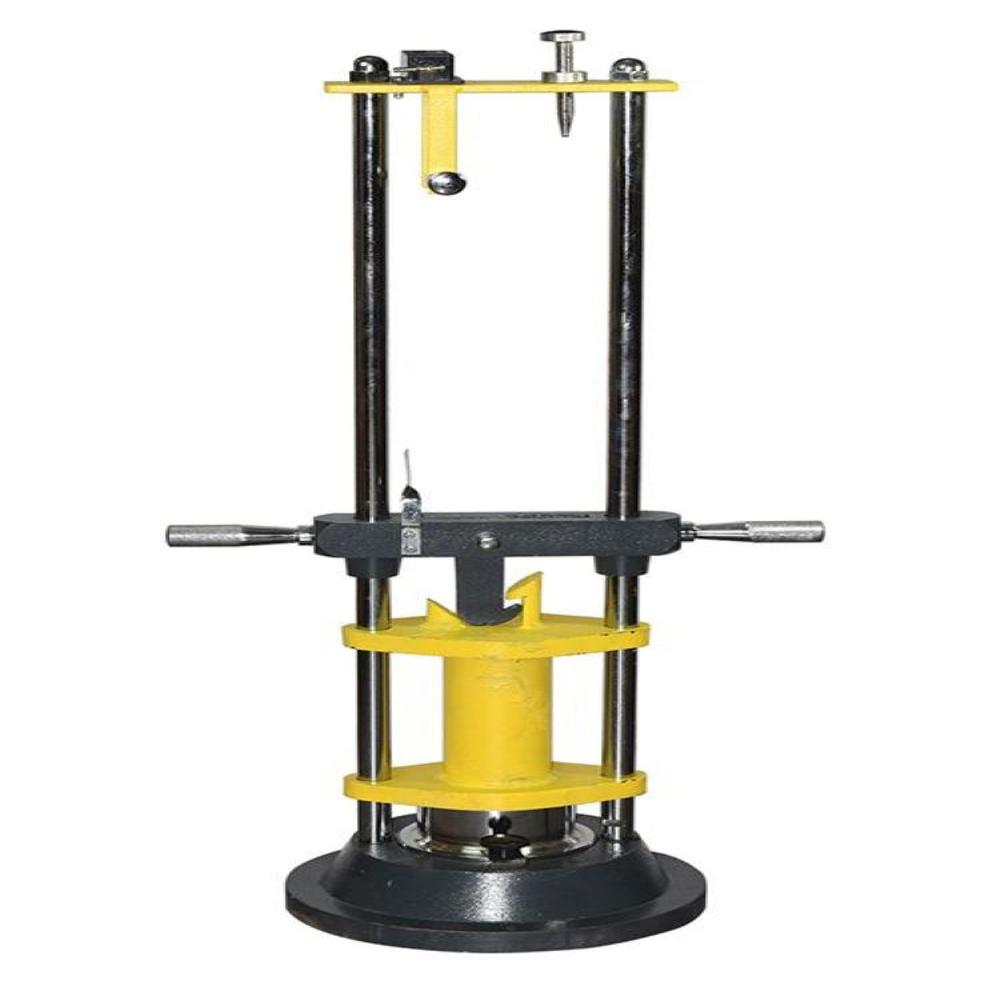
Aggregate Impact Tester With Blow Counter
Price 14000.0 INR / Piece
Minimum Order Quantity : 1 Piece
Test Speed : Blow Counter (automated) Up to 30 blows/min
Display Type : Digital LED Blow Counter
Humidity : Up to 90% RH (noncondensing, operational)
Response Time : Immediate, realtime counting
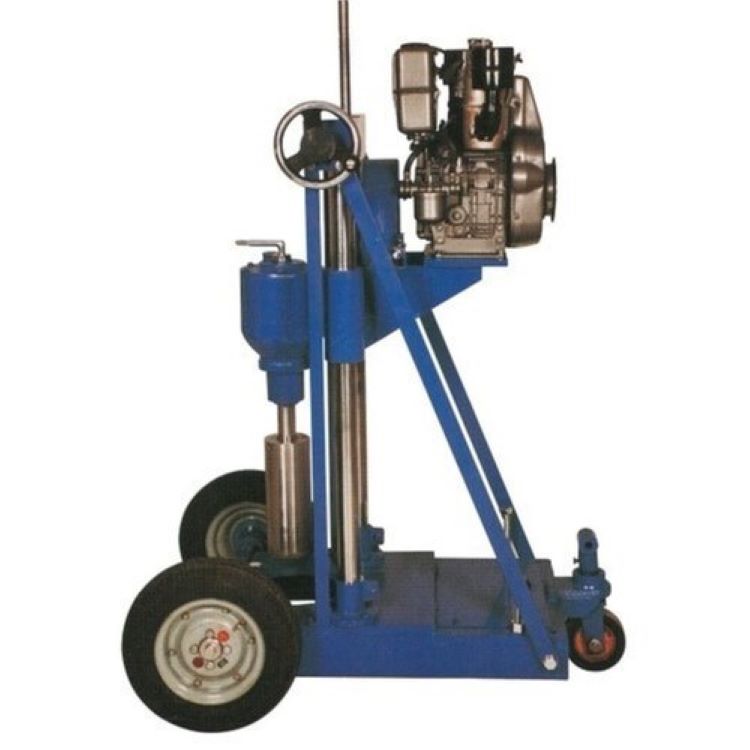
Portable Core Cutting Drilling Machine Petrol Driven
Price 100000.0 INR / Piece
Minimum Order Quantity : 1 Piece
Test Speed : Variable, up to 500 rpm
Display Type : Analog depth gauge
Humidity : Operational up to 95% RH
Response Time : Instantaneous as per drilling operation

We are dealing in Coimbatore, Chennai and Tamilnadu.
 Send Inquiry
Our Products
- Concrete Testing Equipment
- Survey Lab Equipment
- Construction Equipment
- Concrete Testing Machine
- Auto Level
- Soil Test Machine
- Survey Instrument
- Cement Testing Machine
- Soil Testing Equipments
- Soil Testing Equipment
- Civil Engineering Lab Equipment
- Total Station
- Soil Test equipments
- Concrete Highway Engineering lab
- Mechanical Engineering Lab Equipment
- Weighing Scale
- Laboratory Testing Equipment
- Workshop Trolleys
- Compression Testing Machine
- Water Testing Equipment
- Cube Mould
- Non Destructive Testing Equipment
- Core Cutting Machine
- Digital Measuring Machine
- Oil & Petroleum Testing Equipment
- Drawing Instruments
- Fuel Testing Equipment
- Dynamics Lab Equipment
- Hydraulics and Fluid Mechanics Lab Equipment
- Heat Transfer Lab Equipment
- Scientific Equipment
- Standard Sand
- Hot Air Oven
- Tamping Rammer
- Structural Engineering Lab Equipment
- Pharmaceutical And Microbiology Testing Laboratory
- Thermal Engineering Laboratory Equipment
- Liquid Mercury
- Vibrating Table
- Material Testing Equipment
- Waste Water Analysis
- Precision Measuring Instruments
- Walk Behind Double Drum Roller
- Vernier Theodolite
- Bitumen Testing Equipment
- Agriculture Equipment
- Bosch Measuring Tools
- Concrete Mixer Machine
- Concrete Power Trowel
- Bar Cutting Machine
- Concrete Vibrator
- Construction Mini Lift
- Bar Bending Machine
- Construction Power Tools
- DGPS Survey Equipment
- Double Wheel Barrow
- Automobile Tools
- Aggregate Testing Equipment
- Alcohol Breath Analyser
- Construction and Building Equipments
- Earth Rammer
- GARMIN Handheld GPS
- General Laboratory Equipment

SF No. 189/1B1A, 191/3A1A1E, Sidco Private Industrial Estate, LIC Colony, Kurichi Pudhu Nagar, Kuruchi Housing,Coimbatore - 641021, Tamil Nadu, India

Mr Balamurugan C
(Manager)
Mobile :07313727211
 Send Inquiry
 Send SMS
Developed and Managed by Infocom Network Private Limited.
