
Call us now :07313727211
 Send Inquiry
 Send Inquiry
Accelerated Polishing Machine
Price 50000.0 INR/ Piece
MOQ : 1 Piece
Accelerated Polishing Machine Specification
- Humidity
- Up to 95% RH
- Power Supply
- 220 V AC, 50 Hz
- Equipment Type
- Accelerated Polishing Machine
- Port Size
- Standard
- Operating Voltage
- 220 V
- Hardness
- Hardened steel holder
- Application
- Aggregate/Material Polishing Test
- Frequency
- 50 Hz
- Response Time
- Immediate
- Accuracy
- ±0.5%
- Interface Type
- Manual/Touch Panel
- Test Range
- Varied according to specimen
- Number of Specimens
- Up to 3 specimens
- Automation Grade
- Semi-Automatic
- Mounting Type
- Floor Mounted
- Resolution
- 0.01 unit
- Temperature
- Ambient to 50°C
- Display Type
- Digital Display
- Max Height
- Approx. 700 mm
- Measuring Range
- Surface Polishing Index
- Specimen Size
- 150 x 50 x 50 mm
- Features
- Heavy Duty Construction, Safety Enclosure, Easy Specimen Mounting
- Usage
- Laboratory, Aggregate Testing
- Capacity
- 3 samples per cycle
- Machine Weight
- Approx. 120 kg
- Test Speed
- 320 ± 10 rpm
- Test Width
- 76 mm
- Test Stroke
- 345 mm
- Control Mode
- Digital Timer and Speed Controller
- Noise Level
- Less than 70 dB
- Complies With
- BS 812: Part 113
- Construction Material
- Powder Coated Steel
- Wheel Type
- Rubber Lined Steel Drum
- Drum Diameter
- 305 mm
- Timer Setting
- Up to 99 minutes
- Lubrication System
- Sealed Bearings
- Abrasive Delivery
- Automatic Pellet Dispenser
- Safety Feature
- Microswitch Safety Cover
- Drive Type
- Electric Motor Driven
- Standard Accessories
- Specimen Molds, Collection Tray
Accelerated Polishing Machine Trade Information
- Minimum Order Quantity
- 1 Piece
- FOB Port
- coimbatore
- Payment Terms
- Cash Advance (CA), Cash in Advance (CID)
- Supply Ability
- 1 Piece Per Day
- Delivery Time
- 1 Days
- Sample Available
- No
- Packaging Details
- cottonbox
- Main Export Market(s)
- Asia, Africa
- Main Domestic Market
- Assam, Chhattisgarh, Tripura, Pondicherry, Uttar Pradesh, Manipur, Delhi, Dadra and Nagar Haveli, Andaman and Nicobar Islands, Arunachal Pradesh, Haryana, Himachal Pradesh, Jammu and Kashmir, Madhya Pradesh, Maharashtra, Nagaland, Rajasthan, Sikkim, Tamil Nadu, All India, South India, Central India, West India, North India, East India, Gujarat, Karnataka, Kerala, Lakshadweep, Mizoram, Meghalaya, Andhra Pradesh, Bihar, Chandigarh, Daman and Diu, Goa, Jharkhand, Odisha, Punjab, Telangana, Uttarakhand, West Bengal
About Accelerated Polishing Machine
Specification:
- High ground steel main spindle running in precision sealed ball bearings additionally protected by a labyrinth seal spindle axially loaded to eliminate end play
- Adjustable 3 phase motor speed control with adjustable timing belt drive,reducing power consumption and improves control
- Inverter drive to motor for precise speed control
- Digital display preset timer and revolution counter
- Robust welded steel mainframe, standing on adjustable pads
- Specimens manufactured and easily removed from precision machined moulds
- 14 Specimens located on Road Wheel by rubber rings and held by simpleside fixing
- Water gravity fed from high level tank through calibrated flow meter
- Used abrasive and water collected in easily removable tray
- Loaded tyre raised and lowered to the running surface by mechanical liftingdevice
- Protection by covers and guards may be easily removed for maintenance
Specifications
- Road Wheel Speed : 320 5 rev min -1
- Tyred Wheel Set Diameter mm : 200 3
- Tyred Wheel Set Width mm : 38 2
- Tyred Wheel Hardness : (69 3) mm IRHD
- Applied Load on the Wheel : (725 10) Newton
- Electrical Supply : 230v / 110v. 50/60 Hz Single Phase 13 amp
- Dimensions mm (WxDxH) : 810 x 790 x 1230
- Water Tank Height cm : 155
- Palletised Dimensions mm (WxDxH) : 1200 x 800 x 1280
- Weight (max) Kg : 210
Advanced Safety and Operational Features
This machine prioritizes user safety with a microswitch safety cover, enclosing moving parts and immediately halting operation when opened. The sealed bearings and powder coated steel construction ensure durability and reduced maintenance, while the automatic pellet dispenser streamlines the abrasive delivery process, making test operations highly efficient and consistent.
User-Friendly Digital Controls
Equipped with a digital timer and speed controller, the machine allows for precise setting of test durations up to 99 minutes and consistent test speeds. The touch panel interface simplifies operation, suitable for both manual and semi-automatic use, enabling operators to monitor and adjust parameters instantly, which contributes to accurate results every cycle.
FAQ's of Accelerated Polishing Machine:
Q: How does the microswitch safety cover enhance operator safety during use?
A: The microswitch safety cover automatically interrupts power to the machine whenever the enclosure is opened, preventing accidental contact with moving parts and reducing the risk of injury while handling specimens or adjusting settings during operation.Q: What is the process for mounting and polishing aggregate specimens?
A: Specimens measuring 150 x 50 x 50 mm are securely placed into the hardened steel holders within the rubber lined steel drum. The machine, using automatic pellet dispensing, rotates at a controlled speed for up to 99 minutes, ensuring uniform polishing as per aggregate testing requirements.Q: When should the Accelerated Polishing Machine be used in the testing workflow?
A: This equipment should be used after aggregates or materials have been an initial preparation and require assessment of their surface polishing index. Its standard-compliant testing makes it ideal for both research and quality-control labs seeking accurate and repeatable polishing measurements.Q: Where can this machine be installed within a laboratory setting?
A: The machine is designed for floor-mounted installation, fitting standard laboratory environments thanks to its compact footprint (max height approx. 700 mm), robust construction, and operational requirements compatible with 220 V AC, 50 Hz power supplies.Q: What are the main benefits of the automatic pellet dispenser?
A: The automatic pellet dispenser optimizes test consistency by evenly delivering abrasives to the specimens, eliminating manual intervention and minimizing human error, which results in reliable and repeatable surface polishing outcomes for all tested samples.Q: Can the machine accommodate multiple specimens simultaneously?
A: Yes, the Accelerated Polishing Machine is engineered to handle up to three specimens per test cycle, increasing throughput and enabling comparative analysis within a single run for efficient laboratory operations.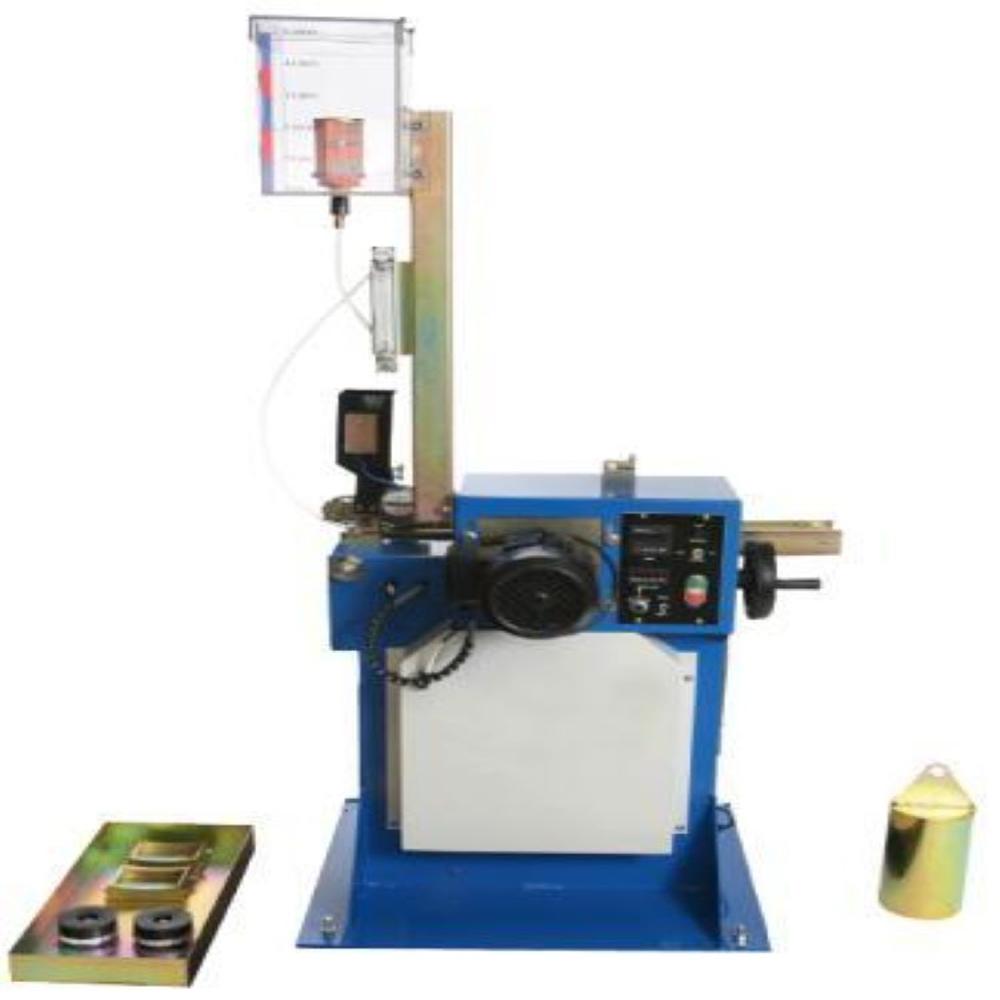
Tell us about your requirement

Price:
Quantity
Select Unit
- 50
- 100
- 200
- 250
- 500
- 1000+
Additional detail
Mobile number
Email

More Products in Concrete Highway Engineering lab Category
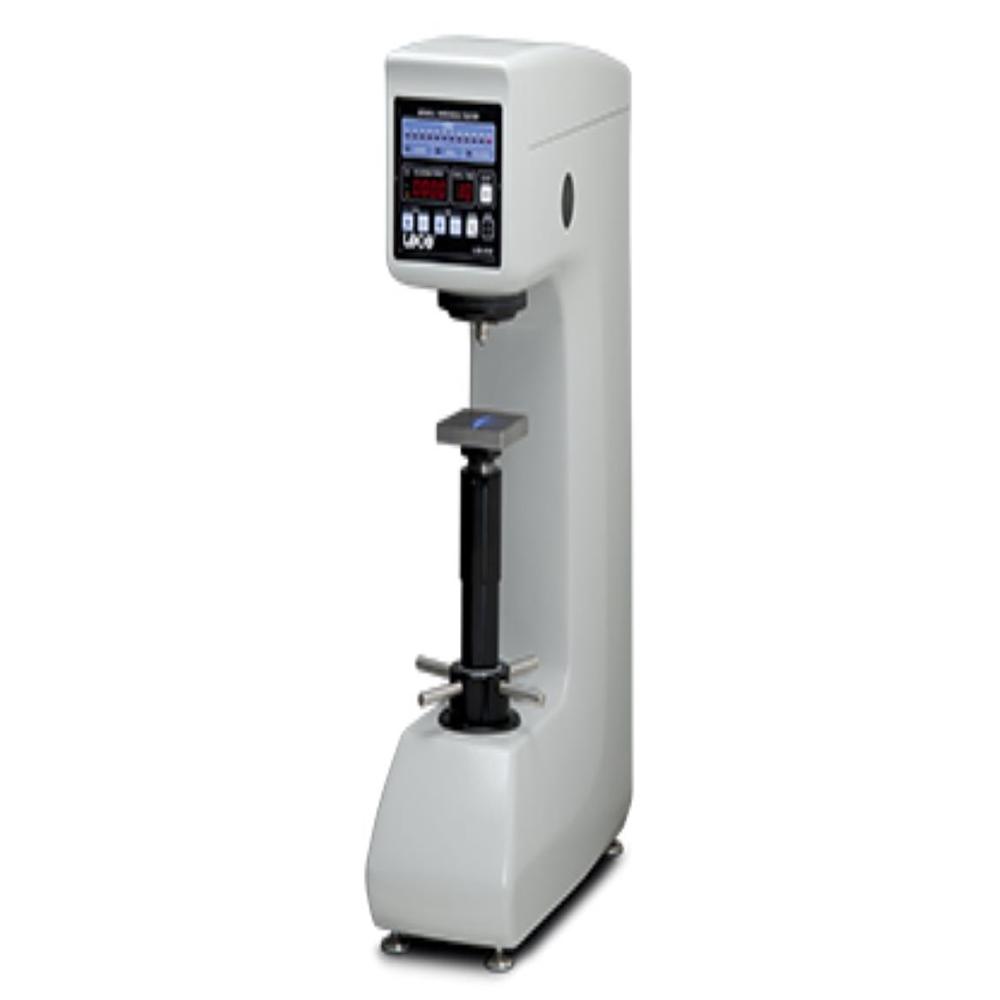
Brinell Hardness Tester
Price 150000.0 INR / Piece
Minimum Order Quantity : 1 Piece
Features : Sturdy body, calibrated, easy load selection
Specimen Size : Max up to 220 mm height
Control Mode : Manual/Automatic
Max Height : 220 mm

Asphalt & Concrete Floor Saw
Price 150000.0 INR / Piece
Minimum Order Quantity : 1 Piece
Features : Heavy duty frame, depth adjustment, water facility, vibration dampening
Specimen Size : Customizable as per blade
Control Mode : Manual & Electric Start
Max Height : 950 mm

Core Cutting Grinding Machine
Price 100000.0 INR / Piece
Minimum Order Quantity : 1 Piece
Features : Heavy duty motor, Stainless steel tray, Adjustable vice, Water feed system
Specimen Size : Cores up to 150 mm length
Control Mode : Manual / Lever Operated
Max Height : 150 mm
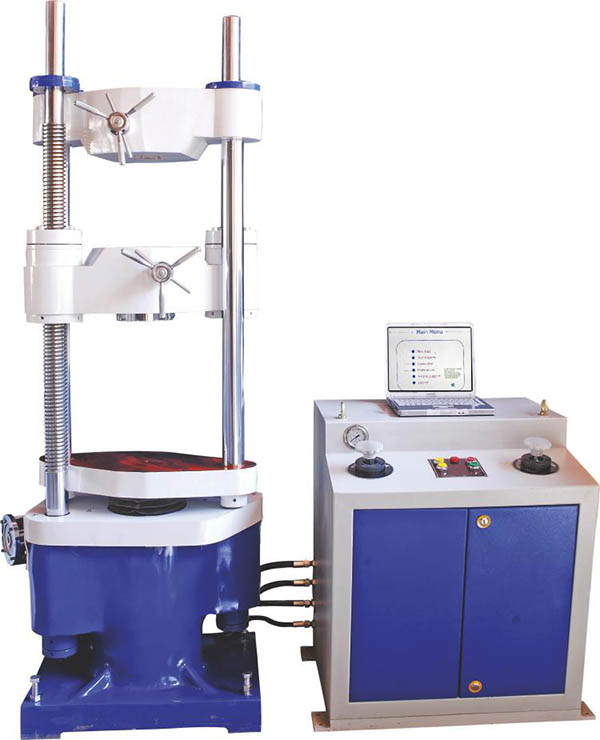
Hydraulic Computerized UTM
Price 100000.0 INR / Unit
Minimum Order Quantity : 1 Piece
Features : Realtime Graph Plotting, Data Storage, Overload Protection
Specimen Size : Round: Ø1060 mm; Flat: width up to 90 mm
Control Mode : Computerized/Servo Control
Max Height : Approx. 2200 mm

We are dealing in Coimbatore, Chennai and Tamilnadu.
 Send Inquiry
Our Products
- Concrete Testing Equipment
- Survey Lab Equipment
- Construction Equipment
- Concrete Testing Machine
- Soil Test Machine
- Survey Instrument
- Auto Level
- Cement Testing Machine
- Soil Testing Equipments
- Soil Testing Equipment
- Civil Engineering Lab Equipment
- Total Station
- Soil Test equipments
- Auto Level
- Concrete Highway Engineering lab
- Mechanical Engineering Lab Equipment
- Weighing Scale
- Laboratory Testing Equipment
- Workshop Trolleys
- Compression Testing Machine
- Water Testing Equipment
- Vertical Milling Machine
- Moulding Products
- CNC Machines
- Measuring Ruler
- Cylinder Carrier
- Core Cutting Machine
- Digital Measuring Machine
- Hydraulic Jack
- Drawing Instruments
- Fuel Testing Equipment
- Dynamics Lab Equipment
- Hydraulics and Fluid Mechanics Lab Equipment
- Heat Transfer Lab Equipment
- Scientific Equipment
- Surgical Equipment
- Hot Air Oven
- Impact Testing Machine
- Torsion Testers
- Bernoullis Theorem Apparatus
- Wooden Tripod
- Liquid Mercury
- Vibrating Table
- Material Testing Equipment
- Agriculture Equipment
- Waste Water Analysis

SF No. 189/1B1A, 191/3A1A1E, Sidco Private Industrial Estate, LIC Colony, Kurichi Pudhu Nagar, Kuruchi Housing,Coimbatore - 641021, Tamil Nadu, India

Mr Balamurugan C
(Manager)
Mobile :07313727211
 Send Inquiry
 Send SMS
Developed and Managed by Infocom Network Private Limited.
