
Call us now :07313727211
 Send Inquiry
 Send Inquiry
Ultrasonic Pulse Velocity Tester High Technology
Price 120000.0 INR/ Piece
MOQ : 1 Piece
Ultrasonic Pulse Velocity Tester High Technology Specification
- Resolution
- 0.1 s
- Number of Specimens
- Single or continuous measurement mode
- Test Range
- 0.1 9999.9 s
- Humidity
- 85% RH non-condensing
- Port Size
- Standard BNC connectors
- Frequency
- 50 kHz
- Specimen Size
- Minimum thickness: 50 mm
- Measuring Range
- 0.1 9999.9 s
- Interface Type
- USB and RS232 ports
- Application
- Non-destructive testing of concrete structures
- Response Time
- <2 seconds
- Features
- Data storage, Portable, Battery backup, Easy calibration
- Accuracy
- 0.1% of reading
- Temperature
- Operating: 0C to 50C
- Display Type
- Digital LCD (backlit)
- Equipment Type
- Ultrasonic Pulse Velocity Tester
- Automation Grade
- Automatic
- Operating Voltage
- 220V AC
- Gas Pressure
- Not Applicable (N/A)
- Power Supply
- 220V AC 10%, 50 Hz
- Mounting Type
- Portable handheld
- Usage
- Field and Laboratory Testing
- Capacity
- High throughput for core or concrete specimens
- Machine Weight
- 1.8 Kg
- Test Speed
- 1000-4500 m/s
- Test Width
- Up to 300 mm
- Test Stroke
- Automatic/Manual selectable
- Control Mode
- Microprocessor based automatic
- Compliance Standard
- IS 13311 (Part 1) / ASTM C597
- Data Memory
- Up to 200 test results
- Software Compatibility
- PC software for data analysis
- Calibration Facility
- Standard in-built reference bar
- Alarm Function
- Programmable upper/lower velocity limits
- Transducer Type
- Piezoelectric twin transducers (transmit & receive)
- Operating Modes
- Direct, Indirect & Semi-direct Methods
- Carrying Case
- Rugged hard ABS case included
- Velocity Measurement Units
- m/s and s
- Battery Backup
- Inbuilt rechargeable 7.2V battery, operation up to 8 hours
- Dimensions
- 235 x 125 x 95 mm
- Material Compatibility
- Concrete, rocks, ceramics, masonry
- Transducer Cable Length
- Standard 2 meters (customizable)
About Ultrasonic Pulse Velocity Tester High Technology
Specification:
- Measuring range: 0 - 3000 s - accuracy +/- 0,1 s
- Selection of the ultrasonic pulse amplitude adjustable from 250 to 1000 V
- Measurement of the required time by the ultrasonic pulse to go through the tested material.
- Single or continuous acquisition mode with automatic or manual saving.
- Zero calibration with depuration of the time for the pulse to go through the probes.
- Calibration of a defined time value.
- Capacity of data acquisition, processing and filing of the test data up to 30.000 samples.
- Interface mini USB for PC connection.
- Two outlets for connection to the oscilloscope.
- Languages: English, French, German, Spanish, Italian.
Advanced Measurement Technology
Utilizing high-frequency (50 kHz) piezoelectric twin transducers, the device ensures precise measurement of ultrasonic velocities in concrete and similar materials. Automatic and manual test modes facilitate flexible use in diverse testing scenarios, whether in the laboratory or onsite.
Comprehensive Data Handling and Connectivity
With a generous memory capacity for 200 tests and PC software compatibility, users can seamlessly analyze and archive data. Interface options include USB and RS232 ports, offering hassle-free connectivity for efficient data management and reporting.
Rugged Design for Professional Use
The tester's hard ABS carrying case and portable handheld design make it ideal for fieldwork. Its rechargeable battery supports extended operation up to eight hours, ensuring continuous testing without frequent power interruptions even in remote locations.
FAQ's of Ultrasonic Pulse Velocity Tester High Technology:
Q: How does the Ultrasonic Pulse Velocity Tester perform non-destructive testing on concrete structures?
A: This equipment emits ultrasonic pulses through piezoelectric twin transducers. By measuring the pulse velocity as it crosses through a specimen, users can identify material integrity, cracks, and homogeneity without damaging the structure.Q: What materials can be tested with this device and in which operating modes?
A: The tester is compatible with concrete, rocks, ceramics, and masonry. It can be operated using direct, indirect, or semi-direct measurement methods, depending on specimen accessibility and testing objectives.Q: When should I calibrate the tester for optimal results?
A: Calibration should be performed before initial use and regularly thereafter, especially prior to critical testing sessions. The built-in reference bar simplifies and standardizes the calibration process.Q: Where can the Ultrasonic Pulse Velocity Tester be used?
A: Its portable and rugged design makes it suitable for use in both field environments and laboratory settings, facilitating quick, reliable assessments onsite or for research applications.Q: What is the process for storing and analyzing test data?
A: Test results can be stored in the device's internal memory for up to 200 readings. These results can be transferred to a PC through USB or RS232 ports and analyzed with compatible software for further reporting and documentation needs.Q: How is the tester powered and what is its operational battery life?
A: It features a built-in rechargeable 7.2V battery with up to eight hours of continuous operation. For extended laboratory sessions, the tester can also operate using a standard 220V AC power supply.Q: What benefits does this tester offer for dealers, exporters, and manufacturers in India?
A: The device's compliance with IS 13311 (Part 1) and ASTM C597 standards, coupled with its portability, robust construction, and high measurement accuracy, makes it an attractive solution for professional testing needs, supporting high throughput and reliable quality assurance.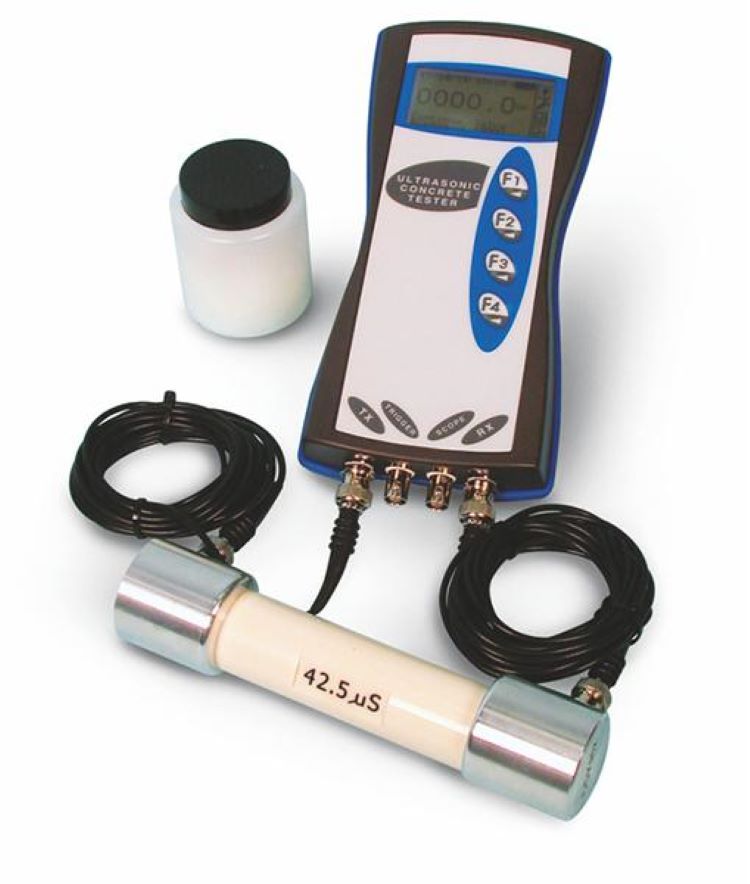
Tell us about your requirement

Price:
Quantity
Select Unit
- 50
- 100
- 200
- 250
- 500
- 1000+
Additional detail
Mobile number
Email

More Products in Digital Measuring Machine Category
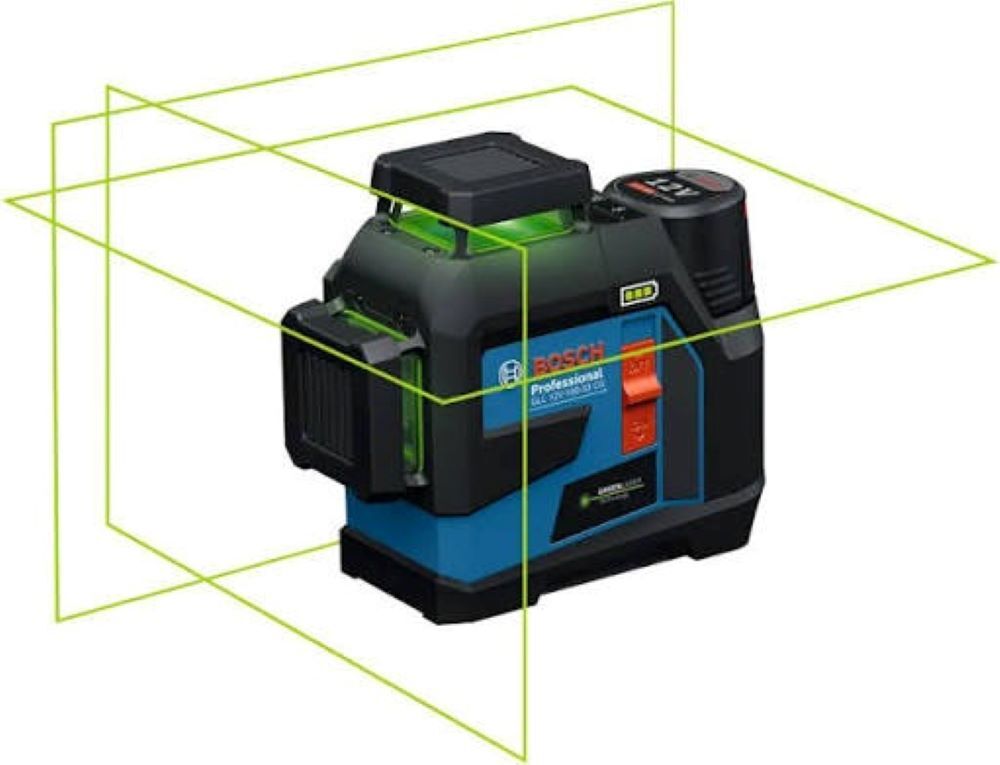
GLL 100-33 CG Professional Laser
Price 88000 INR / Number
Minimum Order Quantity : I Number
Usage : Surveying, Alignment, Leveling
Power Supply : 4 x 1.5 V LR6 (AA)
Control Mode : Manual
Humidity : Up to 85% (noncondensing)
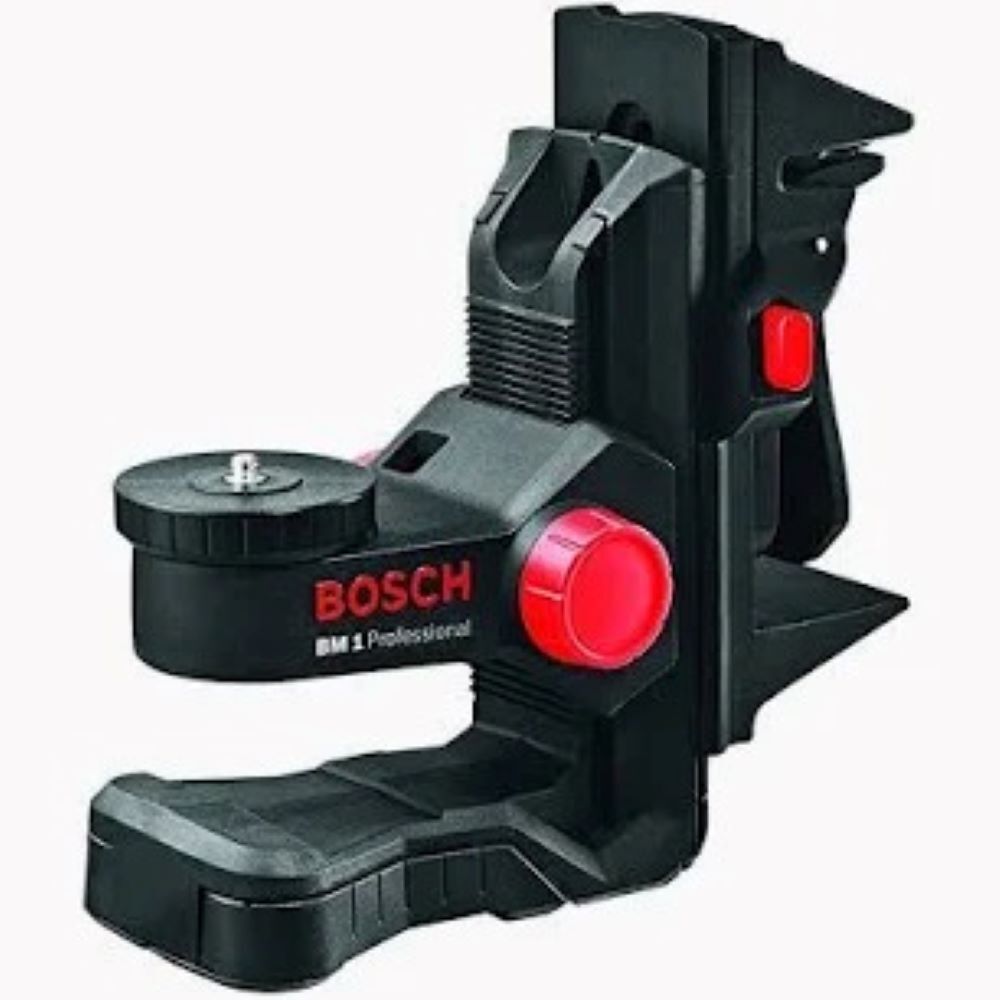
BM 1 Professional Laser
Price 5000 INR / Number
Minimum Order Quantity : 1 Number
Usage : Positioning Bosch professional lasers
Power Supply : N/A (mount/accessory)
Control Mode : Manual adjustment
Humidity : Suitable for indoor environments
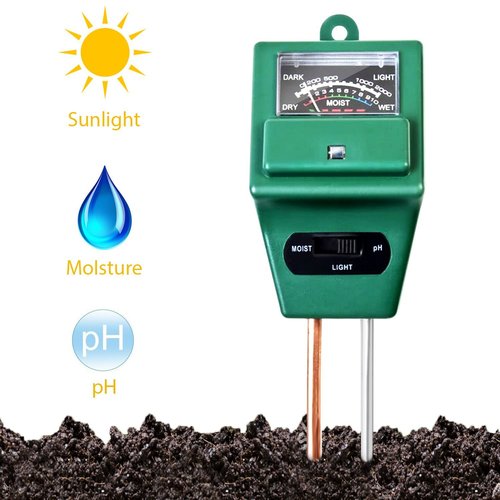
Soil Moisture Meter
Price 2000.0 INR / Piece
Minimum Order Quantity : 1 Piece
Usage : Laboratory
Power Supply : Electric

We are dealing in Coimbatore, Chennai and Tamilnadu.
 Send Inquiry
Our Products
- Concrete Testing Equipment
- Survey Lab Equipment
- Construction Equipment
- Concrete Testing Machine
- Soil Test Machine
- Survey Instrument
- Auto Level
- Cement Testing Machine
- Soil Testing Equipments
- Soil Testing Equipment
- Civil Engineering Lab Equipment
- Total Station
- Soil Test equipments
- Auto Level
- Concrete Highway Engineering lab
- Mechanical Engineering Lab Equipment
- Weighing Scale
- Laboratory Testing Equipment
- Workshop Trolleys
- Compression Testing Machine
- Water Testing Equipment
- Vertical Milling Machine
- Moulding Products
- CNC Machines
- Measuring Ruler
- Cylinder Carrier
- Core Cutting Machine
- Digital Measuring Machine
- Hydraulic Jack
- Drawing Instruments
- Fuel Testing Equipment
- Dynamics Lab Equipment
- Hydraulics and Fluid Mechanics Lab Equipment
- Heat Transfer Lab Equipment
- Scientific Equipment
- Surgical Equipment
- Hot Air Oven
- Impact Testing Machine
- Torsion Testers
- Bernoullis Theorem Apparatus
- Wooden Tripod
- Liquid Mercury
- Vibrating Table
- Material Testing Equipment
- Agriculture Equipment
- Waste Water Analysis

SF No. 189/1B1A, 191/3A1A1E, Sidco Private Industrial Estate, LIC Colony, Kurichi Pudhu Nagar, Kuruchi Housing,Coimbatore - 641021, Tamil Nadu, India

Mr Balamurugan C
(Manager)
Mobile :07313727211
 Send Inquiry
 Send SMS
Developed and Managed by Infocom Network Private Limited.
