
Call us now :07313727211
 Send Inquiry
 Send Inquiry
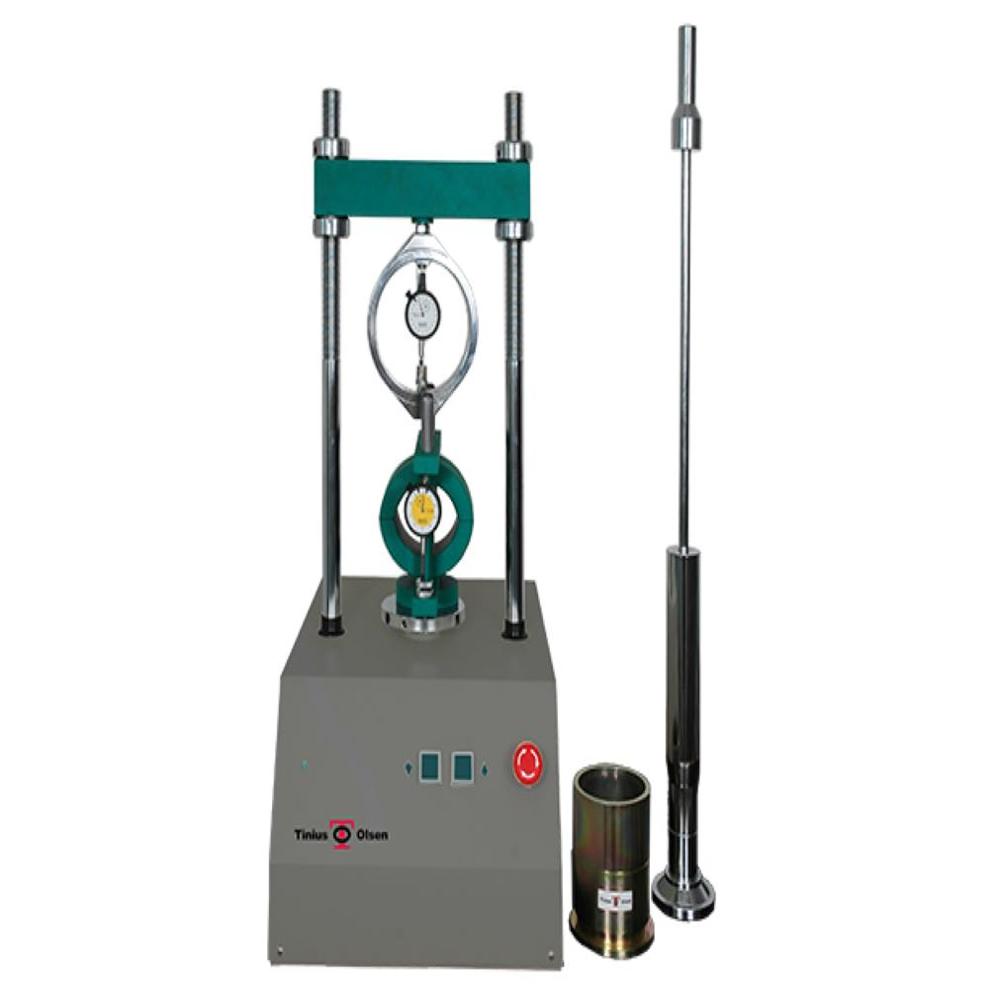
Marshall Stability Test Apparatus
Price 65000.0 INR/ Piece
MOQ : 1 Piece
Marshall Stability Test Apparatus Specification
- Mounting Type
- Tabletop
- Accuracy
- ±0.5% full scale
- Specimen Size
- Diameter 101.6 mm, Height 63.5 mm
- Max Height
- Approx. 650 mm
- Equipment Type
- Material Testing
- Resolution
- 0.01 kN
- Port Size
- Standard sample mounting port
- Measuring Range
- 0-50 kN
- Application
- Marshall stability and flow test for bituminous mixtures
- Test Range
- Up to 50 kN
- Operating Voltage
- 230 V AC
- Automation Grade
- Semi-automatic
- Number of Specimens
- Single or up to 3 with multiple holders
- Display Type
- Digital display
- Frequency
- 50 Hz
- Features
- Sturdy frame, digital indicator, automatic cutoff, flow mold
- Power Supply
- 230 V AC, 50 Hz
- Interface Type
- Digital readout
- Response Time
- Instantaneous (<1 second)
- Temperature
- Ambient; can be used with separate water bath for 60°C testing
- Humidity
- Ambient (No humidity control required)
- Usage
- Laboratory use, civil engineering
- Capacity
- 50 kN
- Machine Weight
- Approx. 100 kg
- Test Speed
- 50 mm/min
- Test Width
- Standard width as per ASTM/D6927
- Test Stroke
- 0-30 mm
- Control Mode
- Digital/Manual
- Load Measurement Type
- Electronic load cell
- Flow Measurement Method
- Displacement transducer with digital output
- Maintenance
- Low maintenance design
- Operating Environment
- Indoor laboratory conditions
- Calibration
- Supplied with calibration certificate
- Standards Compliance
- Complies with ASTM D6927, BS 598, IS 1208
- Specimen Mold Material
- High-grade steel
- Finish
- Powder-coated body
- Software Compatibility
- Optional PC interface available
- Safety
- Overload protection feature
- Packing
- Wooden box or carton
Marshall Stability Test Apparatus Trade Information
- Minimum Order Quantity
- 1 Piece
- FOB Port
- COIMBATORE
- Payment Terms
- Cash Advance (CA), Cash in Advance (CID)
- Supply Ability
- 1 Piece Per Day
- Delivery Time
- 1 Days
- Sample Available
- No
- Packaging Details
- COTTONBOX
- Main Export Market(s)
- Asia, Africa
- Main Domestic Market
- North India, East India, Gujarat, Karnataka, Kerala, Lakshadweep, Mizoram, Meghalaya, Manipur, Andhra Pradesh, Bihar, Chandigarh, Daman and Diu, Goa, Odisha, Nagaland, Rajasthan, Sikkim, Tamil Nadu, Jammu and Kashmir, Madhya Pradesh, Maharashtra, Telangana, Tripura, Pondicherry, Uttar Pradesh, Uttarakhand, West Bengal, All India, South India, Central India, West India, Jharkhand, Punjab, Assam, Delhi, Dadra and Nagar Haveli, Andaman and Nicobar Islands, Arunachal Pradesh, Chhattisgarh, Haryana, Himachal Pradesh
About Marshall Stability Test Apparatus
Specification:
Marshall Stability Test Apparatus is used by road constructors, contractors, engineers, testing laboratories and other industries to test the stability of bituminous samples.
Marshall Stability Test Apparatus consists of:
- Robust construction
- 50KN capacity
- Rate of travel 50.8mm/min
- Safety cut-off switch
It consists of body housing, a geared screw jack and motor drive mechanism suitable for operation on 230 V, 50Hz, Single Phase, A.C. supply.
ZI 4022-A : MARSHALL LOAD FRAME 1 No.
ZI 4022-B : Breaking Head Stability Mould, with a dial gauge ( having 25mm travel and 0.01mm least count), for flow measurement 1 No.
ZI 4022-C : Compaction Mould, Steel cylindrical 3 Nos.
ZI 4022-D : Base Plate 3 Nos.
ZI 4022-E : Extension Collar 3 Nos.
ZI 4022-F : Compaction Pedestal, Manual Operation, Comprising a steel plate capped on a wooden post. A Mould Clamp is fitted to the top of the plate . 1 No.
ZI 4022-G : Compaction Hammer, satisfies BS 598. The hammer has a 4535 g sliding weight with a free fall of 457 mm 2 Nos.
ZI 4022-H : Load Transfer Bar 1 No.
ZI 4022-I : Paper Discs, Non absorbent, 11 cm diameter pack of 100 No. 1 Pkt.
Advanced Electronic Measurement System
The apparatus uses an electronic load cell and digital displacement transducer, providing accurate and reliable measurement for both stability and flow values. Readings are displayed on a digital indicator, ensuring clear and precise data output for laboratory analysis.
Durable Construction & Safety
Fabricated from high-grade steel with a powder-coated finish, the Marshall Stability Test Apparatus is built for long service life. Overload protection safeguards both the equipment and the operator, while the sturdy frame supports safe, repeatable testing.
Versatile & Standards-Compliant
This device is tailored for laboratory use in civil engineering, suitable for single or multiple specimen testing. It meets major international standards (ASTM D6927, BS 598, IS 1208) and offers optional PC connectivity, making it a versatile and compliant choice for testing laboratories.
FAQ's of Marshall Stability Test Apparatus:
Q: How does the Marshall Stability Test Apparatus measure stability and flow?
A: The apparatus utilizes an electronic load cell for measuring stability (up to 50 kN) and a displacement transducer with digital output for flow measurement, ensuring instant and highly accurate results displayed digitally.Q: What specimen sizes are compatible with this apparatus?
A: It is designed for specimen molds with a diameter of 101.6 mm and a height of 63.5 mm, conforming to standard requirements specified in ASTM D6927.Q: When should the device be re-calibrated?
A: Calibration should be performed annually or according to your laboratory's quality assurance protocols. Each unit is supplied with a calibration certificate for traceability upon delivery.Q: Where is the ideal environment to operate the Marshall Stability Test Apparatus?
A: The machine is intended for use indoors under standard laboratory conditions. While ambient humidity and temperature are sufficient, a separate water bath can be used to maintain 60C as required for specific tests.Q: What is the process for conducting a Marshall stability and flow test using this equipment?
A: The test involves placing a pre-heated specimen in the mold holder, applying load at 50 mm/min using the digital/manual mode, and recording stability and flow values via the electronic sensors until automatic cutoff or manual stop.Q: What are the benefits of the apparatus's overload protection feature?
A: Overload protection prevents damage to both the machine and test specimens during operation, enhancing safety and extending the service life of the equipment.Q: How does the PC interface enhance usage and data management?
A: An optional PC interface allows for seamless data transfer and advanced result analysis, supporting efficient workflow and digital record-keeping in modern laboratory environments.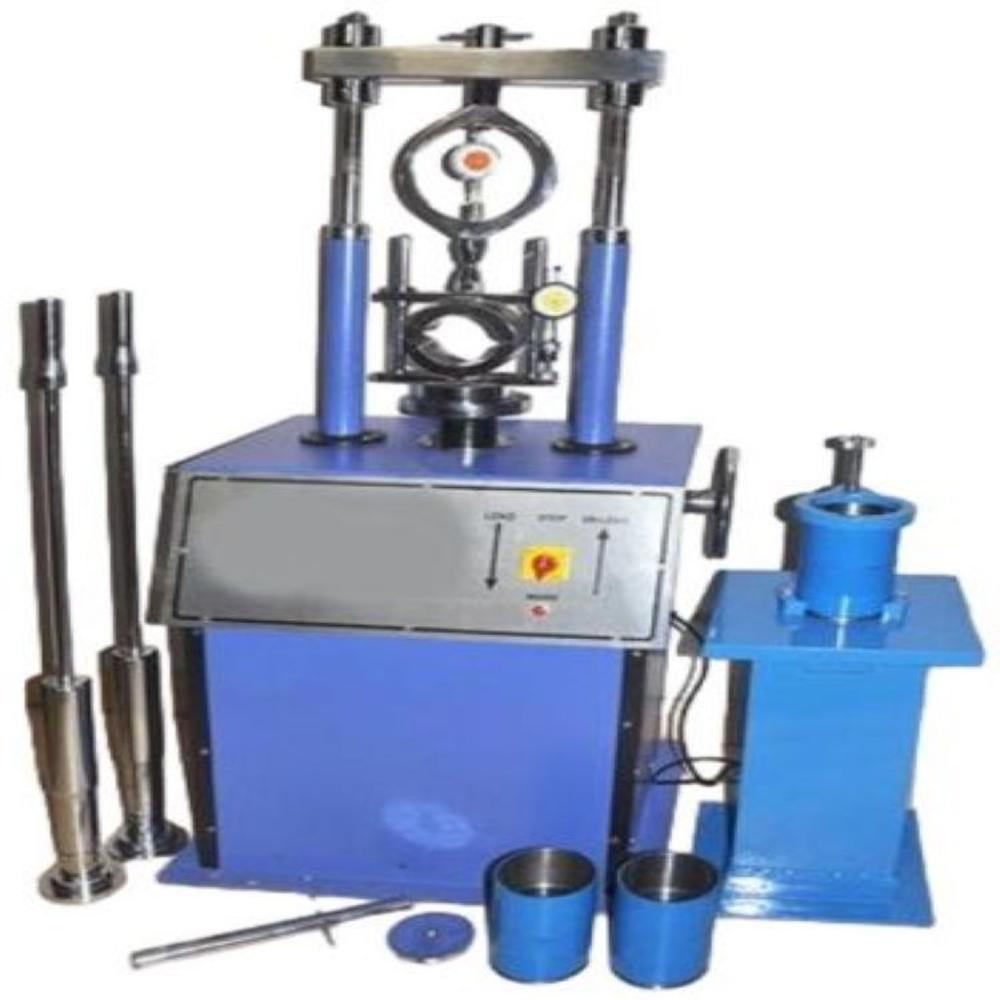
Tell us about your requirement

Price:
Quantity
Select Unit
- 50
- 100
- 200
- 250
- 500
- 1000+
Additional detail
Mobile number
Email

More Products in Laboratory Testing Equipment Category
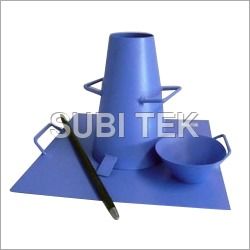
Slump Cone
Price 2200 INR / Piece
Minimum Order Quantity : 1 Piece
Material : Metal
Color : Blue
Usage : Laboratory
Power Supply : Manual
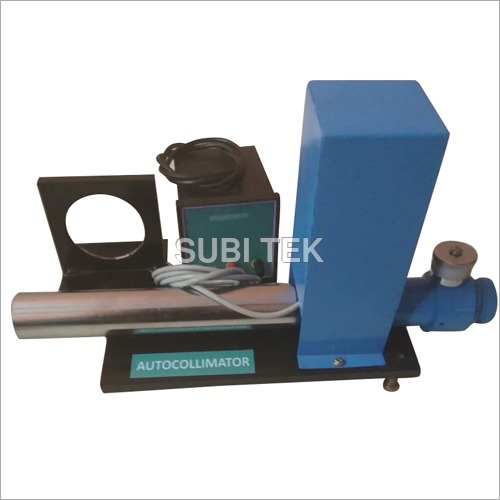
Autocollimator Equipment
Price 50000 INR
Minimum Order Quantity : 1 Piece
Material : Metal
Color : Blue
Usage : Laboratory
Power Supply : Electric
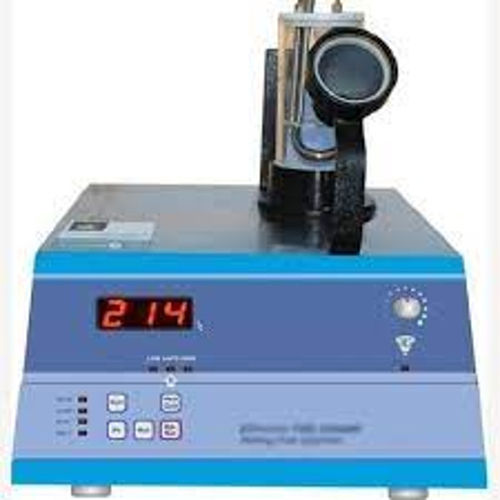
Bitumen Mixer
Price 15000 INR / Bundle
Minimum Order Quantity : 1 Piece
Material : Stainless Steel
Color : Blue
Usage : Industrial
Power Supply : Electric
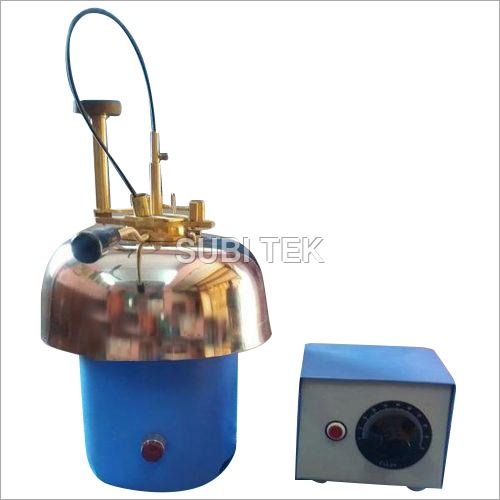
Pensky Marten Flash Point
Price 12500 INR
Minimum Order Quantity : 1 Piece
Material : Metal
Color : Blue
Usage : Laboratory

We are dealing in Coimbatore, Chennai and Tamilnadu.
 Send Inquiry
Our Products
- Concrete Testing Equipment
- Survey Lab Equipment
- Construction Equipment
- Concrete Testing Machine
- Soil Test Machine
- Survey Instrument
- Auto Level
- Cement Testing Machine
- Soil Testing Equipments
- Soil Testing Equipment
- Civil Engineering Lab Equipment
- Total Station
- Soil Test equipments
- Auto Level
- Concrete Highway Engineering lab
- Mechanical Engineering Lab Equipment
- Weighing Scale
- Laboratory Testing Equipment
- Workshop Trolleys
- Compression Testing Machine
- Water Testing Equipment
- Vertical Milling Machine
- Moulding Products
- CNC Machines
- Measuring Ruler
- Cylinder Carrier
- Core Cutting Machine
- Digital Measuring Machine
- Hydraulic Jack
- Drawing Instruments
- Fuel Testing Equipment
- Dynamics Lab Equipment
- Hydraulics and Fluid Mechanics Lab Equipment
- Heat Transfer Lab Equipment
- Scientific Equipment
- Surgical Equipment
- Hot Air Oven
- Impact Testing Machine
- Torsion Testers
- Bernoullis Theorem Apparatus
- Wooden Tripod
- Liquid Mercury
- Vibrating Table
- Material Testing Equipment
- Agriculture Equipment
- Waste Water Analysis

SF No. 189/1B1A, 191/3A1A1E, Sidco Private Industrial Estate, LIC Colony, Kurichi Pudhu Nagar, Kuruchi Housing,Coimbatore - 641021, Tamil Nadu, India

Mr Balamurugan C
(Manager)
Mobile :07313727211
 Send Inquiry
 Send SMS
Developed and Managed by Infocom Network Private Limited.
