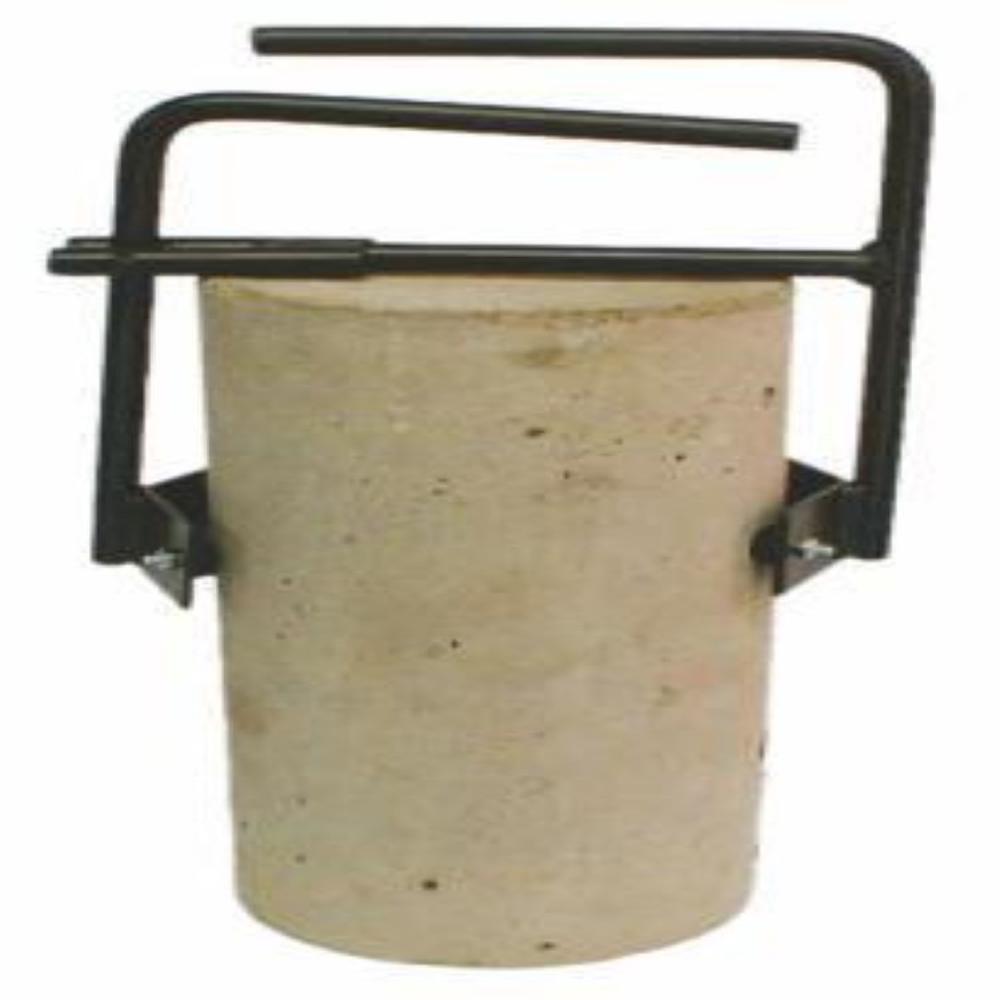
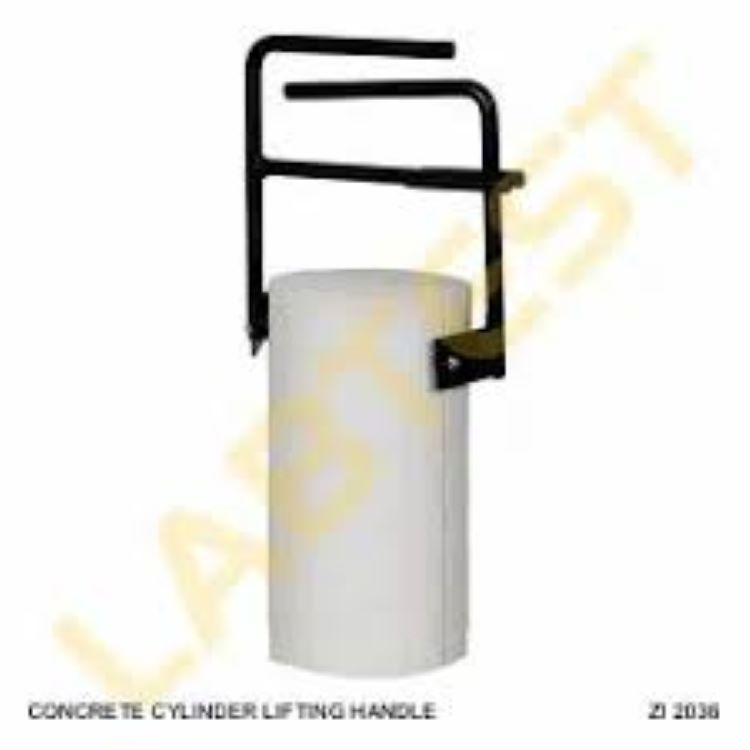
About Concrete Cylinder Lifting Handle
Specification:
Holds (8) - 100 x 200 mm test cylinders for easier field to lab transfer with less specimen damage. Large reinforced molded handles for easier carrying 100mm Test Cylinder Carrying Case
Zeal International also manufactures Cube Mould, Beam Mould, and cylinder carrier
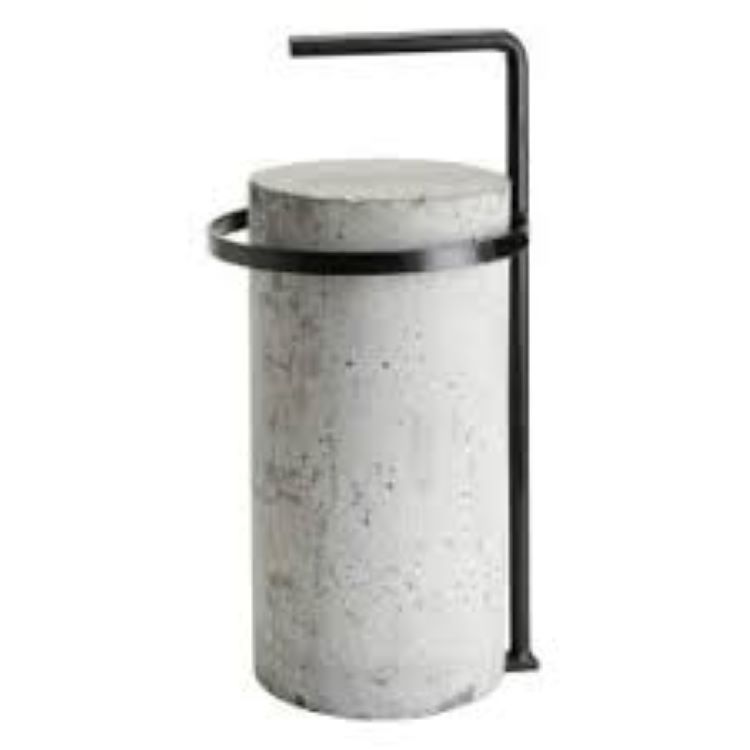
Concrete cylinder lifting handles are designed to safely and efficiently move concrete test cylinders, typically 4-inch and 6-inch diameter samples, from the field to the lab. These handles utilize a pincer-style mechanism that securely grips the cylinder, allowing for easy transport with minimal risk of damage to the specimens.
Key Features and Specifications:
-
Pincer-style gripping mechanism:
The handles use a hand-grip action that clamps onto the cylinder, providing a secure hold.
-
Size compatibility:
Designed to fit both 4-inch (102mm) and 6-inch (152mm) diameter concrete cylinders.
-
Material:
Often made of durable materials like steel or reinforced plastic, with molded handles for comfortable gripping.
-
Reinforced handles:
Some models feature reinforced handles to withstand the weight of the cylinders and provide a secure grip, especially when handling heavier concrete samples.
-
Ease of use:
The pincer action allows for quick and easy gripping and releasing of the cylinder.
Engineered for Durability and ComfortFeaturing a heavy-duty steel construction with a protective powder coating, this lifting handle provides exceptional resistance to corrosion, making it suitable for both indoor and outdoor use. The rubberized grip not only minimizes hand fatigue but also ensures secure handling during transport, even in wet laboratory environments.
Reliable Safety Mechanism and CompatibilityEquipped with a locking jaw or secure clamping system, the handle guarantees safe lifting of standard concrete cylinders. Designed to fit specimens up to 150 mm diameter and 300 mm height, it accommodates a wide range of concrete test cylinder sizes used in quality control and structural testing.
Low Maintenance, High PerformanceThis lifting handle requires minimal upkeep-simple cleaning after use is sufficient. With high-durability steel and robust design, it is tailored for extended, repeated application in varying conditions, sustaining its performance and safety features over years of consistent use.
FAQ's of Concrete Cylinder Lifting Handle:
Q: How do I safely use the Concrete Cylinder Lifting Handle?
A: To use the handle, secure the locking jaw or clamping system around the concrete cylinder, ensuring a firm grip. Hold the rubberized handle for better comfort and proceed to lift and transport the cylinder to your desired location. Always verify that the clamp is engaged before lifting.
Q: What are the benefits of using this lifting handle for concrete cylinders?
A: Benefits include enhanced user safety due to the locking mechanism, ergonomic design reducing hand strain, compatibility with standard cylinder sizes, and a corrosion-resistant finish for work in damp environments. The robust build ensures reliable, long-lasting use.
Q: When should I use this tool during concrete testing?
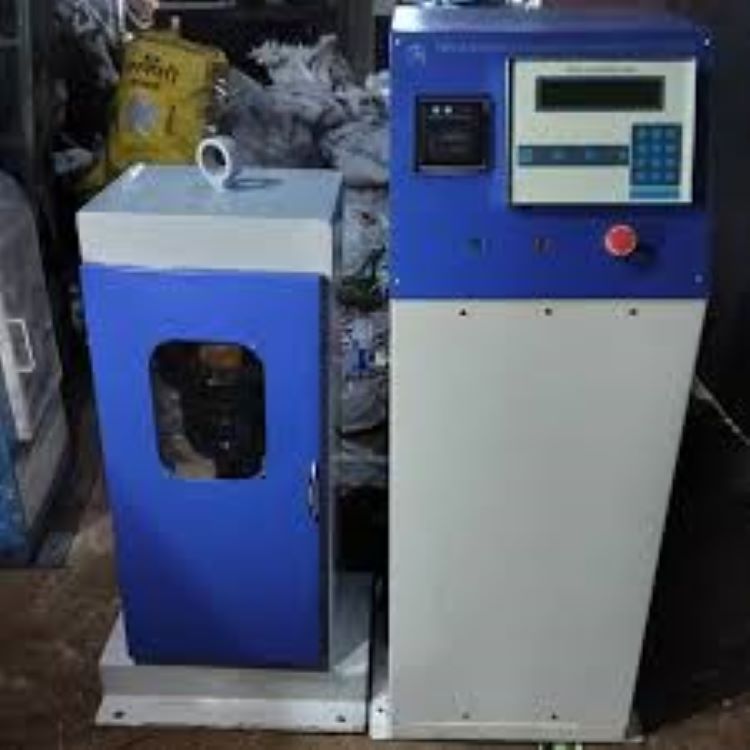
A: This tool should be used whenever a concrete test cylinder needs to be moved, whether for placing in curing tanks, transporting to compression testing machines, or relocating within a lab or on-site to ensure safety and minimize handling risks.
Q: Where is the Concrete Cylinder Lifting Handle typically used?
A: It is ideal for use in construction material testing labs, civil engineering field sites, and any setting where concrete specimens are routinely handled. Its durability and corrosion resistance make it suitable for both indoor and outdoor environments.
Q: What maintenance is required for the lifting handle?
A: The handle requires low maintenance. Simply clean it after each use to remove concrete residue or moisture, and inspect the locking or clamping mechanism periodically for smooth operation.
Q: Can the handle accommodate various cylinder sizes and what is its capacity?
A: Yes, it is designed to fit standard concrete cylinders, typically up to 150 mm in diameter and 300 mm in height, supporting specimen weights up to 50 kg. The adjustable jaw or clamp accommodates various cylinder sizes within these ranges.
Q: What makes this handle suitable for wet environments?
A: Its powder-coated heavy-duty steel construction provides strong corrosion resistance, allowing for use in laboratories and field conditions where exposure to moisture is common. The rubberized grip ensures handling remains secure, even when wet.








 Send Inquiry

 Send Inquiry