
Call us now :07313727211
 Send Inquiry
 Send Inquiry
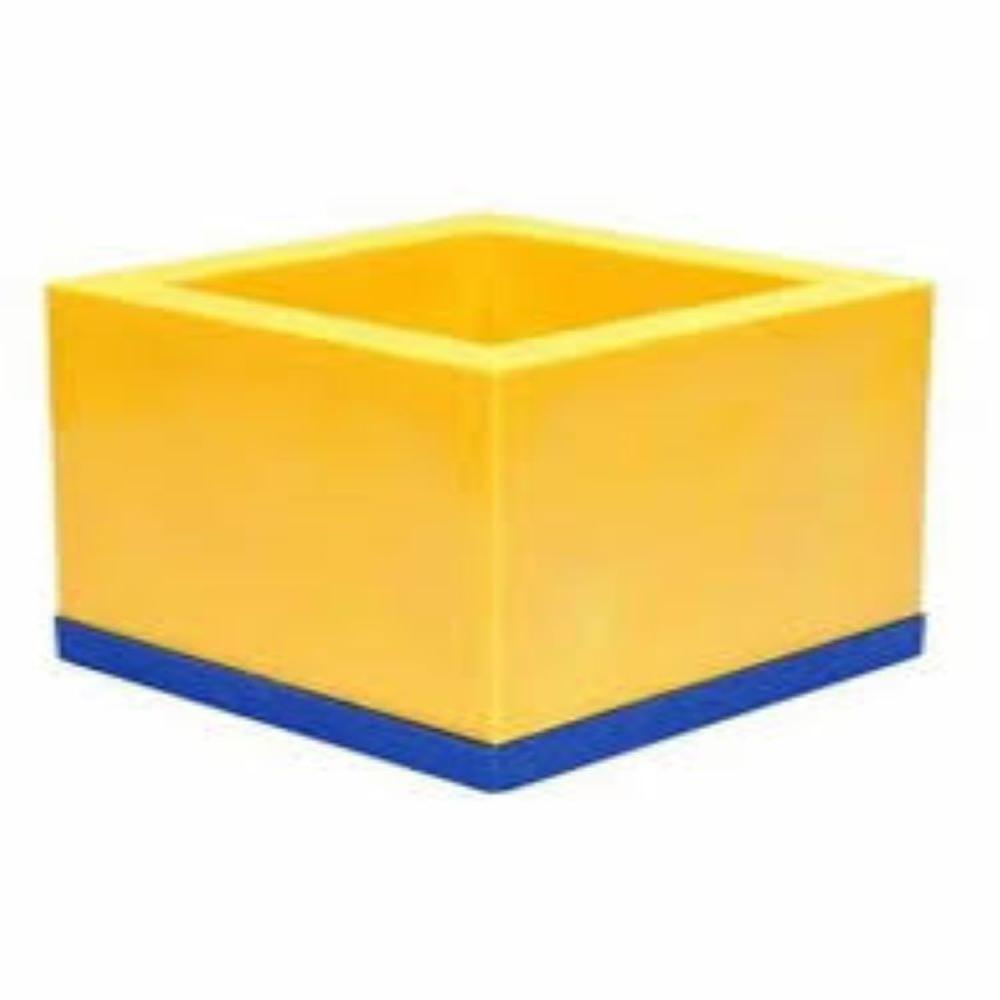
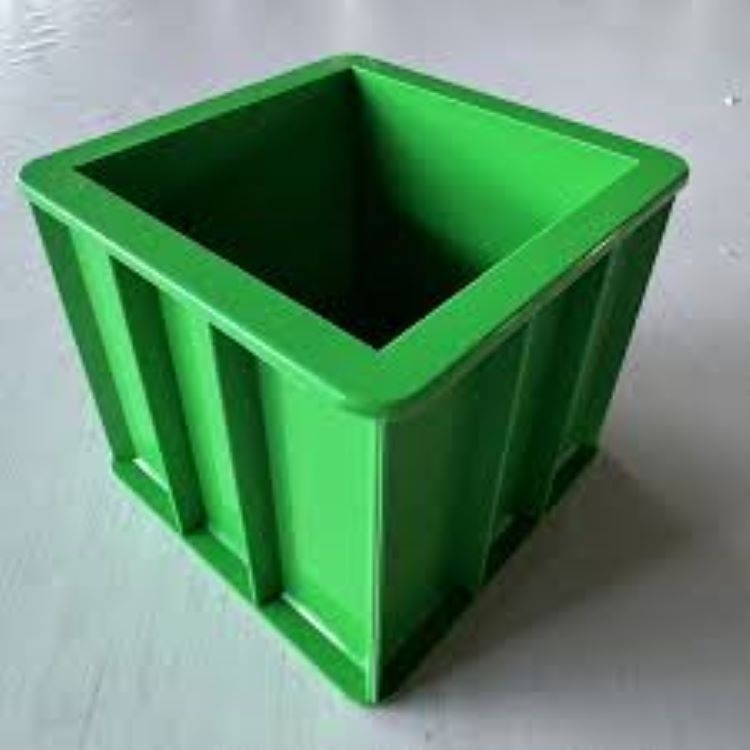
50mm Cube Mould, Plastic
Price 600.0 INR/ Piece
MOQ : 1 Piece
50mm Cube Mould, Plastic Specification
- Cavity
- Single (1)
- Mold Base
- Plastic
- Molding Material
- Polypropylene (PP)
- Life Span
- Reusable, suitable for repetitive testing
- Shaping Mode
- Injection Moulding
- Material
- High-impact Plastic
- Tolerance
- ±0.2 mm
- Mould Weight
- Approx. 250 g
- Mould Life
- Over 1000 cycles
- Water Absorption
- Resistant
- Surface Finish
- Smooth, non-adhesive
- Temperature Range
- 0°C to 60°C
- Color
- Blue (may vary by batch)
- Internal Size (Cube)
- 50 mm x 50 mm x 50 mm
- Use
- Cement, concrete, and mortar testing
- Compliance
- IS:10086, ASTM C109, EN 196-1 standards
- Demoulding Feature
- Easy split, self-aligning
- Markings
- Moulded volume details for identification
50mm Cube Mould, Plastic Trade Information
- Minimum Order Quantity
- 1 Piece
- FOB Port
- COIMBATORE
- Payment Terms
- Cash Advance (CA), Cash in Advance (CID)
- Average Load Time
- Approx. 1 minute
- Supply Ability
- 1 Piece Per Day
- Delivery Time
- 1 Days
- Sample Available
- No
- Packaging Details
- COTTON BOX
- Main Export Market(s)
- Asia, Africa
- Main Domestic Market
- South India, Central India, East India, Gujarat, Karnataka, Meghalaya, Manipur, Andhra Pradesh, Goa, Jharkhand, Odisha, Punjab, Bihar, Chandigarh, West India, North India, Nagaland, Rajasthan, West Bengal, All India, Kerala, Lakshadweep, Mizoram, Delhi, Dadra and Nagar Haveli, Himachal Pradesh, Jammu and Kashmir, Madhya Pradesh, Maharashtra, Daman and Diu, Assam, Andaman and Nicobar Islands, Arunachal Pradesh, Chhattisgarh, Haryana, Sikkim, Tamil Nadu, Telangana, Tripura, Pondicherry, Uttar Pradesh, Uttarakhand
About 50mm Cube Mould, Plastic
Specification:
This high-density polyethylene three-gang plastic mould for 50 mm cubes strips and reassembles easily. Set comes complete with tamper and mould top. 3 gang plastic cube mould offers substantial cost savings in comparison with traditional cast iron cube moulds.
Standards: Specification: This high-density polyethylene three-gang plastic mould for 50 mm cubes strips and reassembles easily. Set comes complete with tamper and mould top. 3 gang plastic cube mould offers substantial cost savings in comparison with traditional cast iron cube moulds.
Precision Engineering for Laboratory Reliability
Crafted to deliver accuracy, this cube mould offers tight tolerances of 0.2 mm, critical for consistent test replication. Its smooth, non-adhesive surface finish guarantees effortless cube removal with no damage, preserving test specimen integrity during cement, mortar, and concrete evaluations.
Robust Construction and Long-Term Use
Made from high-impact polypropylene through injection moulding, this mould provides exceptional durability. Water-resistant and capable of enduring rigorous temperature swings, it is ideal for laboratories and construction sites that demand repeated, reliable sample preparation and measurement.
FAQ's of 50mm Cube Mould, Plastic:
Q: How is the 50mm Cube Mould used for material testing?
A: This mould is filled with cement, concrete, or mortar mixtures, compacted to remove air voids, and then cured as per test protocols. After setting, the specimen is demoulded for rigorous compressive or strength testing, ensuring accurate and standard-compliant evaluations.Q: What makes the mould easy to demould after sample curing?
A: The easy split, self-aligning design combined with a smooth, non-adhesive surface finish allows for straightforward demoulding. This minimizes specimen damage and speeds up laboratory workflow, as the cube comes out cleanly with minimal effort.Q: When should I replace the 50mm Cube Mould?
A: Though designed for over 1000 testing cycles, replace the mould if you notice significant wear, deformation, or damage that may affect sample shape, dimension accuracy, or test results. Routine inspection is advised for optimal performance.Q: Where can this cube mould be used effectively?
A: The mould is suitable for use in construction laboratories, quality control units at building sites, research institutions, and industrial plants that routinely conduct cement, mortar, or concrete testing.Q: What standards does this mould comply with?
A: It meets IS:10086, ASTM C109, and EN 196-1 specifications, ensuring that test results are both accurate and globally recognized in cementitious material testing applications.Q: How does the polypropylene construction benefit users?
A: Polypropylene is lightweight yet highly durable, making the mould easy to handle and resistant to cracking, absorption, and temperature swings. This translates to less maintenance, longer service life, and lower replacement costs.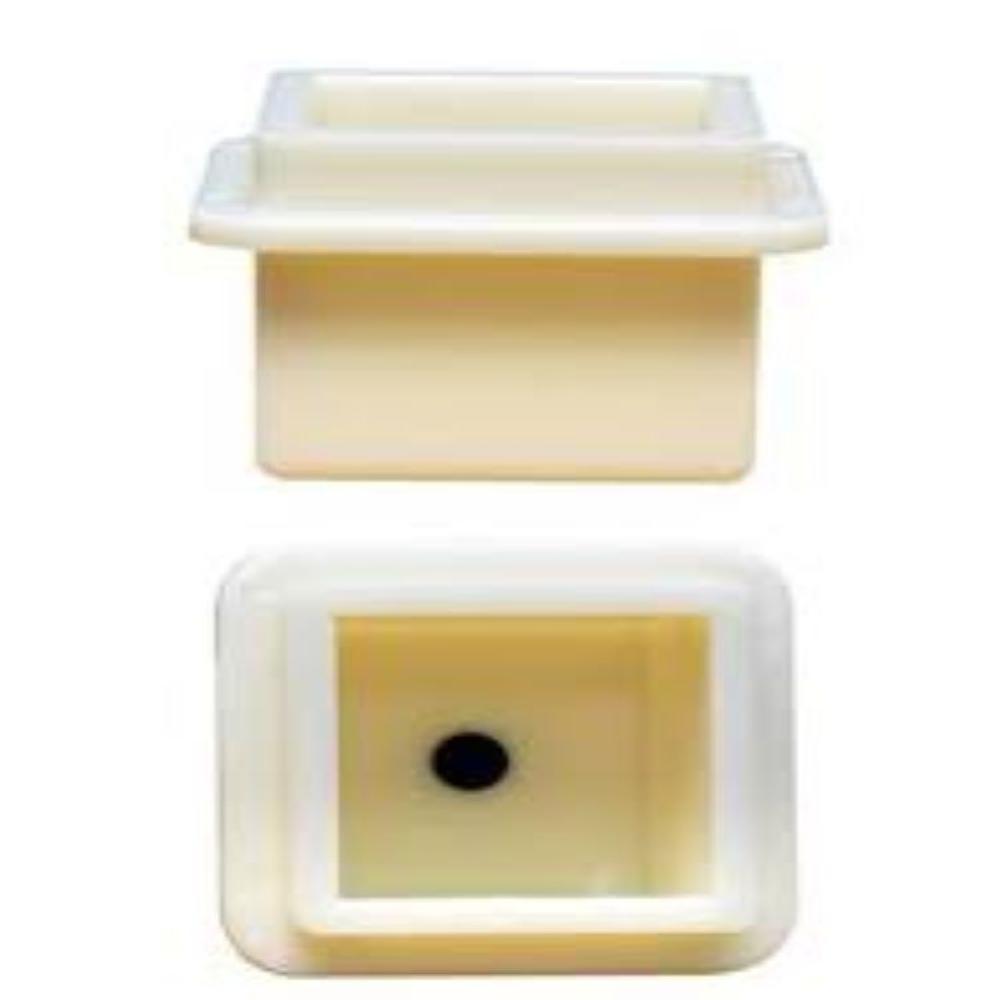
Tell us about your requirement

Price:
Quantity
Select Unit
- 50
- 100
- 200
- 250
- 500
- 1000+
Additional detail
Mobile number
Email

More Products in Moulding Products Category
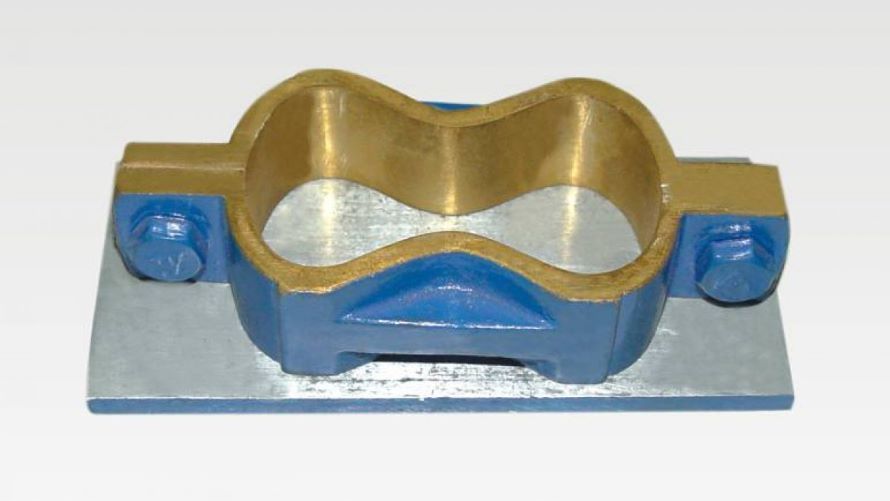
Briquette Mould (Single)
Price 3000.0 INR / Piece
Minimum Order Quantity : 1 Piece
Life Span : 57 years under normal working conditions
Material : Other, High Grade Steel
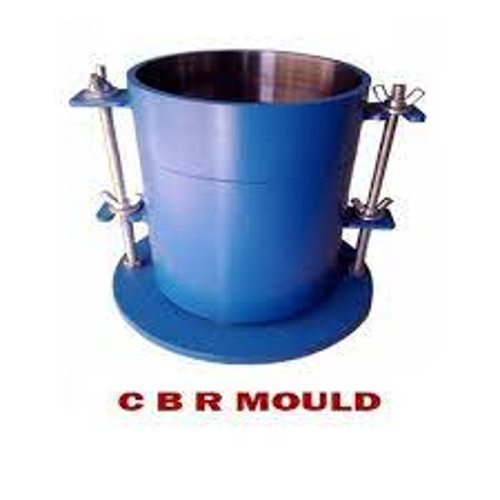
CBR Mould
Price 1500 INR / Bale
Minimum Order Quantity : 1 Billions Of Unit
Life Span : 57 years
Material : Other, Mild Steel
LE Chatelier Mould
Price 500 INR / Piece
Minimum Order Quantity : 1 Piece
Life Span : Longlife Span
Material : Steel
Size : Standard
Color : Blue
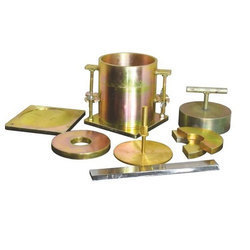
California Bearing Ratio Apparatus (BS Version Mould)
Price 15000 INR / Piece
Minimum Order Quantity : 1 Piece
Life Span : Longlife Span
Material : Other, Brass
Size : Standard
Color : Golden

We are dealing in Coimbatore, Chennai and Tamilnadu.
 Send Inquiry
Our Products
- Concrete Testing Equipment
- Survey Lab Equipment
- Construction Equipment
- Concrete Testing Machine
- Soil Test Machine
- Survey Instrument
- Auto Level
- Cement Testing Machine
- Soil Testing Equipments
- Soil Testing Equipment
- Civil Engineering Lab Equipment
- Total Station
- Soil Test equipments
- Auto Level
- Concrete Highway Engineering lab
- Mechanical Engineering Lab Equipment
- Weighing Scale
- Laboratory Testing Equipment
- Workshop Trolleys
- Compression Testing Machine
- Water Testing Equipment
- Vertical Milling Machine
- Moulding Products
- CNC Machines
- Measuring Ruler
- Cylinder Carrier
- Core Cutting Machine
- Digital Measuring Machine
- Hydraulic Jack
- Drawing Instruments
- Fuel Testing Equipment
- Dynamics Lab Equipment
- Hydraulics and Fluid Mechanics Lab Equipment
- Heat Transfer Lab Equipment
- Scientific Equipment
- Surgical Equipment
- Hot Air Oven
- Impact Testing Machine
- Torsion Testers
- Bernoullis Theorem Apparatus
- Wooden Tripod
- Liquid Mercury
- Vibrating Table
- Material Testing Equipment
- Agriculture Equipment
- Waste Water Analysis

SF No. 189/1B1A, 191/3A1A1E, Sidco Private Industrial Estate, LIC Colony, Kurichi Pudhu Nagar, Kuruchi Housing,Coimbatore - 641021, Tamil Nadu, India

Mr Balamurugan C
(Manager)
Mobile :07313727211
 Send Inquiry
 Send SMS
Developed and Managed by Infocom Network Private Limited.
