
Call us now :07313727211
 Send Inquiry
 Send Inquiry
Testing Anvil for Mechanical & Electronic Hammer
Price 41000 INR/ Piece
MOQ : 1 Piece
Testing Anvil for Mechanical & Electronic Hammer Specification
- Operate Method
- Manual
- Material
- Mild Steel
- Power Supply
- Manual
- Color
- Grey
- Usage
- laboratory
Testing Anvil for Mechanical & Electronic Hammer Trade Information
- Minimum Order Quantity
- 1 Piece
- FOB Port
- Chennai
- Payment Terms
- Cash Advance (CA), Cash in Advance (CID)
- Supply Ability
- 1 Piece Per Day
- Delivery Time
- 2 Week
- Main Export Market(s)
- Asia
- Main Domestic Market
- All India
Testing Anvil for Mechanical & Electronic Hammer About
Other Details:
- Accessory for calibration check in situ the mechanical and electronic hammer
- Test anvil is the excellent instrument for assessing test hammer.
- The test anvil, as a calibration instrument, after each 5000 or 8000 test, the test surface can be polished
- Then continue using, but the rigidity of core must be HRC58-62, or abolish it.
Additional Information:
- Item Code: ZI-2070
Versatile Testing Solution
This manual testing anvil is tailored for both mechanical and electronic hammers, making it a versatile tool across different testing requirements. Its compatibility and robust construction meet varied needs in laboratories and production environments across India.
Durable Mild Steel Construction
Fabricated from high-grade mild steel, the anvil ensures longevity under rigorous testing conditions. The grey finish not only adds to its aesthetic appeal but also provides corrosion resistance, extending the anvils lifespan even in demanding laboratory settings.
FAQs of Testing Anvil for Mechanical & Electronic Hammer:
Q: How is the Testing Anvil operated?
A: The Testing Anvil operates manually, requiring the operator to position and strike using mechanical or electronic hammers to deliver accurate testing results. No external power supply is needed for operation.Q: What materials is the Testing Anvil made from?
A: The anvil is made from durable mild steel, offering strength and resilience during repeated testing procedures. The grey color finish provides a professional look and added protection.Q: When should the Testing Anvil be used?
A: It should be used whenever accurate measurement of impact, material strength, or durability is required in laboratory or quality control environments, and particularly when manual operation is preferred or necessary.Q: Where can I use this anvil in my business?
A: The anvil is suitable for use in laboratories and is ideal for dealers, distributors, exporters, fabricators, manufacturers, producers, retailers, suppliers, traders, and wholesalers who conduct or oversee material testing in India.Q: What is the process for using the Testing Anvil?
A: To use the anvil, securely position it on a stable surface, place the specimen on the anvil, and employ either a mechanical or electronic hammer to perform the required test. Manual operation ensures control over the test procedure.Q: What are the main benefits of using this Testing Anvil?
A: Key benefits include its compatibility with mechanical and electronic hammers, robust mild steel construction, manual operation (no power required), and wide applicability across multiple industries in India, making it both reliable and cost-effective.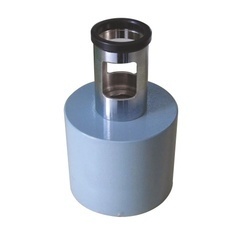
Tell us about your requirement

Price:
Quantity
Select Unit
- 50
- 100
- 200
- 250
- 500
- 1000+
Additional detail
Mobile number
Email

More Products in Concrete Testing Equipment Category
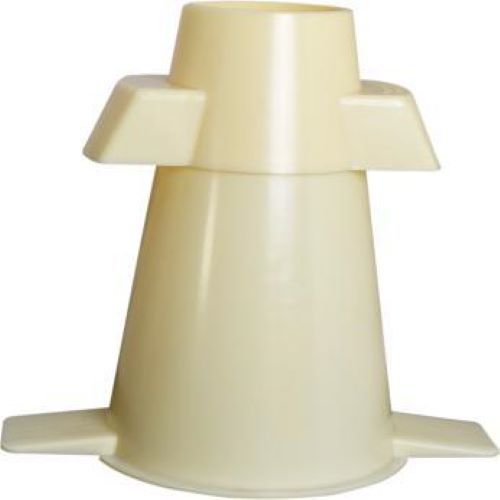
Slump Cone Plastic
Price 1900.0 INR / Piece
Minimum Order Quantity : 1 Piece
Power Supply : Not Required (Manual Operation)
Usage : Slump Test for Concrete
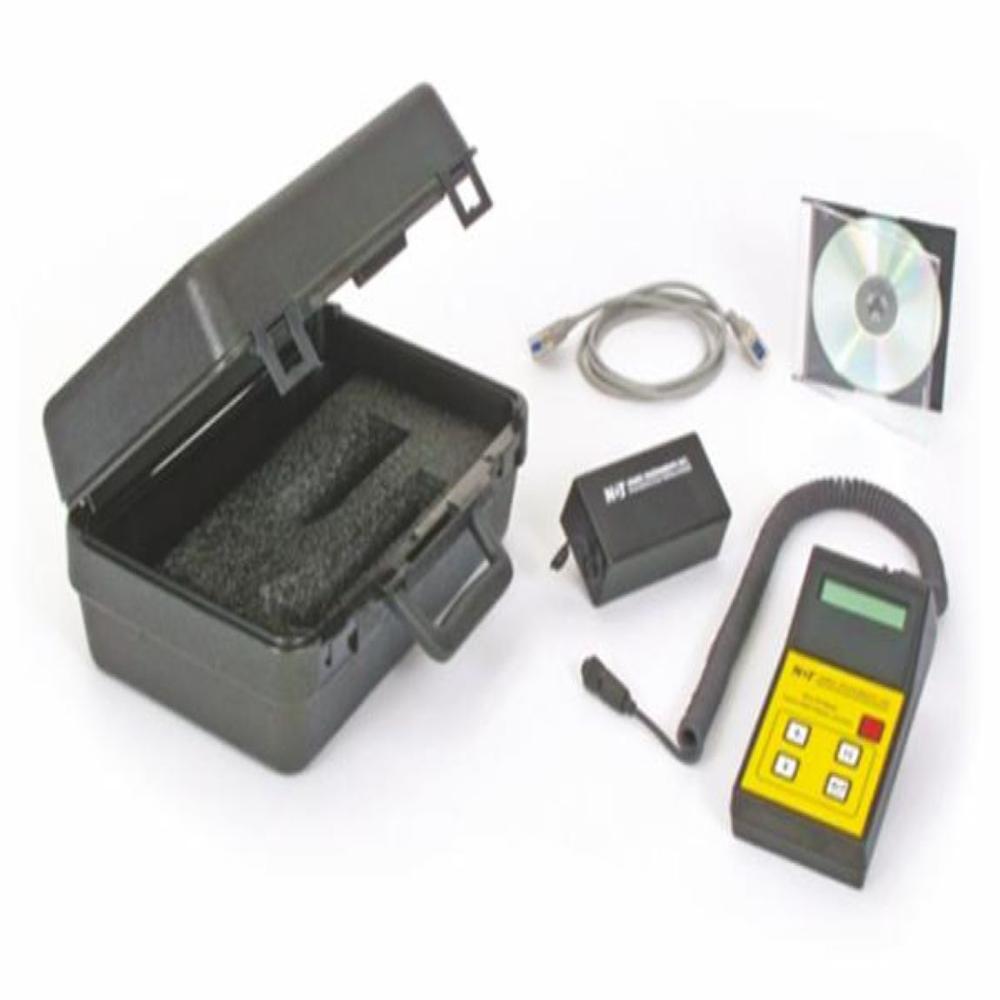
Mini Rebar Locator
Price 40000.0 INR / Piece
Minimum Order Quantity : 1 Piece
Power Supply : 9V Battery
Usage : Rebar detection and measurement
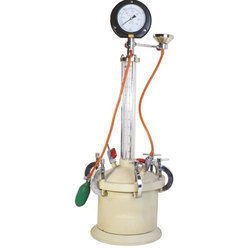
Air Entrainment Meter
Price 22000 INR / Piece
Minimum Order Quantity : 1 Piece
Power Supply : Electric
Usage : Laboratory
Material : Mild Steel
Color : White
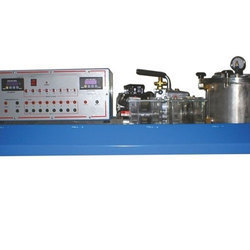
Rapid Chloride Permeability Tester
Price 95000 INR / Piece
Minimum Order Quantity : 1 Piece
Power Supply : Electric
Usage : Laboratory
Material : Mild Steel
Color : Silver

We are dealing in Coimbatore, Chennai and Tamilnadu.
 Send Inquiry
Our Products
- Concrete Testing Equipment
- Survey Lab Equipment
- Construction Equipment
- Concrete Testing Machine
- Soil Test Machine
- Survey Instrument
- Auto Level
- Cement Testing Machine
- Soil Testing Equipments
- Soil Testing Equipment
- Civil Engineering Lab Equipment
- Total Station
- Soil Test equipments
- Auto Level
- Concrete Highway Engineering lab
- Mechanical Engineering Lab Equipment
- Weighing Scale
- Laboratory Testing Equipment
- Workshop Trolleys
- Compression Testing Machine
- Water Testing Equipment
- Vertical Milling Machine
- Moulding Products
- CNC Machines
- Measuring Ruler
- Cylinder Carrier
- Core Cutting Machine
- Digital Measuring Machine
- Hydraulic Jack
- Drawing Instruments
- Fuel Testing Equipment
- Dynamics Lab Equipment
- Hydraulics and Fluid Mechanics Lab Equipment
- Heat Transfer Lab Equipment
- Scientific Equipment
- Surgical Equipment
- Hot Air Oven
- Impact Testing Machine
- Torsion Testers
- Bernoullis Theorem Apparatus
- Wooden Tripod
- Liquid Mercury
- Vibrating Table
- Material Testing Equipment
- Agriculture Equipment
- Waste Water Analysis

SF No. 189/1B1A, 191/3A1A1E, Sidco Private Industrial Estate, LIC Colony, Kurichi Pudhu Nagar, Kuruchi Housing,Coimbatore - 641021, Tamil Nadu, India

Mr Balamurugan C
(Manager)
Mobile :07313727211
 Send Inquiry
 Send SMS
Developed and Managed by Infocom Network Private Limited.
