
Call us now :07313727211
 Send Inquiry
 Send Inquiry
hand refractometer
Price 3000 INR/ Number
MOQ : 1 Number
hand refractometer Specification
- Accuracy
- 0.2% Brix (Typical)
- Speed Range
- Immediate Reading
- Display Type
- Analog Scale (Through Eyepiece)
- Features
- Portable, Easy to use, No power needed, Durable, ATC (Automatic Temperature Compensation) in some models
- Shape
- Cylindrical
- Control Type
- Manual Adjustment
- Glass Type
- Optical Glass Prism
- Power Supply
- Not Required (Manual Operation)
- Temperature Resistance
- Compensated for typical lab/field temperatures
- Type
- Hand Refractometer
- Dimension (L*W*H)
- Approx. 170mm x 40mm x 40mm
- Equipment Type
- Laboratory Testing Instrument
- Equipment Materials
- Aluminum Alloy, Rubber Grip, Optical Glass
- Power
- Manual (No Power Required)
- Material
- Aluminum and Optical Glass
- Application
- Measurement of liquid sample refractive index, Brix (sugar content), or concentration
- Usage Environment
- Field and Laboratory
- Body Color
- Black and Silver
- Scale Type
- Direct Reading Scale
- Eyepiece Adjustment
- Adjustable focus
- Measurement Range
- 0-32% Brix (typical), varies by model
- Sample Volume Required
- 2-3 drops
- Calibration
- Yes, using distilled water or calibration solution
- Cleaning Instructions
- Clean prism after each use with soft cloth
- Protective Case
- Usually Supplied
hand refractometer About
Product Details:
| Minimum Order Quantity | 1 Piece |
| Model Name/Number | 9025 |
| Usage/Application | Laboratory |
| Measurement BRIX | 0-40% |
| ATC | Yes |
| Accuracy | +-1 |
| Country of Origin | Made in India |
| Brand | TEI |
| Type | Handheld |
| Measured scale | Brix |
| Brix range | 0 50 % |
Portable and Durable Design
Engineered with a robust aluminum alloy body and rubber grip, this hand refractometer is both lightweight and sturdy. Its compact and cylindrical shape (170mm x 40mm x 40mm) makes it effortless to transport, while the supplied protective case ensures safe handling and storage. Whether in the laboratory or field, its build quality withstands daily use and rough environments.
Immediate and Accurate Brix Measurement
Equipped with an optical glass prism and direct analog scale viewed through an adjustable eyepiece, this refractometer delivers fast results with a high degree of accuracy-up to 0.2% Brix. Users can easily calibrate the device with distilled water or calibration solutions. The process requires only a tiny sample, making measurement swift and convenient.
Effortless Operation Without Power
This manual hand refractometer requires no batteries or external power source, eliminating operational constraints in remote settings. Designed for simplicity and ease, it features manual focus adjustment and a straightforward cleaning process, allowing users to maintain optimal precision with minimal effort. Some models offer Automatic Temperature Compensation (ATC), further ensuring accuracy across varying temperatures.
FAQ's of hand refractometer:
Q: How do I correctly use the hand refractometer to measure Brix levels in a liquid?
A: To measure Brix, place 2-3 drops of your liquid sample onto the cleaned prism, close the daylight plate, and look through the eyepiece. Adjust the eyepiece for a clear view and read the value on the direct analog scale. For best results, ensure the prism is clean and calibrate the instrument if necessary.Q: What is the recommended process for calibrating this hand refractometer?
A: Calibrate the refractometer by placing a drop of distilled water or a calibration solution onto the prism. Adjust the calibration screw until the scale reads zero or matches the solution concentration. Regular calibration ensures measurement accuracy, especially when used in different environments.Q: When should the prism be cleaned, and what are the proper cleaning steps?
A: The prism should be cleaned immediately after each use. Gently wipe the prism surface with a soft, lint-free cloth to prevent residue buildup and scratches. Avoid harsh chemicals; distilled water or a mild cleaning solution is sufficient for routine maintenance.Q: Where can the hand refractometer be used effectively?
A: This instrument is suitable for laboratory and field environments. Its durable construction and manual operation make it ideal for use in agriculture, food processing, beverage production, research facilities, and on-site quality control where electrical power may not be available.Q: What are the main benefits of using a hand refractometer with ATC (Automatic Temperature Compensation)?
A: Models equipped with ATC automatically correct for temperature variations during measurement, ensuring reliable and precise Brix results regardless of weather or ambient conditions. This feature is especially valuable when testing in fluctuating environments or outdoors.Q: How much sample volume is needed for each test, and how fast are the results?
A: Each measurement requires only 2-3 drops of the liquid sample. Readings are available immediately after applying the sample and viewing through the eyepiece, ensuring fast and efficient operation during multiple tests.Q: What materials are used in the construction of the hand refractometer, and how do they contribute to its performance?
A: The refractometer is made from aluminum alloy, a rubber grip, and an optical glass prism. These materials provide a balance of durability, light weight, non-slip handling, and optical precision, contributing to the instrument's accuracy and longevity.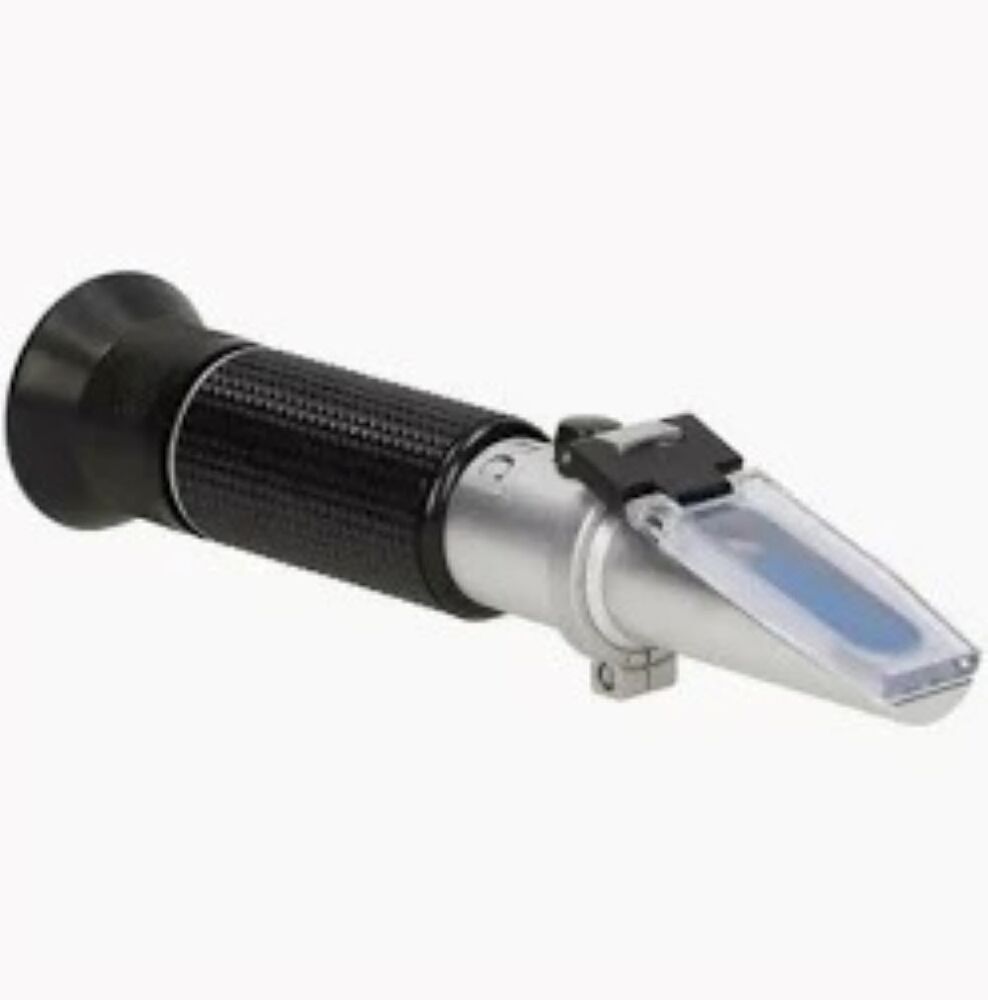
Tell us about your requirement

Price:
Quantity
Select Unit
- 50
- 100
- 200
- 250
- 500
- 1000+
Additional detail
Mobile number
Email

More Products in Scientific Equipment Category
Probe Conicator
Price 85000 INR / Number
Minimum Order Quantity : 1 Number
Temperature Resistance : 20C to 150C
Application : Laboratory, Soil Analysis, Research
Equipment Materials : Stainless Steel, Glass Window
Type : Other, Probe Conicator
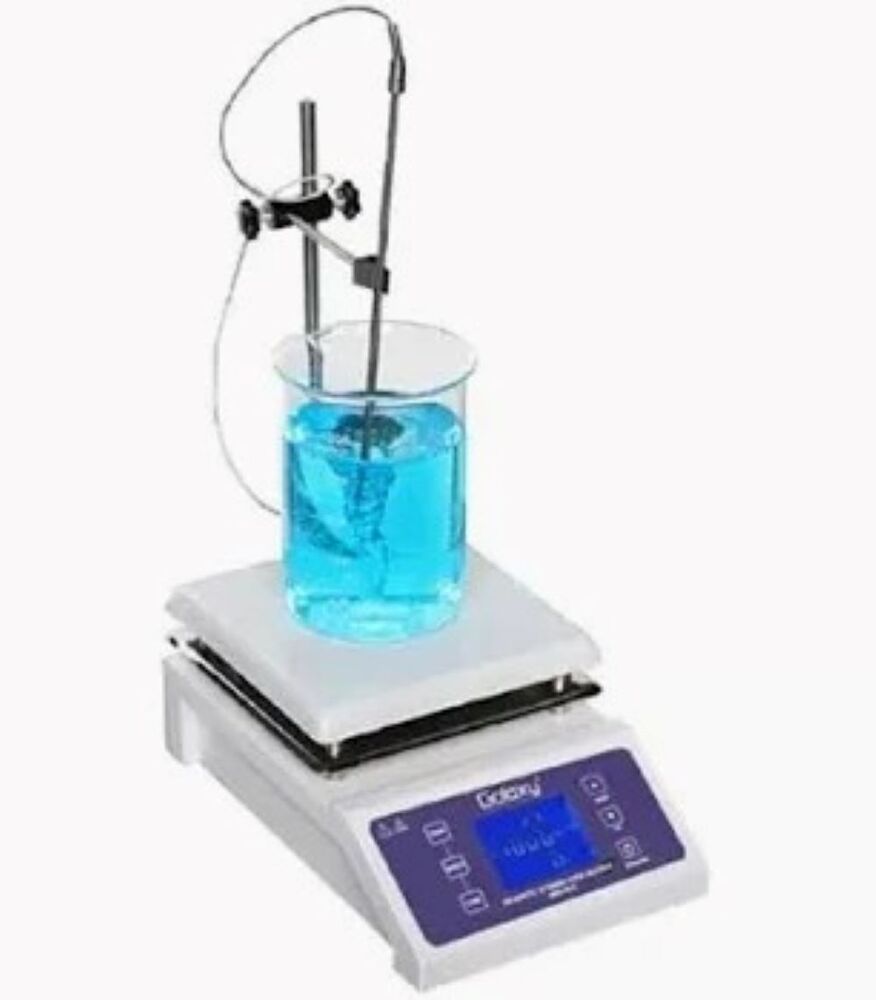
ceramic hotplate magnetic stirrer
Price 24000 INR / Number
Minimum Order Quantity : 1 Number
Temperature Resistance : Up to 340C
Application : Stirring and heating laboratory solutions
Equipment Materials : Chemicalresistant ceramic top, robust plastic body
Type : Other, Ceramic Hotplate Magnetic Stirrer
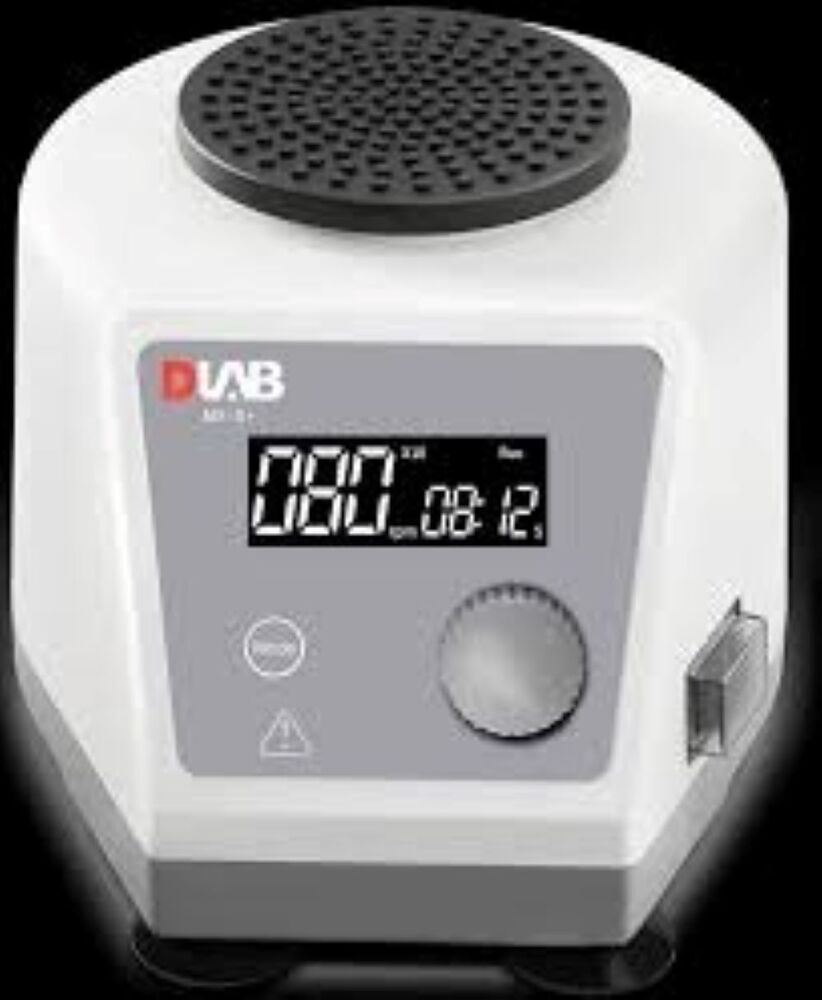
vortex mixer
Price 14000 INR / Number
Minimum Order Quantity : 1 Number
Temperature Resistance : Ambient to 40C operating temperature
Application : Mixing liquids, reagent mixing, laboratory sample mixing
Equipment Materials : Highquality ABS plastic body with anticorrosive coating
Type : Other, Vortex Mixer
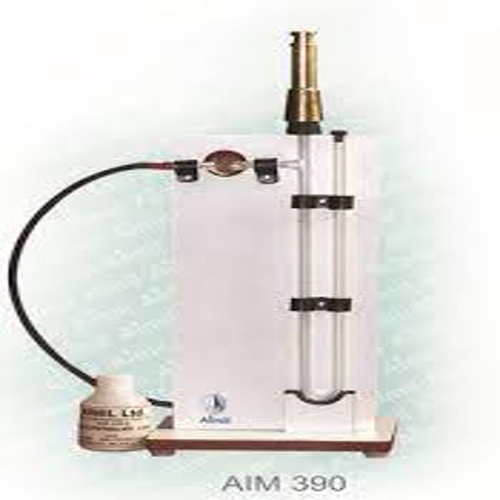
Blain Air Permeability Apparatus
Price 50000 INR / Bottle
Minimum Order Quantity : 1 Ten Gross
Temperature Resistance : Up to 150C
Application : Determining fineness of cement and other powdered materials
Equipment Materials : Glass and Metal Stand
Type : Other, Manual Blain Air Permeability Apparatus

We are dealing in Coimbatore, Chennai and Tamilnadu.
 Send Inquiry
Our Products
- Concrete Testing Equipment
- Survey Lab Equipment
- Construction Equipment
- Concrete Testing Machine
- Soil Test Machine
- Survey Instrument
- Auto Level
- Cement Testing Machine
- Soil Testing Equipments
- Soil Testing Equipment
- Civil Engineering Lab Equipment
- Total Station
- Soil Test equipments
- Auto Level
- Concrete Highway Engineering lab
- Mechanical Engineering Lab Equipment
- Weighing Scale
- Laboratory Testing Equipment
- Workshop Trolleys
- Compression Testing Machine
- Water Testing Equipment
- Vertical Milling Machine
- Moulding Products
- CNC Machines
- Measuring Ruler
- Cylinder Carrier
- Core Cutting Machine
- Digital Measuring Machine
- Hydraulic Jack
- Drawing Instruments
- Fuel Testing Equipment
- Dynamics Lab Equipment
- Hydraulics and Fluid Mechanics Lab Equipment
- Heat Transfer Lab Equipment
- Scientific Equipment
- Surgical Equipment
- Hot Air Oven
- Impact Testing Machine
- Torsion Testers
- Bernoullis Theorem Apparatus
- Wooden Tripod
- Liquid Mercury
- Vibrating Table
- Material Testing Equipment
- Agriculture Equipment
- Waste Water Analysis

SF No. 189/1B1A, 191/3A1A1E, Sidco Private Industrial Estate, LIC Colony, Kurichi Pudhu Nagar, Kuruchi Housing,Coimbatore - 641021, Tamil Nadu, India

Mr Balamurugan C
(Manager)
Mobile :07313727211
 Send Inquiry
 Send SMS
Developed and Managed by Infocom Network Private Limited.
