
Call us now :07313727211
 Send Inquiry
 Send Inquiry
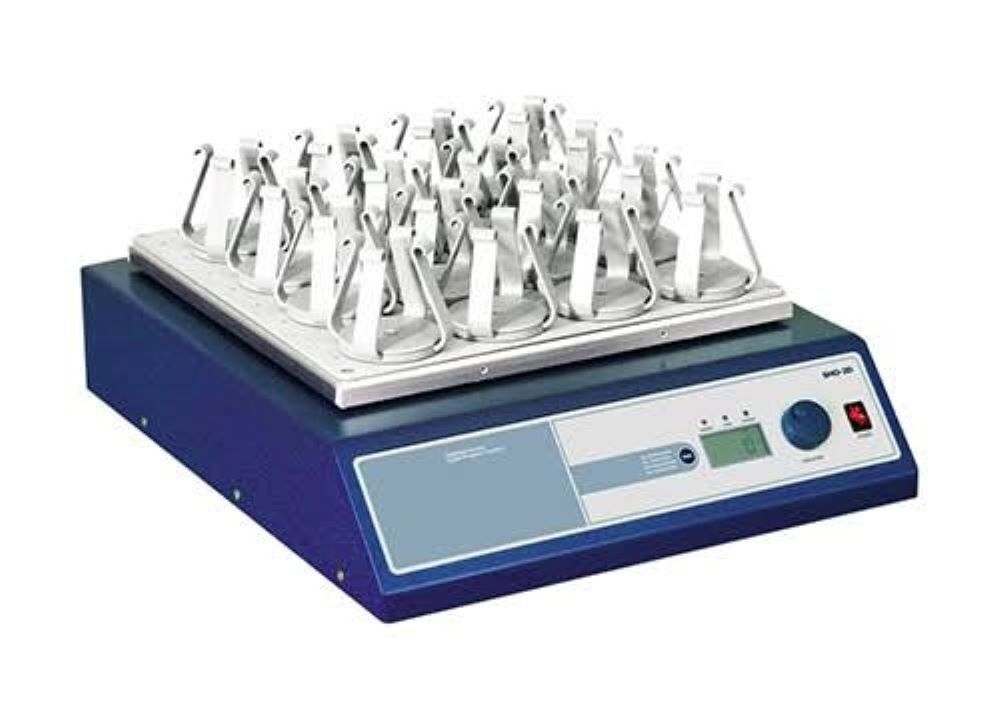
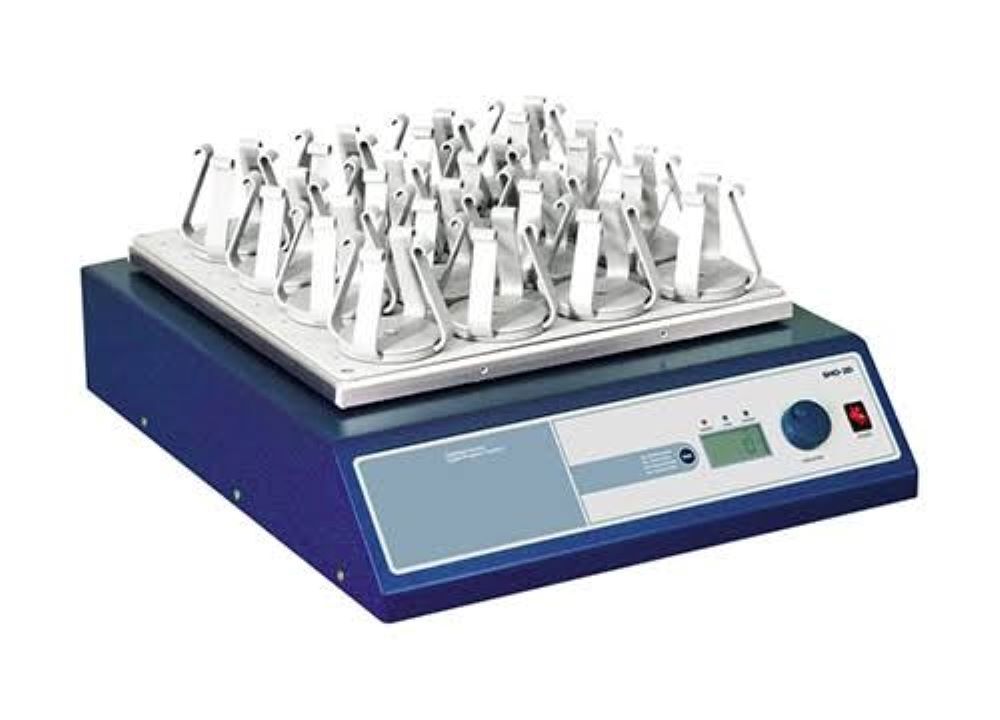
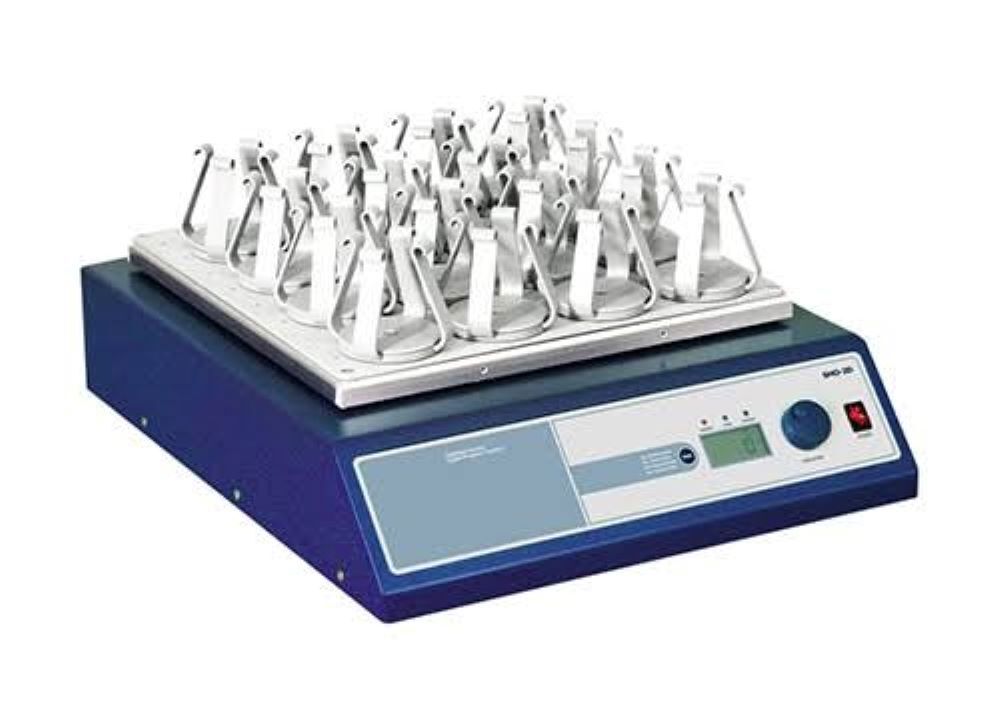
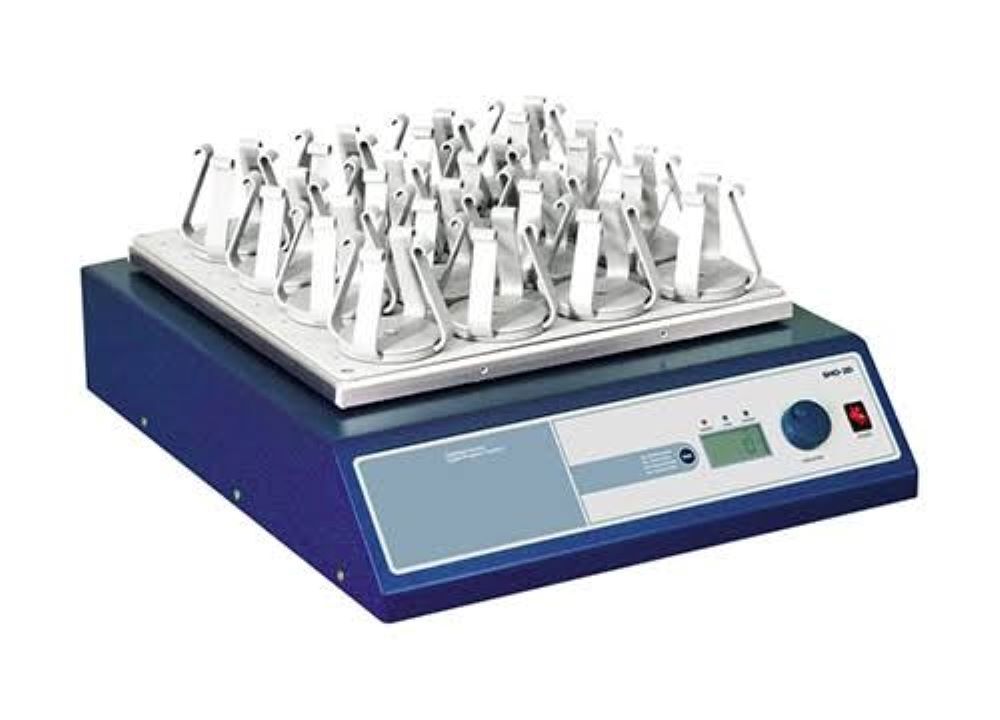
digital orbital shaker
Price 55000 INR/ Number
MOQ : 1 Number
digital orbital shaker Specification
- Display Type
- Digital LED Display
- Shape
- Rectangular
- Features
- Variable speed, Digital timer, Stable platform, Low noise, Overload protection
- Temperature Resistance
- Ambient to 60C
- Control Type
- Digital Microprocessor Based
- Speed Range
- 30 to 300 RPM
- Power Supply
- AC Mains
- Accuracy
- 1 RPM
- Type
- Digital Orbital Shaker
- Dimension (L*W*H)
- 430 x 355 x 160 mm
- Equipment Type
- Laboratory Shaker
- Equipment Materials
- Mild Steel body with powder coating, Stainless Steel platform
- Power
- 220V AC, 50Hz
- Voltage
- 220V
- Material
- Stainless Steel and Mild Steel
- Application
- Mixing and processing biological samples, laboratories, research and development
- Platform Size
- 335 x 335 mm
- Operating Environment
- 15C - 40C, 80% RH
- Timer Setting
- Up to 99 minutes
- Operation Mode
- Continuous / Timed
- Maximum Load
- 7 kg
- Color
- Blue and White
- No. of Flasks Holders
- Optional (commonly 16 x 250ml)
- Motor Type
- Brushless DC Motor
- Safety
- Over-current and over-temperature protection
- Noise Level
- <70 dB
digital orbital shaker About
| Minimum Order Quantity | 1 Piece |
| Shaking Type | Orbital |
| Chamber Volume | 28 Liter |
| Shaking Motion | Orbital |
| Capacity | 50 L |
| Door Type | Double Glass |
| Speed Range | 30-300 rpm |
| Brand | Tamilnadu Engineering Instruments |
| Temperature Range | 5 to 75 degree celsius |
| Color | Blue |
| Usage/Application | Industrial |
| Cooling System | No |
| Voltage | 240 V |
| CO2 Control System | No |
| Material | Stainless Steel |
| Incubator Type | Shaking |
| Country of Origin | Made in India |
Since our beginning in this highly competitive market, we are extremely involved in the realm of presenting to our patrons Orbital Shaker Incubator.
Features:
-
Simple installation
-
Quality tested
-
Application specific design
Advanced Control and Reliable Performance
Equipped with a digital microprocessor-based control system, this orbital shaker ensures precise speed regulation and operational accuracy, meeting critical requirements for research and laboratory work. The brushless DC motor provides quiet, smooth operation (less than 70 dB), minimizing disruption in sensitive environments. Users can tailor shaking profiles with digital timers and variable speeds, ensuring reproducible results for a wide variety of sample types.
Flexible Application Across Laboratories
The versatile design accommodates up to 16 x 250ml flasks and a maximum load of 7 kg, making it suitable for handling various sample volumes and vessel types. It operates effectively within environmental conditions of 15C to 40C and up to 80% relative humidity, and is resistant to ambient temperatures up to 60C. The robust construction features a mild steel body with a powder-coated finish and a stainless steel platform, providing both stability and chemical resistance.
FAQ's of digital orbital shaker:
Q: How do I set and operate the Digital Orbital Shaker for laboratory mixing applications?
A: To use the Digital Orbital Shaker, place your samples securely on the stainless steel platform, select the desired speed (30-300 RPM), and set the timer (up to 99 minutes) or choose continuous mode. Operation is managed via a digital microprocessor and LED display for precise control and monitoring.Q: What are the main benefits of using a Brushless DC Motor in this orbital shaker?
A: A Brushless DC Motor offers long service life, smooth operation, and reduced maintenance. It ensures low noise (<70 dB) and stable shaking performance, making it ideal for prolonged use in laboratory environments without causing distractions.Q: When should the orbital shaker's overload and over-temperature protection features be used?
A: These safety features activate automatically during excessive load or elevated motor temperatures to prevent equipment damage and ensure sample integrity. Regularly check that bottle weights do not exceed the 7 kg maximum load for safe operation.Q: Where can the Digital Orbital Shaker be used within a laboratory environment?
A: This shaker is suitable for a wide range of laboratory settings, including biological research labs, clinical laboratories, and R&D facilities. Its temperature resistance (ambient to 60C) and humidity tolerance (up to 80% RH) allow flexible placement on standard lab benches.Q: What process does the orbital shaker follow to ensure uniform sample mixing?
A: Utilizing a stable, rectangular platform and variable speed control, the shaker provides controlled orbital motion for even mixing of biological samples. The digital microprocessor maintains consistent speed and timing, ensuring reproducible experimental results.Q: How does the digital timer enhance usage during sample processing?
A: The built-in digital timer allows users to set precise shaking durations (up to 99 minutes), automating start and stop processes. This ensures samples are processed for exact periods, which is crucial for reproducibility in laboratory protocols.Q: What materials are used in the construction of this shaker and what benefits do they provide?
A: The orbital shaker features a mild steel body with powder coating for durability and corrosion resistance, and a stainless steel platform for easy cleaning and resistance to chemical spills. These materials enhance the shaker's longevity and reliability in demanding lab environments.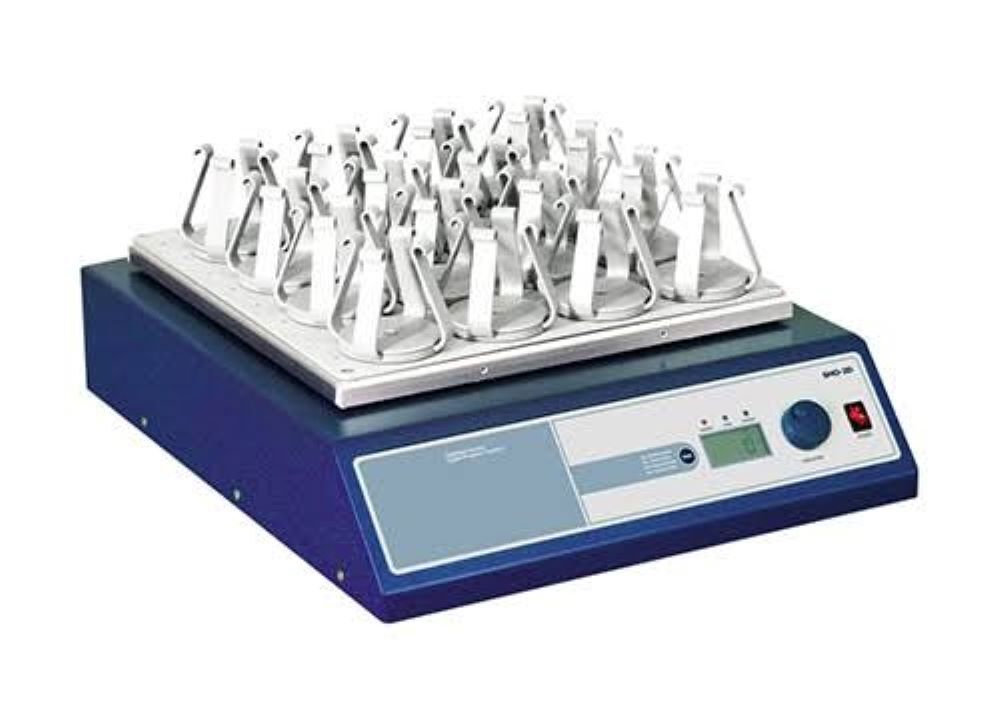
Tell us about your requirement

Price:
Quantity
Select Unit
- 50
- 100
- 200
- 250
- 500
- 1000+
Additional detail
Mobile number
Email

More Products in Scientific Equipment Category
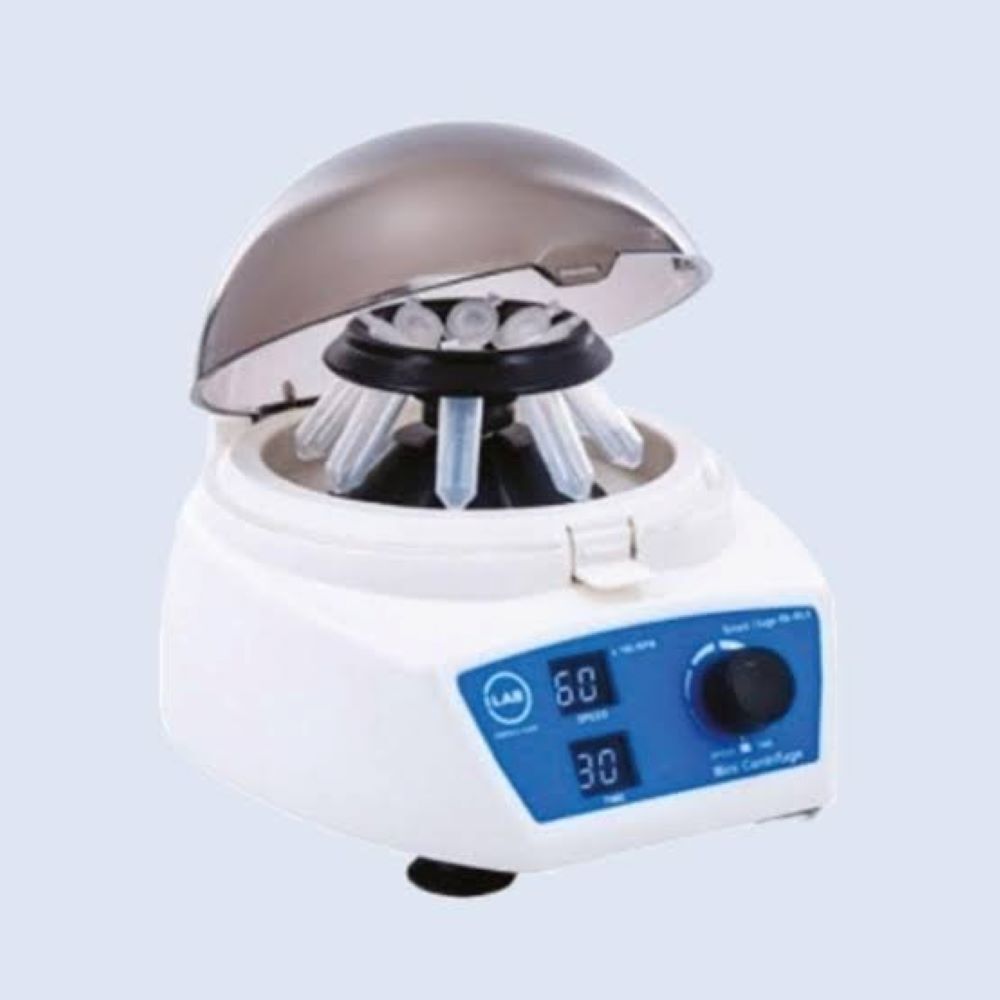
digital mini centrifuge
Price 17000 INR / Number
Minimum Order Quantity : 1 Number
Material : ABS, Polycarbonate
Features : Compact design, easy operation, quiet operation, safety interlock, digital display, variable speed time control
Application : Laboratory sample separation, clinical, research & educational applications
Equipment Type : Centrifuge
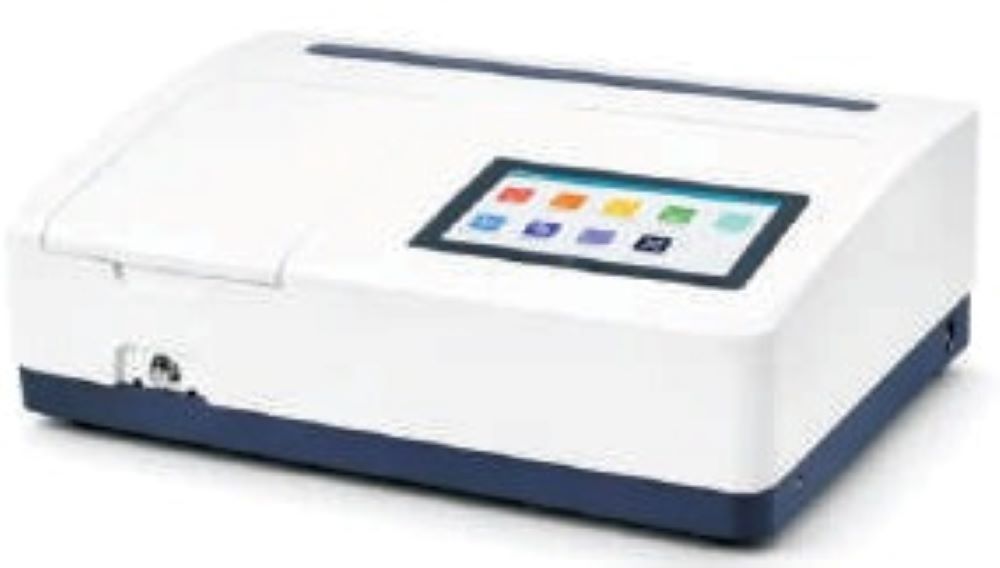
Double Beam Spectrometer
Price 330000 INR / Number
Minimum Order Quantity : 1 Number
Material : ABS & Sheet Metal
Features : Simultaneous measurement, Scanning mode, Userfriendly interface, Builtin printer option
Application : Quantitative and Qualitative Analysis in Laboratories
Equipment Type : Optical Analysis Instrument
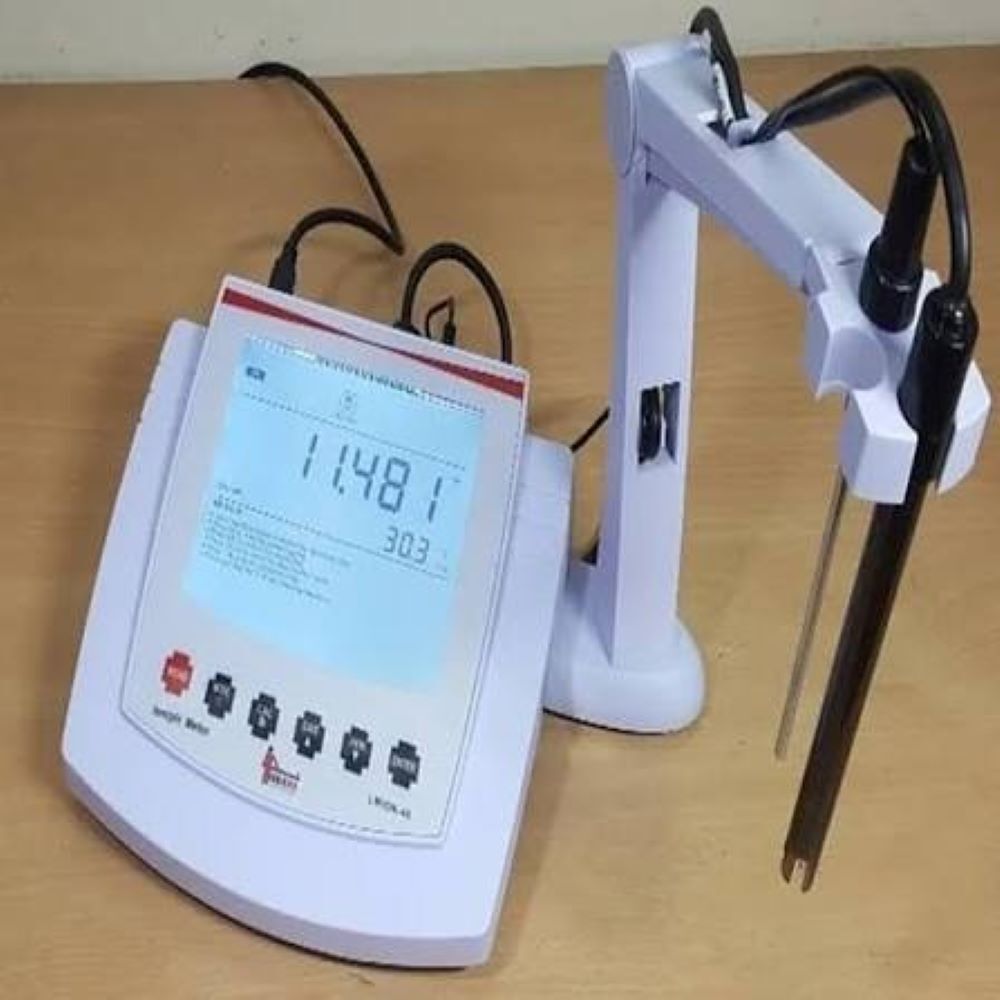
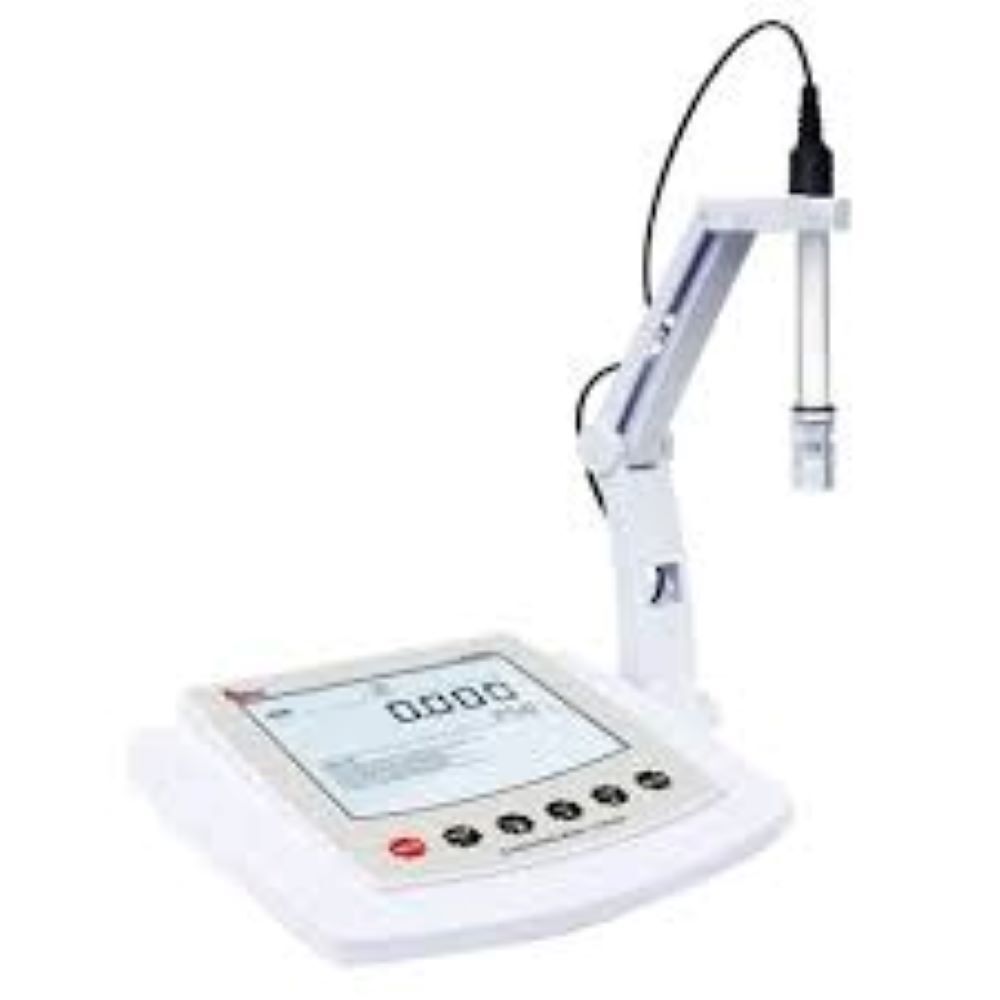
ION/ Ph Meter
Price 50000 INR / Number
Minimum Order Quantity : 1 Number
Material : ABS Plastic, Glass Electrode
Features : Backlit display, Multiparameter, Autocalibration, Data storage, Detachable electrode arm
Application : Measuring pH, ion concentration, research laboratories, water testing, educational institutes
Equipment Type : Desktop Digital Meter
conductivity /dts meter
Price 15000 INR / Number
Minimum Order Quantity : 1 Number
Material : Plastic, Metal (Probe)
Features : Auto Temperature Compensation, Auto Range, Data Hold, Calibration, Adjustable Stand
Application : Water analysis, Laboratory, Industrial, Environmental Monitoring
Equipment Type : Digital Conductivity Meter

We are dealing in Coimbatore, Chennai and Tamilnadu.
 Send Inquiry
Our Products
- Concrete Testing Equipment
- Survey Lab Equipment
- Construction Equipment
- Concrete Testing Machine
- Soil Test Machine
- Survey Instrument
- Auto Level
- Cement Testing Machine
- Soil Testing Equipments
- Soil Testing Equipment
- Civil Engineering Lab Equipment
- Total Station
- Soil Test equipments
- Auto Level
- Concrete Highway Engineering lab
- Mechanical Engineering Lab Equipment
- Weighing Scale
- Laboratory Testing Equipment
- Workshop Trolleys
- Compression Testing Machine
- Water Testing Equipment
- Vertical Milling Machine
- Moulding Products
- CNC Machines
- Measuring Ruler
- Cylinder Carrier
- Core Cutting Machine
- Digital Measuring Machine
- Hydraulic Jack
- Drawing Instruments
- Fuel Testing Equipment
- Dynamics Lab Equipment
- Hydraulics and Fluid Mechanics Lab Equipment
- Heat Transfer Lab Equipment
- Scientific Equipment
- Surgical Equipment
- Hot Air Oven
- Impact Testing Machine
- Torsion Testers
- Bernoullis Theorem Apparatus
- Wooden Tripod
- Liquid Mercury
- Vibrating Table
- Material Testing Equipment
- Agriculture Equipment
- Waste Water Analysis

SF No. 189/1B1A, 191/3A1A1E, Sidco Private Industrial Estate, LIC Colony, Kurichi Pudhu Nagar, Kuruchi Housing,Coimbatore - 641021, Tamil Nadu, India

Mr Balamurugan C
(Manager)
Mobile :07313727211
 Send Inquiry
 Send SMS
Developed and Managed by Infocom Network Private Limited.
