About Differential Gear
Differential Gear
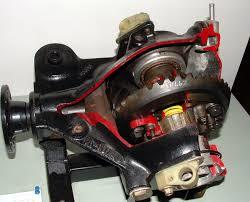
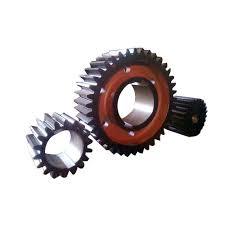
An arrangement of gears in an epicyclic train permitting the rotation of two shafts at different speeds, used on the rear axle of automotive vehicles to allow different rates of wheel rotation on curves. An arrangement of gears in an epicyclic train permitting the rotation of two shafts at different speeds, used on the rear axle of automotive vehicles to allow different rates of wheel rotation on curves.
Sturdy Construction & DesignThis differential gear is made from premium mild steel, renowned for its strength and longevity. The black coating adds an extra layer of protection against rust, ensuring durability even in demanding laboratory environments. Its floor-mounted design guarantees stability during operation.
Efficient Electric PerformancePowered by an electric supply, the differential gear provides seamless and consistent function. This enables precise experimentation and reliable results for laboratory professionals, facilitating advanced research and practical studies.
Versatile Industry ApplicationsOur differential gear serves not just labs but also becomes an indispensable tool for dealers, distributors, manufacturers, and other industry roles throughout the Indian market. Its adaptable nature ensures it suits a range of professional settings and requirements.
FAQs of Differential Gear:
Q: How do I properly install the differential gear for laboratory use?
A: To install the differential gear, ensure the floor mounting area is clean and level. Use appropriate anchors and fasteners to secure the base, then connect the electric power supply as per the manufacturers safety guidelines. This ensures stable and reliable operation in the laboratory setting.
Q: What are the benefits of using a floor-mounted differential gear in laboratories?
A: Floor-mounted differential gears provide a stable platform that minimizes vibration and movement during experiments. This leads to more precise results and safer operation, making it ideal for laboratory use where accuracy is essential.
Q: When should I consider choosing a mild steel differential gear over other materials?
A: Mild steel offers a good balance of strength, durability, and affordability, making it an excellent choice for laboratory applications. If your lab requires robust equipment that can withstand frequent usage, a mild steel differential gear is recommended.
Q: Where can this differential gear be sourced in India?
A: This differential gear is available throughout India from various providers including dealers, distributors, exporters, fabricators, manufacturers, producers, retailers, suppliers, traders, and wholesalers. You can select your preferred supplier based on your requirements and location.
Q: What is the recommended process for maintaining the differential gear?
A: Regularly inspect the gear for wear, clean surfaces to prevent dust buildup, and ensure the electric supply connections are secure. Lubricate moving parts as advised in the manual to maintain optimal performance and longevity.
Q: How is the differential gear utilized in laboratory experiments?
A: It is primarily used to demonstrate and study mechanical motion principles, torque differences, and load distribution, helping students and researchers understand gear mechanisms and related engineering concepts first-hand.
Q: What advantages does black color coating offer on this differential gear?
A: The black color coating enhances the differential gears resistance to rust and corrosion, while also providing a professional and aesthetically pleasing finish suitable for laboratory environments.








 Send Inquiry

 Send Inquiry