About Soil Permeability
Soil Permeability
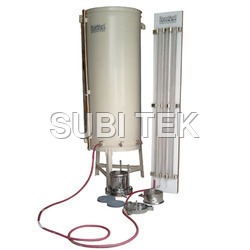
The apparatus is used for the laboratory determination of permeability of soils using a constant or a variable head. This test is recommended for soils with co-efficient of permeability in the range of 10 x -3 to 10 x -7cm/sec. The maximum particle size of the soil which can be tested in the mould is 10 mm.
Salient Features
- Specifications : The equipment comprises one each:
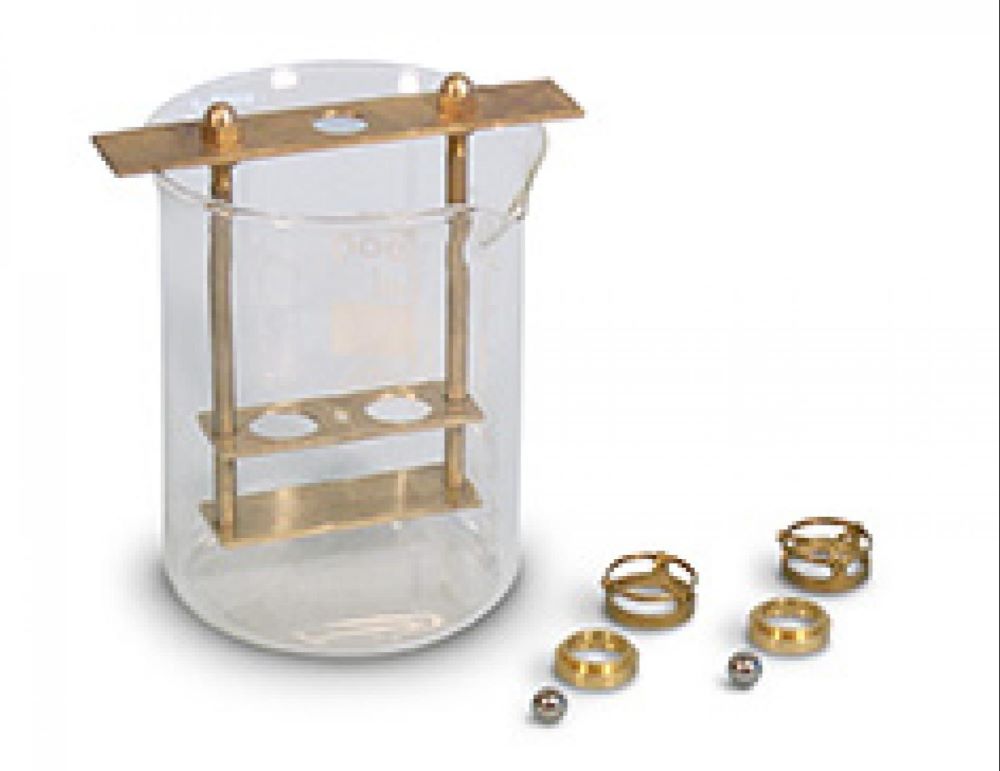
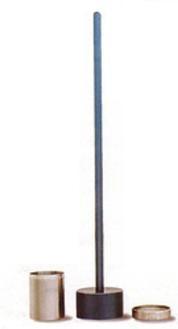
- Gun metal mould, 100mm I.D. x 127 mm high x 1000 ml volume.
- Gun metal mould extension collar, 100 mm dia x 60 mm high for the above mould.
- Gun metal Drainage base plate with a recess for a porous stone and with an outlet valve.
- Metallic clamping ring.
Gun metal drainage cap (top plate with a recess for a porous stone and fitted with an inlet valve and an air release valve.) Gun metal dummy plate to serve as a false bottom during compaction. Porous stone for drainage cap. Porous stone for base plate. Set of glass stand pipes approximately 6 mm dia., 10 mm dia and 20 mm dia mounted on a wooden board. Each glass tube is longer than 1 meter and has a serrested end at the bottom. To read water head 2 Nos. meter scales are fixed between the tubes. A length of 3 meter long rubber tubing with pinch cock is also supplied.
Dealer in Chennai
Manufacturer in Chennai
Precision Testing for Soil AnalysisEngineered specifically for industrial and laboratory use, this Soil Permeability apparatus enables accurate analysis of soil properties vital for construction, agriculture, and research. Its robust mild steel build and innovative design provide consistent results, supporting critical projects where understanding soil permeability is essential for safety and efficacy.
Adaptable Installation and UsageWith its convenient wall-mount design, the apparatus saves valuable workspace and integrates seamlessly into existing laboratory setups. The device operates reliably on a standard 230-volt power supply, ensuring compatibility in Indian laboratory and industrial environments. User-friendly features make it suitable for both new and experienced technicians.
FAQs of Soil Permeability:
Q: How is the soil permeability apparatus used in laboratory settings?
A: The soil permeability apparatus is utilized to measure the rate at which water passes through soil samples. In laboratories, technicians mount the equipment on the wall, connect it to a 230V electric source, and follow the standardized testing process to ensure precise soil permeability measurements.
Q: What materials are used to construct the apparatus, and why are they important?
A: The apparatus is made from mild steel with a white finish. Mild steel provides excellent structural strength and durability, ideal for repeated use in industrial and laboratory environments. The white color enhances visibility of measurements and cleanliness.
Q: When should this soil permeability equipment be used for soil analysis?
A: This soil permeability equipment should be employed whenever accurate data on soil water transmission is required. Typical scenarios include foundation design, agricultural planning, and geotechnical investigations prior to construction or land development.
Q: Where can this product be sourced in India?
A: The soil permeability apparatus is available across India through a robust network of dealers, distributors, exporters, fabricators, manufacturers, producers, retailers, suppliers, traders, and wholesalers, ensuring easy accessibility for customers nationwide.
Q: What is the process of testing soil permeability using this apparatus?
A: The process involves placing a soil sample into the chamber, securing the apparatus on the wall, and using the electric power supply to conduct the test. The flow rate of water through the soil is measured, providing key insights into soil characteristics.
Q: What are the main benefits of using this apparatus for soil testing?
A: Using this apparatus delivers quick, precise, and repeatable measurements of soil permeability, which are crucial for understanding drainage and foundation conditions. Its robust construction and wall-mount design maximize lab efficiency and equipment longevity.








 Send Inquiry

 Send Inquiry