
Call us now :07313727211
 Send Inquiry
 Send Inquiry
Hand Operated Flexural Testing Machine
Price 44000.0 INR/ Piece
MOQ : 1 Piece
Hand Operated Flexural Testing Machine Specification
- Weight
- 100 Kilograms (kg)
- Warranty
- 1 Year
- Color
- Cream
- Frequency
- 50 Hertz (HZ)
- Usage & Applications
- Industrial
- Automation Grade
- Automatic
Hand Operated Flexural Testing Machine Trade Information
- Minimum Order Quantity
- 1 Piece
- FOB Port
- Chennai
- Payment Terms
- Cash in Advance (CID), Cash Advance (CA)
- Supply Ability
- 1 Piece Per Day
- Delivery Time
- 2 Week
- Main Export Market(s)
- Asia
- Main Domestic Market
- All India
About Hand Operated Flexural Testing Machine
We are the leading manufacturers and suppliers of Hand Operated Flexural Testing Equipment made from supreme quality material.
Technical Specifications
|
Material |
Iron |
|
Power |
Yes |
|
Display Type |
Analog |
|
Warranty |
1 Year |
|
Pressure |
100kg |
|
Automation Grade |
Automatic |
|
Customization |
Customized |
|
Color |
Blue |
|
Brand |
TNEI |
Efficient Manual Operation
This flexural testing machine is operated completely by hand, offering users straightforward control and easy adjustment during testing processes. Its manual system allows for focused and accurate data acquisition without the need for electrical power, making it ideal in environments where power supply may be limited or when precise manual intervention is preferred.
Robust Floor Mounting for Stability
Mounting the machine directly on the floor provides exceptional stability while testing materials under load. This feature is essential for ensuring accurate, consistent results and extends the machines service life by minimizing wobble or movement, even when testing larger samples.
FAQs of Hand Operated Flexural Testing Machine:
Q: How is the Hand Operated Flexural Testing Machine used in a laboratory setting?
A: In a laboratory, this machine is used to perform flexural (bend) tests on material specimens. The user manually applies force using the hand-operated mechanism until the sample breaks, recording the required data for analysis.Q: What materials can be tested with this machine?
A: The machine is suitable for a variety of construction and engineering materials such as concrete, ceramics, and polymers, making it versatile for testing a range of specimens in research and quality control environments.Q: Where can the Hand Operated Flexural Testing Machine be installed?
A: It is designed for floor mounting, ensuring stability and safety during heavy-duty testing. Installations are commonly found in laboratories of educational institutes, manufacturing plants, and quality testing facilities.Q: What are the operational benefits of a manual, hand-operated system?
A: A manual system eliminates dependence on electricity, increases control over the testing process, and reduces maintenance complexity, particularly advantageous for environments where electrical resources are limited.Q: When is flexural testing necessary during material evaluation?
A: Flexural testing is typically conducted during quality assessment, research, and product development stages to evaluate material strength, deformation characteristics, and structural reliability.Q: What is the process of operating this testing machine?
A: Users position the sample in the test fixture, then manually apply increasing force via the lever or crank until the material fractures or reaches the required deformation, closely monitoring load and deflection throughout.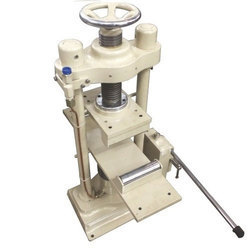
Tell us about your requirement

Price:
Quantity
Select Unit
- 50
- 100
- 200
- 250
- 500
- 1000+
Additional detail
Mobile number
Email

More Products in Compression Testing Machine Category
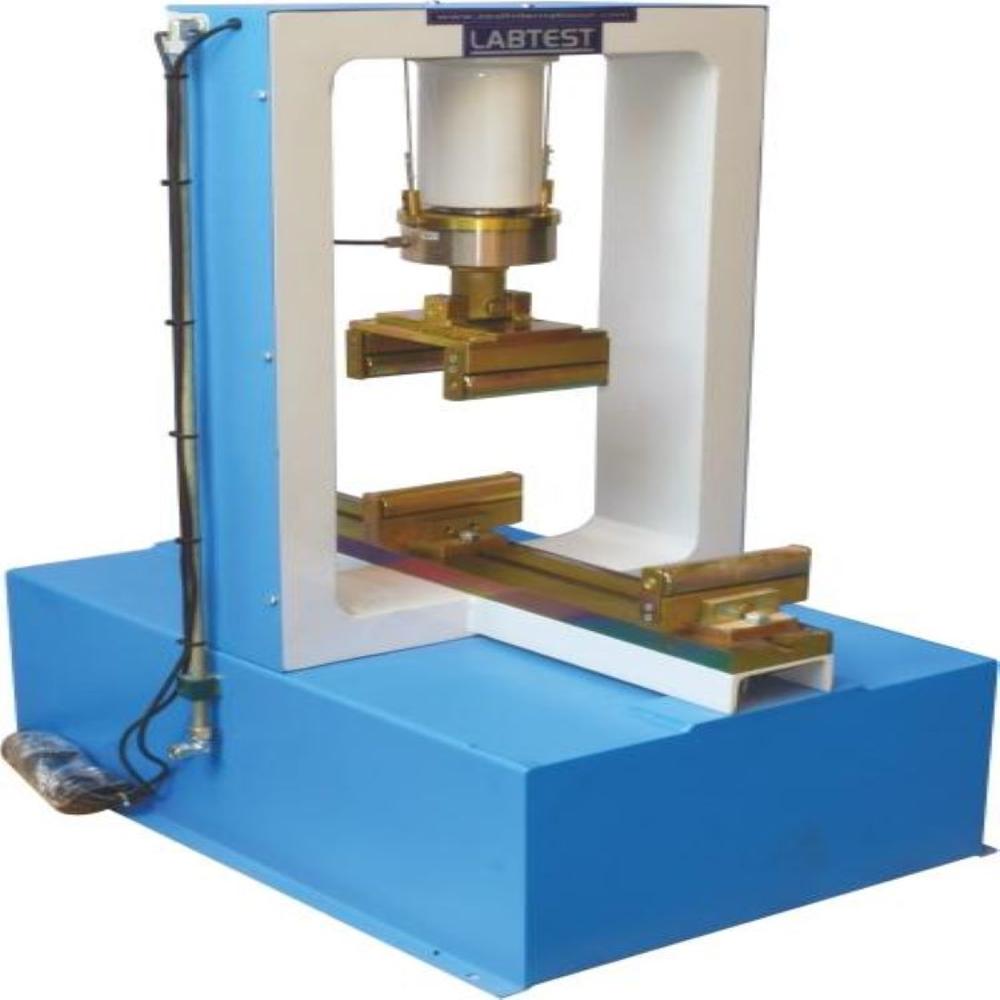
Automatic Flexure Testing Machine - 100 kN
Price 180000.0 INR / Piece
Minimum Order Quantity : 1 Piece
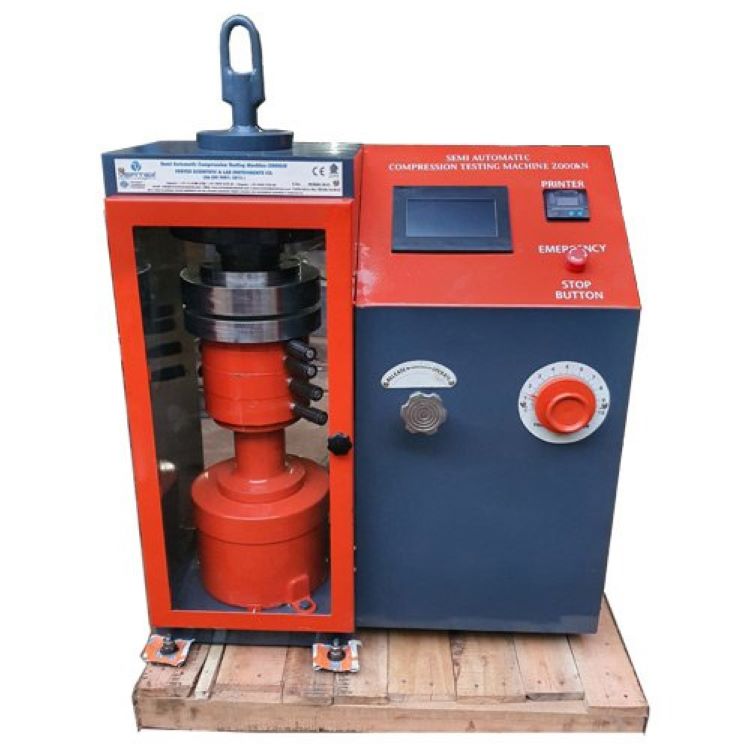
Semi-Automatic Compression Testing Machine
Price 100000.0 INR / Piece
Minimum Order Quantity : 1 Piece
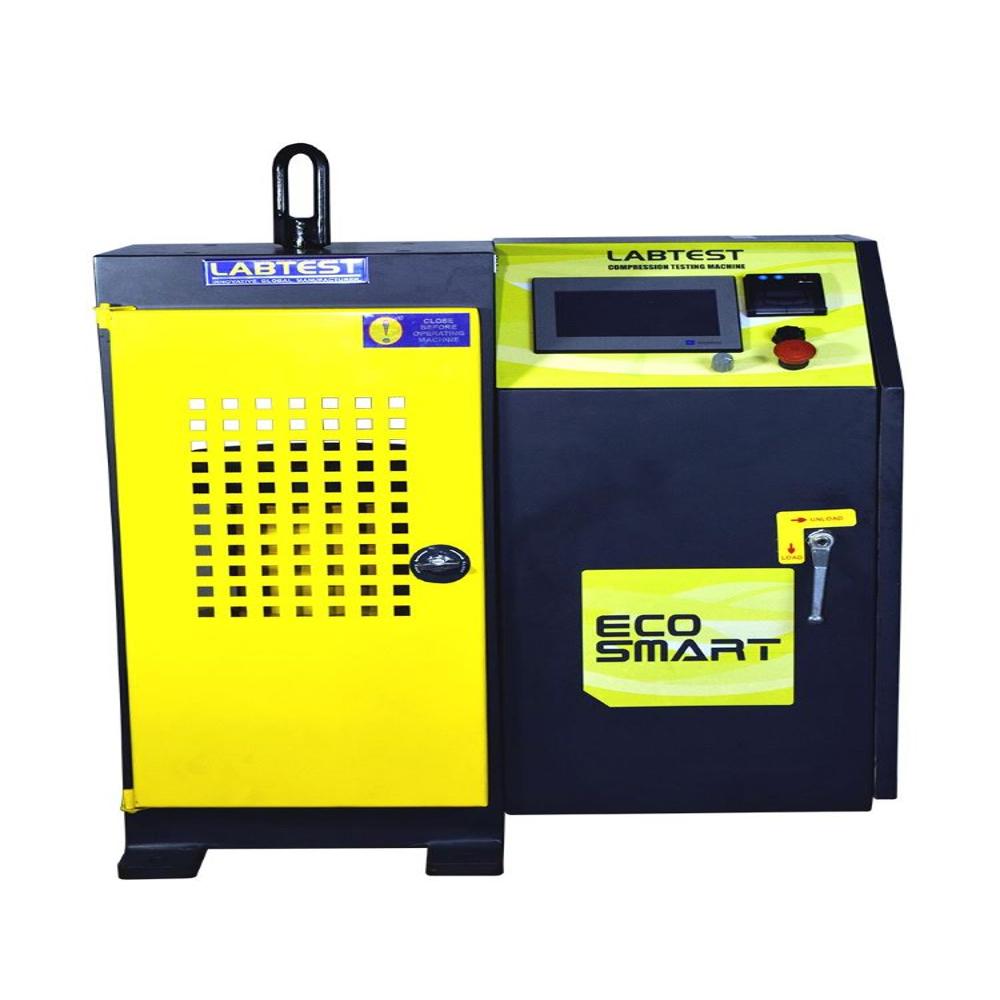

We are dealing in Coimbatore, Chennai and Tamilnadu.
 Send Inquiry
Our Products
- Concrete Testing Equipment
- Survey Lab Equipment
- Construction Equipment
- Concrete Testing Machine
- Soil Test Machine
- Survey Instrument
- Auto Level
- Cement Testing Machine
- Soil Testing Equipments
- Soil Testing Equipment
- Civil Engineering Lab Equipment
- Total Station
- Soil Test equipments
- Auto Level
- Concrete Highway Engineering lab
- Mechanical Engineering Lab Equipment
- Weighing Scale
- Laboratory Testing Equipment
- Workshop Trolleys
- Compression Testing Machine
- Water Testing Equipment
- Vertical Milling Machine
- Moulding Products
- CNC Machines
- Measuring Ruler
- Cylinder Carrier
- Core Cutting Machine
- Digital Measuring Machine
- Hydraulic Jack
- Drawing Instruments
- Fuel Testing Equipment
- Dynamics Lab Equipment
- Hydraulics and Fluid Mechanics Lab Equipment
- Heat Transfer Lab Equipment
- Scientific Equipment
- Surgical Equipment
- Hot Air Oven
- Impact Testing Machine
- Torsion Testers
- Bernoullis Theorem Apparatus
- Wooden Tripod
- Liquid Mercury
- Vibrating Table
- Material Testing Equipment
- Agriculture Equipment
- Waste Water Analysis

SF No. 189/1B1A, 191/3A1A1E, Sidco Private Industrial Estate, LIC Colony, Kurichi Pudhu Nagar, Kuruchi Housing,Coimbatore - 641021, Tamil Nadu, India

Mr Balamurugan C
(Manager)
Mobile :07313727211
 Send Inquiry
 Send SMS
Developed and Managed by Infocom Network Private Limited.
